Tested and Trusted: The Gear That Powered Backpacker Editors Through November’s Wild Weather Extremes

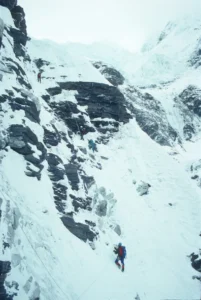
The transition from autumn to winter across North America presents a unique set of meteorological challenges for outdoor enthusiasts. In regions like Colorado’s Front Range, seasonal shifts rarely occur in a linear fashion. Weeks of sun-drenched, seventy-degree days can be upended overnight by plummeting temperatures, heavy foliage loss, and sudden blizzard conditions. This climatic volatility defines the month of November, turning it into a demanding testing ground for hikers, backpackers, and mountaineers who seek a diverse range of terrain.
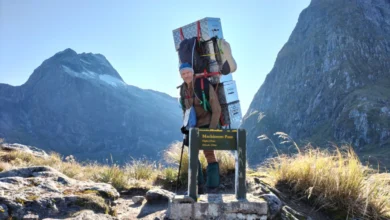
During this recent shoulder season, the editorial staff at Backpacker put a curated selection of equipment through rigorous real-world testing. Their expeditions spanned contrasting landscapes, including the arid expanse of the Utah desert, the damp and deciduous forests of the Pacific Northwest, and the high-altitude snowpack of the Colorado Rockies. To evaluate how modern outdoor manufacturing meets these environmental demands, the team analyzed four distinct products released to the market: a carbon-fiber reinforced power bank, an innovative second-generation fleece pullover, a high-fashion technical pant, and a high-capacity gravity water filtration system.
Evolution of Power: The Nitecore NB10000 Power Bank
Portable power supply has long been a focal point for ultralight backpackers and long-distance hikers. The pursuit of minimizing base weight has driven manufacturers to explore advanced materials, moving away from traditional aluminum housings toward aerospace-grade composites.
The industry’s fascination with extreme weight reduction gained viral attention earlier in the year when a novelty 20,000mAh battery encased in a whimsical confectionery design briefly captured the market’s imagination. Weighing roughly nine ounces, that device set a benchmark for high-capacity power-to-weight ratios, prompting gram-conscious consumers to seek out specialized alternatives.
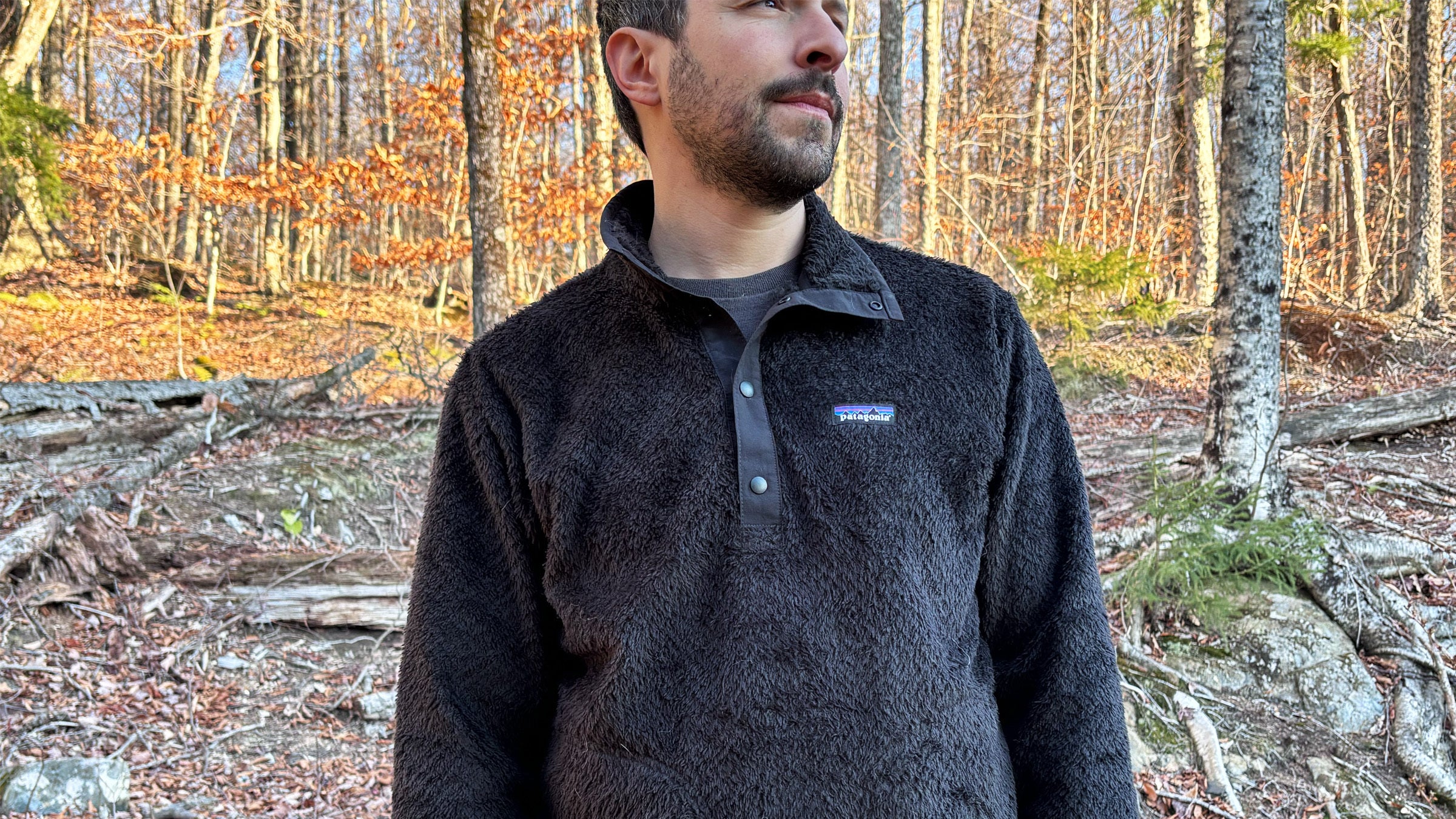
Filling the niche for reliable, ultra-portable energy, the Nitecore NB10000 Gen 4 power bank offers a streamlined alternative for modern backcountry travelers. Tipping the scales at a mere 4.94 ounces, the device utilizes a carbon-fiber shell to achieve exceptional structural rigidity while maintaining a minimal footprint. Measuring roughly half the capacity and size of its heavier counterparts, the NB10000 integrates several functional updates tailored to outdoor environments.
Among its notable features are dual USB-C charging ports flanked by subtle technicolor indicator lights, designed to assist users in locating the device within the confines of a darkened tent. Furthermore, the unit carries an IPX7 waterproof rating, indicating its capability to withstand complete submersion. This level of ingress protection makes the power bank a viable option for aquatic sports, packrafting, and foul-weather trekking. While editorial feedback highlighted the convenience of the included short USB connection cable, long-term durability testing noted that peripheral accessories may require replacement under strenuous field conditions.
Material Science Breakthrough: Patagonia Re-Tool Air Snap-T Pullover
Textile engineering in the outdoor apparel sector has experienced a significant shift with the commercial rollout of advanced synthetic insulations. For decades, high-loft fleeces have served as foundational mid-layers, balancing thermal retention with moisture permeability. However, traditional fabrics often struggled with durability issues, frequently shedding microfibers or succumbing to premature wear under the abrasive friction of backpack straps.
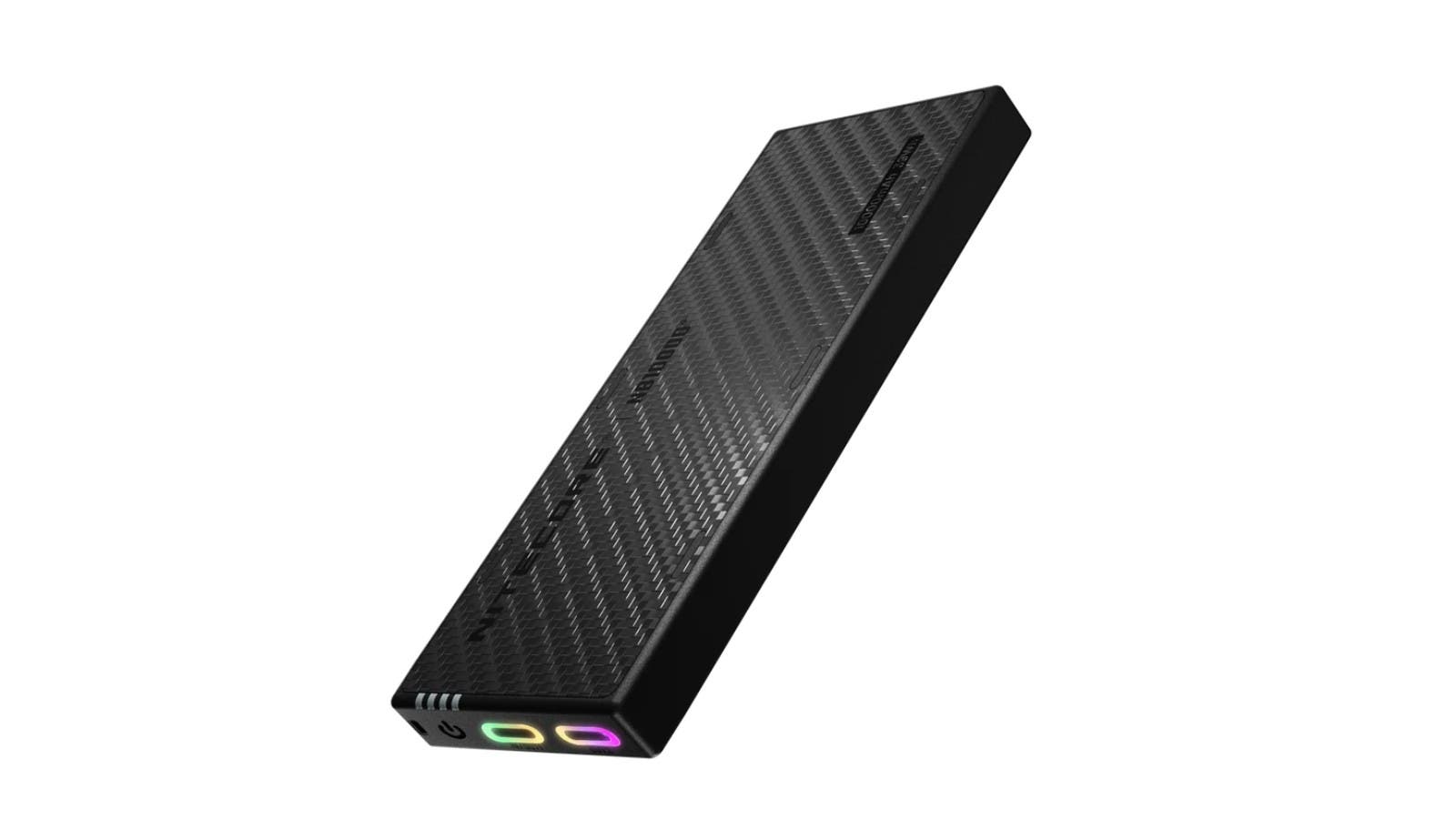
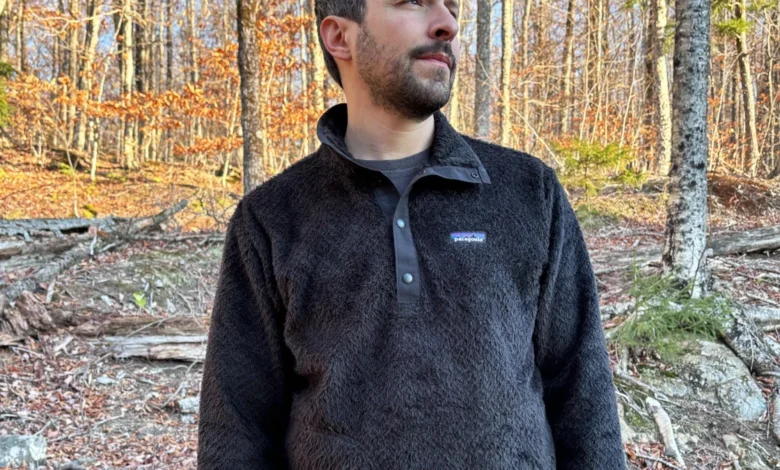
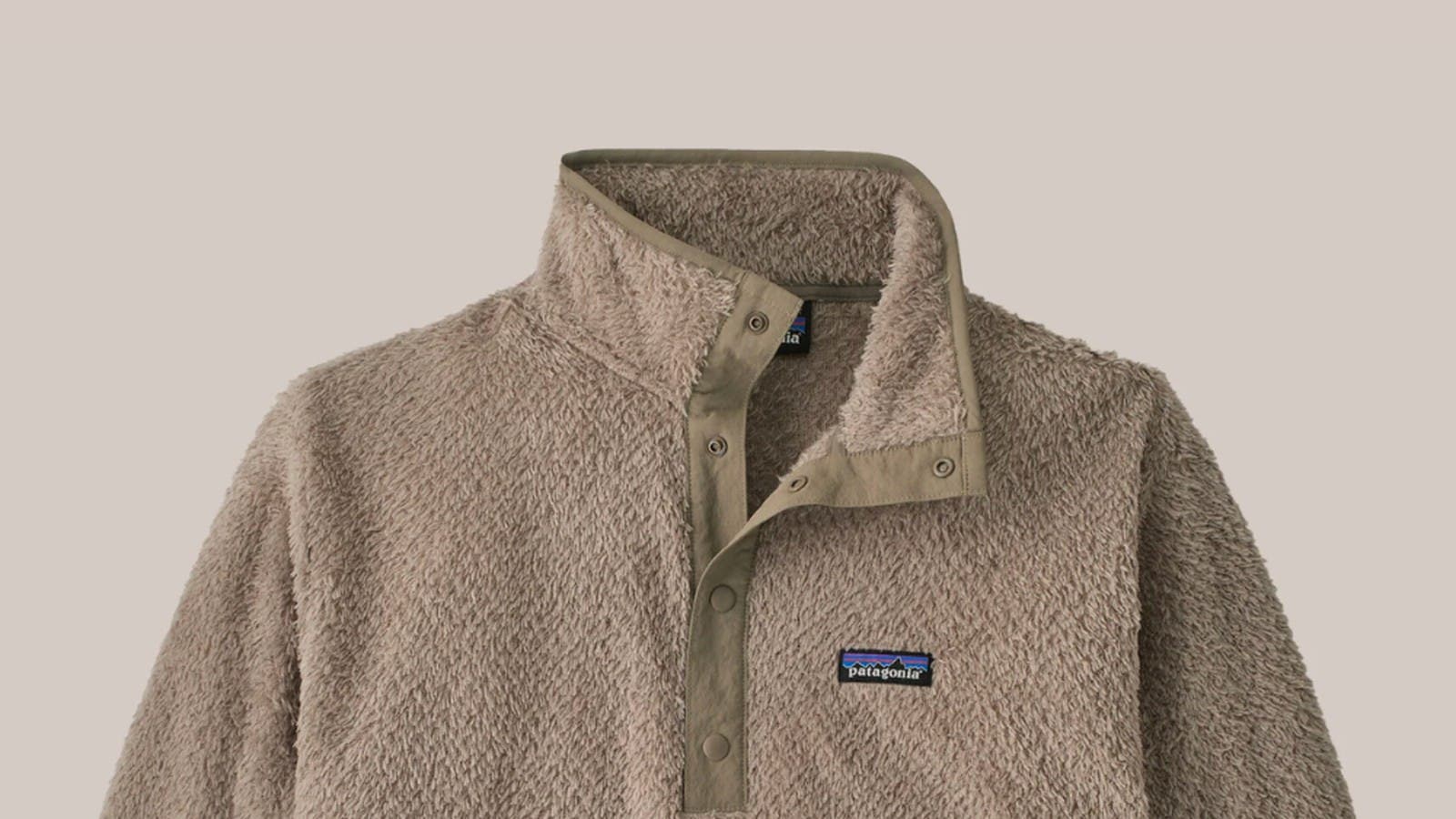
Addressing these performance gaps, Polartec introduced its second-generation Alpha fabric, a material engineered to enhance structural resilience without sacrificing breathability or warmth. Patagonia integrated this hotly anticipated textile into its Re-Tool Air Snap-T Pullover, marking a notable deployment of the material in mainstream consumer apparel.
When compared to its predecessor, the second-generation Alpha fabric exhibits a distinct tactile profile. While the internal structural matrix remains consistent with earlier iterations, the exterior finish features a dense, shag-rug texture rather than the traditional tufted appearance. Field testing conducted over several weeks indicated a marked improvement in snag resistance and structural integrity through repeated machine laundering.
Despite these performance gains, industry analysts note certain design considerations regarding its intended application. The pullover utilizes a heavy fabric weight of approximately 165 grams per square meter (GSM), a significant increase over the ultralight 60 to 90 GSM range typically found in specialized alpine hoodies. Consequently, the garment’s boxy, casual silhouette leans toward front-country and everyday urban wear, leaving the ultimate performance ceiling of the fabric open to future evaluation as cottage-industry manufacturers release lighter, technical implementations.
Blending Utility and Aesthetics: Skida Viska Pant 2.0
The intersection of outdoor functionality and modern streetwear—often characterized by the "gorpcore" aesthetic—has transformed trail fashion over recent years. While technical apparel has historically prioritized utilitarian, neutral designs, contemporary manufacturers are increasingly incorporating vibrant patterns and lifestyle-oriented cuts into performance gear.
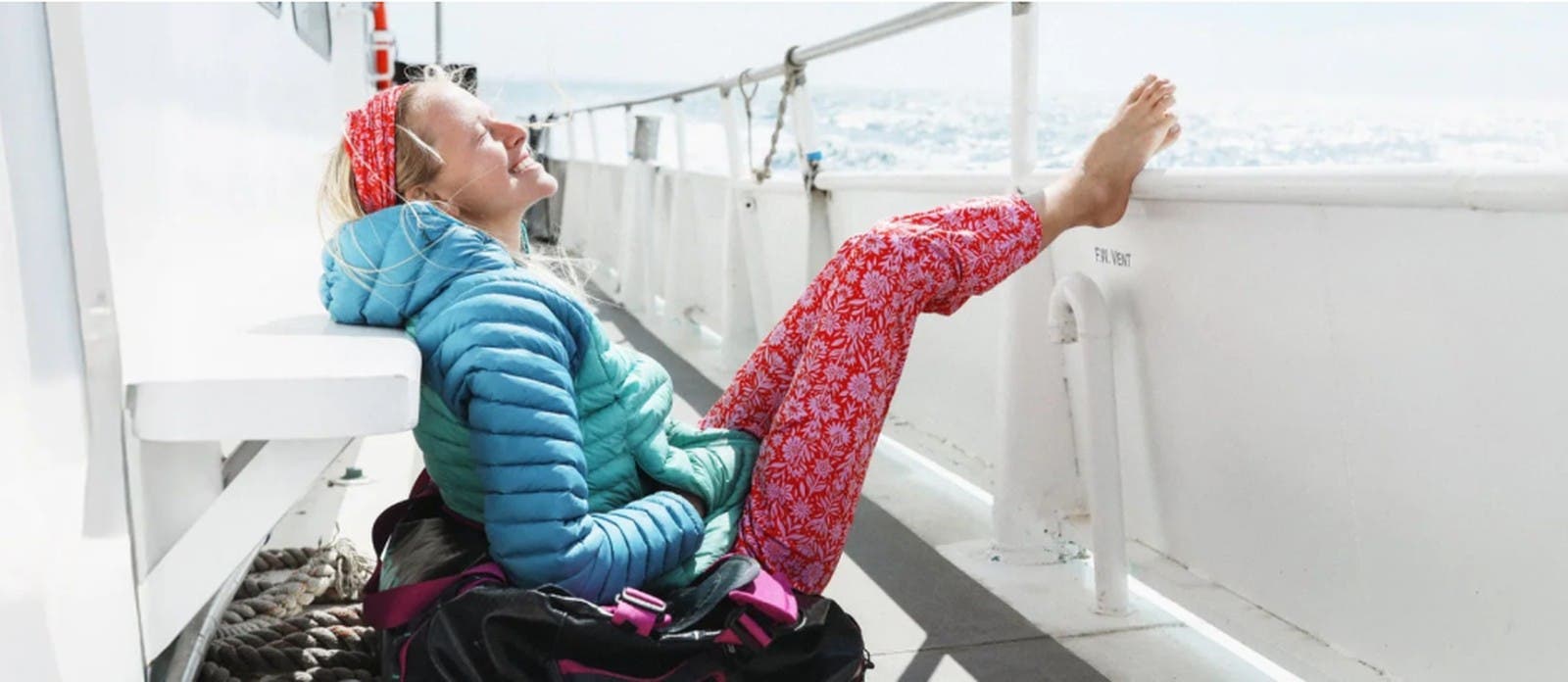
Skida’s Viska Pant 2.0 exemplifies this convergence, offering a high-waisted, flowy silhouette available in five distinct, brightly colored proprietary prints. Constructed from a stretch polyester and Lycra blend, the garment incorporates moisture-wicking properties and a UPF 50+ ultraviolet protection rating, catering to sun-exposed environments.
Field assessments emphasize that the Viska Pant is engineered primarily for camp comfort, extended travel days, and post-hike relaxation rather than rugged trail mileage. Due to the lightweight nature of the fabric, the trousers are not recommended for bushwhacking or abrasive off-trail navigation. Instead, they serve a psychological and physiological recovery role, offering lounge-wear comfort alongside high-visibility aesthetics that frequently prompt favorable public reception during travel and transitional phases of an expedition.
Hydration Management: Hydrapak Seeker+ 6L Gravity Filter Kit
Water purification remains a critical logistical priority for backcountry groups, particularly during multi-day excursions where manual pumping can lead to physical fatigue. The adoption of gravity-fed filtration systems has simplified camp life, allowing users to harness hydrostatic pressure to process large volumes of water with minimal physical exertion.
The Hydrapak Seeker+ 6L Gravity Filter Kit represents a modernization of this category. Designed for basecamp deployment or group settings, the system utilizes a six-liter reservoir that can be suspended from a tree branch or elevated structure to create an automated filtration station. Additionally, the inclusion of an integrated side handle permits manual usage as a conventional squeeze filter, offering versatility in environments lacking proper hanging points.
Technically, the system employs a 0.2-micron hollow fiber membrane rated for up to 1,500 liters of potable water. According to manufacturer specifications, the filter eliminates 99.999% of waterborne bacteria, cysts, and particulate sediment. This filtration capability proves particularly valuable in winter alpine environments, where melted snow often carries residual debris that can clog standard field filters. While field reports suggest that the practical flow rate may occasionally fall short of the advertised one-liter-per-minute benchmark without routine maintenance such as reverse flushing, the modular kit provides an efficient, multi-use solution for hydration management in remote locations.
Broader Implications for the Outdoor Gear Industry
The equipment selections evaluated by the editorial staff highlight broader manufacturing trends heading into the winter season. Brands are increasingly focusing on dual-purpose functionality—bridging the gap between technical performance and everyday usability. As material sciences advance, exemplified by improvements in synthetic insulations and carbon-composite electronics housing, consumers benefit from lighter, more durable gear that reduces physical strain in demanding environments.
At the same time, the inclusion of fashion-forward apparel underscores a cultural shift within outdoor recreation. The market demands gear that performs reliably under adverse weather conditions while aligning with contemporary aesthetic preferences. Whether navigating the volatile transition seasons of the Rocky Mountains or undertaking extended expeditions in remote wilderness, the modern outdoor participant relies on an increasingly sophisticated array of tools designed to optimize safety, comfort, and efficiency.