Family Travel Dispatch: Navigating Denmark Capital Copenhagen on a Three-Day Multigenerational Itinerary

Copenhagen has long cultivated a reputation as one of Northern Europe’s most liveable, pedestrian-friendly, and architecturally cohesive urban centers. While it may lack the sprawling imperial monuments of London or Paris, the Danish capital offers a seamless blend of smart Scandinavian design, a laid-back lifestyle, and a child-centric cultural ethos that makes it a prime destination for multigenerational travel. With an urban landscape engineered for cyclists, an abundance of pristine green spaces, and a culinary scene that balances traditional comfort with modern gastronomy, Copenhagen presents an ideal case study in family-friendly urban planning.
This comprehensive guide examines how families can optimize a 72-hour holiday in the Danish capital, balancing historical sightseeing, culinary exploration, and leisure activities suitable for travelers ranging from toddlers to grandparents.
Main Facts and City Logistics
Copenhagen serves as the political, economic, and cultural heart of Denmark, housing a metropolitan population of approximately 1.3 million residents. The city’s geography—defined by an intricate network of harbors, canals, and flat terrain—renders it exceptionally navigable. Urban planners have systematically prioritized public transit, cycling infrastructure, and maritime access, resulting in a city where visitors can traverse major cultural landmarks in minutes.
For families arriving for a short break, the financial and logistical framework of the city is streamlined. The official currency is the Danish Krone (DKK, denoted as kr), though digital payments are near-universal, rendering physical cash largely obsolete. English proficiency among the local population is exceptionally high, mitigating communication barriers for international visitors. Public transportation, managed via the DOT (Dine Offentlige Trafik) system, integrates metro lines, harbor buses (ferries), and suburban trains (S-trains) under a unified ticketing framework, which significantly reduces the friction typically associated with urban navigation with children in tow.
Chronology of a 72-Hour Itinerary
Day 1: Waterways, Retail Thoroughfares, and Royal History
The structural layout of Copenhagen is best appreciated from its historic waterways. Travel analysts and local tourism boards consistently recommend initiating a 72-hour visit with a guided canal tour departing from Nyhavn or Gammel Strand. These one-hour excursions provide foundational orientation, taking passengers past architectural contrasts such as the juxtaposition of the 17th-century stock exchange (Børsen) and the ultra-modern Black Diamond extension of the Royal Danish Library.
Returning to dry land, visitors typically gravitate toward Strøget, recognized as one of Europe’s longest pedestrianized shopping arteries. Stretching approximately 1.1 kilometers from City Hall Square (Rådhuspladsen) to Kongens Nytorv, Strøget hosts a mixture of international retail brands and flagship Danish design houses, including a prominent multi-level LEGO store that nods to the nation’s most globally recognized toy export.
Midday culinary exploration centers on Torvehallerne, a bustling glass-roofed market hall featuring over 60 stalls. Here, families can sample traditional smørrebrød—the elaborately assembled Danish open-faced rye bread sandwiches—at vendors such as Hallernes Smørrebrød. Culinary historians note that smørrebrød evolved from 19th-century working-class packed lunches into a high-art form of Nordic gastronomy characterized by precise layering of pickled herring, roast beef, remoulade, and fresh herbs. Dessert often involves sampling a flødebolle, a traditional confection consisting of a wafer base topped with whipped egg-white meringue and enrobed in dark chocolate, popularized locally by bakeries like Lagkagehuset.
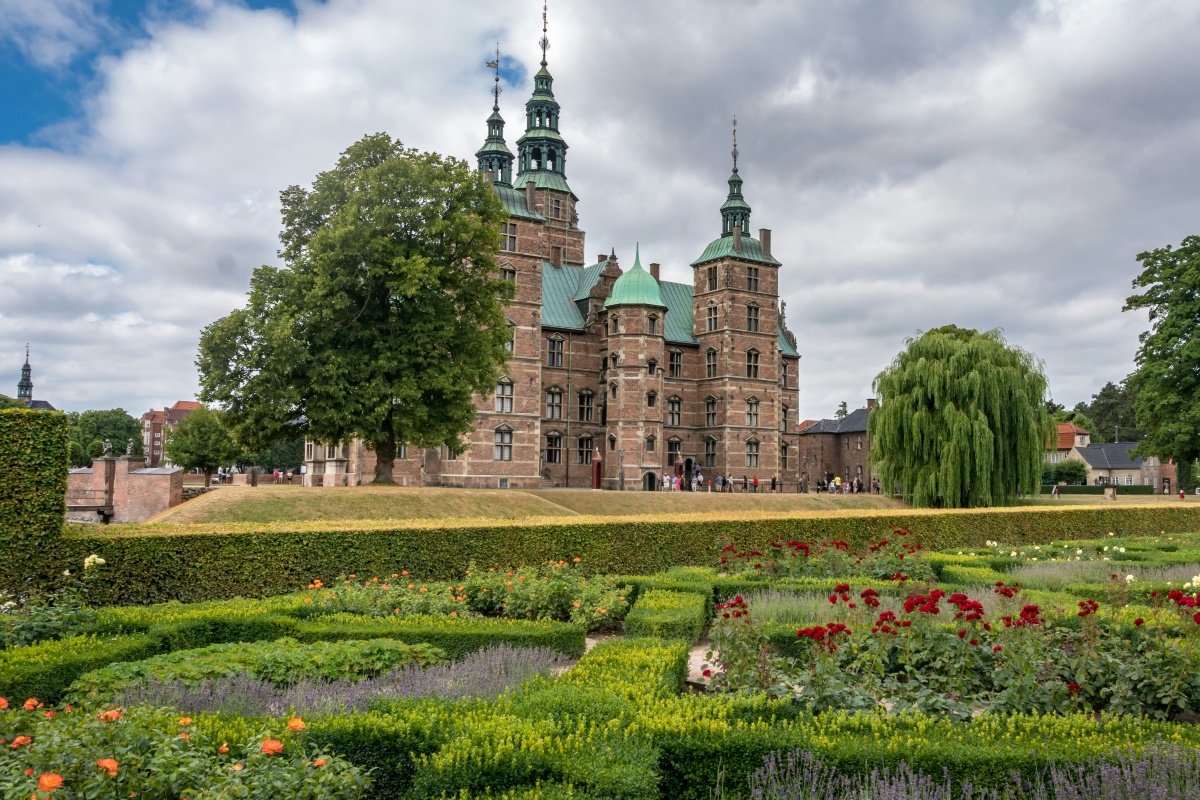
The afternoon transitions into the historical core with a visit to Rosenborg Castle. Commissioned in 1606 by King Christian IV—one of Denmark’s most ambitious Renaissance monarchs—the red-brick Dutch Renaissance fortress served as a royal residence before functioning as a secure repository for the Danish crown jewels. Situated within the King’s Garden (Kongens Have), the oldest royal garden in the country, the estate offers expansive lawns for children to decompress.
Concluding the first day, families frequently pass through the National Museum of Denmark (Nationalmuseet). While the institution houses an extensive collection of Viking artifacts, runestones, and medieval ecclesiastical art, visitors should note that its major interactive Children’s Museum is undergoing an extensive infrastructural overhaul, with a scheduled reopening set for the summer of 2027.
Day 2: Literary Harbors, Royal Residences, and Modern Waterfronts
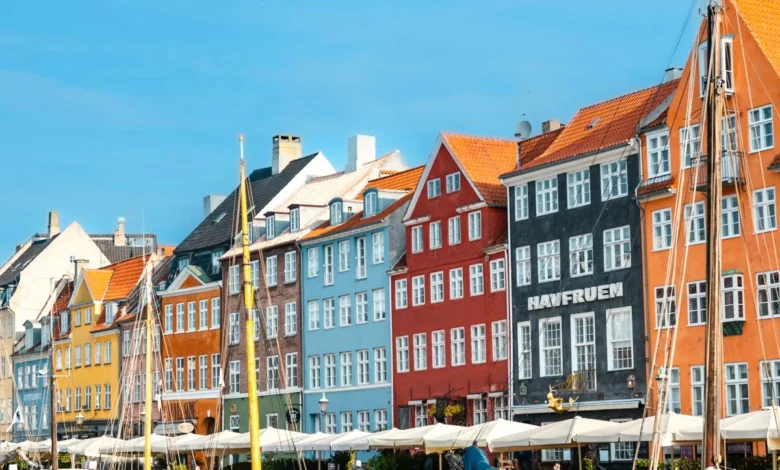
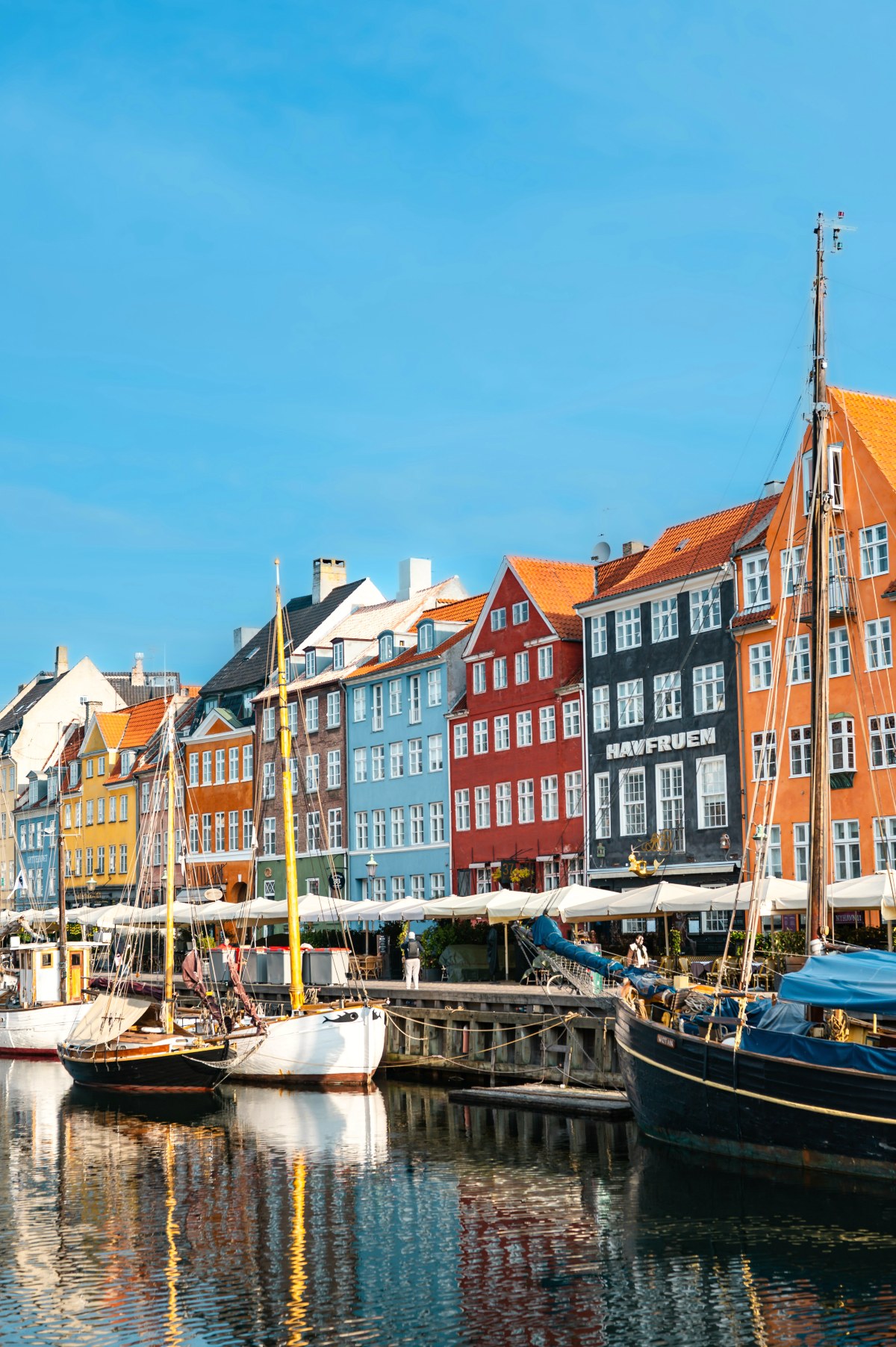
The second day commences at Nyhavn (New Harbour), the 17th-century waterfront district originally constructed under the direction of King Christian V between 1670 and 1673 to facilitate merchant shipping into the city center. Today, the canal is defined by its brightly colored 17th- and 18th-century townhouses. Literary history is deeply embedded in the cobblestones here: Hans Christian Andersen lived at several addresses along the canal, penning foundational fairy tales such as The Princess and the Pea while residing at number 20.
Crossing the harbor via the Inderhavnsbroen (Inner Harbour Bridge)—a pedestrian and bicycle drawbridge opened in 2016—brings visitors to Amalienborg Palace. Comprising four identical classical-style palace façades arranged around an octagonal courtyard, Amalienborg serves as the winter residence of the Danish royal family. Travelers frequently schedule their arrival to coincide with the midday changing of the Royal Guard, a ceremonial march that departs from Rosenborg and culminates at the palace square at precisely 12:00 PM. Observers note a helpful local heuristic: the presence of specific royal flags flying above the pavilions indicates which members of the royal family are currently in residence.
For lunch, families can cross back over the harbor to Broens Street Food, an outdoor culinary market situated on the Christianshavn waterfront. Operating seasonally, the market brings together street food vendors representing diverse global cuisines, offering an egalitarian dining solution for multi-generational groups with divergent dietary preferences.
The afternoon often involves a pilgrimage to the Little Mermaid statue (Den Lille Havfrue) located at Langelinie. Sculpted by Edvard Eriksen and unveiled in 1913, the bronze figure commemorates Hans Christian Andersen’s tragic fairy tale. Urban planners and local tourism officials routinely advise tempering expectations regarding the monument: standing at just 1.25 meters tall and situated along a working cruise ship pier, the statue can feel underwhelming to travelers accustomed to monumental statuary. A more rewarding approach involves viewing the statue as a minor waypoint during a broader stroll through the adjacent Kastellet, a remarkably well-preserved 17th-century fortress designed in the shape of a pentagonal star.
Day 3: Amusement Heritage and Aquatic Leisure
The final day of a standard short break typically bifurcates based on weather conditions and familial preferences: a full-day immersion in Tivoli Gardens or a relaxed afternoon at a municipal harbor bath.
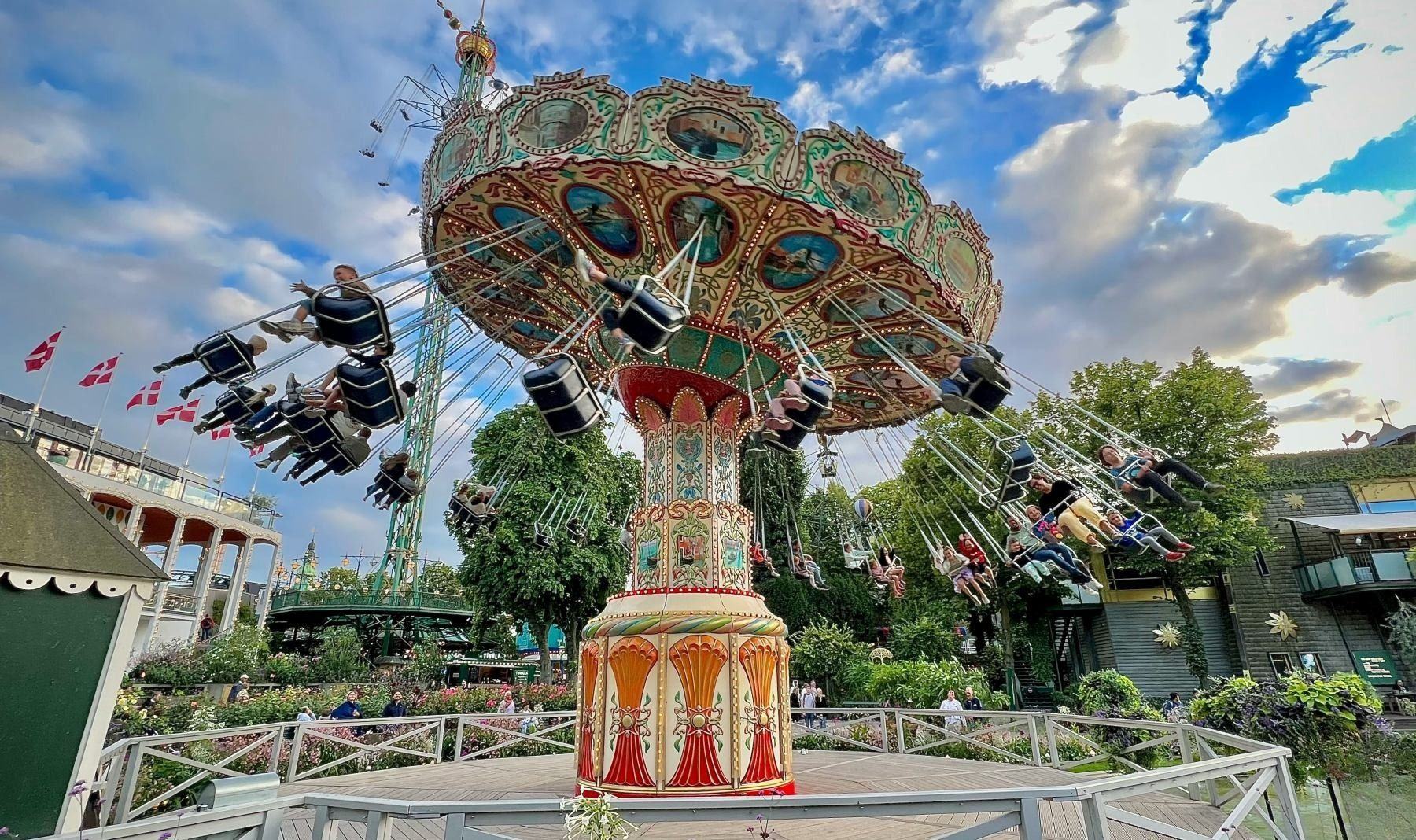
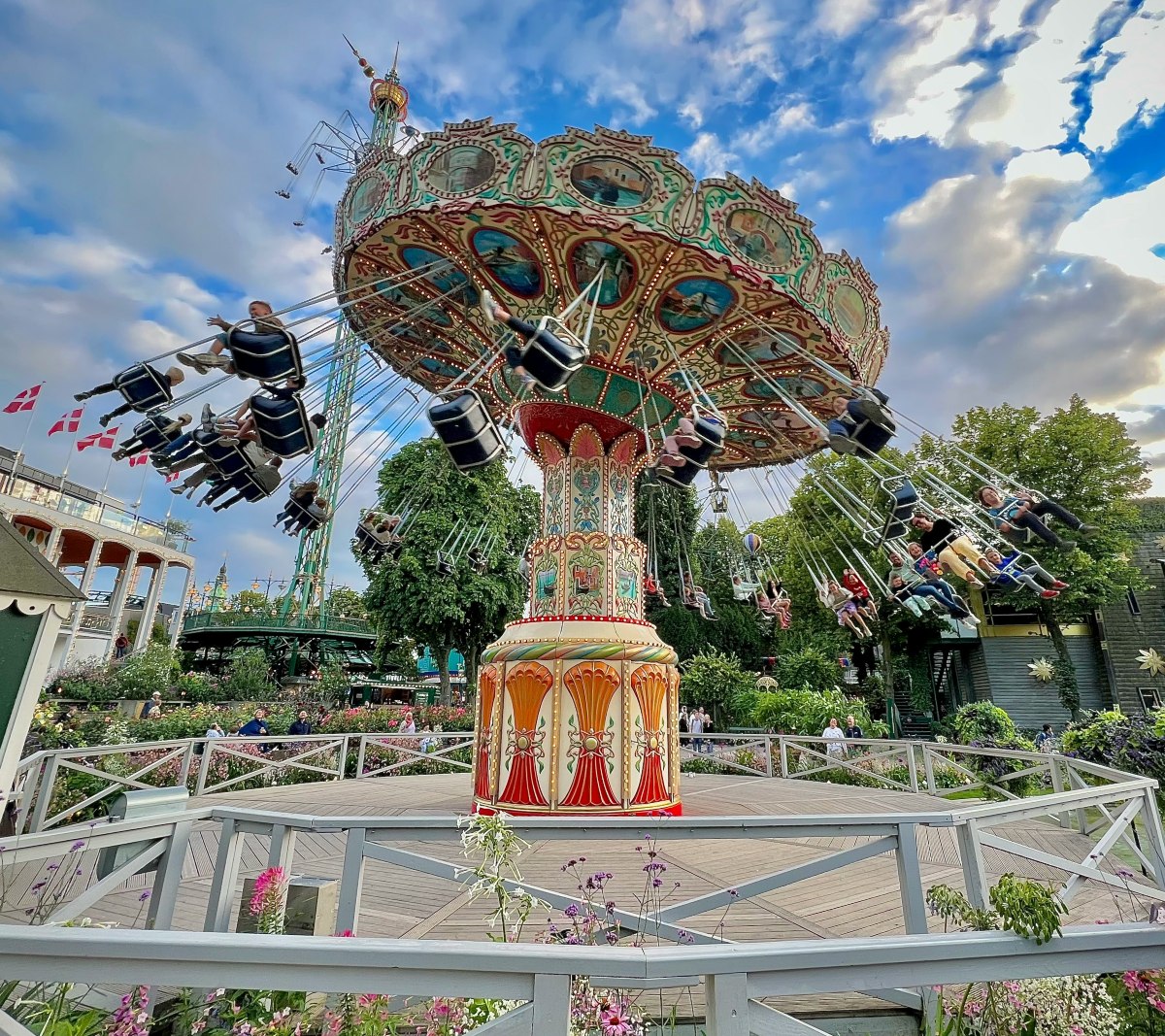
Opened in August 1843, Tivoli Gardens is the second-oldest operating amusement park in the world (preceded only by Bakken, located further north). Historical accounts indicate that Walt Disney visited the property extensively prior to conceptualizing Disneyland, drawing inspiration from its landscape architecture, exotic open-air stages, and harmonious integration of gardens and mechanical rides. The park features a blend of vintage and modern attractions, highlighted by the Rutschebanen, a wooden roller coaster built in 1914 that remains one of the few coasters worldwide still operated by a brakeman riding onboard each train. Tivoli operates on a seasonal schedule—primarily open during summer, Halloween, and Christmas periods—requiring advance calendar verification.
In contrast, if weather permits and a lower-key itinerary is desired, families frequently join locals at the Islands Brygge Harbour Bath. Opened in 2002, this municipal facility transformed a previously industrial harbor zone into a series of clean, lifeguarded swimming pools directly in the city center. Water quality in Copenhagen’s harbor is continuously monitored, supported by an advanced wastewater treatment infrastructure that prevents sewage overflow into the inner channels.
Supporting Data and Urban Infrastructure
Copenhagen’s appeal to families is underpinned by deliberate municipal policies and demographic data. According to municipal statistics, more than 62% of Copenhagen’s citizens commute to work or education via bicycle daily, supported by over 400 kilometers of separated cycle tracks. For families, this translates into an urban environment where pedestrian safety is heavily prioritized through traffic-calming measures, lowered speed limits in residential zones, and extensive car-free corridors.
Furthermore, green space allocation is a pillar of the city’s master plan. The municipality mandates that all residents live within a 15-minute walk of a park or natural recreational area. This commitment to urban ecology ensures that children have continuous access to public playgrounds, which in Copenhagen are frequently designed by contemporary landscape architects using natural materials, undulating topography, and innovative play structures that eschew generic plastic equipment in favor of creative, open-ended play environments.
Official Responses and Tourism Implications
Tourism authorities in Denmark have increasingly pivoted toward family and sustainable tourism models, moving away from hyper-tourism strategies observed in other European capitals. In statements released by Wonderful Copenhagen, the regional destination management organization, officials emphasize the promotion of "localhood"—encouraging visitors to explore neighborhoods outside the historic center, such as Vesterbro, Nørrebro, and Christianshavn, to disperse visitor density and distribute economic benefits more evenly across the metropolitan area.
The economic implications of this family-focused strategy are notable. While Copenhagen is widely categorized as an expensive destination due to high living standards and taxation models, the city offers substantial value through extensive free public park access, subsidized museum entry for children under 18 at most national institutions, and a robust transit network where up to two children under age 12 travel free when accompanied by a paying adult.
Extended Itineraries: Options for Additional Days
Travelers allocating more than 72 hours to the Danish capital have access to an expanded radius of cultural and historical sites:
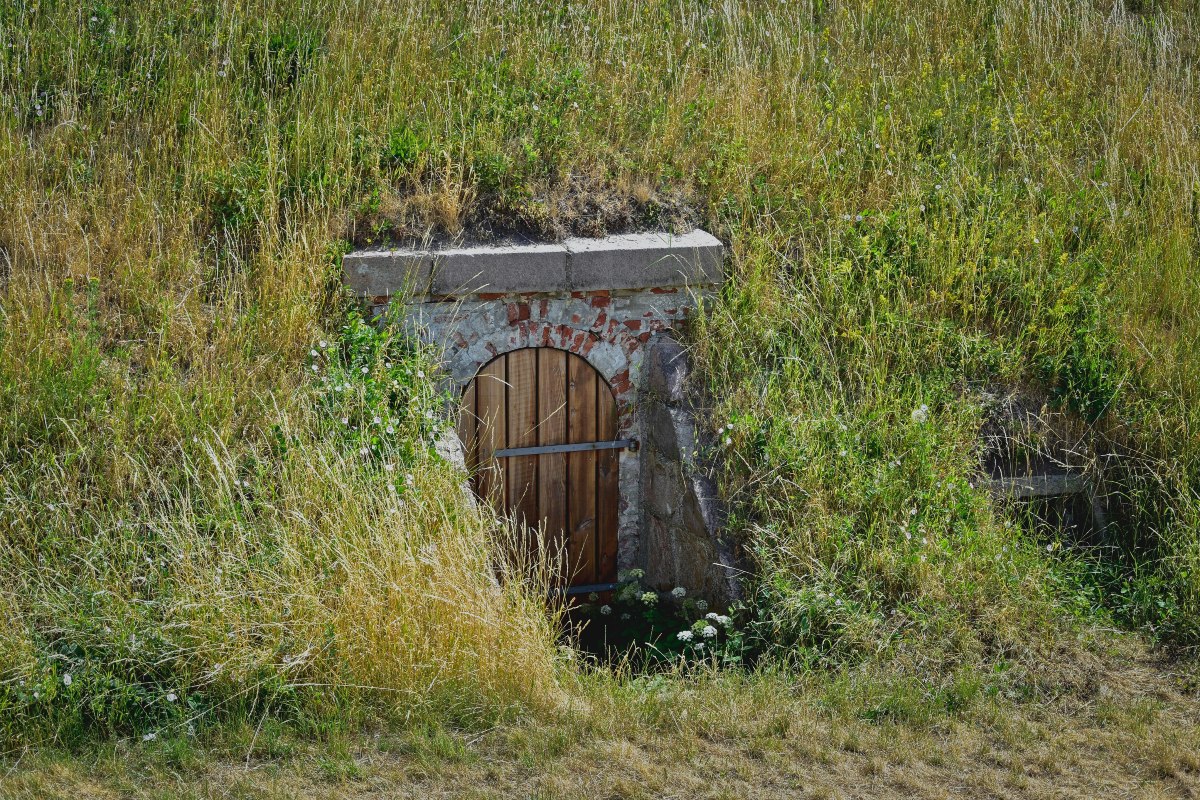
- The Open-Air Museum (Frilandsmuseet): Located north of the city, this 80-acre living history museum ranks among the oldest and largest open-air museums globally, featuring more than 50 authentic rural buildings—farmhouses, mills, and workshops—relocated from across Denmark and southern Sweden, staffed by costumed interpreters depicting life between 1650 and 1940.
- Kronborg Castle: Situated in Elsinore (Helsingør), approximately a 45-minute train ride north of Copenhagen, this UNESCO World Heritage Site served as the real-world inspiration for Elsinore in Shakespeare’s Hamlet. The fortress commands strategic views across the Øresund strait toward Sweden and features extensive underground casemates where children can explore dark, vaulted stone passageways.
- Bakken and Dyrehaven: Operating since 1583, Dyrehavsbakken is the world’s oldest operating amusement park. Located within the Dyrehaven (Deer Park) forest—where hundreds of wild fallow deer roam freely—Bakken offers free park admission with pay-per-ride ticketing, offering a more traditional, carnival-style atmosphere than Tivoli Gardens.
- The Louisiana Museum of Modern Art: Located further north along the coast in Humlebæk, this institution is internationally lauded for its seamless integration of modern art, modernist architecture, and sculpture-filled seaside gardens that directly engage young visitors.
- The Experimentarium: Situated in the northern suburb of Hellerup, this science center offers multi-story, hands-on exhibits exploring physics, human biology, and sensory perception, designed specifically to encourage interactive experimentation for school-age children.
- Cross-Border Excursion to Malmö, Sweden: The construction of the Øresund Bridge in 2000 physically united Denmark and Sweden via a combined motorway and rail link. Travelers can board a regional train from Copenhagen Central Station and arrive in Malmö, Sweden’s third-largest city, within 35 minutes, effectively enabling a two-country vacation within a single afternoon. Passport checks, while variable depending on current EU border regulations, must be accounted for when crossing international jurisdictions.
Broader Impact and Concluding Analysis
Copenhagen’s sustained success as a family travel destination highlights a broader trend in European urban tourism: the growing preference for cities that prioritize environmental sustainability, pedestrian mobility, and cultural accessibility over sheer monumental scale. By maintaining rigorous water quality standards in its harbor, investing heavily in public architectural and recreational infrastructure, and preserving a cultural landscape deeply tied to folklore and design, the Danish capital has engineered an urban model that accommodates the pragmatic needs of parents while stimulating the intellectual and recreational curiosity of children.
As urban centers globally grapple with balancing tourism growth against resident liveability, Copenhagen’s integrated approach offers a functional blueprint for how a historic European capital can successfully welcome multigenerational travelers without compromising its domestic identity or ecological integrity.