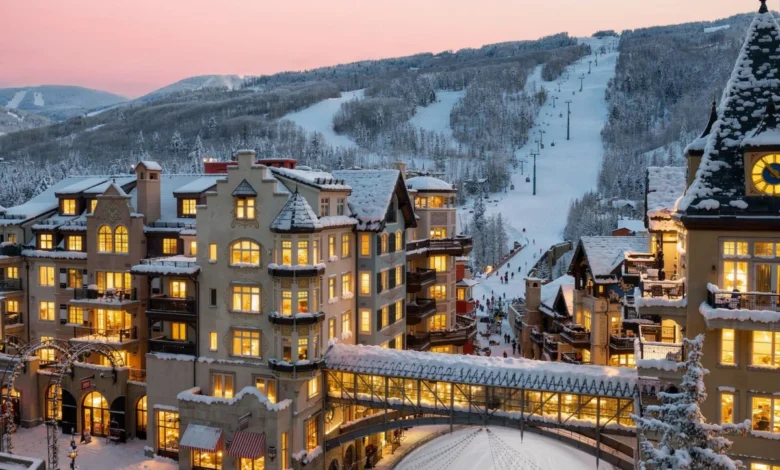
The modern landscape of winter sports has been fundamentally reshaped by the consolidation of ski resorts into massive corporate portfolios, a trend that has forced consumers to rethink their approach to lift access. Today’s ski passes generally fall into one of two categories: unlimited-access passes that reward frequency at a single home mountain or a small cluster of resorts, and “days-per-resort” passes that prioritize geographic range and destination exploration. Choosing the right pass is no longer a simple matter of brand loyalty; it is a complex calculus of travel habits, budget, and desired mountain terrain.
The Evolution of the Ski Pass Market
The current state of the industry is the result of a decade-long consolidation phase. The Epic Pass, operated by Vail Resorts, and the Ikon Pass, managed by Alterra Mountain Company, have transformed from simple loyalty programs into essential tools for the modern skier. Their rise pushed smaller players, such as the Mountain Collective and the Indy Pass, to carve out niche identities.
The Mountain Collective, which launched in 2012, has maintained a deliberate, anti-conglomerate strategy. For the 2026-27 season, the pass covers 27 resorts, offering two days at each partner and 50 percent off subsequent lift tickets. This structure serves the "trip-based" skier who prefers to spend their winter traveling to different destinations rather than repeating the same runs at a single local hill. Conversely, the Indy Pass has captured the market for those who prefer smaller, independent resorts, offering access to over 300 locations.
Financial Implications and Cost-Benefit Analysis
The primary driver of pass selection is the cost-per-day threshold. A full Epic Pass, if used for five days, equates to roughly $229 per day, which is comparable to, or slightly lower than, a standard walk-up window ticket at major resorts. However, when used for 20 days or more, the daily cost drops significantly, offering immense value for frequent skiers.
Data indicates that the break-even point for most multi-resort passes is between four and six days of skiing. With daily walk-up lift tickets at premier destination resorts now trending toward $350 or more during peak holiday windows, the upfront investment in a pass is often recouped by the end of a single long weekend.
Todd Burnette, CEO of the Mountain Collective, characterizes his product as a logistical solution for destination travelers. “One pass, a whole season of trips,” Burnette stated, emphasizing that the pass is designed to pay for itself during a single excursion to a high-density ski region, such as Salt Lake City, where a traveler can hit Snowbird, Alta, and Snowbasin in one trip.
Regional Comparison and Strategic Selection
For those choosing between the primary pass products, the decision often hinges on proximity to "home" mountains.
The Ikon Pass (Alterra Mountain Company)
The Ikon Pass is designed for the skier with an Alterra-owned resort in their backyard. With a price point of approximately $1,529 for the full adult pass, it provides unlimited access to flagship properties like Steamboat, Winter Park, Palisades Tahoe, Mammoth, and Deer Valley. The strategic value of Ikon lies in its inclusion of prestigious partner resorts, such as Aspen Snowmass and Sun Valley. It is an ideal choice for the dedicated enthusiast who spends 15 or more days per season at their local mountain.

The Epic Pass (Vail Resorts)
The Epic Pass remains the dominant force for the Summit County, Tahoe, and Park City regions. Priced at $1,169 for adults, the pass includes unlimited access to Vail, Beaver Creek, Breckenridge, Keystone, and Whistler Blackcomb. Recent shifts in pricing, including a 20 percent discount for Gen Z skiers, indicate an attempt by Vail Resorts to capture a younger demographic and ensure long-term brand loyalty.
The Independent and Niche Players
The Indy Pass and the Power Pass cater to a different demographic—those who prioritize smaller crowds and a more rustic, independent experience. The Indy Pass, which limits its footprint to independent ski areas, has faced supply constraints, selling out its initial allocation in under an hour last spring. This scarcity highlights a growing segment of the market that is actively seeking an alternative to the crowded slopes of major corporate resorts.
Strategic Planning for the 2026-27 Season
The 2026-27 season brings new infrastructure and access changes that should influence buyer behavior. Sun Valley, for instance, is introducing two high-speed lifts—the Lookout Express and a new Christmas quad—designed to drastically reduce transit times on Bald Mountain. Such investments enhance the value of passes that include Sun Valley, such as the Mountain Collective and Ikon.
For international travelers, the geographic diversity of the Mountain Collective has become a primary selling point. By including Niseko United in Japan, Chamonix in France, and various resorts in Australia, New Zealand, and Chile, the pass facilitates year-round skiing. This global reach is a strategic pivot to address the seasonality of the industry.
The "Hybrid" Approach
Industry analysts increasingly suggest a "hybrid" strategy for the most dedicated skiers. Many are opting to purchase a smaller, budget-friendly pass for their home mountain while utilizing a secondary, trip-oriented pass for destination travel. This allows for the consistency of local training while providing the flexibility to chase storms or visit high-profile, distant resorts.
For example, a skier in the Northeast might hold a local mountain season pass to maximize their time on the slopes after work, while carrying a Mountain Collective or Indy Pass to facilitate a week-long trip to the Rockies or the Pacific Northwest. This approach effectively mitigates the risk of relying on a single resort, which can be vulnerable to poor weather, localized drought, or overcrowding.
Impact on the Industry and Future Trends
The consolidation of the ski industry has had a profound impact on local economies. Small, independent resorts that join networks like the Indy Pass often see a significant uptick in destination traffic, which in turn fuels local lodging and dining sectors. However, this shift also places immense pressure on infrastructure. Resorts are responding by implementing reservation systems—as seen at Jackson Hole and Taos—to manage capacity and preserve the quality of the skiing experience.
The financial data is clear: the era of the spontaneous, full-price ticket is effectively over. For the modern skier, the "best" pass is determined by a rigorous audit of one’s own habits. If you are a resident of a major ski hub, an unlimited pass is an essential utility. If you are a traveling enthusiast, the "days-per-resort" model offers a superior return on investment. As the industry continues to evolve, the distinction between these two groups will only sharpen, making the initial research phase of the season as critical as the skiing itself.
Ultimately, the goal for any passholder should be to align their purchase with their intent. Whether it is chasing 500-inch snow years at Grand Targhee or enjoying the illuminated, night-skiing runs at Bromont, the current market offers a tailored solution for every style of skier—provided they are willing to navigate the complex landscape of corporate partnerships and regional restrictions.