The landscape of American quick-service dining and coffee culture continues to undergo a rapid transformation, characterized by modernized store designs, enhanced customer experiences, and technological integration. A prime example of this evolution opened its doors in the suburban community of Chandler, Arizona, marking a significant milestone for the globally recognized brand formerly known as Dunkin’ Donuts. Located at 4225 S. Gilbert Road—between Chandler Heights and Ocotillo roads—this establishment represents the debut of Dunkin’s innovative "Next Generation" store concept in the Grand Canyon State. Combining sleek architectural elements with cutting-edge beverage technology and customer-centric design, the Chandler location offers a glimpse into the future of fast-casual dining.
Main Facts and Location Overview
The Chandler-based Next Generation restaurant is engineered to redefine how consumers interact with a traditional coffee and donut chain. Spanning a thoughtfully optimized footprint, the location abandons the conventional, compartmentalized layouts of older corporate prototypes in favor of an open-concept, highly energetic interior. Natural lighting pours through expansive storefront windows, illuminating a contemporary color palette and modern seating arrangements designed to accommodate both quick-service patrons and remote professionals.
Beyond aesthetics, the facility introduces several operational efficiencies. The store integrates digital ordering kiosks, a dedicated mobile pick-up area, and an innovative tap system for beverages. Operating alongside a traditional drive-thru lane for maximum convenience, the indoor environment merges the ambiance of an urban specialty coffee shop with the speed and accessibility expected from a nationwide franchise.
Chronology of the Brand’s Modernization Strategy

The rollout of the Next Generation concept in Arizona did not happen overnight; it is part of a multi-year, nationwide modernization campaign initiated by parent company Dunkin’ Brands Group, Inc. The corporate rebranding strategy officially took shape in January 2019, when the company officially dropped "Donuts" from its primary storefront signage and marketing materials, emphasizing its identity as a beverage-led, on-the-go brand.
The Chandler franchise serves as the vanguard of this strategy in the Southwest. Planning and construction for the Gilbert Road facility began months prior to its early 2019 opening, reflecting a substantial capital investment by local franchise operators. The launch served as a testing ground for the brand’s newest technological and architectural assets in a booming desert metropolitan market, setting a benchmark for subsequent franchise retrofits and new builds across Arizona.
Beverage Innovation: The Tap System and Nitro Coffee

Central to the Next Generation concept is a complete reinvention of how beverages are served. Eschewing traditional behind-the-counter preparation exclusively, the Chandler store features a prominent, innovative tap system reminiscent of modern craft brewery taprooms.
With a simple pull of a handle, baristas can rapidly pour cold beverages on tap, ranging from standard iced coffees and teas to premium specialty options. This draft system not only accelerates service times during peak morning rushes but also alters the texture and flavor profiles of the beverages. Among the most notable additions to the menu is Nitro Coffee. Infused with pressurized nitrogen gas, the nitro brew pours with a cascading, micro-foamed head that yields a naturally creamy mouthfeel without the addition of dairy or sweeteners.
Industry analysts note that introducing nitro-infused beverages to a high-volume, quick-service environment bridges the gap between artisanal third-wave coffee roasters and mass-market convenience. Consumer reception in Chandler indicated that even traditional coffee drinkers who typically rely on heavy cream and sugar found the black nitro brew palatable due to its inherent smoothness, highlighting a successful product formulation tailored to changing consumer palates.

Enhanced Customer Experience and Front-End Donut Merchandising
Operational workflow and customer engagement have also been systematically restructured within the Next Generation framework. One of the most prominent modifications is the relocation and redesign of the bakery display.
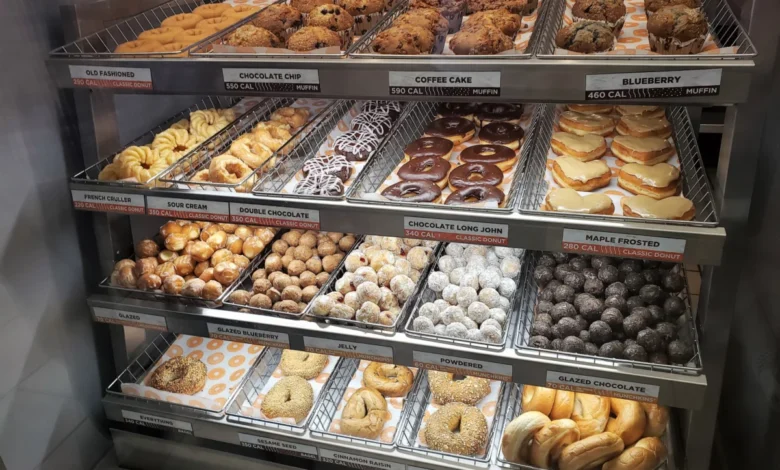
In legacy store layouts, pastries were typically housed behind a high counter, requiring customers—particularly parents with young children—to point, guess, and communicate across a physical barrier to select items. The new concept features a low-profile, forward-facing bakery case positioned directly within the customer’s line of sight. This transparency empowers patrons, including children, to clearly view and identify products independently. By streamlining the selection process, the layout reduces transactional friction at the point of sale, thereby improving overall throughput during high-traffic periods.

Furthermore, the physical environment inside the Chandler store has been tailored to accommodate the modern remote workforce. Recognizing that contemporary coffee shops function as decentralized offices, the facility incorporates ample seating options ranging from communal work tables to individual lounge chairs. Crucially, every table is equipped with integrated electrical outlets and USB charging ports, addressing a primary pain point for remote workers, students, and mobile professionals who rely on uninterrupted device connectivity. Combined with high-speed complimentary Wi-Fi, these amenities transform a quick-service stop into a viable workspace.
Official Responses and Corporate Objectives
Executives and franchise representatives have framed the Next Generation store design as a strategic necessity to maintain a competitive edge in an increasingly crowded beverage and breakfast market. While specific financial disclosures for the Chandler franchise remain private, corporate performance reports following the broader rollout of the Next Generation store design highlighted increased guest traffic, elevated average ticket sizes, and positive brand sentiment across modernized markets.

Corporate spokespersons have repeatedly emphasized that the redesign aims to honor the brand’s heritage while aggressively pivoting toward beverage-forward trends, such as espresso-based drinks, cold brew, and specialized teas. The integration of digital infrastructure—including mobile order-ahead capabilities and digital menu boards—reflects a corporate commitment to reducing wait times and capturing digital-first consumers.
Broader Impact and Market Implications
The launch of Arizona’s first Next Generation Dunkin’ in Chandler carries broader implications for commercial real estate, urban planning, and retail food service trends within the Phoenix metropolitan area. As suburban corridors like Chandler continue to experience rapid population growth and demographic shifts toward younger, tech-savvy professionals, commercial establishments must adapt to evolving consumer expectations.

The success of the Gilbert Road location demonstrates that quick-service brands can successfully borrow design philosophies traditionally reserved for boutique cafes—such as minimalist interiors, abundant natural light, and workspace-friendly amenities—without sacrificing the speed and accessibility that define the fast-food sector. This blurring of lines between specialty coffee houses and high-volume chains is expected to influence future commercial developments throughout the region.
As other legacy brands evaluate their physical footprints in response to changing consumer habits—accelerated by demands for seamless digital integration, touchless service options, and comfortable third-space environments—Dunkin’s Chandler prototype serves as a case study in effective modernization. Whether consumers are stopping by for a quick, professionally crafted latte via the drive-thru, utilizing the high-speed Wi-Fi and table chargers for remote work, or simply selecting a pastry from the accessible front-end display, the Next Generation concept illustrates how legacy brands can successfully reinvent themselves for a new era of retail dining.
Related posts: