The Ultimate Marrakech Hammam Guide: First-Timer Tips, Costs, Etiquette, and What to Expect


The
traditional Moroccan hammam remains a cornerstone of daily life and cultural heritage in Marrakech, balancing centuries-old public bathhouse traditions with modern luxury wellness treatments. As international tourism to Morocco continues to surge, understanding the nuances of the hammam experience—from navigating neighborhood public steam rooms to booking high-end spa packages—has become essential for travelers seeking authentic cultural immersion alongside relaxation.
Historical Context and Cultural Significance
The Moroccan hammam traces its architectural and social roots back to the Roman and Byzantine bath traditions, adapted and refined through Islamic culture, which places a high premium on ritual purity and hygiene. Historically, before private plumbing became standard in residential homes, every neighborhood within the Marrakech medina featured a public bathhouse strategically positioned adjacent to the local mosque, community bakery, and water fountain.
Beyond hygiene, these public spaces served as vital social hubs, particularly for women, who gathered weekly to converse, arrange marriages, and share community news. This communal function persists today, as many Marrakchis maintain weekly visits to their local bathhouses.
Furthermore, the operational mechanics of traditional hammams are deeply intertwined with local gastronomy. The heat required to warm the massive underground furnaces of neighborhood bathhouses is traditionally utilized to slow-cook the iconic Marrakech dish tangia—a beef stew prepared in a sealed clay urn left overnight in the wood embers of the hammam fire. This symbiotic relationship between local cuisine and public bathing underscores the profound integration of the hammam into the fabric of daily urban life.
The Modern Hammam Landscape: Public vs. Spa Bathhouses
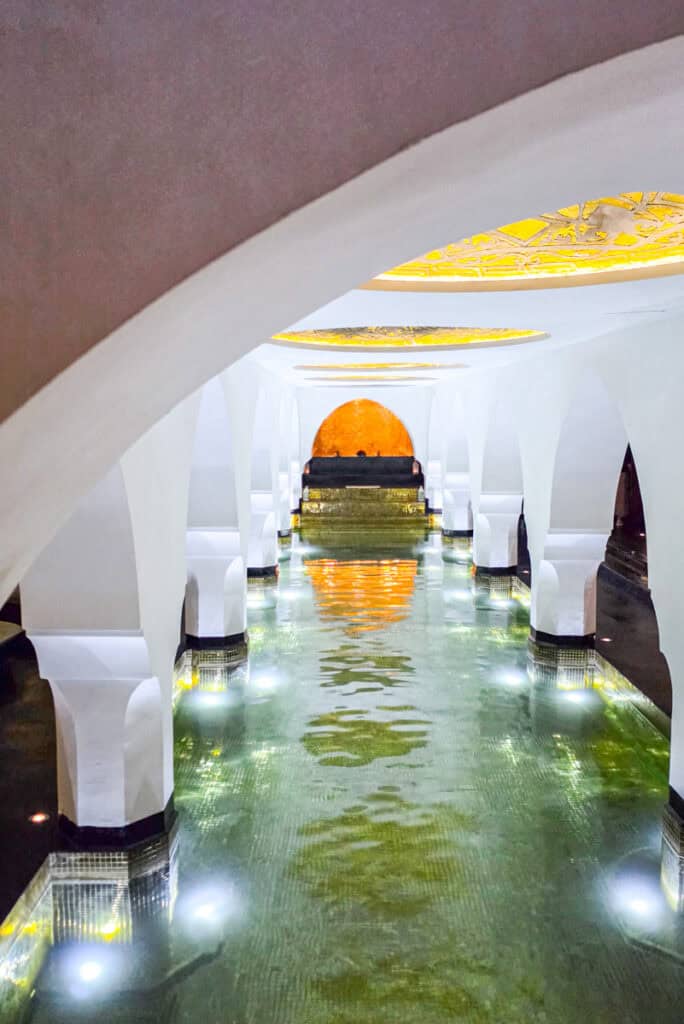
Visitors to Marrakech generally choose between two distinct types of hammams: neighborhood public bathhouses utilized by locals and private spa hammams housed within traditional riads and boutique hotels. While the core therapeutic ritual remains consistent, the environment, pricing, and service models differ significantly.
Public Neighborhood Hammams
- Demographic: Primarily local residents operating under strict gender-segregated schedules.
- Pricing: Entry typically ranges from 10 to 20 Moroccan Dirhams (MAD), with additional fees of 50 to 100 MAD for an attendant-assisted scrub.
- Supplies: Patrons must bring their own supplies, including traditional black olive-oil soap (savon noir), a rough exfoliating mitt (kessa), a small bucket, seating mats, flip-flops, towels, and a change of clothes.
- Experience: Highly authentic, participatory, and labor-intensive for the visitor.
Private Spa Hammams
- Demographic: International tourists and visitors booking advance appointments.
- Pricing: Ranging from 750 to 1,400 MAD for comprehensive packages that often include massages and specialized treatments.
- Supplies: Fully provided, including disposable undergarments, premium botanical products, robes, and towels.
- Experience: Fully guided by professional attendants, offering a higher degree of privacy and comfort suited for first-time visitors.
Step-by-Step Anatomy of a Hammam Ritual
Whether experienced in a bustling neighborhood bathhouse or a serene riad spa, the traditional hammam protocol follows a precise chronological sequence designed to cleanse the skin and relax the musculature.
- The Acclimation Phase (Steam Room): Patrons enter a heated, steam-filled chamber to allow the pores to open and the body to perspire.
- The Cleansing Application: An attendant applies a generous layer of traditional black olive-oil soap (savon noir), a gel-like substance rich in Vitamin E, which prepares the epidermis for exfoliation.
- The Exfoliation (Kessa Scrub): Using a textured kessa mitt, the attendant vigorously scrubs the body to remove accumulated dead skin cells and impurities. This step requires physical exertion and friction.
- The Comprehensive Rinse: The body is thoroughly rinsed with warm water, often accompanied by traditional hair washing and conditioning using local botanical products.
- Post-Treatment Relaxation: Patrons traditionally conclude the session in a relaxation area, consuming fresh Moroccan mint tea to rehydrate.
Optimal Scheduling and Treatment Sequencing
Wellness experts and experienced travelers recommend careful planning regarding the timing and sequencing of spa treatments. For optimal physiological benefit, experts advise scheduling the hammam prior to receiving a massage. The high heat, intense friction, and vigorous exfoliation of the kessa scrub stimulate circulation and prepare the musculature, while a subsequent massage allows the body to relax deeply. Additionally, completing the hammam with its final rinse and shampoo ensures that the body is entirely free of soap residue and dead skin cells before dressing or moving on to subsequent activities.
In contrast, ending a spa session with a massage often leaves therapeutic oils on the skin and hair, necessitating an immediate shower upon returning to accommodation. Scheduling a hammam during the late afternoon also serves as an effective recovery method following strenuous physical activities, such as dawn hot-air balloon excursions over the Atlas Mountains or extensive walking tours through the medina’s labyrinthine souks.
Group Bookings and Etiquette Guidelines
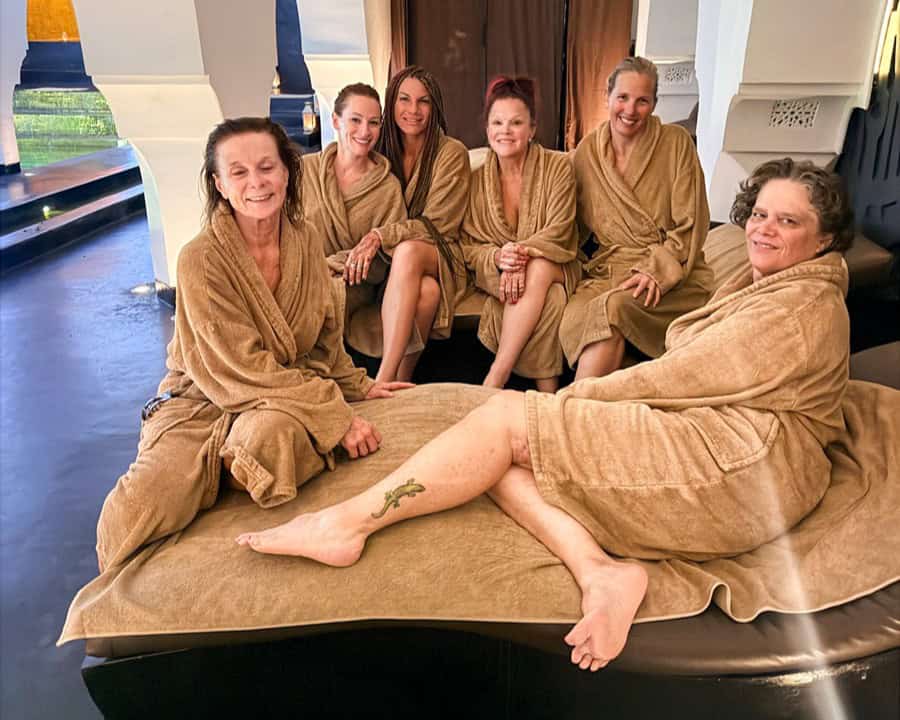
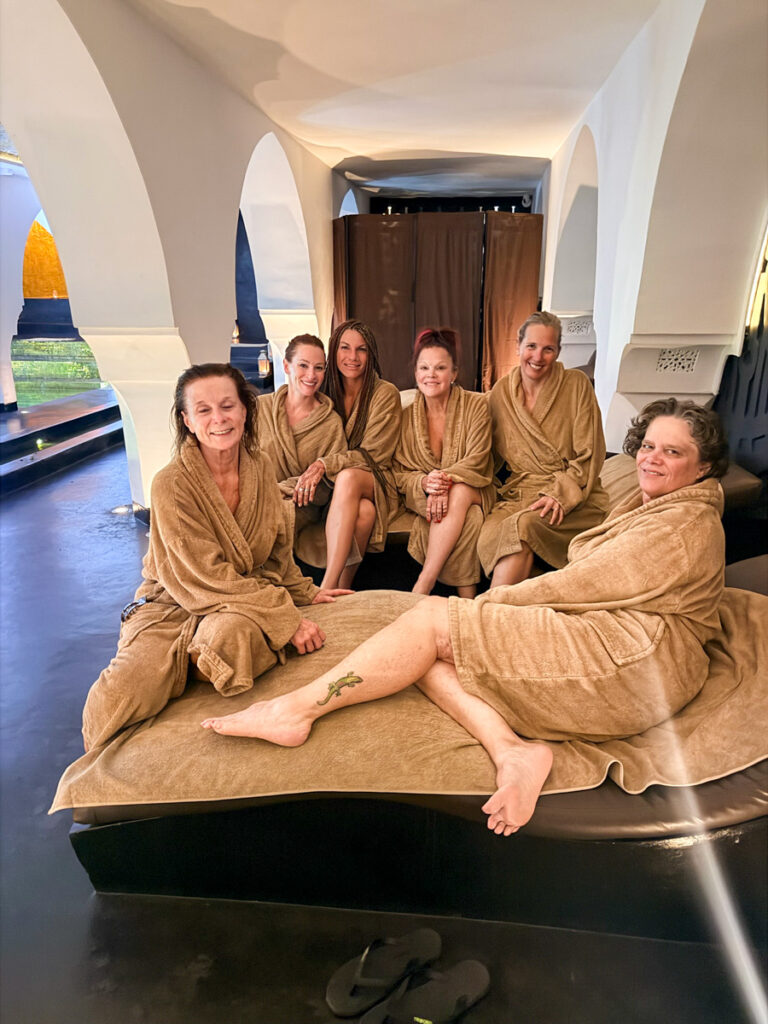
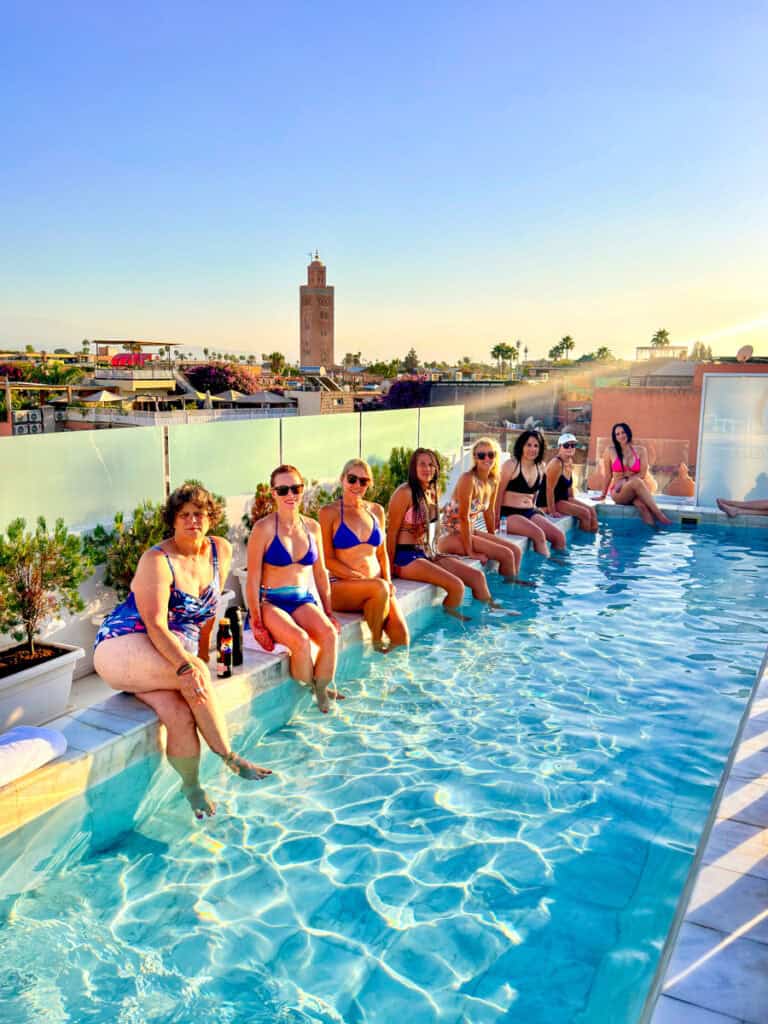
As Marrakech grows increasingly popular for group travel, wellness retreats, and guided tours, spa facilities have adapted to accommodate larger parties. Group bookings typically require advance coordination weeks ahead to ensure adequate staffing of attendants and therapists. Spas often split larger groups into rotations, alternating between hammam treatments and massages.
Cultural etiquette within the hammam environment requires adherence to specific norms:
- Attire: Nudity is standard practice, though participants traditionally wear disposable or personal undergarments. Attendants work respectfully around these garments during the scrub.
- Valuables: Jewelry, electronics, and precious items should be securely stored at the visitor’s accommodation prior to arrival.
- Demeanor: A respectful, quiet demeanor is maintained in public bathhouses, while private spas encourage a relaxed, communal atmosphere among travel companions.
Economic and Logistical Considerations for Travelers
For travelers planning a visit as of late 2026, booking a private spa package requires direct communication via official websites, email, or messaging platforms such as WhatsApp. Major establishments, such as Riad Elisa & Spa located in the Laksour neighborhood of the medina, require advance confirmation for non-guest appointments, with prices reflecting comprehensive packages that combine traditional scrubbing with aromatherapy or therapeutic massages.
As tourism infrastructure in Morocco continues to modernize, the preservation of the hammam tradition highlights the destination’s ability to merge ancient cultural heritage with contemporary wellness tourism. Whether chosen for its historical significance in a public neighborhood bath or its restorative benefits in a luxury riad, the Moroccan hammam remains an irreplaceable component of any comprehensive travel itinerary through North Africa.