Amsterdam, often globally recognized for its vibrant nightlife and historic canals, has increasingly become a premier destination for international families seeking a blend of cultural enrichment and accessibility. While the city’s reputation often centers on its adult-oriented attractions, recent urban planning initiatives have transformed the Dutch capital into one of the most family-friendly metropolitan areas in Europe. Data from the Amsterdam Tourism Board indicates a consistent year-over-year increase in family-focused tourism, driven largely by the city’s extensive network of green spaces, museum infrastructure, and pedestrian-centric urban design.

Navigating the Dutch capital with a young child requires an understanding of both the city’s unique transit culture and its physical infrastructure. Amsterdam is characterized by its reliance on non-motorized transport; cyclists are the dominant force on city streets. For families, this necessitates high levels of situational awareness. Dedicated cycling paths, typically demarcated by red-tinted pavement or specific signage, are strictly for bicycle traffic. Tourists are advised to avoid walking or positioning strollers within these lanes, as the speed and volume of commuter cycling can pose significant safety risks.

For local families, the bakfiets—a cargo bicycle equipped with a secure front-facing box—serves as the primary vehicle for child transport. While renting a bakfiets is an option for visitors, it is frequently cited by rental agencies as a complex vehicle for those unaccustomed to its steering geometry. Most travel experts recommend opting for standard bicycle rentals fitted with industry-standard child safety seats, which provide a more stable experience for tourists navigating the city’s dense urban fabric.

The logistical framework of the city’s transit system is largely optimized for families. The Amsterdam Schiphol Airport, which processes over 70 million passengers annually, provides direct and efficient rail connectivity to the city center. This rail link is generally preferred over taxi transport for families with strollers, as the latter often lack standardized car seats, and the train offers significantly more floor space. For those prioritizing convenience, pre-arranged private transfer services, such as Welcome Pickups, have gained market share by offering the option to pre-book child-restraint systems, addressing a critical gap in traditional taxi services.

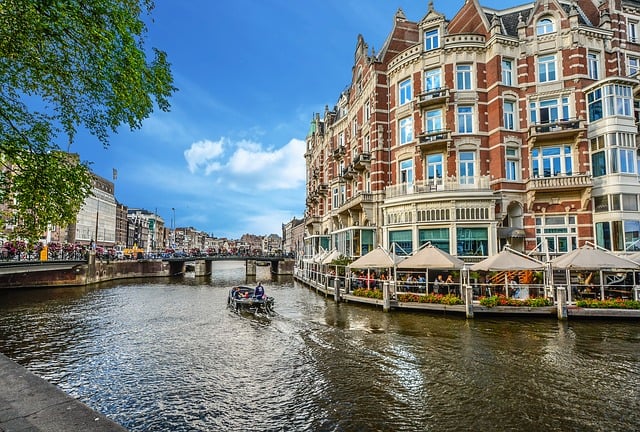
Within the city, public transit is remarkably accessible. The majority of tram and metro stations are equipped with elevators and level-boarding platforms, significantly easing the burden of transporting strollers. However, visitors should be cautioned regarding accommodation. Many of Amsterdam’s historic buildings, dating back to the 17th century, feature narrow, steep, and winding staircases, which often preclude the use of elevators. It is standard practice in many older hotels or canal-side guesthouses for staff to assist in storing strollers in ground-floor common areas, necessitating the use of portable, lightweight travel strollers and ergonomic baby carriers for upper-level navigation.

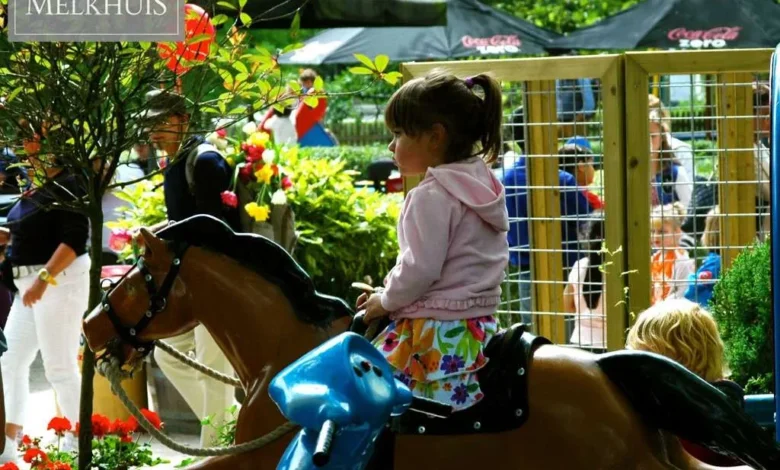
Beyond the logistics of transit, the city offers an extensive array of cultural and recreational activities tailored to younger demographics. The urban design of Amsterdam places significant emphasis on public parks, with Vondelpark serving as the crown jewel. Spanning 47 hectares, the park is not merely a green lung for the city but a hub for family activity. It features multiple dedicated playgrounds and the Groot Melkhuis, a café that has become a landmark for parents due to its integrated play areas and waterside seating.

Museum accessibility has also been a focal point of city planning. The Dutch museum sector has moved toward an interactive, multi-generational model. The NEMO Science Museum, located near the Central Station, is designed with a heavy emphasis on tactile learning and open, expansive spaces suitable for toddlers. Similarly, the National Maritime Museum and the Wereldmuseum cater to younger visitors with specific programming that encourages movement and exploration. Even institutions known for their rigid, high-culture focus, such as the Van Gogh Museum and the Anne Frank House, have adapted their visitor flow to accommodate families, though pre-booking timed entry remains a mandatory requirement for all visitors to ensure manageable crowd levels.

The economic feasibility of a family trip to Amsterdam is often bolstered by the I Amsterdam City Card. This municipal initiative offers a bundled service model that provides unlimited access to the GVB public transport network (trams, buses, and ferries) and free entry to major cultural sites. By centralizing the cost of transit and entertainment, the card serves as a primary planning tool for families looking to maximize their budget while exploring the city’s diverse neighborhoods.
Dietary habits and logistical needs for infants are well-catered to by the local retail market. The Dutch supermarket sector, dominated by the Albert Heijn chain, offers an extensive range of specialized infant formula, organic baby food, and high-quality hygiene products. These stores are ubiquitous, and the prevalence of pharmacies, such as Etos and Kruidvat, ensures that parents can source travel-essential supplies without needing to carry significant quantities from their home country.

Regarding accommodation, the selection of a neighborhood is the most significant factor in shaping a family’s experience. The Jordaan district is widely regarded as the optimal base for families; it offers a quieter atmosphere compared to the bustling Dam Square area, while remaining within walking distance of the primary museum district. The Leidseplein area serves as a secondary alternative, providing proximity to Vondelpark and a higher density of dining establishments equipped with high chairs and kid-friendly menus.

The dining culture in the Netherlands has also evolved to be highly inclusive of children. Establishments such as The Pancake Bakery on the Prinsengracht have become institutional favorites for families, offering traditional Dutch poffertjes—small, light pancakes. The prevalence of "family-friendly" dining is not limited to tourist hubs; it is an integrated aspect of Dutch hospitality, where restaurants frequently accommodate the presence of young children as a standard practice.

The long-term implication of these infrastructure and service improvements is a shift in Amsterdam’s demographic profile as a tourist destination. By lowering the barriers to entry for families, the city has successfully diversified its visitor base. This shift is supported by an active community of expatriate and traveling parents who utilize digital forums and social media groups to exchange real-time advice on navigating the city.

In summary, the transition from a city perceived as an adult-only destination to a family-inclusive metropolis has been achieved through a combination of thoughtful infrastructure investment and the utilization of existing urban assets. For parents considering a trip to the Netherlands, the combination of a highly efficient public transport system, a dense concentration of cultural education, and a retail environment that stocks essential baby supplies makes Amsterdam an increasingly viable and attractive destination. The success of this model offers a blueprint for other European capitals currently looking to balance the competing needs of historic preservation and modern family-friendly tourism.