Beyond the Beach: A Comprehensive Guide to Discovering the Dual-Nation Island of St. Maarten and St. Martin

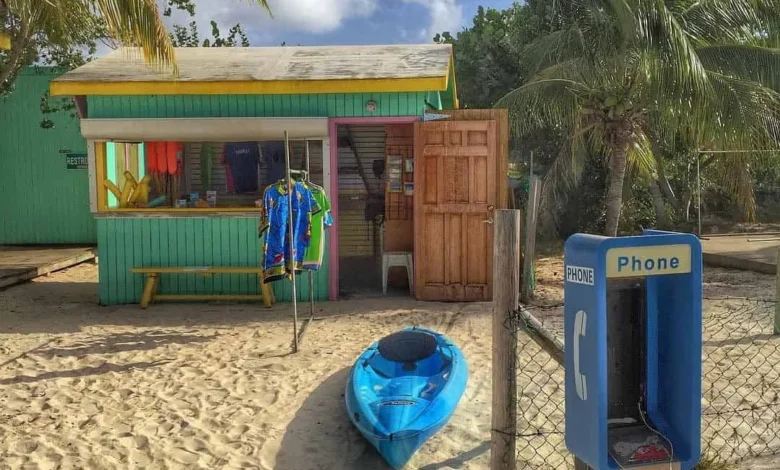
The Caribbean island of St. Maarten and St. Martin presents a unique geopolitical study: a 34-square-mile landmass divided into two distinct sovereign entities. To the south, the Dutch side, Sint Maarten, functions as an independent country within the Kingdom of the Netherlands, while the northern territory, Saint-Martin, is an overseas collectivity of the French Republic. This dual-nation status, established by the Treaty of Concordia in 1648, has created a cultural hybrid that serves as a major hub for tourism and maritime commerce, welcoming approximately 3.7 million visitors annually. While the island is internationally recognized for its white-sand beaches and turquoise waters, the modern traveler is increasingly looking past the shoreline toward a diverse range of activities that define the island’s complex historical and environmental landscape.

Historical Context and Geopolitical Significance
The island’s history is defined by its strategic value during the colonial era. Originally inhabited by Arawak and Carib peoples, the territory became a focal point of conflict between European powers due to its salt ponds and harbor potential. The 1648 border agreement remains one of the oldest in the world, allowing for the coexistence of two distinct legal and linguistic systems.

The implications of this division are profound for contemporary travelers. On the Dutch side, infrastructure is heavily influenced by North American development patterns, characterized by expansive resorts and a bustling cruise port in Philipsburg. Conversely, the French side adheres to European Union standards, resulting in stricter zoning regulations, a focus on culinary traditions, and a lower density of large-scale commercial development. Understanding this distinction is essential for navigating the island’s varied transit, currency, and regulatory environments.

Chronology of Modern Tourism Development
The transformation of the island into a tourism powerhouse gained significant momentum following the mid-20th-century aviation boom. The construction of Princess Juliana International Airport (SXM) on the Dutch side became a watershed moment, allowing for long-haul flights from Europe and North America. However, the island’s development trajectory has been punctuated by environmental challenges, most notably Hurricane Luis in 1995 and Hurricane Irma in 2017, which destroyed roughly 90% of the island’s infrastructure. The subsequent reconstruction efforts have forced a pivot toward more sustainable tourism models and a diversification of the visitor experience, shifting the focus from purely beach-centric leisure to adventure and cultural tourism.
Adventure and Maritime Exploration
The maritime sector remains the backbone of the local economy, with the island serving as a premier destination for the mega-yacht industry. Beyond luxury tourism, visitors are engaging in active maritime experiences. The 12-Metre Challenge, which utilizes vessels that competed in the 1987 America’s Cup, represents the intersection of sporting history and recreational tourism. Participants engage in regatta-style racing, providing a tangible connection to the history of professional sailing.

For those seeking more autonomous aquatic experiences, motorized watercraft tours—such as the specialized "Rhino" safaris—allow for coastal exploration that avoids the heavy road traffic often found on the island’s western corridors. These activities are supplemented by ecological tourism in the Simpson Bay Lagoon, where kayaking through mangrove forests provides critical insight into the island’s fragile marine ecosystems, which serve as nurseries for local fish populations and natural buffers against storm surges.

Terrestrial Excursions and Interior Landscapes

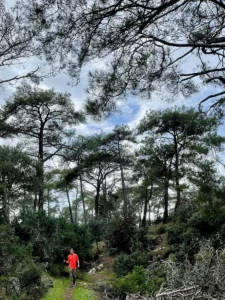
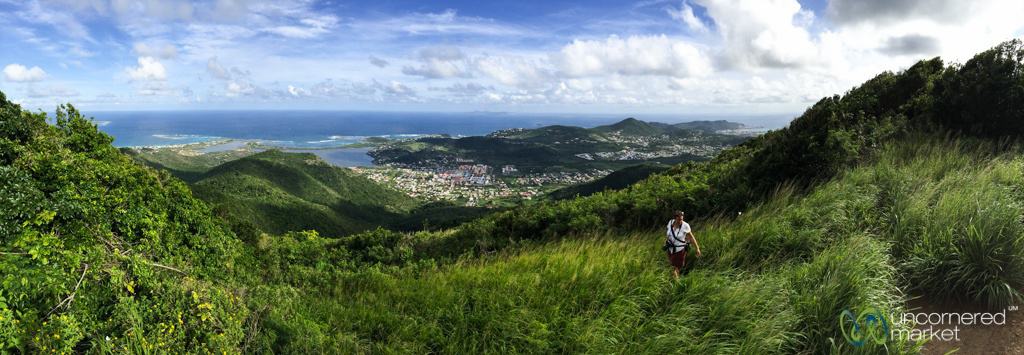
While the coastal areas receive the majority of tourist traffic, the interior offers significant opportunities for hiking and topography-based tourism. Pic Paradis, the highest point on the island at 1,391 feet (424 meters), provides a comprehensive vantage point for understanding the island’s geography. The surrounding Loterie Farm area highlights the shift toward eco-conscious land management, where former plantation lands are now repurposed for conservation and outdoor recreation.

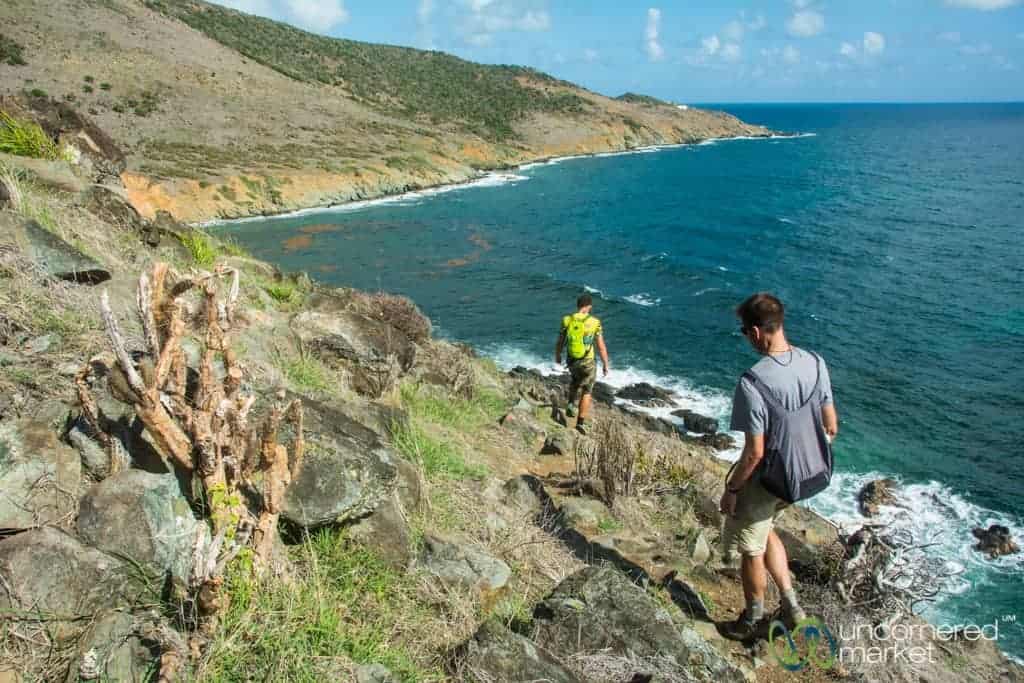
Hiking trails, such as the Sentier des Froussards on the northern coast, reveal a side of the island untouched by modern development. These paths offer access to secluded beaches and windswept landscapes, providing a necessary counter-narrative to the highly trafficked zones of Maho Bay and Orient Bay. The presence of these trails is vital for the island’s long-term environmental sustainability, as they encourage dispersed tourism that alleviates pressure on the more densely populated coastal hubs.
Economic and Logistic Considerations

The dual-currency environment—the Euro on the French side and the Netherlands Antillean Florin on the Dutch side—is simplified by the widespread acceptance of the U.S. Dollar. However, the economic disparity between the two sides remains a subject of analysis for regional planners. The Dutch side’s economy is heavily leveraged toward cruise ship arrivals, which necessitates a high volume of short-term, high-intensity services. The French side, while also reliant on tourism, maintains a smaller, more boutique hospitality sector that appeals to long-stay European travelers.
Transportation infrastructure remains the most significant hurdle for the local government. With only 34 square miles of land, road congestion is a consistent issue during the peak tourist season (December to April). Public transportation, primarily in the form of minivans, operates on an informal but efficient system. However, for visitors intending to explore beyond the resort corridors, rental vehicles are considered essential. Recent data suggests that the integration of digital mapping and improved signage has helped manage traffic flow, though the island’s narrow colonial-era roads in the northern sector remain a bottleneck.

Culinary Tourism and Cultural Synthesis

The culinary scene on the island acts as a reflection of its demographic diversity. Grand Case, often referred to as the "Gourmet Capital of the Caribbean," showcases the influence of French haute cuisine, while the Dutch side reflects the Caribbean’s broader history of migration, incorporating influences from Trinidad, the Dominican Republic, and beyond. Local establishments like Top Carrot and The Palms serve as anchors for this diverse culinary landscape, prioritizing local sourcing and traditional preparation methods.

The role of culinary ambassadors—such as long-standing local restaurant owners—cannot be overstated. Their insights often provide the context that guidebooks miss, explaining the evolution of the island’s food supply chain, which relies heavily on imports from neighboring islands like Dominica and global supply routes. This reliance on imports presents an ongoing challenge for food security, a topic currently being addressed by local agricultural initiatives and farm-to-table movements.

Implications for Future Travel

As global travel trends shift toward more experiential and sustainable models, St. Maarten and St. Martin are positioned to leverage their unique geopolitical status to attract a more diverse visitor demographic. The potential for the island lies in its ability to balance the high-volume needs of the cruise industry with the growing demand for authentic, off-the-beaten-path experiences.

For the prospective visitor, the takeaway is clear: the island is not a monolith. The choice between the Dutch and French sides is not merely a preference for a different flag, but a choice between two distinct ways of life. By venturing into the interior, engaging with the maritime history of the region, and respecting the cultural boundaries of the two territories, travelers can experience a depth of history and natural beauty that remains hidden from the casual tourist. The island serves as a reminder that even in the most developed regions, there remains a capacity for discovery and a narrative that goes well beyond the horizon of the beach.

As the local authorities continue to refine their entry requirements and infrastructure, the island remains a primary case study in how small territories navigate the pressures of global tourism while preserving the distinct cultural identities that define their existence. Whether one seeks the adrenaline of high-seas racing or the quiet contemplation of a morning hike, St. Maarten and St. Martin offer a multifaceted experience that warrants careful planning and an appreciation for the complexities of a shared island home.
Related posts: