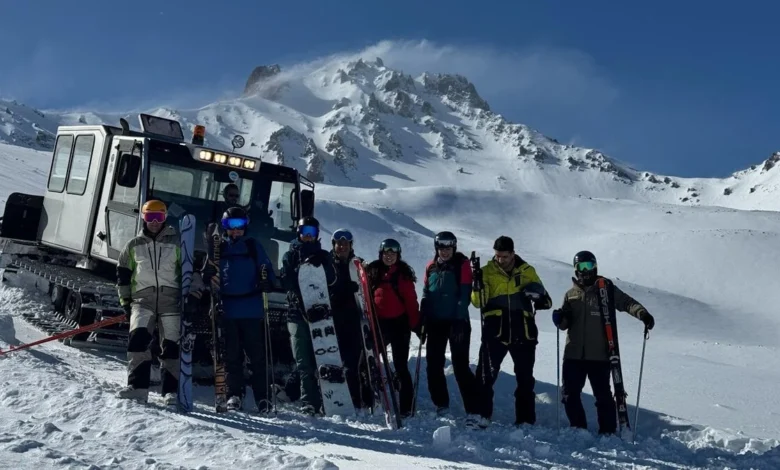
The Turkish winter tourism landscape is currently undergoing a significant evolution, as Mount Erciyes—a dormant stratovolcano towering 3,917 meters above the Central Anatolian plateau—emerges as a premier destination for high-altitude adventure. While Turkey has long been categorized by international travel markets as a summer beach or cultural heritage destination, the integration of advanced snowcat (catskiing) technology and proximity to the UNESCO World Heritage site of Cappadocia is shifting the paradigm for winter sports enthusiasts.
Mount Erciyes, located in the Kayseri province, stands as the highest peak in Central Anatolia. Its geological composition, primarily consisting of volcanic ash and tuff, has not only created the rugged terrain prized by backcountry skiers but also facilitated the development of the unique subterranean topography found in neighboring Cappadocia. This synergy between the "architect" (the volcano) and its "work" (the cave-riddled valleys) forms the basis of a growing specialized tourism sector that combines technical alpine sport with deep historical immersion.
The Evolution of the Erciyes Infrastructure
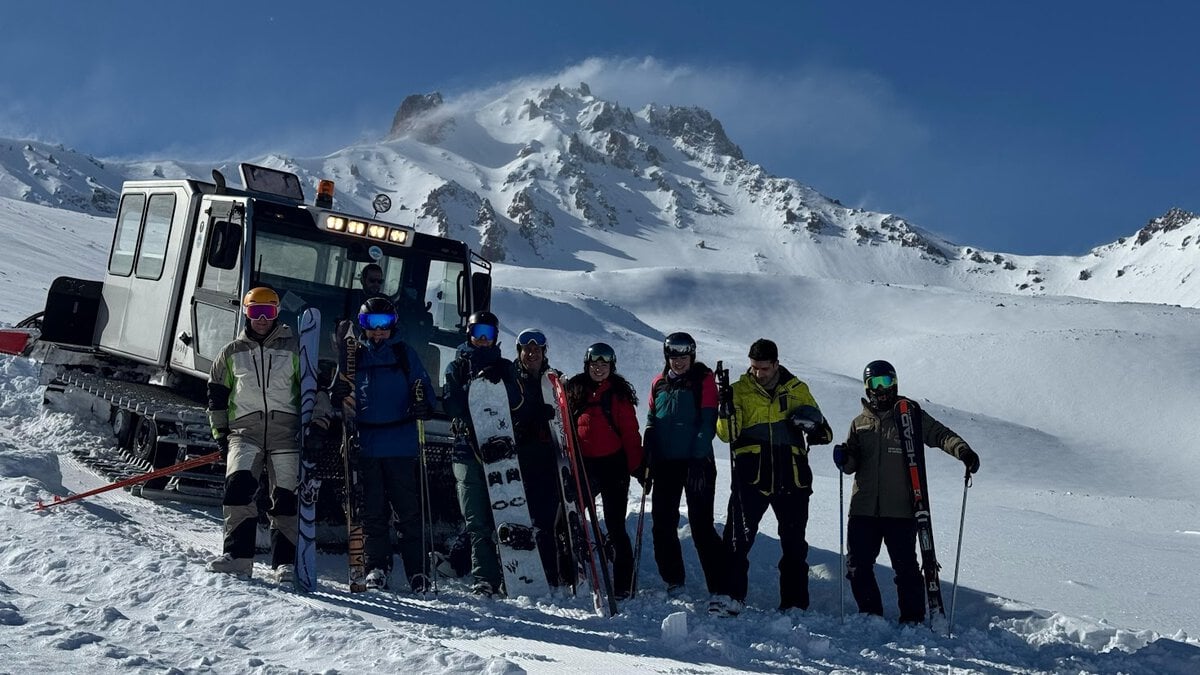
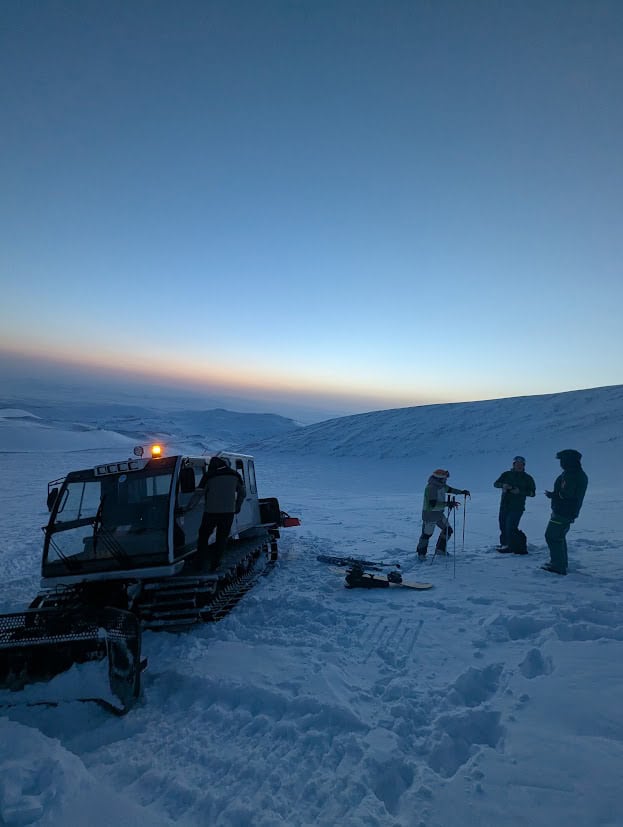
The Erciyes Ski Resort has seen substantial investment over the past decade to modernize its lift infrastructure, which now reaches an altitude of approximately 3,350 meters. However, the true appeal for the professional and expert freeride market lies beyond these fixed lines. The introduction of snowcat operations allows guests to access altitudes near 3,400 meters, opening up the Devil’s Route (Şeytan Rotası)—a high-gradient descent covering roughly 1,400 vertical meters.
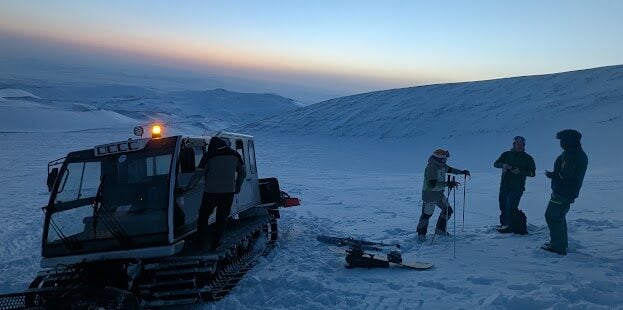
From a meteorological perspective, the mountain occupies a unique position. The surrounding ranges of the Central Anatolian steppe act as a moisture barrier, stripping incoming winter storms of their humidity before they reach the peak. This results in the formation of "champagne powder"—a low-density, dry snow that is highly sought after by global ski communities. Data from local climate stations indicate that these conditions remain stable from early December through late April, providing a consistent window for high-altitude operations.
Chronology of a Typical Expedition
A standard, professionally guided winter excursion follows a rigorous daily timeline designed to maximize both physical exertion and cultural engagement.
- 06:00 – 07:30: Departure from alpine lodges at the base of the resort. The cold, arid climate at this altitude facilitates rapid physical acclimatization.
- 08:00 – 11:30: The ascent via snowcat. These tracked vehicles, capable of transporting groups of approximately 10, navigate terrain inaccessible to standard chairlifts.
- 12:00 – 14:00: Primary descent phase. Guides prioritize the Devil’s Route, though conditions may dictate a pivot to the Shepherd’s Descent (Çoban İni) to ensure safety and snow quality.
- 15:00 – 18:00: Transit to the Cappadocia region, located approximately 60 minutes by road from the slopes.
- 18:00 – 20:00: Exploration of subterranean infrastructure. This includes the exploration of multi-level underground cities, where the ambient temperature remains moderated by the thermal mass of the surrounding volcanic tuff.
Socio-Economic and Historical Context
The connection between the volcano and the local economy is historical. The same volcanic activity that created the treacherous, high-altitude slopes millions of years ago deposited the thick layers of ash that would eventually become the soft, carvable tuff stone of Cappadocia. Over centuries, this material allowed for the creation of subterranean cities—refuges that provided shelter for thousands during periods of regional conflict.
Local winemakers in Cappadocia have leveraged this geology for generations, utilizing natural cave cellars to regulate the aging process of Anatolian grape varieties such as Öküzgözü and Kalecik Karası. The integration of these elements—skiing the summit of the mountain in the morning and consuming wine aged in the rock it produced by evening—creates a distinct "volcanic-to-table" narrative that has become a cornerstone of the regional tourism marketing strategy.
Operational Analysis and Industry Comparison
When measured against traditional alpine destinations in the Alps or North America, the Erciyes-Cappadocia corridor offers a distinct competitive advantage: the density of cultural heritage paired with technical sports. While the French or Austrian Alps offer superior lift-linked terrain, they often lack the immediate, 1,000-year-old historical depth accessible within an hour’s travel from the base.
Industry experts note that the logistical challenge of this itinerary lies in the specialized nature of the catskiing add-ons. Because these operations are frequently booked as private or small-group excursions, international travelers are advised to secure these slots months in advance. Current pricing for a comprehensive week-long package—including half-board accommodation, five-day ski passes, and guided tours—begins at approximately $1,886 per person, excluding international airfare.
Safety and Physical Requirements
The altitude of the upper runs, combined with the technical nature of off-piste terrain, requires a baseline of physical fitness and technical proficiency. The "thin air" at 3,400 meters significantly impacts aerobic capacity, and the variable weather patterns on a stratovolcano necessitate expert guidance. Local lead guides, often hailing from mountain villages at the base of Erciyes, utilize traditional ecological knowledge of wind-loading and microclimates to manage safety protocols.
For participants, the recovery phase is as integral to the experience as the skiing itself. The region’s historic hammams, such as the 13th-century Hunat Hatun complex in Kayseri, provide a traditional post-exertion recovery environment. These facilities have become essential for managing the physical fatigue associated with the high-intensity descent and the subsequent exploration of subterranean tunnels.
Future Implications for Turkish Tourism
The success of the Erciyes-Cappadocia model suggests that Turkey is diversifying its tourism portfolio to capture a higher-spending, experience-driven demographic. By moving beyond the "sea and sun" marketing of the Mediterranean coast, regional stakeholders are tapping into the global trend of adventure travel that demands both adrenaline and authenticity.
The broader impact on the Kayseri and Nevşehir provinces has been a revitalized interest in winter infrastructure. As infrastructure continues to improve, including the expansion of transport links from Kayseri Erkilet Airport (ASR), the region is poised to compete with emerging secondary ski markets in Eastern Europe and Central Asia.
However, growth must be balanced with the preservation of the delicate tuff structures in Cappadocia. As foot traffic through underground cities increases, local authorities face the ongoing challenge of site management and conservation. The current strategy, which emphasizes small-group, guided tours, appears to mitigate the risk of mass-tourism degradation while maintaining a high-value experience for the individual visitor.
For those planning an expedition, the consensus remains clear: the mountain is not merely a backdrop, but a living, changing participant in the day’s events. The contrast between the frozen, wind-swept peaks and the warm, stone-carved interiors of the valleys creates a unique psychological and physical transition that defines the contemporary Turkish winter experience. As of November 2026, the region stands as a compelling alternative for travelers seeking a synthesis of high-altitude sport and deep-time history, far removed from the overcrowded slopes of the established Western European circuits.
Related posts: