The Science of the Perfect Cinnamon Roll: Mastering Tangzhong and Brown Butter Techniques for Superior Baking Results

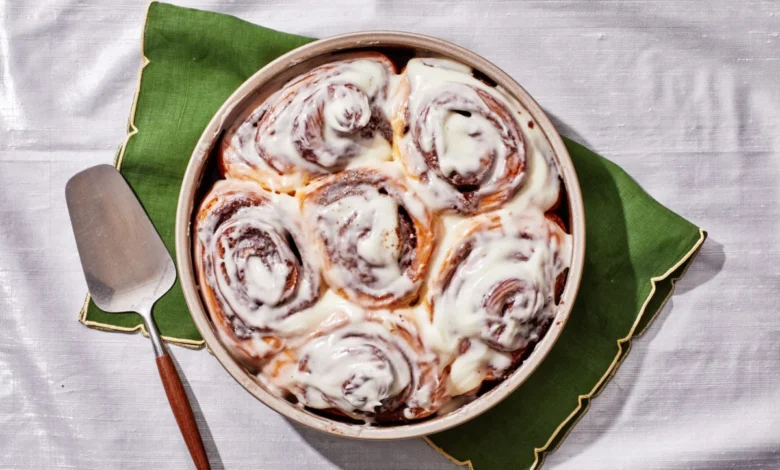
At first glance, these homemade cinnamon rolls have all the classics: buttery, golden-brown dough, a gooey cinnamon-and-brown-sugar filling, and a generous swoop of cream cheese frosting. However, a closer examination of the culinary mechanics reveals that the pursuit of the "perfect" pastry has transitioned from traditional household recipes to a more rigorous, science-based approach. By integrating centuries-old Asian baking techniques with modern flavor-enhancement strategies, bakers are achieving textures that remain soft and elastic for significantly longer periods than standard brioche or sweet doughs.
The Tangzhong Revolution: Hydration and Starch Gelatinization
The foundational secret to this heightened level of fluffiness is the tangzhong method, a technique popularized in the early 20th century in Japan and refined in Taiwan. Tangzhong involves pre-cooking a small portion of the recipe’s flour and liquid—usually milk or water—into a thick roux or paste before incorporating it into the final dough.
From a food chemistry perspective, this process is known as starch gelatinization. When flour is heated in liquid, the starch granules absorb the moisture and swell, creating a structure that can hold significantly more water than dough made with raw flour. When this gelatinized mixture is added to the primary dough, it creates a crumb that is not only exceptionally moist but also inherently more shelf-stable. Research into bread staling—a process known as retrogradation—shows that starch molecules recrystallize over time, causing bread to become hard and crumbly. By introducing a high-moisture starch matrix through tangzhong, bakers effectively delay this retrogradation, ensuring that rolls maintain a tender, pillowy crumb well into the following day.
Brown Butter: The Chemistry of Flavor Depth
While tangzhong handles the structural integrity of the roll, the incorporation of brown butter addresses the sensory profile. The process of browning butter—or beurre noisette—is a controlled thermal reaction that triggers the Maillard reaction. As the butter melts, the water evaporates, and the milk solids begin to toast. This transformation breaks down amino acids and sugars, creating complex, nutty, and toasted aromatic compounds.
In the context of a cinnamon roll filling, brown butter provides a sophisticated counterpoint to the sweetness of brown sugar. The bitterness and depth provided by the toasted milk solids help anchor the filling, preventing it from being one-dimensionally sweet. When paired with a tangy cream cheese frosting, the overall profile achieves a balance of acidity, fat, and spice, creating a professional-grade result that distinguishes these rolls from standard commercial varieties.
Chronology of Production: Managing Expectations and Logistics
For home bakers and culinary professionals alike, the production of high-quality cinnamon rolls requires careful logistical planning, particularly regarding the timing of yeast activity.
- Phase 1: Preparation of the Tangzhong. The process begins by whisking flour and milk over medium heat until the mixture reaches a thick, paste-like consistency. Observation is critical; the "tracks" left by a whisk on the bottom of the pan serve as a visual indicator of readiness.
- Phase 2: Initial Dough Development. Once the tangzhong is cooled, it is incorporated with instant yeast and the remaining dough ingredients. Kneading is the most labor-intensive step. While a stand mixer is recommended for efficiency, manual kneading is possible, though it requires significant time to build the gluten network necessary to hold the moisture provided by the tangzhong.
- Phase 3: The First Rise. The dough must be allowed to ferment in a warm environment until it has roughly doubled in volume.
- Phase 4: Assembly and Secondary Proof. The rolls are shaped and placed in their final baking pans. It is during this stage that the dough can be held in a refrigerated state for up to 24 hours. Cold-retarding the dough—slowing the yeast activity in a refrigerator—is a standard industry practice that actually enhances flavor development, as enzymes continue to break down starches into simpler sugars during the long, cold rest.
- Phase 5: Baking and Finishing. The rolls are baked until golden brown. The final application of a cream cheese frosting, often brightened with lemon zest, serves as a culinary finish that balances the rich, toasted notes of the butter.
Technical Challenges and Troubleshooting
The high-moisture content required for "pillowy" rolls presents a specific challenge: stickiness. Beginners often mistake this moisture for a need for more flour, but experts caution against this. Adding excessive flour during the kneading process leads to a dense, heavy crumb, effectively negating the benefits of the tangzhong.
The importance of measurement accuracy cannot be overstated. Baking is a precise discipline; measuring flour by volume—using cups—can result in discrepancies of up to 20% due to the way flour settles. Utilizing a digital scale to measure ingredients in grams ensures consistency across different batches.
Furthermore, the choice of yeast is a critical variable. While active dry yeast is common in many kitchens, it requires a rehydration step in warm liquid. The recipe specified here utilizes instant yeast, which is designed to be mixed directly into the dry ingredients. Substituting these two types without adjusting the process can lead to uneven fermentation and unpredictable rising times.
Economic and Culinary Implications
The shift toward these advanced baking techniques reflects a broader trend in domestic culinary education. As consumers gain access to professional-grade information through digital media, the gap between home-baked goods and bakery-quality items is narrowing. The integration of "pro-tips" like brown butter and tangzhong into mainstream recipes represents a move away from "shortcut" baking toward a more deliberate, technique-driven approach.
From an economic standpoint, these methods demonstrate that quality is often a result of time and process rather than expensive ingredients. The use of basic pantry staples—flour, milk, butter, and sugar—remains the core of the recipe. The value-add comes from the specific manipulation of those ingredients through thermal and mechanical processes.
Conclusion
The evolution of the cinnamon roll is a testament to the intersection of food science and tradition. By utilizing the tangzhong method for structural longevity and brown butter for flavor complexity, bakers can transform a simple breakfast pastry into a sophisticated dessert. Whether one chooses to bake them in a single afternoon or utilize the refrigerator for an overnight cold-proof, the principles remain the same: patience, measurement, and an understanding of the chemical reactions that occur between the bowl and the oven. As home kitchens continue to adopt these professional techniques, the standard for what constitutes a "homemade" roll continues to rise, rewarding those who prioritize technique over speed.