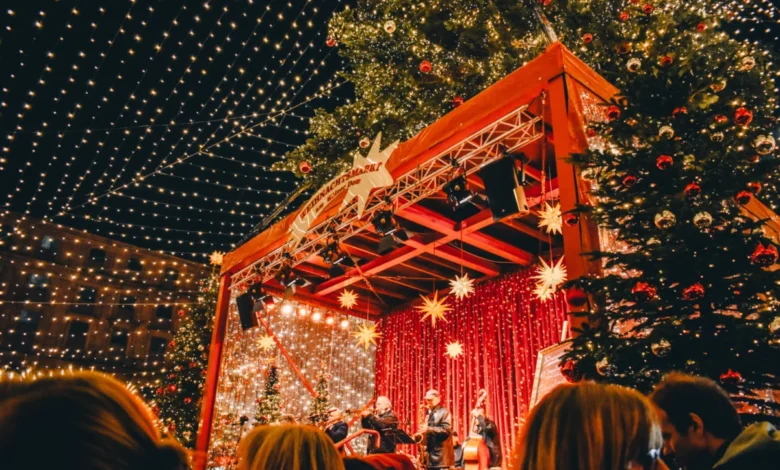
The tradition of the German Christmas market, or Weihnachtsmarkt, remains one of Europe’s most enduring cultural phenomena, drawing millions of international visitors annually. With roots dating back to the late Middle Ages—specifically the 14th century—these markets have evolved from simple winter supply gatherings into sophisticated, globally recognized celebrations of heritage, craftsmanship, and gastronomy. As the 2026 holiday season approaches, municipal planners and tourism boards across Germany are finalizing preparations for what is expected to be a peak year for seasonal tourism.

Historical Context and Evolution
The genesis of the German Christmas market is generally attributed to the Late Middle Ages, with the earliest documented markets appearing in cities like Bautzen (1384), Frankfurt (1393), and Munich (1310). Originally, these gatherings provided residents with essential provisions—meat, warm clothing, and fuel—to survive the harsh winter months. By the 16th century, the Reformation shifted the focus toward the "Christkindl" (Christ Child) as the traditional gift-bringer, further cementing the markets’ association with the Advent season.

Today, these events serve as critical economic drivers for German municipalities. Beyond the sale of traditional ornaments, wooden toys, and regional delicacies, they foster significant growth in the hospitality, transport, and retail sectors. Modern markets are meticulously regulated to preserve authenticity, with many cities enforcing strict guidelines on the types of vendors permitted to operate, prioritizing traditional handicrafts over mass-produced goods.

The 2026 Seasonal Schedule
Municipalities have released their 2026 operational windows, with most markets scheduled to commence in the final week of November, aligning with the first Sunday of Advent. While major urban centers like Berlin, Cologne, and Munich operate extensive, multi-week programs, smaller towns often utilize shorter, high-impact weekend schedules.
Key Dates for 2026 Major Markets:

- Cologne: November 16 – December 23
- Munich: November 20 – December 24
- Nuremberg: November 27 – December 24
- Dresden: November 25 – December 24
- Berlin: November 23 – December 27
- Frankfurt: November 23 – December 22
Strategic Regional Analysis
The diversity of the German market landscape allows for varied traveler experiences, ranging from the architectural splendor of the Rhineland to the medieval aesthetic of Bavaria.

Cologne and the Rhineland
Cologne’s market ecosystem is arguably the most complex in the country, featuring seven distinct locations. The central market situated before the Cologne Cathedral (Kölner Dom) is the primary draw, capitalizing on the site’s UNESCO World Heritage status. The economic impact of this single location is immense, with the city estimating that millions of visitors contribute to a surge in local tourism revenue that sustains the region’s hospitality sector through the quiet winter months.

Bavaria: The Traditional Stronghold
Nuremberg’s Christkindlesmarkt remains the industry standard for traditionalism. The city’s strict enforcement of regional production—requiring that all goods sold be "Made in Nuremberg"—maintains the market’s reputation as an authentic cultural institution. Similarly, Munich offers a thematic variety that attracts diverse demographics, featuring specialized markets like the Tollwood Winter Festival, which focuses on international cultural exchange, and the Medieval Market at Wittelsbacher Platz, which emphasizes historical reenactment.

The Case for Secondary Cities
While the aforementioned metropolises capture the majority of international headlines, economic analysis suggests that smaller, secondary cities like Trier, Speyer, and Rothenburg ob der Tauber offer a more sustainable and intimate alternative for travelers. These locations often provide better price-to-value ratios for food and local lodging. Specifically, Speyer’s market is notable for its extended duration, often continuing into early January, which caters to the "post-Christmas" travel demographic.

Economic and Social Implications
The German Christmas market industry is not merely a tourist attraction; it is a vital component of the German social fabric. Local chambers of commerce emphasize that the markets provide small-scale artisans with a platform that is increasingly rare in the era of e-commerce. According to recent industry reports, the direct economic impact of these markets generates billions of euros annually.

Furthermore, the markets function as public squares, fostering social cohesion. The act of sharing Glühwein (mulled wine) or regional snacks like Lebkuchen (gingerbread) in communal, open-air settings is a cornerstone of German community life. This social function has been preserved through various historical shifts, demonstrating the resilience of the tradition.

Logistical Considerations for 2026
For visitors planning international travel to Germany for the 2026 season, local authorities recommend an integrated approach. The efficiency of the German rail network (Deutsche Bahn) makes multi-city itineraries highly feasible. A standard route often involves flying into Frankfurt—which serves as a major international hub—before utilizing high-speed ICE trains to visit the surrounding markets in the Rhine-Main region.

Travelers are advised to monitor the official municipal websites for each city, as specific operating hours can change due to local labor regulations or severe weather conditions. In terms of language accessibility, while German is the primary language, the high volume of international tourism means that English is widely spoken by vendors and information kiosks in major hubs. However, installing basic translation software remains a recommended practice for navigating smaller, rural markets.

Sustainability and Modernization
In recent years, organizers have faced pressure to modernize operations, specifically regarding sustainability. Many major markets have transitioned to using "Pfandsystem" (deposit systems) for mugs and plates to eliminate single-use waste. Furthermore, there is a growing push toward utilizing renewable energy for the elaborate light displays that define the visual aesthetic of these markets. These shifts reflect a broader societal focus on environmental stewardship, ensuring that the centuries-old tradition remains compatible with 21st-century values.

Safety and Security Protocols
Following global trends in public event management, German authorities maintain rigorous security protocols at all major markets. Visitors should expect visible but unobtrusive security measures, including pedestrian management systems and occasional bag checks at high-traffic entry points. These measures are designed to ensure public safety without detracting from the festive atmosphere that is essential to the market experience.

Conclusion
The enduring appeal of the German Christmas market lies in its ability to balance deep-seated historical tradition with the demands of modern tourism. Whether one visits the massive, multi-faceted markets of Berlin and Dresden or the quiet, medieval charm of Monschau and Rothenburg, the experience remains a quintessential part of the European winter. As the 2026 season approaches, the synthesis of gastronomy, history, and seasonal cheer confirms that these markets are not merely retail outlets, but are, in fact, the living, breathing heart of the German Advent season. Travelers looking for an authentic experience should prioritize early planning, as popular destinations often experience high demand for accommodation well in advance of the November openings. By focusing on both the iconic major markets and the hidden gems of smaller towns, visitors can craft a comprehensive, culturally rich itinerary that honors the deep, 700-year history of the Weihnachtsmarkt.