The Antigravity A1 Redefines Aerial Cinematography With Dual-Lens 360-Degree Capture Technology

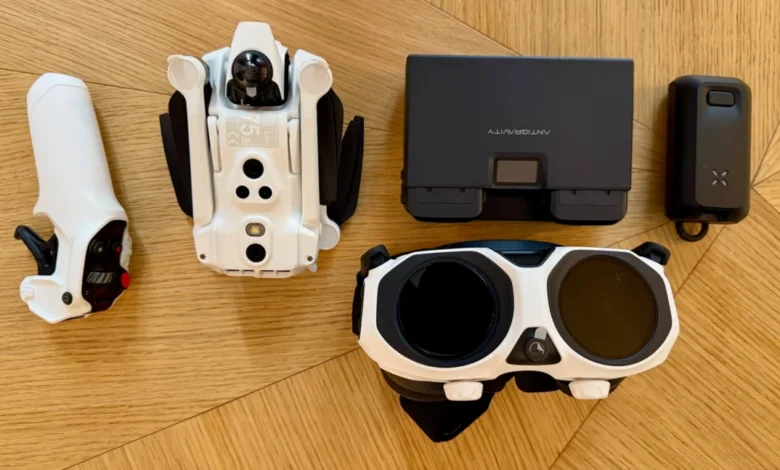
The global consumer drone market has undergone a significant architectural shift with the commercial introduction of the Antigravity A1. Released to the global market in late 2025, this aerial vehicle attempts to systematically render the traditional mechanical gimbal obsolete for a substantial segment of digital content creators, filmmakers, and global travelers. By leveraging an advanced dual-lens, 360-degree capture system rather than a single, forward-facing camera mounted on a stabilization gimbal, the A1 records a complete spherical environment simultaneously. This engineering approach shifts the fundamental nature of aerial recording from a deliberate, pre-planned mechanical operation to a retrospective framing process, commonly marketed as a "fly now, frame later" capability.
Main Facts and Technological Architecture
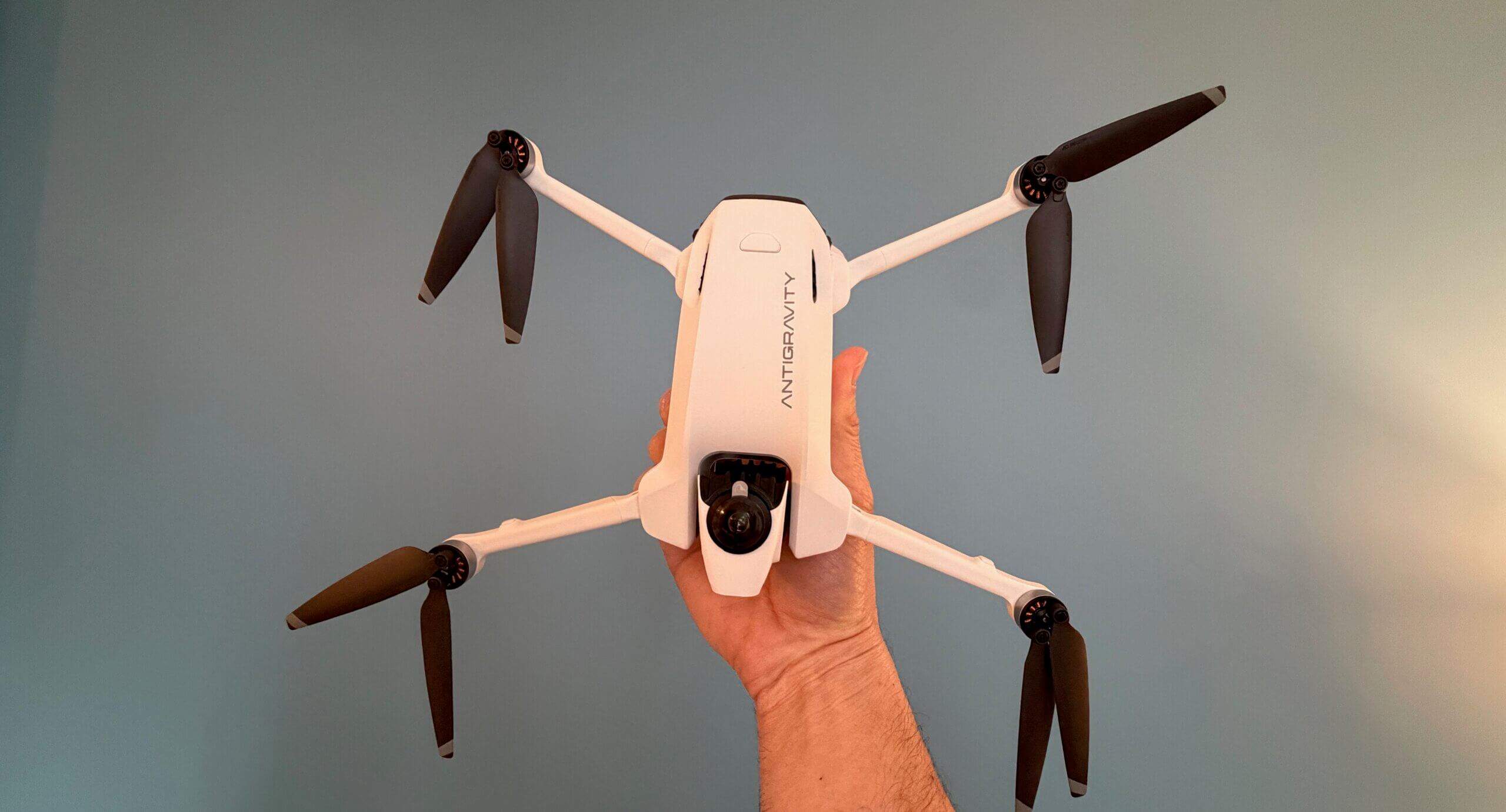
At the core of the Antigravity A1’s hardware configuration is its unique optical array. Traditional unmanned aerial vehicles rely on a single sensor coupled with a motorized mechanical gimbal to stabilize footage and point the camera in a specific direction. In contrast, the A1 utilizes two ultra-wide-angle lenses positioned on the top and bottom of the central fuselage. Each lens independently captures a 200-degree field of view, creating a generous optical overlap that is stitched internally to produce a seamless 360-degree sphere.
A notable attribute of this dual-lens design is the automated post-processing removal of the drone’s airframe from the final exported video file. When rendered, the aircraft completely disappears from the visual data, generating the optical illusion of a standalone camera floating untethered in
mid-air.
The imaging pipeline is powered by dual 1/1.28-inch CMOS sensors. While these sensors are slightly smaller than the 1-inch formats found on heavy-duty, professional-tier cinematic drones, they are considerably larger than the sensors traditionally housed in standard 360-degree action cameras. This larger surface area translates into enhanced low-light sensitivity and a wider dynamic range, enabling the capture of distinct shadow and highlight details even under harsh, direct midday sunlight.
Chronology and Regulatory Positioning
The development timeline of the A1 reflects an industry-wide race to optimize consumer-friendly features within strict international aviation frameworks. Throughout 2024 and early 2025, regulatory bodies in North America, Europe, and Asia tightened operational constraints on unmanned aerial systems, heavily penalizing devices exceeding specific weight thresholds.
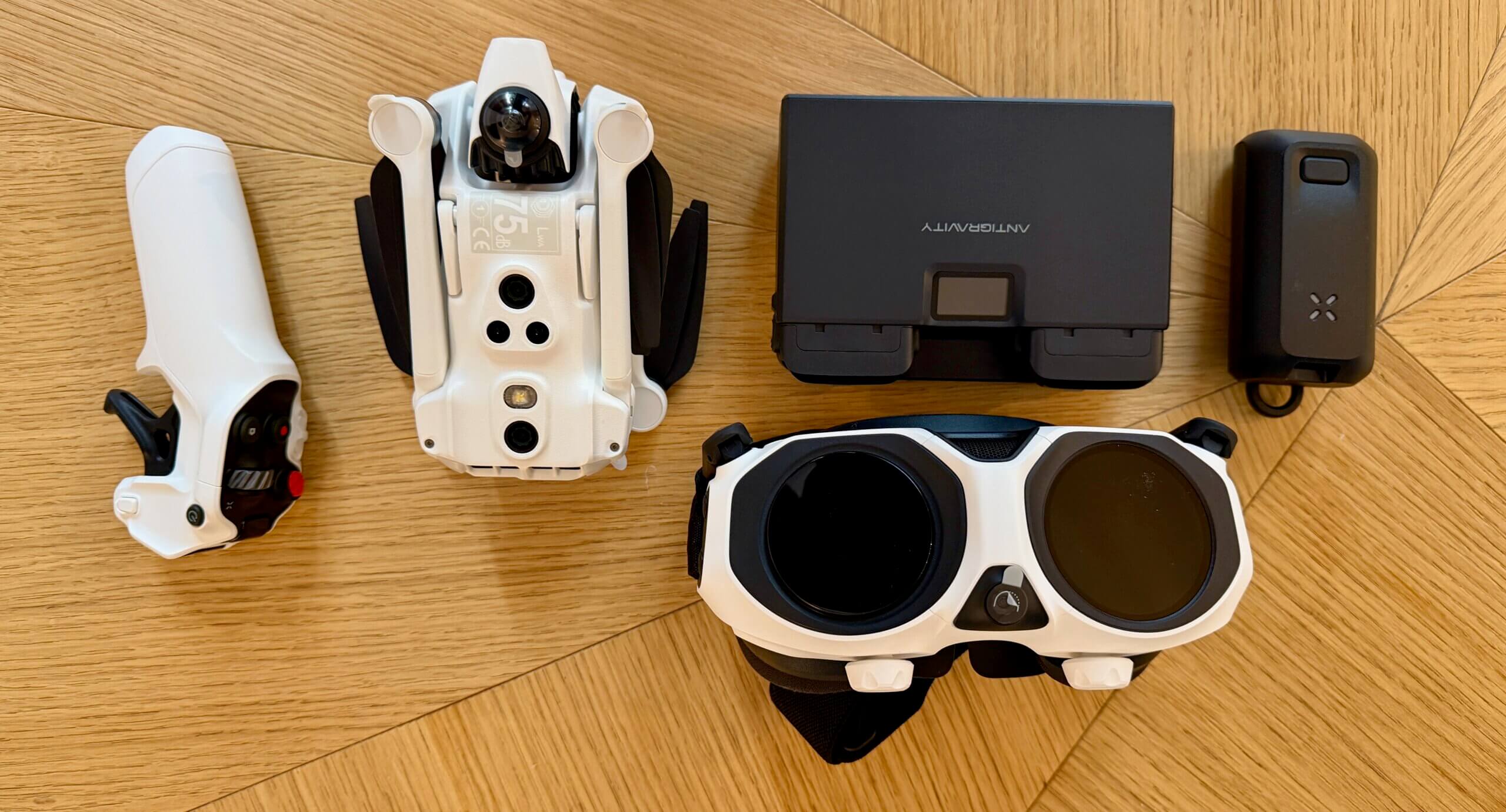
Recognizing these regulatory hurdles, Antigravity engineers deliberately engineered the A1 to weigh precisely 249 grams when equipped with its standard intelligent flight battery. By sitting one gram below the widely adopted 250-gram legal threshold enforced by agencies such as the Federal Aviation Administration (FAA) and the European Union Aviation Safety Agency (EASA), the A1 avoids mandatory registration requirements for hobbyists in many jurisdictions. This strategic design decision significantly lowers the barrier to entry for international travelers wishing to transport and operate the device across multiple borders without navigating complex bureaucratic registration processes.
Constructed from a high-grade carbon-fiber-reinforced polymer, the A1 chassis achieves a higher strength-to-weight ratio than the standard acrylonitrile butadiene styrene (ABS) plastics utilized in lower-cost consumer alternatives. The folding mechanism incorporates tactile, precision-engineered locking points designed to withstand the wear and tear of frequent travel. When fully collapsed, the airframe occupies a footprint comparable to a modern large-screen smartphone, albeit with a thicker profile.
Flight Dynamics and Control Ecosystems
The flight experience of the Antigravity A1 diverges sharply from traditional manual piloting models, offering two distinct operational interfaces tailored to both novice operators and experienced aerial cinematographers.
For immersive operation, the drone pairs with custom-designed vision goggles featuring dual 4K micro-OLED displays operating at a 120Hz refresh rate. These goggles incorporate integrated head-tracking technology with near-zero latency. Because the aircraft records a continuous 360-degree sphere, the user’s field of view is not restricted to the traditional forward-facing perspective. Tilting or turning the head alters the viewing angle within the recorded sphere in real-time, providing an enhanced sense of spatial awareness.
Piloting is managed through a single-handed motion controller. Operators direct the aircraft by pointing the device toward the desired flight vector and pulling an integrated trigger to accelerate, while wrist tilts govern banking maneuvers and climbs. Alternatively, professional pilots requiring traditional manual acrobatic control can connect a standard "Mode 2" dual-stick radio controller.
To mitigate operational risk, the A1 includes "Turtle Mode," a safety feature that enables the aircraft to autonomously flip itself upright using its propellers if it lands inverted after a minor collision, thereby reducing the need for manual retrieval in difficult terrain. The cinewhoop-style flight dynamics prioritize stability and predictability over aggressive racing agility, achieving a maximum horizontal speed of approximately 36 miles per hour.
Camera Performance and Post-Production Ecosystem
The marketing nomenclature surrounding modern 360-degree cameras frequently highlights "8K Resolution," a metric that requires contextualization when compared to traditional rectangular video formats. While a standard 8K camera concentrates all pixels into a conventional 16:9 widescreen aspect ratio, an 8K 360-degree camera distributes those same pixels across an entire spherical coordinate system. Consequently, when an editor "reframes" the spherical footage into a flat, traditional video file, the resulting image represents a cropped section of the total recorded data.
To maximize usability across different production workflows, the A1 supports multiple color profiles. These include a "Vivid" profile optimized for immediate deployment on social media platforms and a 10-bit "Log" profile designed for professional colorists integrating the footage into high-end post-production suites. Image stabilization is managed via proprietary algorithms that compensate for lateral forces, ensuring steady footage even when operating in sustained winds of up to 20 miles per hour.
Post-production workflow is heavily integrated with the "Antigravity Studio" mobile and desktop application. Utilizing wireless data transfer speeds of up to 80 megabits per second, users can offload spherical files directly to mobile devices. The application features gyroscope-based reframing—allowing operators to pan and tilt their mobile device to direct the virtual camera—as well as AI-powered "Auto-Frame" tools that automatically track and center moving subjects within the frame.
Power Management and Operational Endurance
Battery performance remains a primary engineering constraint for lightweight aerial platforms. The A1 is powered by an Intelligent Flight Battery rated for a theoretical maximum flight duration of 24 minutes under optimal laboratory conditions. In real-world environments characterized by moderate wind resistance and continuous recording, operators typically experience practical flight times ranging between 19 and 20 minutes.
Industry analysts note that while 20 minutes appears brief, the functional output per flight is significantly higher than that of a traditional fixed-camera drone. Because the 360-degree capture system records all potential angles simultaneously, a single flight eliminates the necessity of flying repetitive paths to secure distinct compositional viewpoints. For missions requiring extended deployment, an optional "Pro Battery" extends flight times to approximately 39 minutes, though the additional mass pushes the aircraft’s total weight past the 249-gram regulatory threshold and slightly alters flight agility.
Broader Market Implications
The launch of the Antigravity A1 illustrates a broader evolution within the consumer technology sector, where hardware limitations are increasingly mitigated by advanced computational processing and software reframing tools. By decoupling the act of piloting from the act of framing, the device lowers the technical expertise traditionally required to capture dynamic aerial cinematography.
While optical purists continue to debate the resolution trade-offs inherent to spherical capture versus native large-sensor single-lens systems, the market reception of the A1 indicates a growing consumer appetite for workflow simplification. As sensor technology matures and stitching algorithms improve, dual-lens spherical capture systems are expected to exert considerable competitive pressure on traditional entry-level and mid-tier aerial drone manufacturers, permanently altering how solo creators, travelers, and independent filmmakers approach aerial documentation.