Navigating Flight Delays: A Comprehensive Guide to Airline Disruption Management, Passenger Rights, and Proactive Travel Strategies

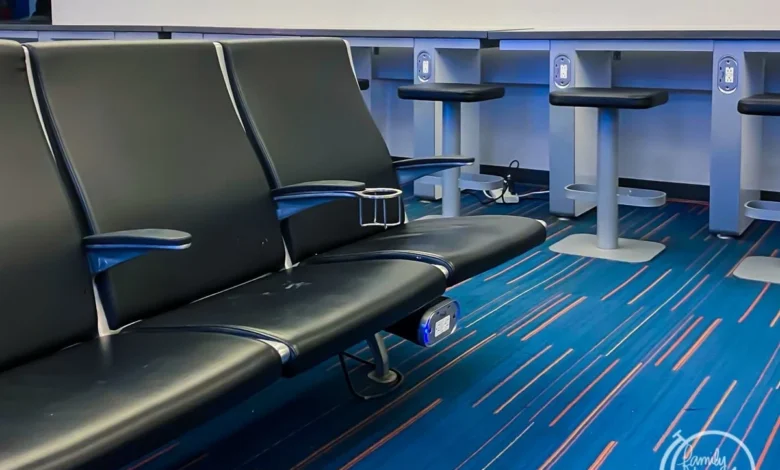
Flight delays remain an unavoidable reality of modern commercial aviation, challenging the logistical efficiency of airlines and testing the patience of travelers worldwide. Whether triggered by cascading meteorological events, sudden mechanical malfunctions, or complex air traffic control (ATC) restrictions, disruptions to flight schedules can turn a seamless journey into a logistical challenge. According to industry data from the Bureau of Transportation Statistics, millions of domestic and international flights experience delays annually, costing the global economy billions of dollars in lost productivity and operational expenses. Understanding how these delays materialize, preparing for them before heading to the airport, and knowing the appropriate response protocols can significantly mitigate the stress and financial impact of travel disruptions.
The Anatomy of a Flight Delay: Core Causes and Chronology
To effectively manage a flight delay, passengers must first understand the underlying catalysts. Aviation disruptions generally fall into three primary operational categories: weather-related events, mechanical failures, and air traffic management directives.
Weather events are typically the most predictable form of delay. Meteorologists and airline operations centers monitor storm systems days in advance, allowing carriers to issue travel advisories and proactively waive change fees. However, localized phenomena such as heavy fog, high-speed crosswinds, or winter ice storms require mandatory de-icing procedures, which can stall departures even when boarding proceeds on schedule. Furthermore, downstream effects mean that a morning storm in the Northeast United States can disrupt aircraft rotations and cause evening delays in the Midwest.

Mechanical issues, conversely, are notoriously difficult to forecast. These technical anomalies range from minor cosmetic discrepancies—such as a malfunctioning overhead bin or an inoperable passenger seat—to critical structural or avionics failures that require specialized replacement parts. Because commercial aircraft operate on tight, continuous schedules, a delay early in the morning often compounds throughout the day, affecting subsequent flights assigned to the same airframe.
Air traffic control (ATC) delays represent an external variable controlled entirely by government aviation authorities, such as the Federal Aviation Administration (FAA). Ground stops, airspace congestion, and staffing shortages at regional control centers frequently force carriers to hold aircraft at their departure gates. Because ATC directives can change dynamically, departure times are subject to sudden acceleration or deceleration, requiring passengers to remain vigilant near their boarding gates.
Data, Statistics, and Financial Implications
The financial and operational implications of flight delays extend far beyond the immediate inconvenience experienced by travelers. Industry analyses indicate that chronic delays cost U.S. airlines billions annually in additional fuel consumption, crew overtime, and passenger compensation. For consumers, the economic fallout manifests in missed connections, forfeited non-refundable hotel bookings, lost wages due to tardy arrivals at business destinations, and out-of-pocket expenses for meals and interim accommodations.
Statistical models compiled by aviation watchdogs highlight summer peak travel periods and winter holiday windows as the highest-risk timeframes for disruptions. During these peak seasons, airport congestion reaches critical thresholds, leaving little room for operational recovery when minor delays occur. Consequently, travel risk analysts increasingly advocate for structured contingency planning, advising passengers to build robust buffers into their itineraries—such as arriving at a destination city a full 24 hours before a major event, cruise departure, or business conference.

Technological Integration and Proactive Tracking
In response to frequent schedule volatility, the travel technology sector has evolved to provide passengers with real-time predictive analytics. Relying solely on airport departure boards or delayed airline gate announcements often places travelers at a disadvantage. Modern travel management applications—such as Flighty and TripIt—have transformed how passengers monitor their itineraries.
By aggregating live radar data, FAA ground stop notifications, and historical route performance metrics, these platforms frequently alert passengers to inbound aircraft delays or destination congestion hours before airlines officially broadcast the information. Aviation experts recommend integrating these digital tools with official airline mobile applications, ensuring that push notifications are enabled and contact details are up to date. Proactive digital tracking allows travelers to identify cascading delays while still at home, granting them the flexibility to delay their commute to the airport or initiate contact with customer service centers before long terminal queues form.
Official Responses, Protocols, and Passenger Rights
When a flight disruption occurs on-site, airlines and regulatory bodies enforce standardized protocols to manage passenger flow and compensation. According to guidelines established by transportation departments globally, airline obligations vary significantly based on the root cause of the delay.

When delays are within the airline’s control—such as routine maintenance oversights or crew scheduling errors—carriers are generally expected to provide meal vouchers, communication access, and overnight hotel accommodations if the delay extends past a specified duration (typically four hours or overnight). However, under current regulatory frameworks, delays attributed to "acts of God," severe weather events, or ATC mandates do not legally obligate airlines to provide financial compensation or complimentary hotel rooms, as these variables are outside corporate control.
Despite these limitations, airline customer service representatives retain discretionary authority to assist stranded passengers. Industry trade groups advise travelers facing imminent missed connections to simultaneously utilize multiple communication channels: standing in line at the airport service desk while concurrently calling the airline’s primary reservation hotline or utilizing digital chat features. Data suggests that telephone agents often process rebooking requests faster than airport-based personnel dealing with massive terminal crowds.
Mitigation Strategies for Families and Vulnerable Travelers
Traveling with dependents introduces unique logistical challenges during extended airport delays. Family travel advocates emphasize the importance of meticulous carry-on preparation. Essential items—including vital medications, infant formula, diapers, a change of clothes, and multi-device charging cables—should never be placed in checked luggage.
To cope with prolonged airport dwell times, innovative lodging solutions have gained traction. Day-use hotels, which allow travelers to book private rooms for a fixed number of hours between flights, offer a practical alternative to crowded terminal seating. These facilities provide access to quiet environments, private restrooms, and recreational amenities such as swimming pools or fitness centers, which can be particularly beneficial for families managing exhausted children.

The Role of Travel Insurance and Financial Protection
As schedule reliability fluctuates, the demand for comprehensive travel insurance policies has surged. Standard consumer credit card protections often cover basic trip interruptions, but dedicated third-party insurance policies provide broader coverage limits for auxiliary expenses incurred during catastrophic delays or cancellations.
Insurance specialists recommend that travelers carefully review policy wordings to understand specific trigger thresholds—such as whether a delay must exceed six, twelve, or twenty-four hours to qualify for reimbursement of meals, lodging, and alternate transportation. To streamline the claims process, policyholders must secure written documentation of the delay’s official cause from the airline and retain itemized receipts for all incidental purchases made during the disruption.
Broader Industry Outlook and Future Mitigations
Looking ahead, aviation stakeholders are investing heavily in technological upgrades to minimize systemic delays. Modernization initiatives within air traffic management—such as the transition to satellite-based navigation systems—aim to increase airspace capacity and reduce the frequency of weather- and congestion-related ground stops. Simultaneously, airlines are refining predictive maintenance algorithms to identify potential mechanical failures before aircraft leave the hangar.
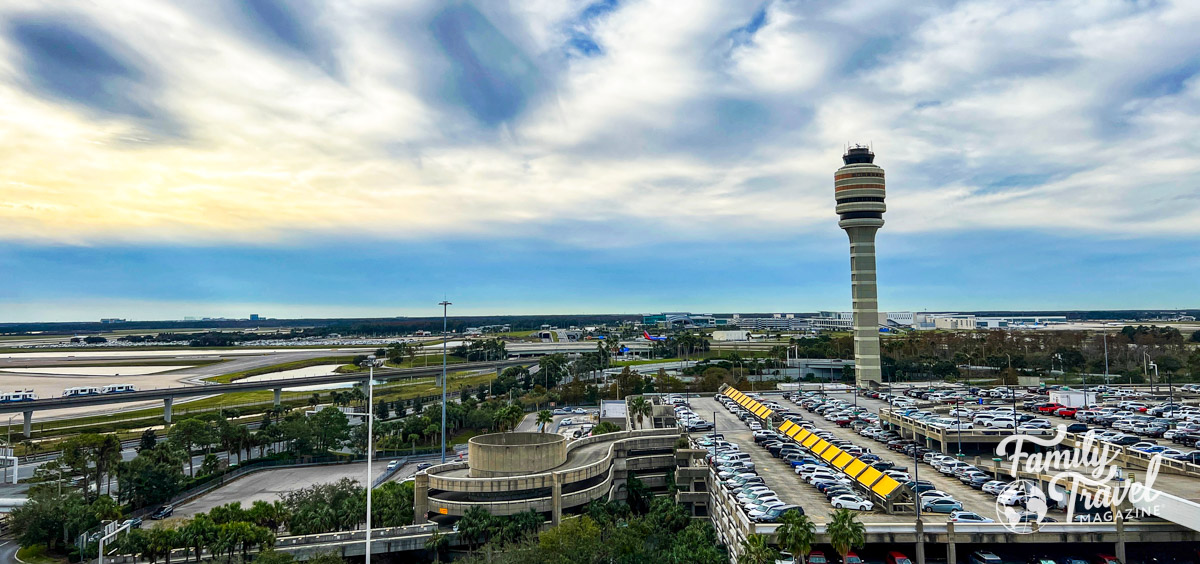
Nevertheless, experts emphasize that human elements and unpredictable meteorological shifts will always preclude absolute schedule perfection. By combining advanced tracking technology, strategic itinerary buffer planning, and a thorough understanding of passenger rights, travelers can effectively navigate the complexities of modern air travel and minimize the disruptions caused by unpredictable flight delays.
Related posts: