The Evolution of the Modern Babymoon: Transitioning from Solo Romantic Escapes to Family-Centric Toddler Travel

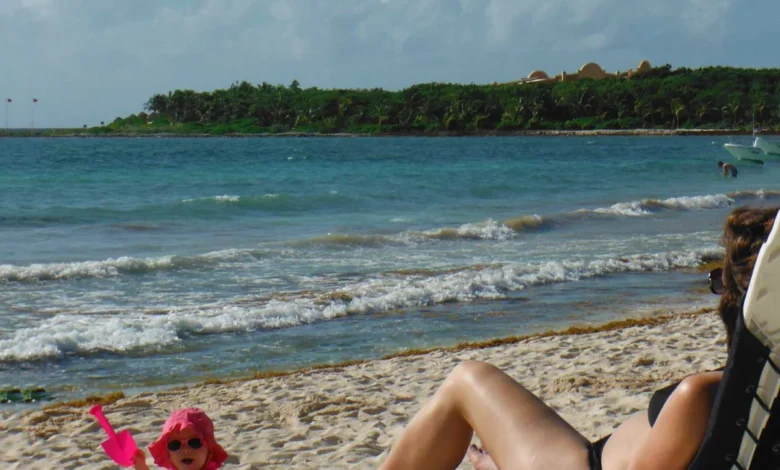
The concept of the "babymoon"—a final period of leisure taken by expectant parents before the birth of a child—has undergone a significant transformation over the last decade. While originally conceived as a solitary, romantic getaway intended to facilitate rest and couple-bonding, the rise of the "second babymoon" has necessitated a shift in logistical planning. For families welcoming a second child, the traditional model of high-adventure or quiet, isolated relaxation is increasingly being replaced by pragmatic, toddler-focused itineraries that account for the unique demands of parenting a young child while navigating the physical realities of a subsequent pregnancy.

The Shift in Parenting Trends and Travel Logistics
The primary distinction between a first and second babymoon lies in the shift from spontaneity to structural necessity. In the first instance, expectant parents typically prioritize leisure and personal interests, such as high-intensity hiking, long-distance road trips, or sophisticated international travel. Data suggests that these trips are frequently booked in the late second or early third trimester, often targeting locations that offer high sensory stimulation or physical challenge.
Conversely, the second babymoon, as documented by family travel experts, is defined by the needs of the existing toddler. The presence of a child under the age of three introduces non-negotiable variables: mandatory nap schedules, early bedtimes, specific dietary requirements, and the need for child-safe environments. Consequently, the industry has observed a pivot toward all-inclusive resorts and localized travel, which offer a controlled environment that reduces the "cognitive load" of travel logistics for pregnant parents.

Chronology of a Changing Travel Lifecycle
For many families, the lifecycle of pre-natal travel typically follows a two-stage trajectory. The first stage, occurring during the first pregnancy, is characterized by "maximum freedom." In this phase, couples often undertake significant excursions, such as long-haul flights or multi-stop road trips. A representative example involves the two-week, high-activity road trip through British Columbia, where the itinerary focuses on demanding physical pursuits like mountain hiking, whale watching, and intensive sightseeing.
The second stage, occurring during a subsequent pregnancy, is marked by "managed efficiency." By this time, the logistical reality of managing a toddler—who requires constant supervision and adherence to routine—dominates the planning process. Travel experts note that during this second phase, parents are significantly more likely to abandon bucket-list destinations in favor of "low-friction" travel. This shift typically occurs at the 20- to 28-week mark of the second pregnancy, as this window usually provides the best balance between maternal comfort and reduced risk of pregnancy-related complications.

Supporting Data on Prenatal Travel Safety
When planning a babymoon, regardless of the number of children involved, medical experts emphasize the importance of timing and location. The American College of Obstetricians and Gynecologists (ACOG) notes that the safest period for air travel is generally the second trimester. After 28 weeks, many airlines impose restrictions or require physician clearance due to the increased risk of preterm labor and the potential for deep vein thrombosis (DVT) during long flights.
Furthermore, the choice of destination is increasingly influenced by health-security data. Expectant mothers are advised to prioritize locations with high-quality medical infrastructure, stable access to clean water, and the absence of endemic infectious diseases that could pose risks to fetal development. This data-driven approach to destination selection is a cornerstone of the modern "second babymoon," where the priority is the mitigation of risk rather than the pursuit of novelty.

Fact-Based Analysis: The Impact on Family Dynamics
Sociologists and family therapists have observed that the "second babymoon" serves a functional role in the family unit beyond simple relaxation. It acts as a bridge during a period of transition. As the family prepares to grow from three to four members, the second babymoon allows for an intentional period of focused attention on the firstborn child. This "last hurrah" as a trio is increasingly recognized as a vital component in preparing the toddler for the sibling dynamic.
The implications for the travel industry are also notable. Travel providers, particularly in the all-inclusive sector, have adapted to this demographic by offering specialized "family-friendly" packages. These include in-room baby gear rentals, professional child-minding services, and kid-centric dining options, which directly address the pain points of traveling parents. This adaptation reflects a broader market shift: travel is no longer viewed as a pursuit that must be paused for child-rearing, but as an experience that must be optimized for the entire family unit.

Strategic Planning for the Second Babymoon
For parents navigating this transition, experts suggest a standardized approach to planning to ensure the experience remains restorative rather than exhausting:
- Strategic Destination Selection: Opt for environments that provide immediate access to essentials. All-inclusive resorts remain the industry gold standard for this, as they eliminate the need for complex meal planning and daily transport.
- Managing Travel Days: Minimize transit time. If flying, prioritize direct routes to avoid the stress of layovers. If driving, cap the duration to match the toddler’s tolerance levels, building in frequent, extended stops.
- The "One-Activity" Rule: To avoid burnout, adopt an itinerary that features only one major activity per day. This leaves the remainder of the day open for rest, pool time, or unplanned play, accommodating the volatility of both toddler mood and maternal energy levels.
- Prioritizing Infrastructure: When booking accommodation, ensure the room layout supports the family’s sleep cycle. A separate living space or a suite allows parents to maintain a normal evening routine after the toddler has been put to bed.
Official Responses and Industry Trends
Travel agencies specializing in family travel report that inquiries regarding "toddler-inclusive" vacations have increased by approximately 20% over the past five years. This trend is attributed to a generation of parents who are highly active, tech-savvy, and unwilling to cease their travel habits upon the arrival of children. Industry analysts suggest that this segment of the market is less sensitive to price and more focused on "service-level reliability"—they are willing to pay a premium for environments that guarantee safety, convenience, and predictability.

Broader Implications for the Future of Family Travel
The rise of the toddler-involved babymoon signals a broader cultural change in how families conceptualize leisure. It suggests that the boundary between "parenting" and "vacationing" is becoming increasingly blurred. The expectation that a vacation should be a total escape from domestic labor is being replaced by the expectation that a vacation should be a high-quality, memorable experience shared with children, albeit one that is facilitated by professional services and careful planning.
As more families opt for these "bridge trips," the demand for family-centric travel infrastructure is expected to continue its upward trajectory. From the integration of nursery-standard facilities in hotel chains to the proliferation of family-focused travel apps that provide real-time updates on local pediatric care and child-friendly activities, the tourism industry is moving toward a future where travel with children is not an exception to the rule, but a foundational pillar of the global travel market.

Ultimately, while the second babymoon may lack the quietude of a traditional, couple-only getaway, it offers a distinct, high-value experience for the modern family. By prioritizing realistic expectations and logistical ease, parents are finding that these trips provide a necessary, albeit busy, transition period that strengthens family bonds before the arrival of the next child. Whether through a staycation, a short road trip, or an all-inclusive resort experience, the objective remains constant: to carve out a moment of connection that acknowledges the evolving nature of the modern family.