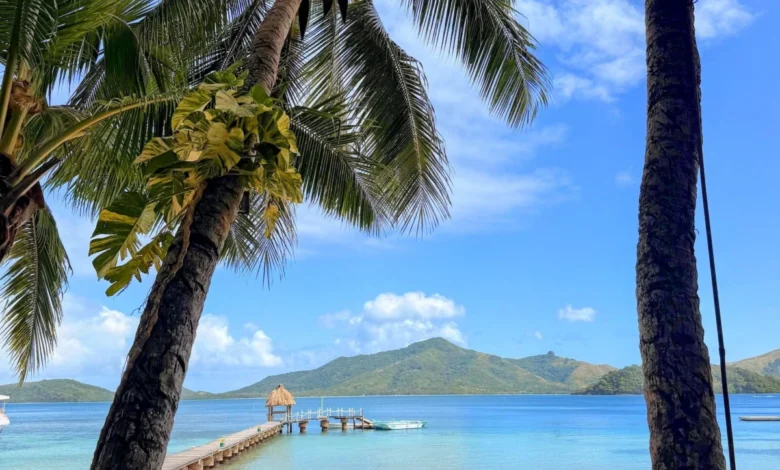
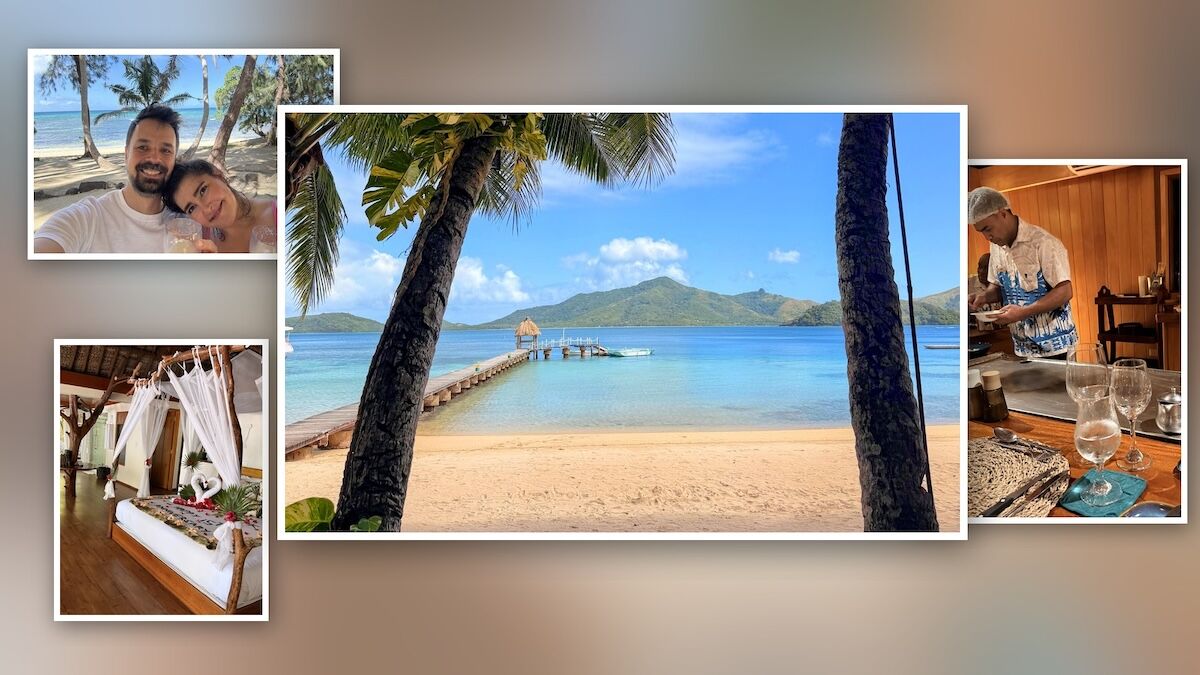
The arrival experience at Turtle Island, located within Fiji’s Yasawa archipelago, sets a distinct tone for a stay that prioritizes cultural integration over traditional high-end detachment. Arriving by seaplane from Nadi, guests are met on the shoreline by staff members who, through song and traditional Fijian attire, immediately shift the atmosphere from that of a commercial resort to one of communal kinship. This 500-acre private island, which maintains a strict capacity of 14 couples, serves as a unique model for low-impact, high-engagement hospitality that has evolved significantly since its inception in the late 20th century.
Historical Context and Development
The evolution of Turtle Island from a film set to a premier luxury destination began in 1972, when American entrepreneur Richard Evanson purchased the property. The island gained international notoriety as the primary filming location for the 1980 motion picture The Blue Lagoon. Following the conclusion of production, Evanson repurposed the infrastructure built for the cast and crew into guest accommodations. By 1980, the island began operating as a formal resort.
Over the subsequent four decades, the resort has maintained a niche focus on couples, with the exception of two designated "family weeks" held annually in June and December. This operational strategy has allowed the resort to cultivate a high rate of guest retention; internal reporting suggests that approximately 60 percent of visitors are repeat guests. The longevity of this model is attributed to a management philosophy that emphasizes long-term relationships between guests, the land, and the local Fijian staff.
Operational Structure and Sustainability
Central to the operation of Turtle Island is its emphasis on self-sufficiency. In an era where many luxury resorts rely heavily on imported goods and logistics, Turtle Island maintains a sophisticated internal supply chain. The island features a five-acre agricultural hub comprising 150 garden beds, which staff estimate provides approximately 80 percent of the resort’s fresh produce. This commitment to local sourcing extends to animal husbandry, with on-site poultry production, and artisanal manufacturing processes, including the production of house-made butter, juice, and sea salt harvested from the surrounding lagoon.
The importance of this self-reliance was underscored during the global supply chain disruptions of the COVID-19 pandemic. During this period, the island repurposed its resources to operate a floating grocery supply service, ensuring that neighboring villages in the Yasawa chain remained stocked with essential goods. This symbiotic relationship between the resort and the surrounding indigenous communities is a cornerstone of the island’s operational ethos. The majority of the staff are recruited from these nearby villages, and they lead the cultural programming, which serves as a vital component of the guest experience.
The Role of the Bure Mama
A distinctive feature of the guest experience at Turtle Island is the "bure mama" system. Upon arrival, each couple is assigned a dedicated staff member—a "mama"—who serves as a concierge, facilitator, and personal attendant. This role includes the management of daily logistics, such as meal coordination, laundry services, and the curation of personalized experiences. By providing a single point of contact for the duration of a stay, the resort minimizes the transactional nature of traditional hospitality, fostering instead a sense of continuity and trust.
Cultural Immersion and Communal Living
Unlike many luxury properties that offer isolation, Turtle Island is structured around communal interaction. Meals are served family-style, requiring guests to engage with one another throughout the day. This structure is intentional, designed to create a transient community that often results in long-term social connections between guests.
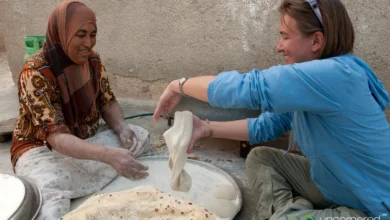
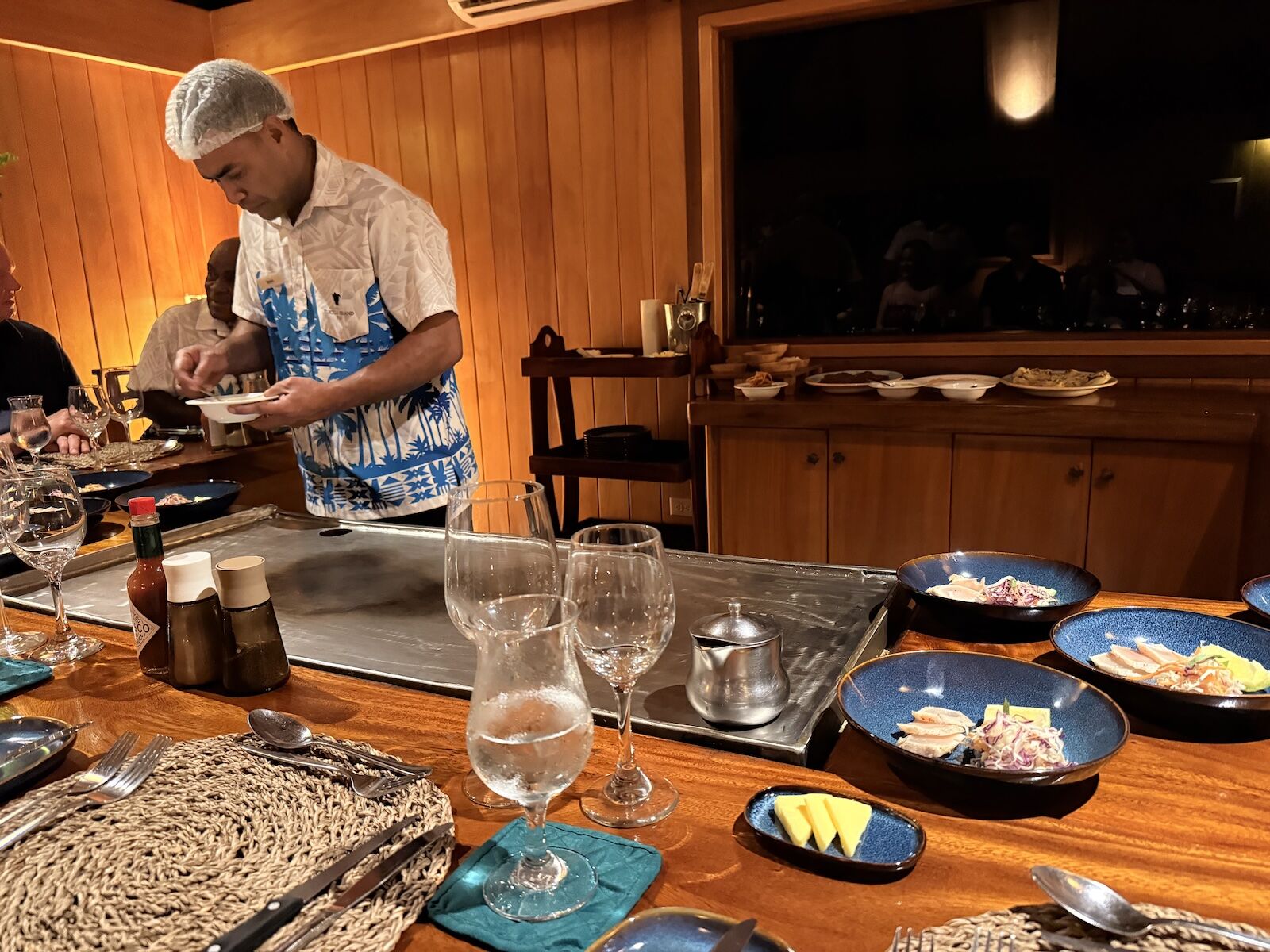
Cultural immersion is facilitated through traditional practices, such as the nightly kava ceremony—a social ritual involving the consumption of a traditional beverage—and the performance of meke, a Fijian dance that preserves the historical narratives of the region. Culinary education is also provided, with guests invited to participate in the preparation of kokoda (Fijian ceviche) and the use of the lovo, an earth oven that utilizes buried, heated stones for slow-cooking.
Privacy and Exclusive Experiences
Despite the communal nature of the resort, privacy is maintained through a strategic "exits" policy. Each couple is provided with private beach access on a rotating basis, complete with pre-arranged picnic lunches and remote drop-off locations. These private segments of the itinerary are balanced against the social requirements of the group, ensuring that guests experience both the intimacy of the island and the collaborative culture of the resort.
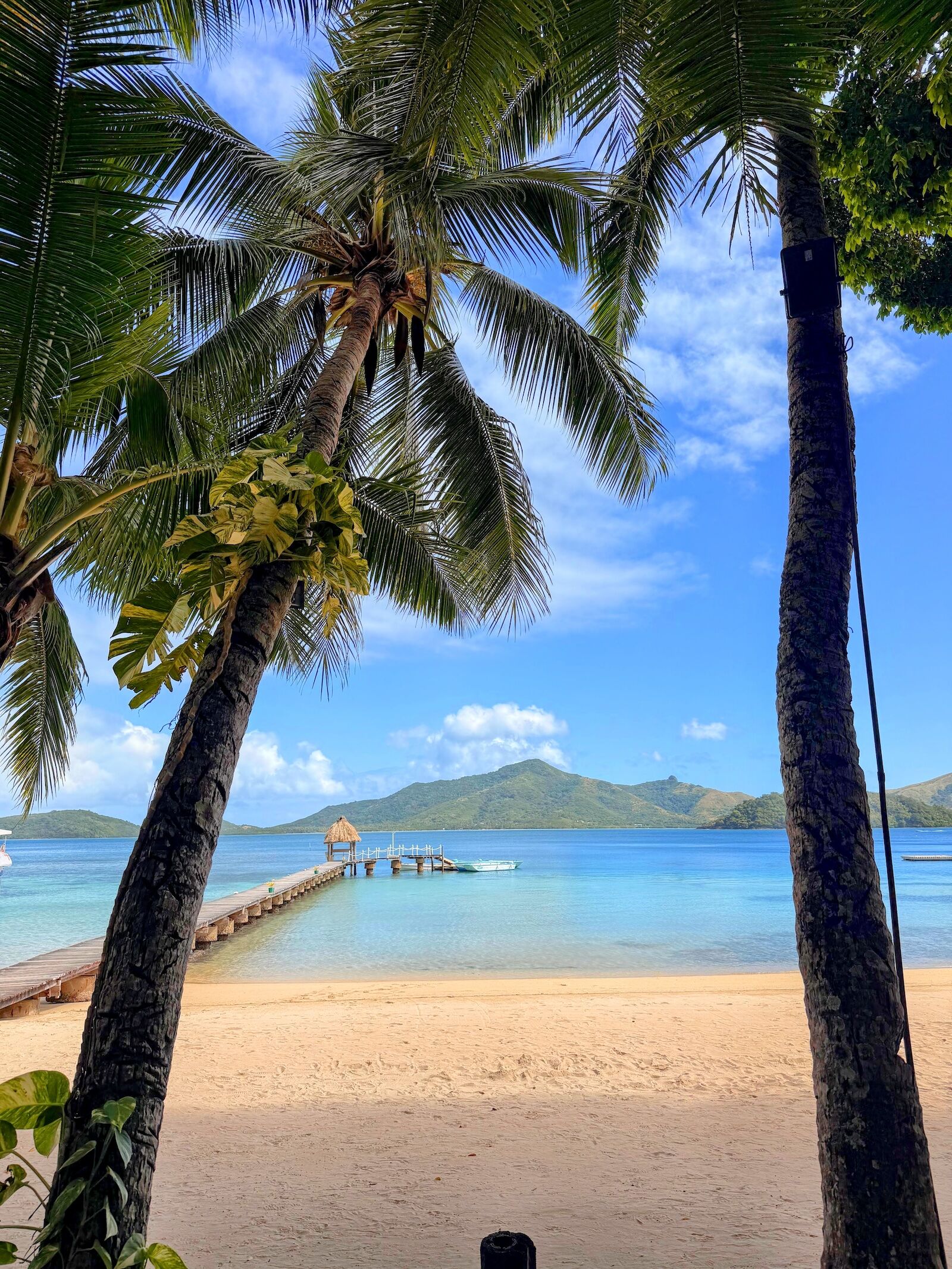
For many, these private moments—such as dining on a floating dock illuminated by ambient light—provide the necessary solitude to offset the intensity of the communal activities. The physical environment of the island, including its private beaches equipped with hammocks and comfortable seating, allows for a high degree of leisure that adheres to the resort’s low-density philosophy.
Long-term Impact and Guest Retention
The success of the Turtle Island model is perhaps best exemplified by its repeat visitors, many of whom return to mark milestones decades after their initial stay. Data regarding guest satisfaction consistently highlights the importance of the staff-to-guest relationship. For guests like Brooke and Chris Kyle, who returned for their 28th anniversary, the appeal lies in the consistency of the experience. The act of "checking in" on a previously planted tree or a marked stone serves as a physical manifestation of the long-term bond between the guest and the land.
The environmental impact of this model is managed through the aforementioned agricultural sustainability and a waste-reduction policy that discourages excessive consumption. By encouraging guests to participate in reforestation efforts—such as planting trees or hibiscus plants—the resort ensures that the footprint left by visitors is one of growth rather than depletion.
Strategic Implications for the Luxury Travel Sector
Turtle Island offers a compelling case study for the broader hospitality industry. As travelers increasingly seek "experiential" rather than merely "luxury" travel, the model of total immersion combined with sustainable, community-led operations is gaining traction. The reliance on local talent to drive the guest experience ensures that economic benefits are distributed within the immediate region, while the strict capacity limits protect the natural environment from the over-tourism that plagues many other tropical destinations.
However, the model is not without its challenges. The high-touch, labor-intensive nature of the bure mama system and the logistical complexity of maintaining a self-sufficient island require a significant investment in human capital. The sustainability of this model relies on the continued support of the local Yasawa communities and the maintenance of the delicate balance between social, environmental, and financial goals.
Conclusion
Turtle Island functions as more than a resort; it is a meticulously managed ecosystem of hospitality. By prioritizing cultural authenticity, environmental stewardship, and the development of deep, long-term relationships with its guests, the island has carved out a unique position in the global travel market. Whether through the nightly serenades that signal the start of evening cocktail hours or the slow, rhythmic pace of life governed by the rising of the tides and the preparation of food, the island demonstrates that true luxury is often found in the quality of connection—to the people who serve, to the community that hosts, and to the environment that sustains. As the resort continues to evolve, its focus remains fixed on a simple, yet elusive, goal: ensuring that every guest, regardless of the duration of their stay, feels as though they have become part of the island’s enduring, collective story.