Beyond the Pavement: Redefining Outdoor Adventure and Accessibility in the British Countryside

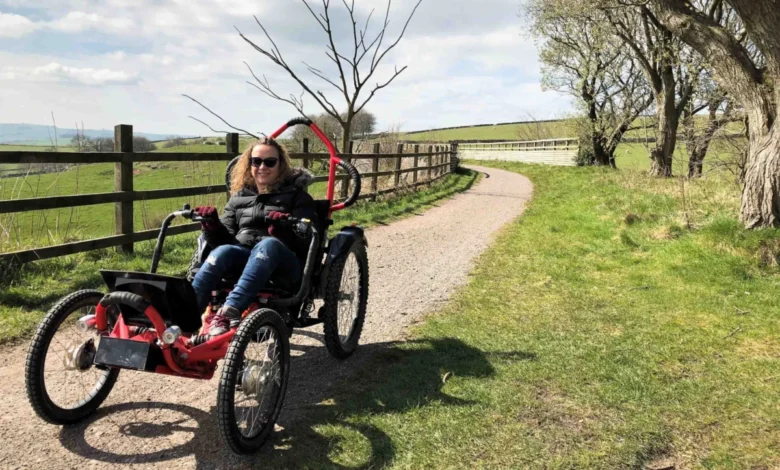
The global landscape of outdoor recreation is undergoing a paradigm shift, driven by disabled travelers, advocates, and specialized adventure operators who are challenging traditional definitions of rural accessibility. For decades, the concept of making the countryside accessible to individuals with mobility impairments has been largely synonymous with compromise—limiting participation to paved walkways, manicured botanical gardens, and gentle, flat viewpoints. However, a growing movement within the United Kingdom and internationally is proving that true accessibility does not require flattening the landscape, but rather expanding the means of engagement through specialized equipment, transparent data, and a fundamental reassessment of risk management.
The Evolution of Countryside Access: Moving Beyond Vague Promises
Historically, outdoor tourism infrastructure has struggled to accommodate wheelchair users and travelers with severe mobility limitations. Standard descriptors such as "fully accessible" or "wheelchair-friendly" have frequently proved ambiguous, offering little practical value to visitors navigating natural topography. For travelers with cerebral palsy or other conditions requiring mobility devices, standard pathways present a complex array of barriers: unmanaged mud, thick gravel, steep gradients, intrusive tree roots, and narrow stiles designed to exclude livestock rather than human beings.
This lack of granular information has historically forced disabled adventurers into cautious patterns of self-restriction, confining them to heavily regulated, sanitized environments. Advocacy groups and travel writers, including prominent accessibility consultant Carrie-Ann Lightley, have long argued that vague accessibility labels fail to respect the autonomy of disabled individuals. Rather than protecting travelers, a lack of detailed metrics regarding surface composition, incline percentages, and natural obstacles often functions as an exclusionary mechanism, effectively filtering out disabled participants before they even attempt a journey.

Pioneering Adaptive Infrastructure: From Abseiling to Aquatic Navigation
A wave of innovation across the UK’s premier national parks is dismantling these historical barriers. Specialized activity centers and conservation authorities are introducing engineered solutions that integrate mobility devices directly into high-adrenaline sports, rather than viewing them as obstacles to be circumvented.
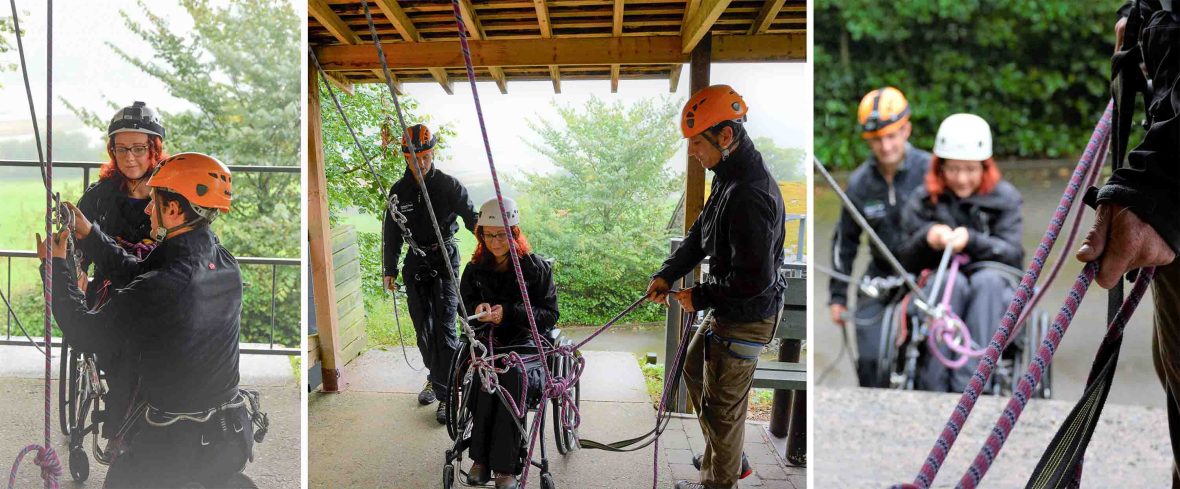
At the Calvert Lakes activity center in the Lake District, situated near Keswick and overlooking Bassenthwaite Lake, adventure tourism has been re-engineered for thrill-seekers with severe mobility restrictions. The facility features a purpose-built abseil slab designed specifically to allow wheelchair users to descend rock faces while remaining safely secured within their personal mobility devices. Supported by adaptive harnesses, overhead hoist systems, and highly trained instructors, participants engage in vertical descents that rival conventional extreme sports.
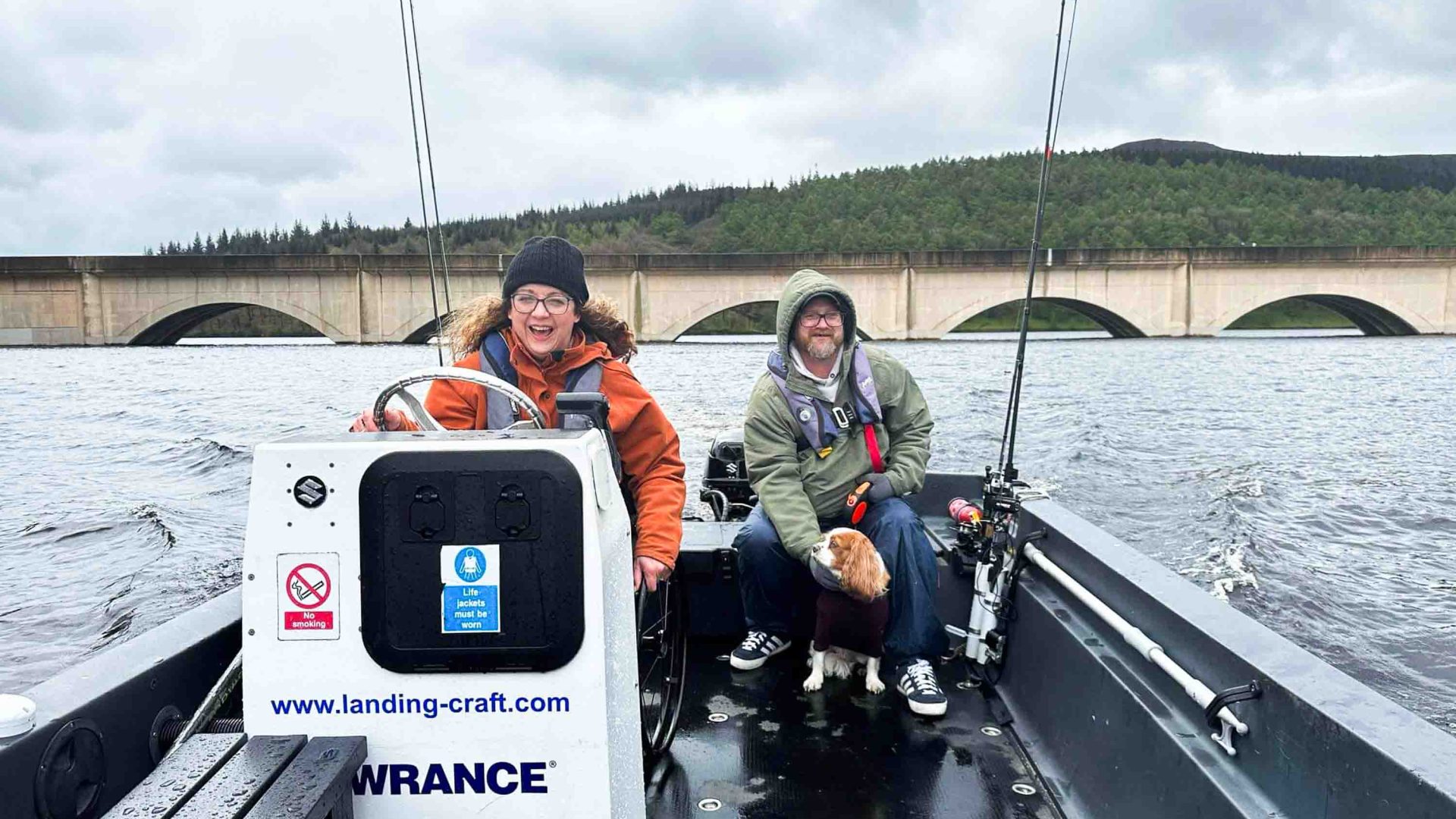
Similarly, the aquatic sector has seen transformative advancements through the widespread adoption of "Wheelyboats." Originating in the mid-1980s following an initiative by founder Alan Faulkner to help his wheelchair-using friend Bill Buchanan continue sport fishing, the Wheelyboat program has expanded significantly. Venues such as Ladybower Fisheries in the Peak District National Park now feature specialized accessible pontoons and watercraft equipped with drop-down bow doors, hydraulic lifts, and direct steering configurations operated entirely from a wheelchair. These vessels empower disabled visitors to pilot watercraft independently, shifting their role from passive spectators on the shoreline to active navigators on the water.
The Role of Granular Data: The "Miles Without Stiles" Initiative
While high-adrenaline sports capture media attention, systemic changes to everyday trail access remain fundamental to inclusive tourism. Initiatives such as "Miles Without Stiles," pioneered by the Lake District National Park Authority nearly thirty years ago and subsequently adopted by the Peak District National Park in 2018, have set a benchmark for trail transparency.
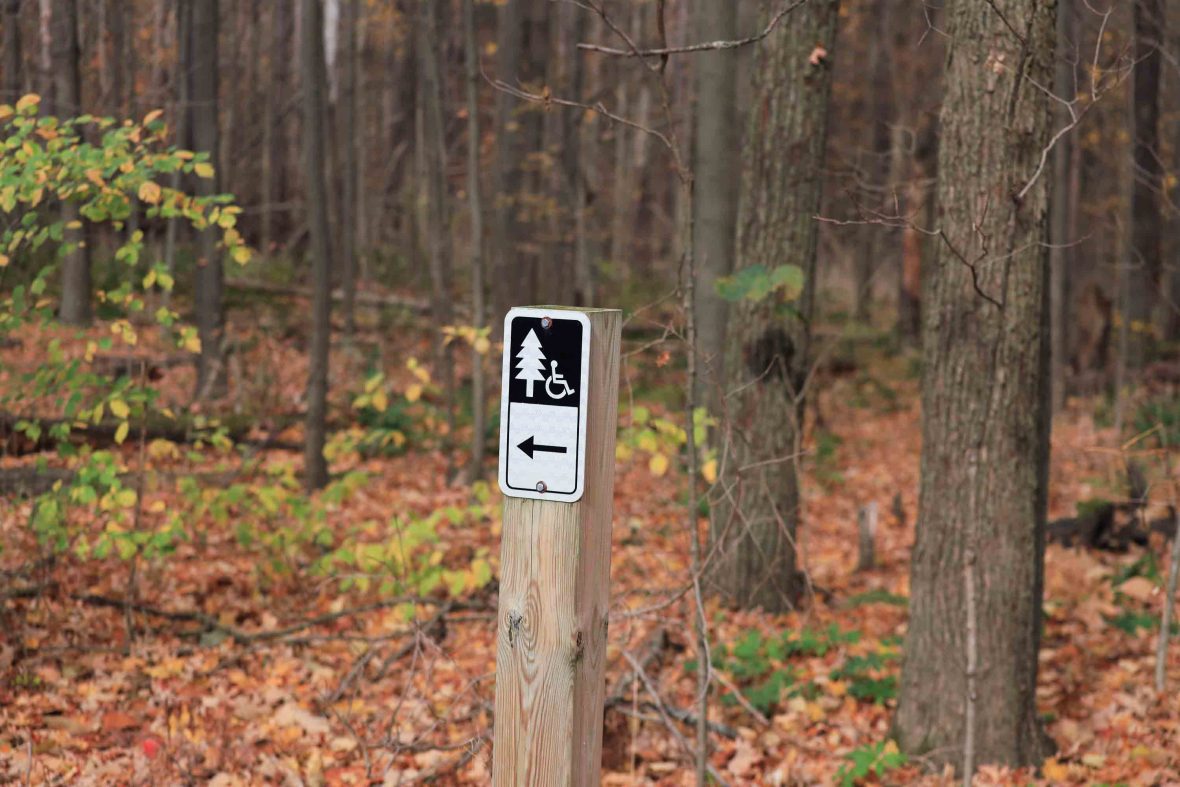
The Miles Without Stiles network encompasses dozens of meticulously surveyed routes across the Lake District and Peak District. Unlike traditional authorities that apply broad categorical labels, these programs grade routes individually based on rigorous metrics, including exact surface types, precise gradient measurements, and the complete absence of vertical barriers like steps and stiles. Comprehensive mapping and pre-trip access advisories empower travelers to evaluate risks independently, matching personal comfort levels with real-world environmental conditions.
Economic and Societal Implications of Inclusive Adventure Tourism
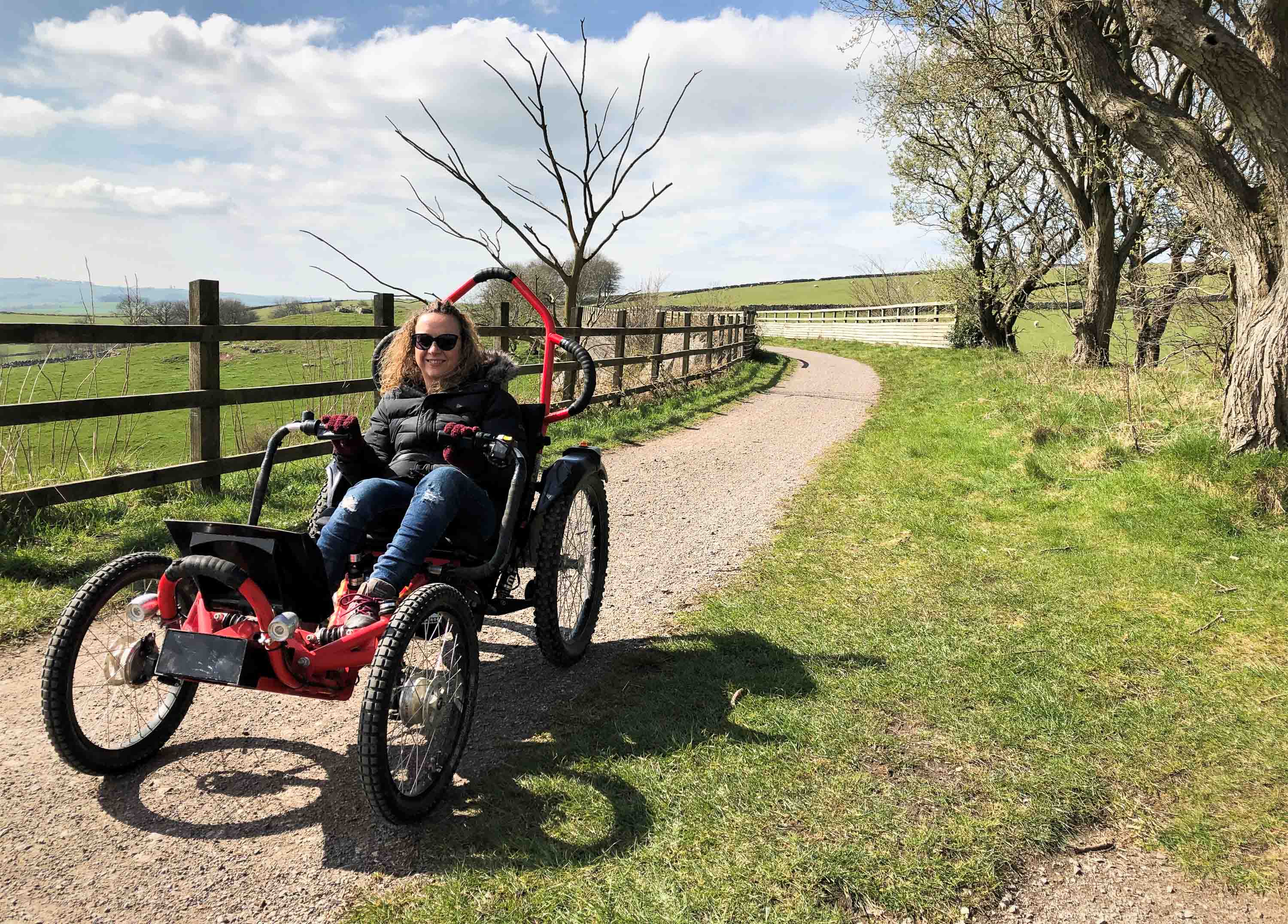
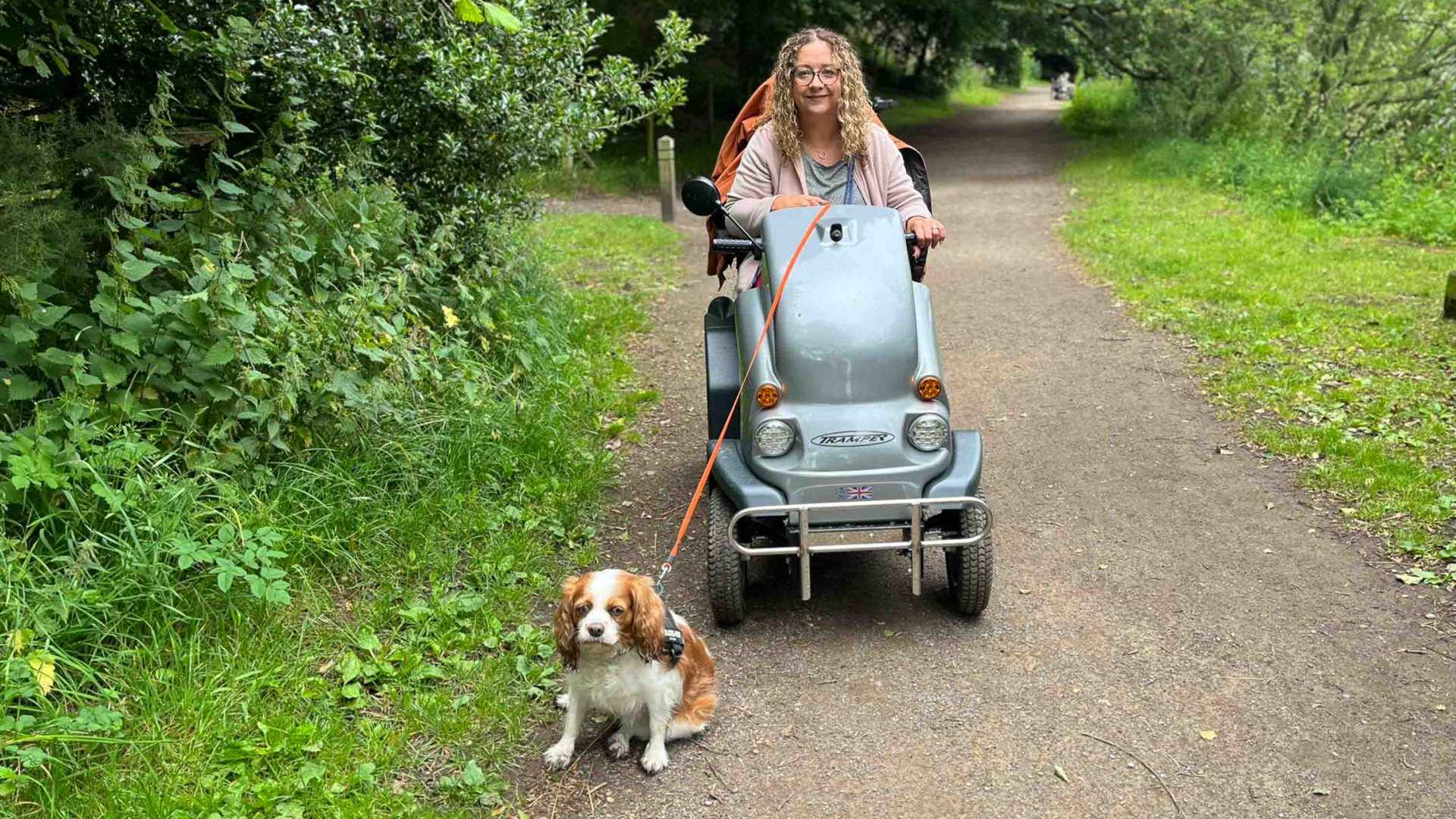
The expansion of adaptive adventure travel carries profound economic and social implications for the global tourism sector. According to global disability advocacy data, travelers with disabilities represent a massive, underserved demographic with significant discretionary spending power. By investing in adaptive technologies—such as all-terrain Tramper mobility scooters, specialized watercraft, and vertical ascent rigs—destinations can tap into a loyal market segment that prioritizes long-term accessibility partnerships.
Furthermore, industry analysts note that the integration of disabled travelers into mainstream adventure sports challenges deep-seated societal biases. Risk aversion among venue operators and insurance providers has historically functioned as a barrier to entry, with organizations frequently denying access out of an abundance of caution. However, successful models at centers like Calvert Lakes demonstrate that safety and high-thrill adventure are not mutually exclusive. When supported by appropriate engineering and knowledgeable professionals, risk management transitions from paternalistic exclusion to informed personal choice.
Future Outlook for Accessible Wilderness Exploration
As national parks and private operators continue to modernize, the standard for outdoor accessibility is shifting from passive observation to active participation. The convergence of detailed geographic data, innovative adaptive equipment, and a cultural shift toward bodily autonomy is reshaping the future of tourism.
Ultimately, the modernization of rural accessibility proves that the great outdoors does not need to be sterilized or stripped of its natural ruggedness to welcome everyone. By prioritizing transparent information, specialized mobility engineering, and the fundamental right to choose one’s own level of adventure, the tourism industry is moving closer to a reality where the primary question for any traveler facing the wilderness is not "Can I manage this?" but rather "Where shall we go next?"
Related posts: