Two Weeks in Costa Rica Through the Eyes of a Five-Year-Old: A Child’s Perspective on Family Travel and International Tourism

Family travel is frequently documented through the lens of adult itineraries, focusing on logistical efficiency, historical context, and culinary sophistication. However, a recent family expedition to Costa Rica offers a unique study in comparative travel reporting, as documented through the daily observations of a five-year-old child using a dedicated travel journal. The trip, spanning two weeks in October, provides insight into how young children process international travel, cultural immersion, and unexpected disruptions such as severe weather and minor natural phenomena. This methodological shift from adult-centric travel blogging to juvenile narration highlights the stark contrast between what adults prioritize on vacation—such as scheduling, luxury, and relaxation—and what children remember, namely wildlife encounters, local foods, tactile experiences, and moments of play.
Background Context of Family Travel in Costa Rica
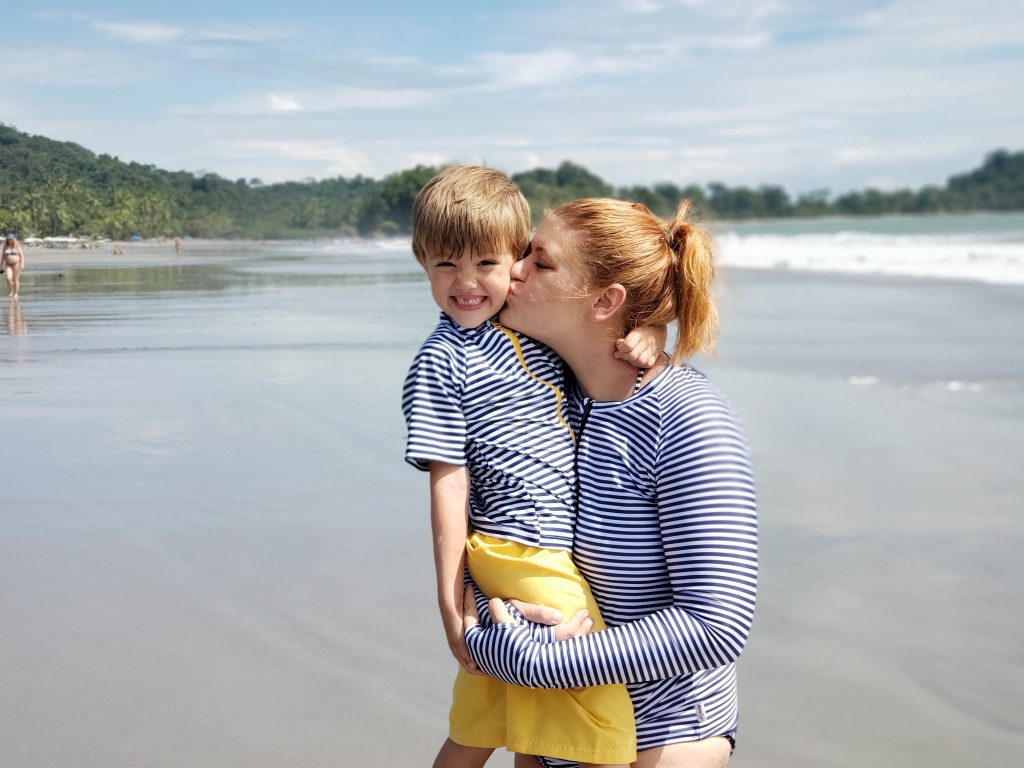
Costa Rica remains one of the premier ecotourism destinations in the world, welcoming millions of international visitors annually. Known for its rich biodiversity, progressive environmental policies, and stable tourism infrastructure, the Central American nation is a frequent choice for families seeking educational and nature-focused holidays. The destination of Manuel Antonio, located on the country’s central Pacific coast, is particularly renowned for its national park, abundant wildlife, and accessible beaches.
However, traveling with young children to a tropical destination involves navigating specific logistical challenges, including unpredictable weather patterns, long transit times, and health precautions such as insect protection. October falls within Costa Rica’s rainy season, often referred to locally as the green season, which brings frequent afternoon showers, occasional tropical storms, and lush landscapes. While these weather conditions can disrupt planned excursions—such as waterfall hikes—they also offer an authentic look at the region’s climate and ecological vitality.
Chronology of the Two-Week Expedition

The family’s journey began with a standard international flight followed by an overland transit that encountered significant delays. According to the child’s travel log, Day 1 involved a five-hour traffic standstill en route to Manuel Antonio caused by an accident on a major roadway—a common infrastructural vulnerability in regions with limited highway alternatives. Despite the delay, the itinerary included notable cultural touchpoints, such as observing American crocodiles at the Tarcoles River bridge, a popular tourist stop known for its dense population of large reptiles.
Subsequent days highlighted the seamless integration of wildlife into everyday accommodations in Costa Rica. By Day 2, the five-year-old recorded encounters with monkeys and sloths directly in the rental property’s backyard, underscoring the country’s high concentration of urban and semi-urban wildlife. Culinary experiences began to shape the daily narrative, with the child noting specific meals ranging from local diner fare to familiar comforts like macaroni and cheese, illustrating the dietary negotiations typical of pediatric travel.
Weather played a defining role during the middle of the trip. Days 3 and 4 were characterized by heavy rainfall, leading to indoor activities, video gaming, and visits to local marinas. By Day 5, the weather cleared sufficiently for a boat excursion, during which the young traveler experienced mild motion sickness—a common physical reaction to maritime travel—yet still managed to observe marine life, including sea turtles, before exploring coastal caves.

An active itinerary resumed on Day 6 with an early morning rainforest hike to local waterfalls, involving river crossings and boulder navigation. This physical engagement with the landscape contrasted with the passive relaxation days that followed. Notably, Day 7 featured a geological event: a magnitude 4.9 earthquake recorded during the night, providing an unexpected lesson in regional seismology, as Costa Rica sits along the seismically active Pacific Ring of Fire.
As the second week progressed, the trip balanced social activities, such as backyard barbecues and visits from arriving friends, with regional explorations. Day 10 brought logistical realities such as acquiring insect repellent for tropical bug bites, alongside culinary sampling of local treats. Although heavy storms on Day 11 forced the cancellation of planned waterfall excursions near Dominical, the day yielded a cultural highlight: the child’s introduction to plantains at a local cafe, subsequently declared a favorite food.
The final operational days of the trip, specifically Day 12, offered extensive engagement with local commerce and geography. A visit to the Quepos farmers market allowed the young traveler to sample regional produce, including white pineapple, mora juice, and dragon fruit, while also viewing educational artifacts such as a shark’s jaw at a vendor stall. Following missed log entries for Days 13 and 14, the journey concluded on Day 15 with a three-legged transit comprising a car ride to the airport, a flight with a layover in Houston, and a late-night return home greeted by extended family.

Supporting Data and Demographic Trends in Family Tourism
The documentation of family travel through children’s journals touches upon broader trends in the tourism industry, particularly the rise of multigenerational and child-centric travel planning. According to hospitality analytics, family travel accounts for a substantial percentage of international tourism bookings, with destinations increasingly tailoring their offerings to accommodate younger demographics. Educational tourism, or edutourism, has grown significantly, as parents seek destinations where children can learn about conservation, marine biology, and foreign languages firsthand—evidenced by the child’s reported progress in learning Spanish phrases during the trip.
Furthermore, studies in developmental psychology suggest that travel during early childhood enhances cognitive flexibility, cultural awareness, and memory retention, even if those memories are filtered through the immediate sensory experiences of food, play, and animal sightings. The use of structured travel journals for school-aged children has been endorsed by educators as a practical tool to reinforce literacy and reflective thinking while abroad.

Analysis of Implications for Family Travel Planning
The juxtaposition of adult travel blogging and pediatric journaling offers valuable insights for the tourism sector. While adult narratives often focus on destination branding, accommodation quality, and macroeconomic travel conditions, children’s accounts emphasize experiential micro-moments. The logistical hurdles faced by the family—such as highway accidents, severe seasonal rains, and minor medical needs like insect bite prevention—highlight the necessity of flexibility in family travel planning.
The economic implications for local businesses in regions like Manuel Antonio are also evident. Establishments ranging from casual eateries like Jolly Rogers and Sanchos to local artisan markets and boat tour operators benefit directly from family-oriented tourism expenditures. The willingness of travelers to adapt their itineraries in response to weather conditions demonstrates the resilience required when visiting tropical destinations during the green season.

Official and Industry Responses to Ecotourism Dynamics
Local tourism boards and property managers in Manuel Antonio emphasize the importance of preparing visitors for the realities of Costa Rican climate and wildlife coexistence. Regional safety guidelines routinely advise tourists on respecting wildlife boundaries, navigating seasonal weather changes, and supporting sustainable local businesses. Property management companies, such as those overseeing rental units in the area, increasingly provide comprehensive pre-arrival guides that address common logistical hurdles, including transportation delays from Juan Santamaría International Airport and health precautions related to tropical insects.
Broader Impact on Travel Documentation Methods

The methodology of co-authoring travel logs with young children points toward a shifting paradigm in travel media. By capturing the authentic, unfiltered reactions of a five-year-old, travel writers can bridge the gap between polished promotional content and the unpredictable, tactile reality of family exploration. As international tourism continues to recover and evolve post-pandemic, the incorporation of diverse perspectives—including those of the youngest travelers—enriches the broader cultural conversation surrounding global mobility, ecotourism, and the shared human experience of discovering new environments.