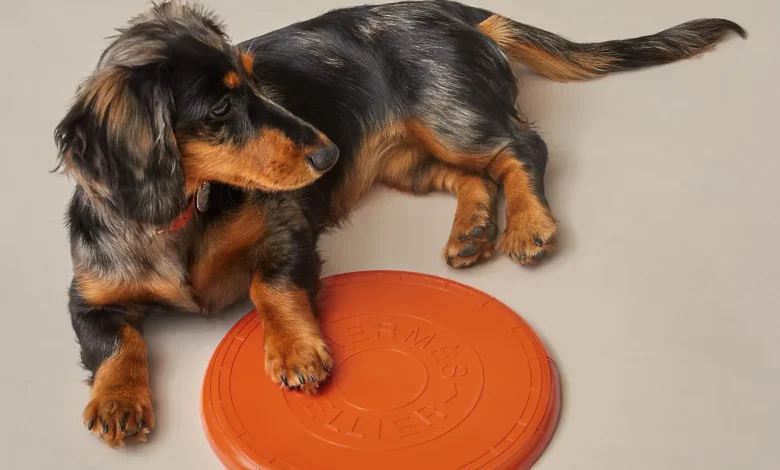
The holiday season has evolved beyond traditional human-centric festivities, with a significant shift in consumer spending habits toward the “humanization” of pets. As pet ownership rates have climbed steadily over the past decade—reaching nearly 70% of U.S. households according to the American Pet Products Association—the luxury market has responded by expanding its high-end catalogs to include bespoke items for domestic companions. This year’s curated selection of elite pet gifts underscores a broader trend: the integration of pets into the high-fashion and luxury lifestyle ecosystem, where quality, craftsmanship, and aesthetic cohesion are no longer exclusive to their owners.
The Evolution of the Luxury Pet Market
Historically, the pet accessory market was dominated by utilitarian products. However, recent data from market research firms suggests that the premium pet segment is one of the fastest-growing niches in luxury retail. In 2023, global spending on premium pet accessories exceeded $15 billion, a figure projected to continue its upward trajectory through 2026. This shift is driven by a demographic of “pet parents” who view their animals as integral family members, often prioritizing their comfort and style with the same rigor they apply to their own wardrobe and home décor.
The current landscape of luxury pet gifting is defined by the intersection of legacy fashion houses and niche boutique craftsmanship. From the storied ateliers of Paris to artisanal workshops in New York, the focus is on merging functionality with the high-design standards of the luxury sector.
The Pinnacle of Travel and High-Fashion Accessories
For the jet-setting pet, convenience and aesthetic alignment are paramount. Iconic houses such as Goyard and Louis Vuitton have long recognized the demand for high-end transport solutions. A designer travel trunk or a monogrammed carrier is not merely a utility; it represents a status symbol that bridges the gap between luxury travel and pet care.
In the realm of jewelry, the artisanal movement has reached new heights. New York-based designers are now crafting bespoke dog collars that mirror the complexity of human high jewelry. Pieces featuring bezel-set diamonds, pavé bone centerpieces, and hidden gemstones represent a sophisticated departure from standard hardware. These items are often commissioned as singular pieces, reflecting a level of craftsmanship traditionally reserved for luxury watches or engagement rings.
Home Aesthetics and the Interior Design Integration
The modern luxury home is increasingly designed to accommodate the presence of pets without sacrificing visual elegance. High-end brands such as Hermès have pivoted toward the pet space, producing dog beds that utilize the same high-quality leathers and fabrics found in their flagship furniture collections. This integration ensures that the pet’s environment is a seamless extension of the owner’s interior design aesthetic.
Similarly, companies like Interlude Home have introduced sophisticated pet steps, catering to the needs of aging or smaller pets while maintaining a clean, minimalist profile. The trend extends to dining, where Baccarat crystal bowls have become a preferred choice for owners seeking to elevate the daily feeding ritual. Furthermore, the rise of personalized home accessories, such as cashmere blankets embroidered with custom portraits of the animal, reflects the growing desire for bespoke goods that celebrate the unique identity of the pet.
Seasonal Fashion and Adaptive Apparel
The intersection of luxury fashion and canine apparel is perhaps the most visible indicator of the industry’s shift. Brands such as Moncler have adapted their signature quilted nylon laqué technology into dog coats, offering thermal protection that adheres to the rigorous technical standards of professional outdoor wear.
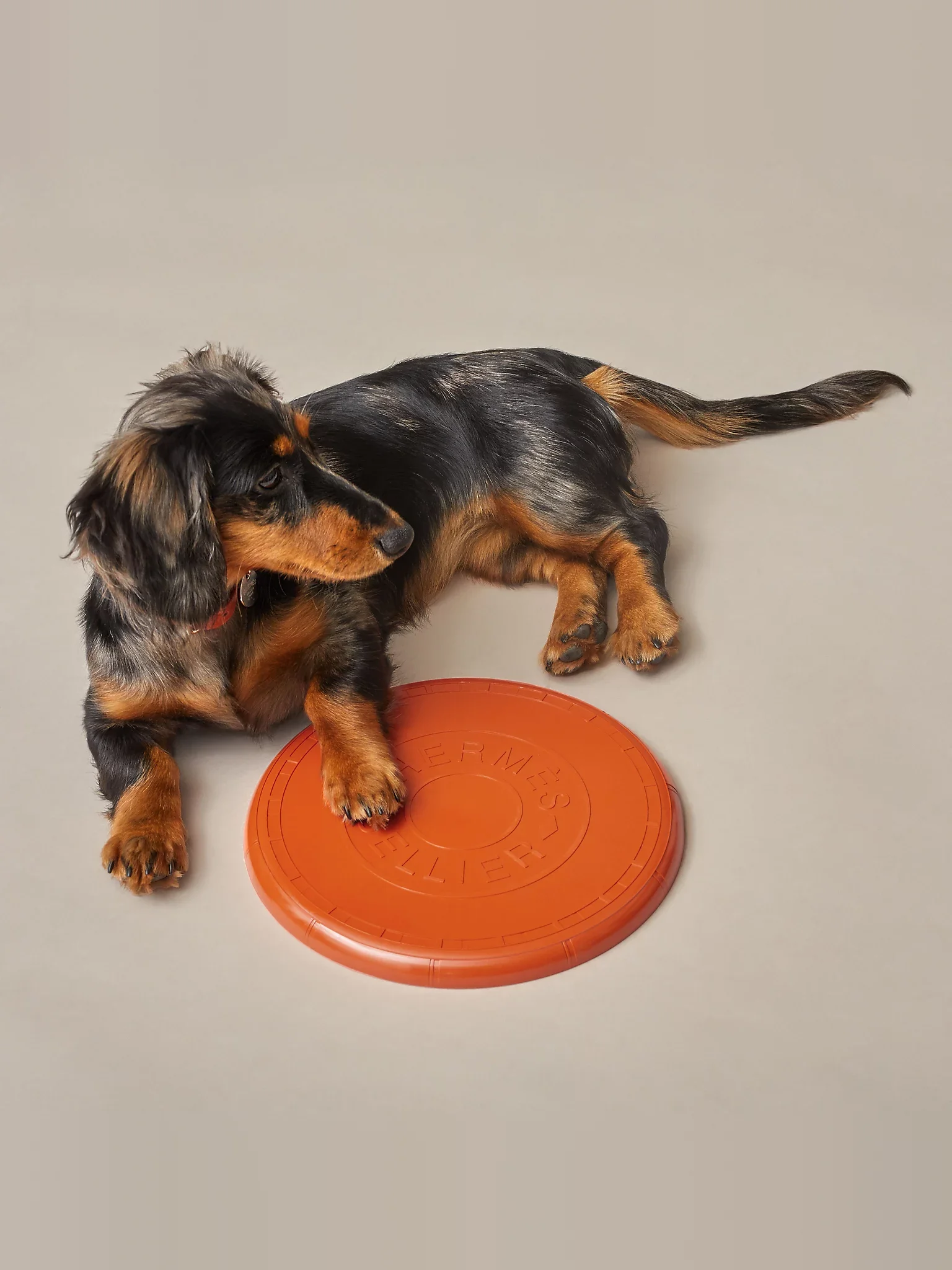
Limited-edition capsule collections, such as those from Skims, which feature matching patterns for owners and pets, emphasize the “twinning” trend. This cultural phenomenon is supported by social media growth and a desire for cohesive visual storytelling. Accessories have also seen a playful, high-fashion infusion, with items like miniature moon boots and Louis Vuitton’s feline-specific bow collars pushing the boundaries of what is considered acceptable in pet fashion.
The Wellness and Spa Movement
The most recent development in the luxury pet sector is the focus on holistic wellness and grooming. The “at-home spa” trend reflects a deeper awareness of pet health, with high-end brands producing specialized products to mitigate stress and improve physical condition.
Pagerie’s paw balm, for instance, serves a dual purpose: it provides essential hydration for the pet’s sensitive pads while maintaining a formulation that is safe for human contact. St. Pia’s luxury bathrobes offer a practical yet opulent solution for post-grooming care. Additionally, the emergence of ambient environment products, such as calming bed mists, suggests that the market is moving beyond physical objects to include sensory and psychological well-being. These innovations are supported by a growing consumer preference for organic, non-toxic ingredients, mirroring the wellness trends seen in human beauty and skincare.
Chronology of Market Development
2015–2018: The nascent stage of luxury pet goods, characterized primarily by high-end designer collaborations on basic collars and leashes.
2019–2021: The surge in pet ownership during the global pandemic accelerates the demand for home-based luxury, including high-end bedding and custom furniture.
2022–2024: The professionalization of the sector, with major fashion houses launching dedicated pet divisions and artisanal brands specializing in fine jewelry and wellness products.
2025–2026: Projections indicate a focus on “smart” luxury, integrating technology into high-end pet products, such as climate-controlled beds and tracking-enabled jewelry.
Analytical Perspective: Implications for the Industry
The shift toward luxury pet gifting has significant implications for retail strategies. Brands that fail to integrate the "pet-as-family-member" narrative into their marketing are missing a demographic that is increasingly willing to allocate high-percentage disposable income toward their animals. However, this sector requires a high degree of authenticity. Consumers in this space are often highly educated and discerning; they prioritize material quality, ethical sourcing, and the longevity of the product.
Furthermore, the rise of this market has created a robust secondary ecosystem of influencers, luxury pet concierge services, and niche retail boutiques. The “Elite Traveler” approach to this curation—relying on first-hand research and an understanding of craftsmanship—reflects the standard expected by today’s luxury consumer.
Expert Methodology in Curation
The process of selecting these items is rooted in a rigorous vetting system. By focusing on legacy brands known for their heritage and emerging designers recognized for their technical precision, the curation process avoids the pitfalls of mass-market consumerism. The criteria for inclusion are threefold: exceptional material quality, functional relevance to the pet’s daily life, and the ability to maintain the aesthetic standards of a luxury household. This methodology ensures that every purchase is an investment in quality rather than a fleeting trend.
Conclusion
As we look toward the 2026 holiday season and beyond, the luxury pet market shows no signs of saturation. Instead, it is becoming more refined, more personalized, and increasingly attuned to the specific needs of the animals themselves. Whether it is a hand-crafted diamond collar or a sustainably sourced cashmere blanket, these gifts represent a testament to the enduring bond between humans and their companions. As the lines between human lifestyle and pet care continue to blur, the industry will undoubtedly continue to innovate, offering new ways to honor the most loyal members of our households.