The modern era of travel has increasingly prioritized efficiency, leading to the rise of the "micro-adventure"—expeditions designed to deliver high-impact wildlife experiences within a 72-hour window. While traditional safaris often require weeks of immersion, global tour operators have curated condensed itineraries that leverage logistical precision to bring travelers face-to-face with apex predators and endangered species in some of the world’s most remote ecosystems. From the volcanic ranges of Rwanda to the high-altitude wilderness of the Canadian Rockies, these brief but intensive journeys represent a shift in how conservation-minded tourism is consumed.
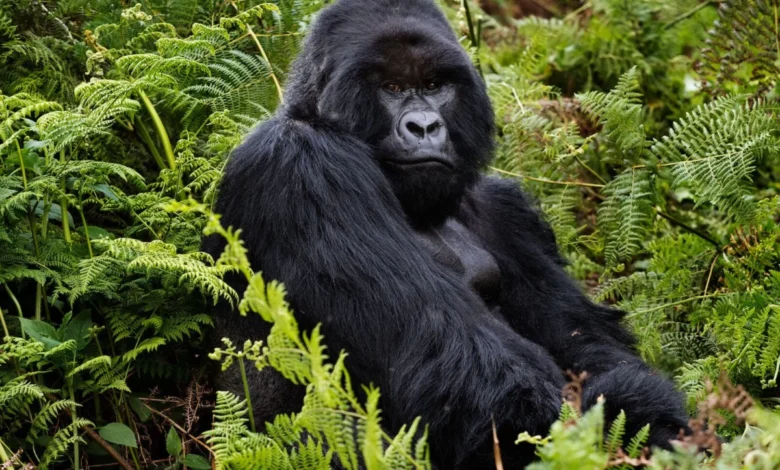
The Rwandan Gorilla Trek: A Study in Conservation Logistics
A three-day itinerary centered on Rwanda’s Volcanoes National Park offers one of the most exclusive wildlife encounters available. The logistical backbone of this trip begins in Kigali, a city that has undergone a remarkable socio-economic transformation over the past three decades. Travelers arrive at Flame Tree Village, serving as a base for both cultural orientation and the upcoming trek.
The itinerary serves a dual purpose: educational and ecological. On the second day, participants engage with the history of the 1994 genocide against the Tutsi, visiting the Kigali Genocide Memorial. This context is essential for understanding the contemporary Rwandan landscape, where conservation efforts have become a pillar of national identity. By 6:30 AM on the third day, the transition from urban center to the Virunga Mountains is immediate.
Park authorities in Rwanda employ a rigorous assessment process, where physical fitness is evaluated to ensure the safety of both the tourists and the mountain gorillas—an endangered species with a global population hovering around 1,000 individuals. Following the trek, the proximity of the park to the international airport facilitates a rapid exit, emphasizing the "whirlwind" nature of the experience. Conservationists argue that these high-cost, low-volume treks are vital, as the permit fees directly fund the protection of the gorilla habitat.
Amazonian Biodiversity: The Peruvian Jungle Circuit
In Peru, the 72-hour adventure focuses on the Madre de Dios region, a biodiversity hotspot in the Amazon Basin. Departing from Cusco, travelers fly into Puerto Maldonado, the gateway to the southern jungle. The journey involves a transition from air travel to river navigation via the Madre de Dios River.
The biological density of this region is significant. Monkey Island, a focal point of the first day, provides an opportunity to observe various primate species, including the black spider monkey and the capuchin. On the second day, the trek to the Lost Lagoon offers a more strenuous immersion into the Amazonian ecosystem. Observations here often include giant river otters and various crocodilian species, which serve as bio-indicators of the river’s health.
The inclusion of a watchtower ascent provides a perspective on the canopy layer, which is essential for understanding the multi-tiered structure of the rainforest. This itinerary highlights the logistical complexity of jungle tourism, where success is dependent on local expertise and river conditions.
Tanzanian Game Drives: The Speed of the Serengeti Corridor
Mikumi National Park, located in Tanzania, provides a high-density game viewing experience for those with limited time. Departing from Dar es Salaam at 5:00 AM, the drive to Morogoro and subsequently to the park gates requires a significant commitment to transit.
The park is part of the larger Selous ecosystem, which is critical for the migration of large mammals. The schedule is aggressive, with multiple game drives conducted over a 48-hour period. The objective is to maximize exposure to the "Big Five"—though in Mikumi, the focus often shifts to the visibility of lions, giraffes, and leopards. The reliance on the Mikumi Tourist Cottage provides a rustic, functional base that emphasizes utility over luxury. The rapid transition back to the Dar es Salaam airport underscores the demanding nature of this safari, which requires high levels of coordination between ground transport and park authorities.
Nairobi National Park: The Urban Safari Model
Nairobi National Park stands as a global anomaly in conservation: a fully functional game reserve located within the city limits of a major capital. The proximity of the park to the Jomo Kenyatta International Airport—roughly 30 minutes by vehicle—makes it an ideal location for the time-constrained traveler.
The park hosts a diverse array of megafauna, including lions, rhinos, and giraffes, set against the backdrop of the Nairobi skyline. This juxtaposition has sparked significant debate regarding urban sprawl and wildlife corridors. The presence of an elephant orphanage and an educational center within the park grounds adds a layer of formal conservation engagement. Unlike remote reserves, Nairobi National Park offers a scalable experience, with half-day and full-day options that cater to international travelers on layovers or short-term business trips.
Canadian Wilderness: The Chilcotin Mountain Expedition
Not all short-duration safaris occur in the tropics. The Chilcotin Mountains of Manitoba and British Columbia offer a North American alternative for those seeking large mammals. While polar bear expeditions in Churchill typically demand extended timelines, horseback treks in the Chilcotin region provide a condensed experience focused on grizzly bears, moose, and bighorn sheep.
The transition from urban Vancouver to the wilderness of a working mountain ranch involves a five-hour drive or transit. The use of horses allows for a lower-impact, quieter approach to wildlife observation, which increases the likelihood of sighting grizzly bears. The integration of 4×4 vehicles and snowmobiles adds a layer of logistical flexibility, allowing for independent exploration of the rugged terrain. This model reflects a growing trend in North American tourism that emphasizes self-reliance and the rugged exploration of sub-alpine environments.
The Maasai Mara: Aerial Perspectives on Migration
The Maasai Mara in Kenya remains the definitive safari destination, yet even here, operators have condensed the experience into three-day windows. The itinerary typically involves a departure from Nairobi, traversing the Great Rift Valley Escarpment.
The primary attraction is the proximity to the wildebeest migration, a natural phenomenon that influences the entire ecosystem. The use of eco-camps, such as the Miti Mingi camp, integrates the traveler directly into the environment, often with minimal separation from local wildlife. The inclusion of hot air balloon safaris provides an aerial perspective that is both a luxury experience and a valuable tool for observing the vast scale of the savannah.
Implications and Future Outlook
The rise of the "micro-safari" presents a complex set of implications for the travel industry and conservation efforts. On one hand, these condensed trips democratize access to world-class wildlife experiences, allowing time-poor travelers to engage with natural wonders they might otherwise never visit. This contributes to the revenue streams of national parks, which are often reliant on tourism fees to combat poaching and habitat encroachment.
However, critics point to the environmental footprint associated with rapid transit. The frequent reliance on small aircraft and short-haul ground transport increases the carbon intensity of these trips. Furthermore, the high turnover of visitors in sensitive ecosystems requires stringent management to ensure that wildlife behavioral patterns are not disrupted by the constant presence of human observers.
Industry analysts suggest that the future of the weekend safari will likely depend on the adoption of sustainable transport technologies and a continued emphasis on "low-impact, high-value" tourism. As travelers become more environmentally conscious, the success of these operators will increasingly depend on their ability to prove that a three-day excursion can be both ecologically responsible and logistically seamless.
In conclusion, the 72-hour safari is no longer a contradiction in terms. Through careful planning, efficient transit, and a focus on localized high-density wildlife areas, it is possible to achieve a meaningful connection with the natural world. Whether traversing the plains of Kenya or the forests of Rwanda, the objective remains clear: to provide an intensive, educational, and respectful encounter with the planet’s most iconic species within the constraints of a modern, busy life.