The Comprehensive Guide to Trekking the Druk Path and the Trans Bhutan Trail

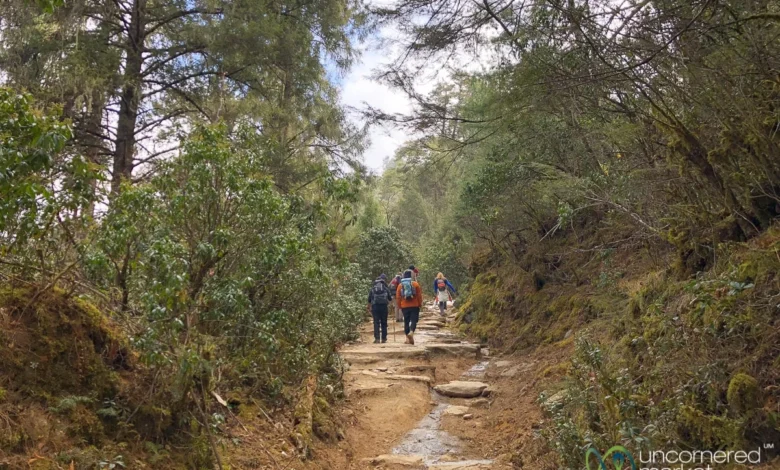
Bhutan, a kingdom nestled in the Eastern Himalayas, has long been a destination shrouded in mystery and reverence. Known for its "Gross National Happiness" index and its stringent commitment to environmental preservation, the nation has historically limited tourism to protect its pristine mountain ecosystems and distinct cultural heritage. Among the country’s most celebrated outdoor pursuits is the Druk Path Trek, a route that winds through the lower Himalayan range, offering travelers a rare glimpse into the intersection of ancient Buddhist tradition and rugged alpine landscapes.
Historical and Geographic Significance of the Druk Path
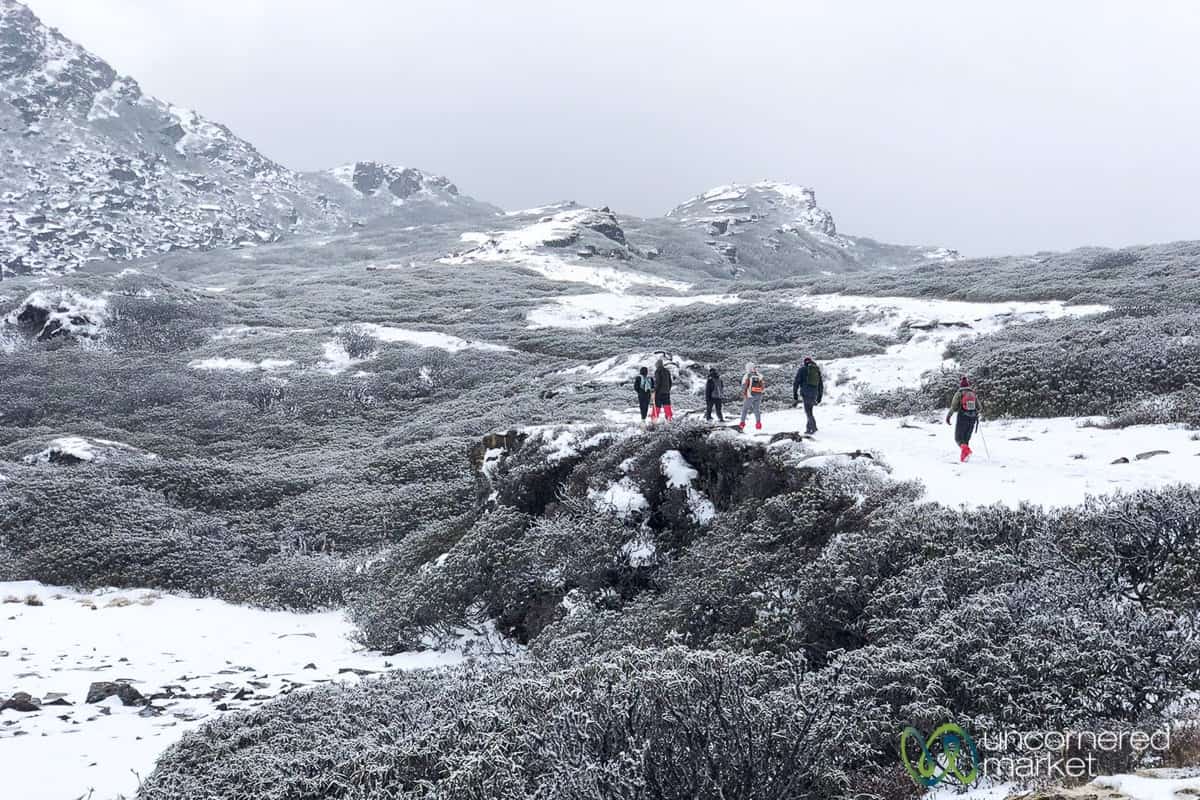
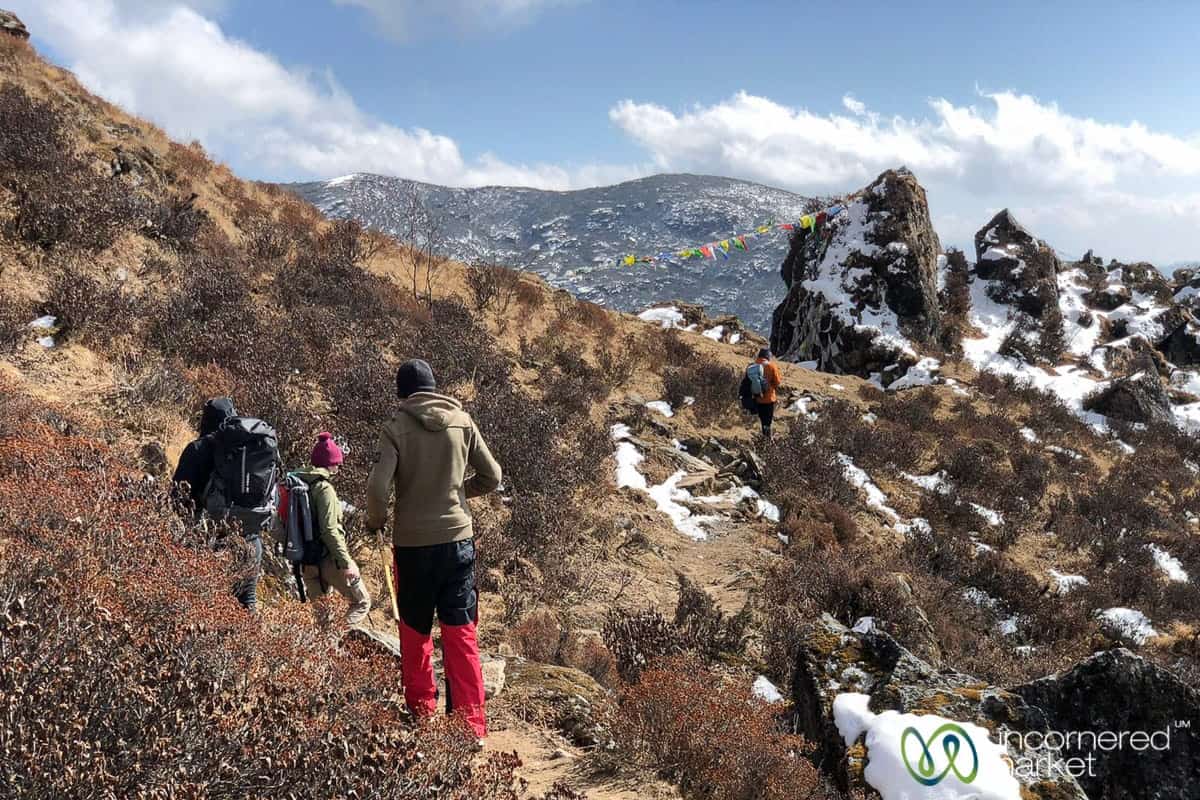
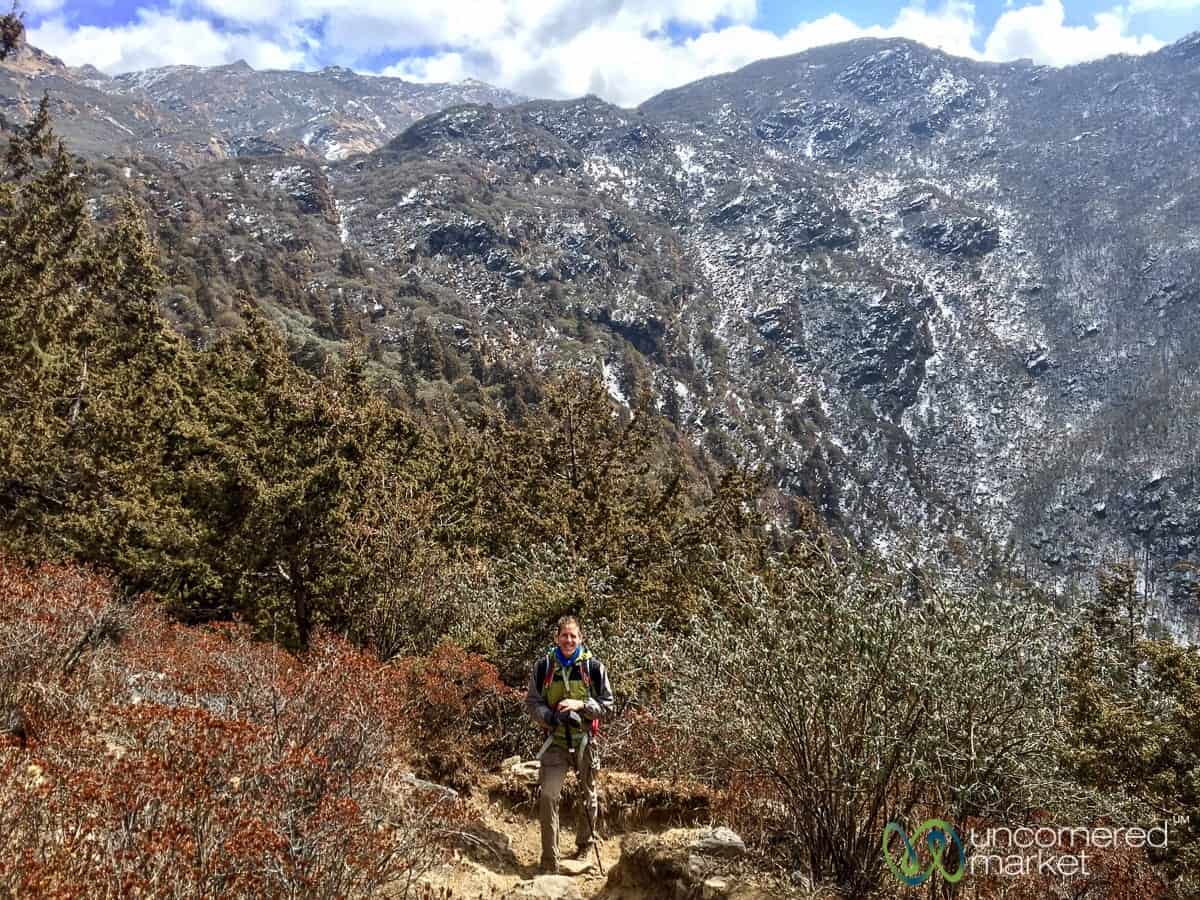
The Druk Path, often referred to as the "Thunder Dragon Path," serves as an iconic high-altitude corridor connecting the administrative hubs of Paro and Thimphu. Spanning approximately 36 to 45 kilometers (22 to 28 miles), the trail reaches its highest elevation at the Labana Pass, sitting at 4,200 meters (13,800 feet). Historically, this route was a vital mule track used by traders and pilgrims traveling between the valleys. The geography of the trek is characterized by dense pine forests, rhododendron thickets, and high-altitude alpine lakes that remain home to migratory yak herders during the summer months.
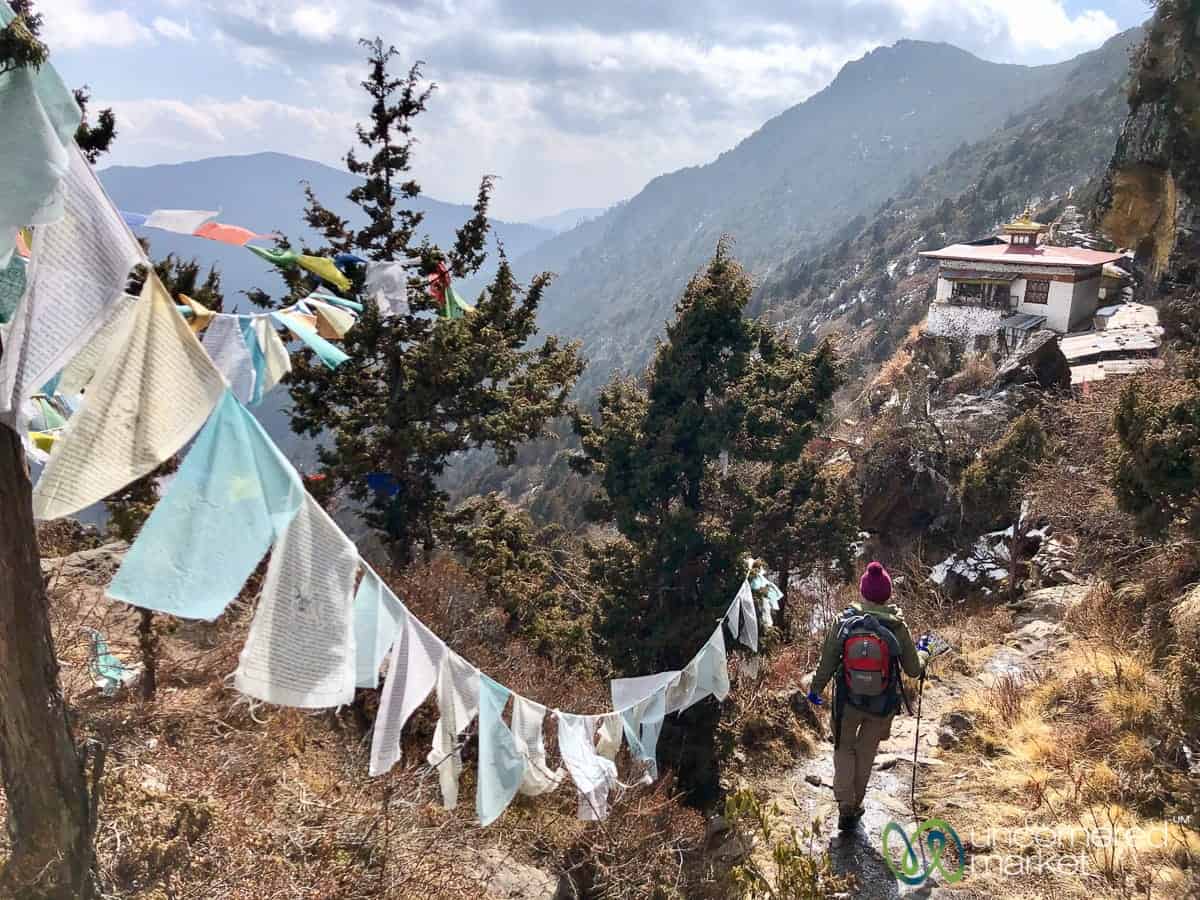
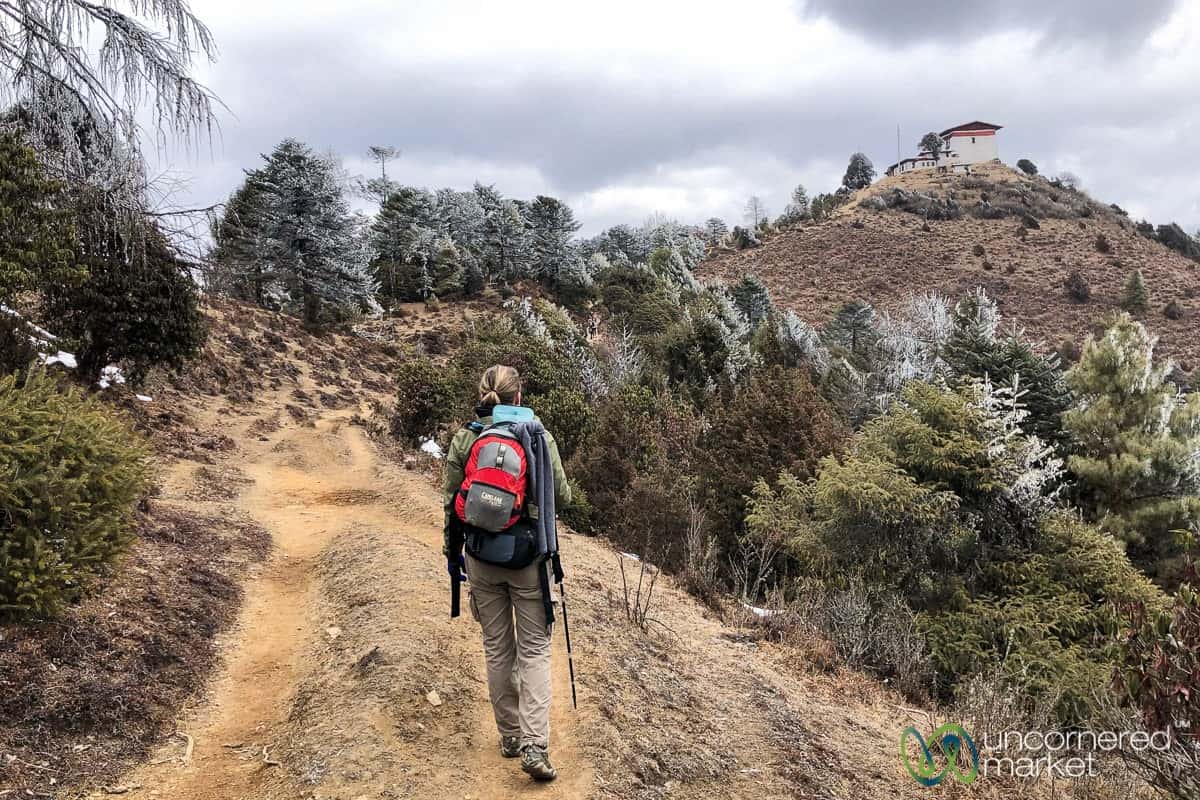
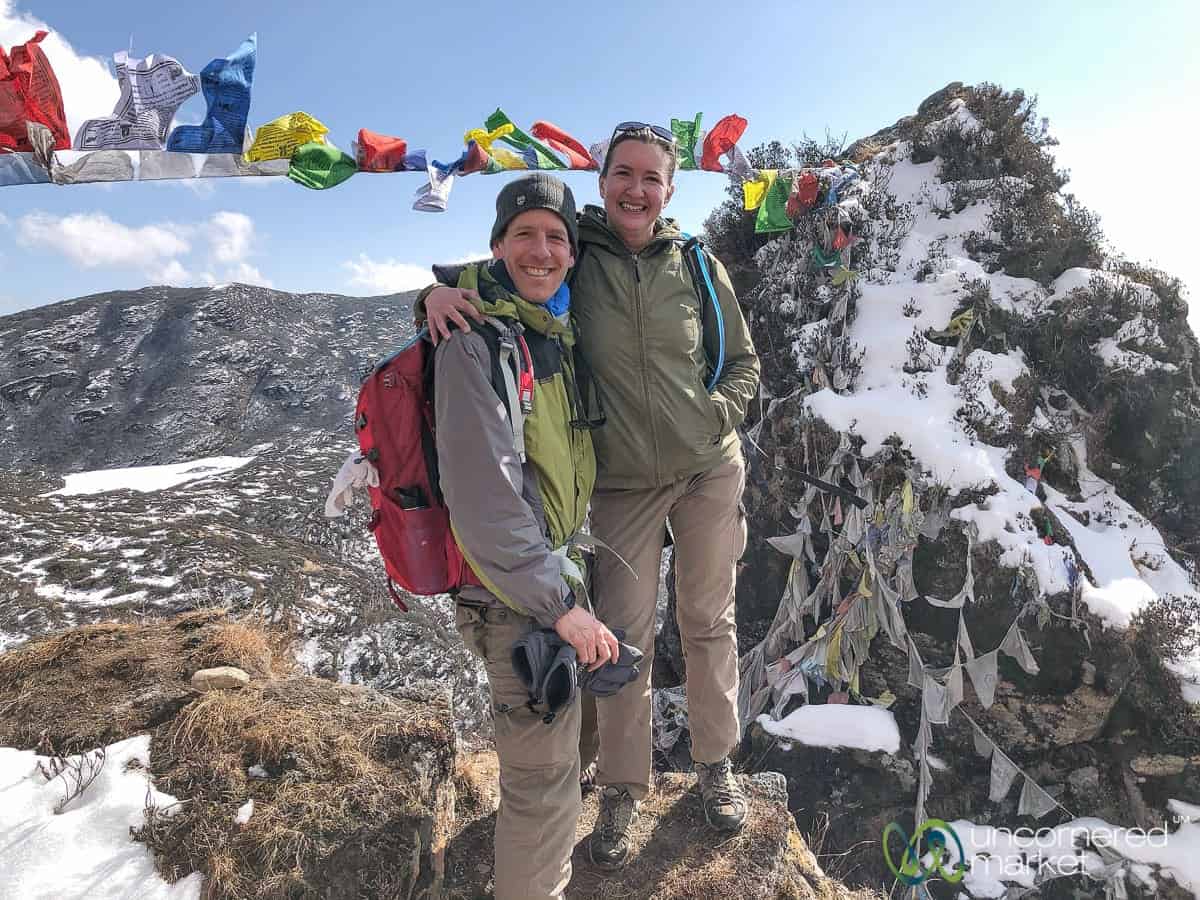
The trail is not merely a path but a living museum. It passes by the 15th-century Jele Dzong, a fortress-temple perched on a ridge, and the Thujidrak Goemba, a meditation center carved directly into the mountain rock. These sites reflect the deep-seated spiritualism of Bhutan, where Buddhism is deeply integrated into the landscape.
A New Chapter: The Restoration of the Trans Bhutan Trail
While the Druk Path has long been a staple for experienced hikers, the landscape of Bhutanese adventure travel shifted significantly with the 2022 reopening of the Trans Bhutan Trail. This ancient network, which once stretched 403 kilometers (250 miles) from Haa in the west to Trashigang in the east, had largely fallen into disuse during the 1960s as road construction prioritized modernization over historical footpaths.

The restoration project, which began in 2018, saw an acceleration during the global COVID-19 pandemic. With tourism halted, the government and local stakeholders utilized the labor of 900 furloughed workers to clear paths, rebuild ancient bridges, and restore key sections of the trail. The project stands as a testament to the country’s focus on community-based tourism. By involving local village homestays and sourcing food from nearby farms, the trail aims to distribute the economic benefits of tourism into rural, previously inaccessible regions.
Operational Logistics and Regulatory Framework
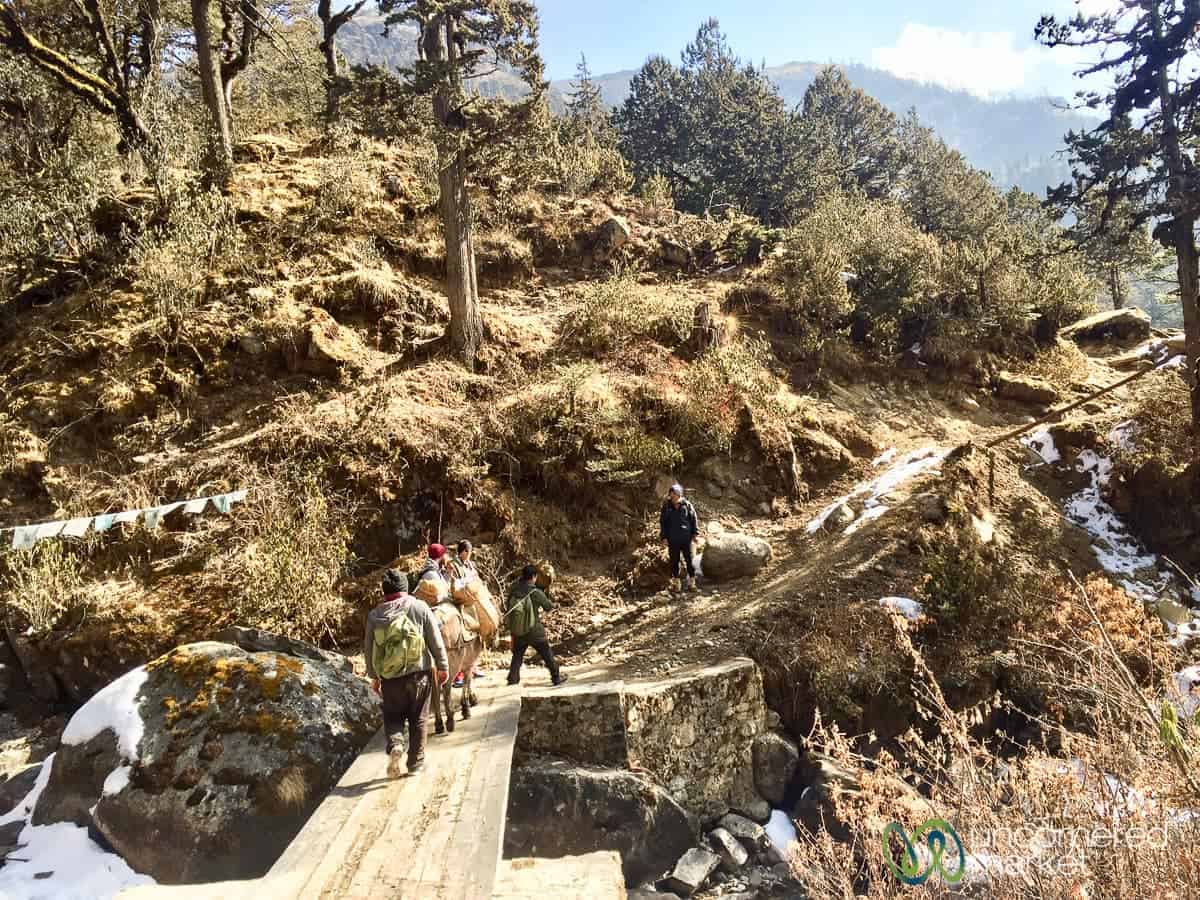
Trekking in Bhutan is governed by a strict regulatory framework that necessitates the use of authorized tour operators. Unlike many other nations where independent hiking is the norm, Bhutan mandates that international visitors travel via licensed agencies. This ensures that environmental impact is minimized and that all expeditions are supported by a full crew, including guides, cooks, and mule handlers.
The government’s decision to maintain high-quality, low-impact tourism has been bolstered by its response to the global pandemic. In early 2021, Bhutan achieved a remarkable public health milestone, vaccinating nearly 85% of its adult population within a single week. As of September 2022, the nation reopened its borders without quarantine requirements, signaling a return to its established model of managed, sustainable visitation.
Technical Challenges and Altitude Considerations
Trekking in the Himalayas requires a sober assessment of physical fitness and altitude management. The Druk Path, while not requiring technical climbing gear like ropes or crampons, is categorized as a medium-difficulty trek due to its sustained elevation. The primary challenge for most hikers is the rapid gain in altitude.
Medical professionals and local guides emphasize the importance of a slow, measured ascent. Standard protocol involves an acclimatization hike—such as a visit to Kila Goempa—before embarking on the multi-day route. Hydration is the most critical factor in mitigating altitude sickness; hikers are advised to consume several liters of water daily. The use of a water bladder is highly recommended, as it allows for consistent, frequent intake throughout the day compared to the stop-and-start nature of traditional water bottles.
Environmental Stewardship and Sustainability
A core pillar of the Bhutanese tourism experience is the "zero-waste" initiative. Along the Trans Bhutan Trail, this manifests as a strict zero-plastics policy. Tour operators are required to provide filtered water, and international visitors are often encouraged to plant trees to offset their carbon footprint. This approach aligns with the Bhutanese constitution, which mandates that at least 60% of the country must remain under forest cover in perpetuity.
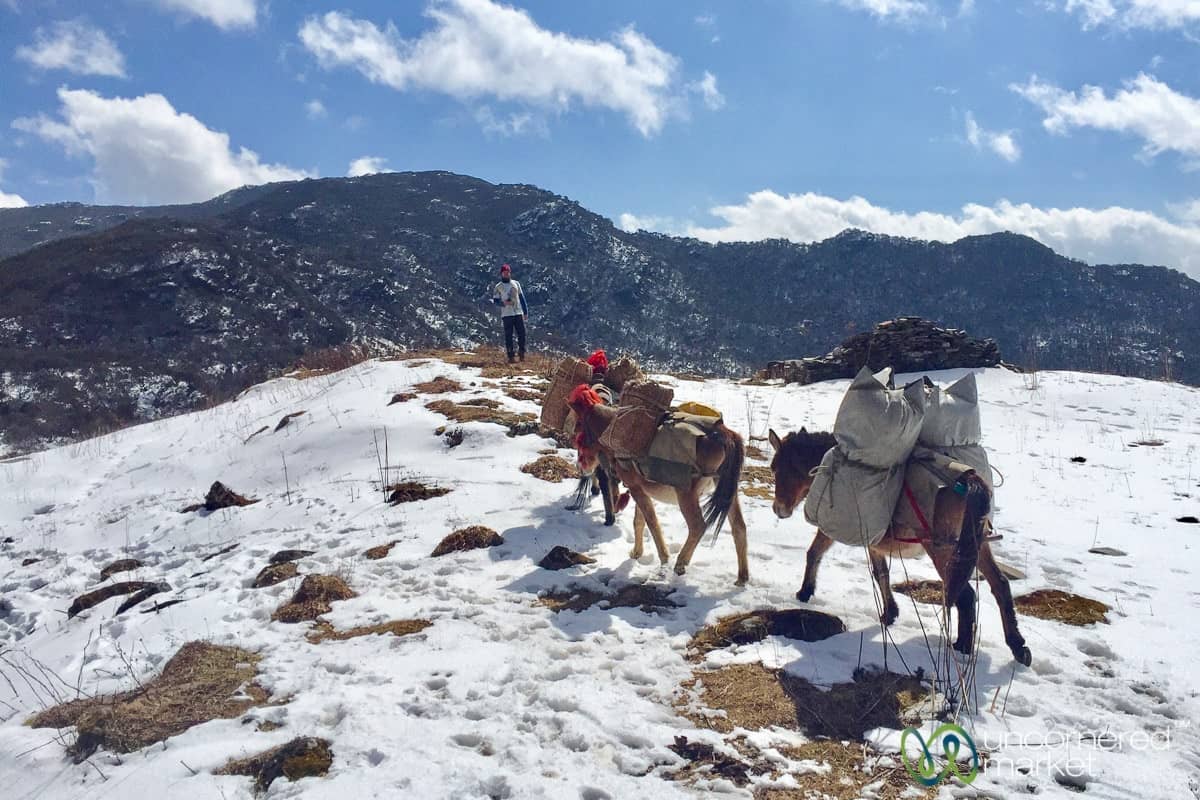
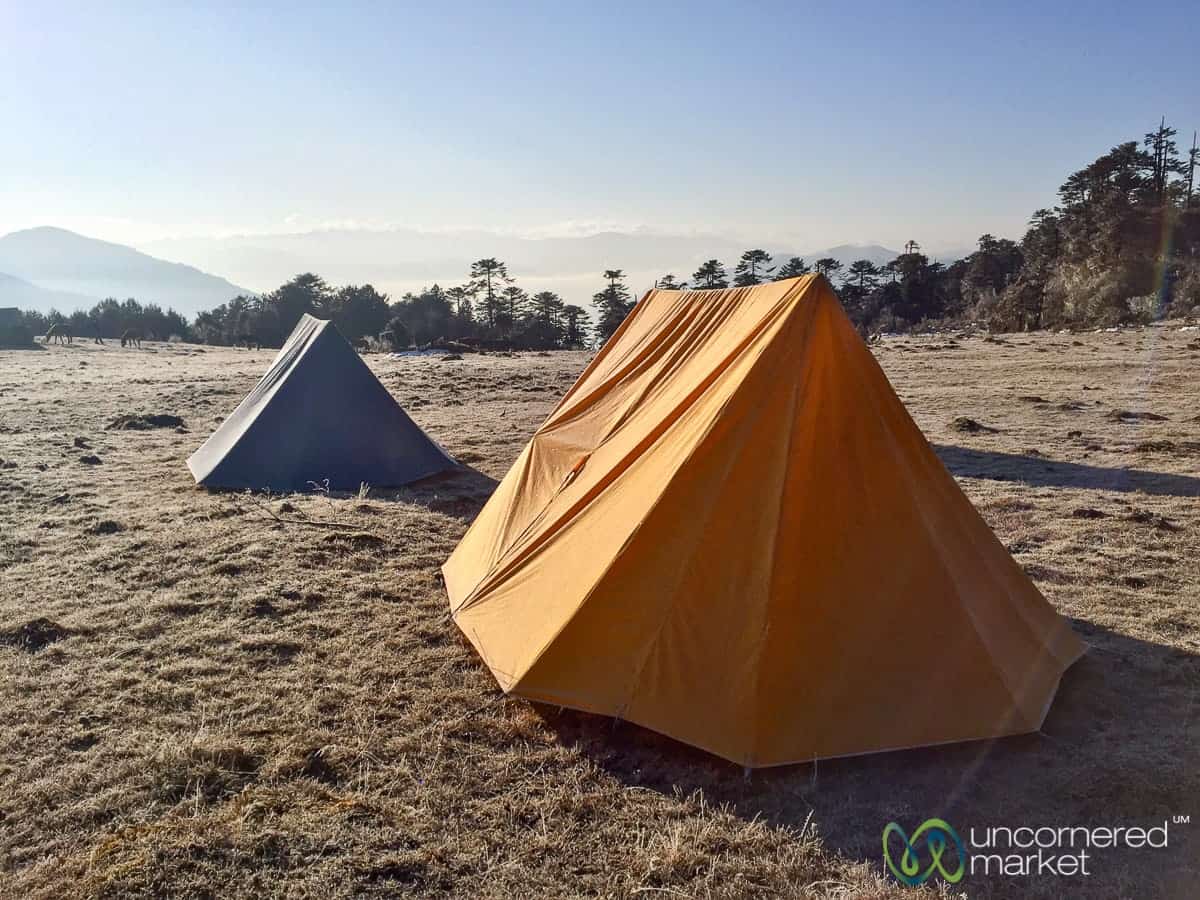
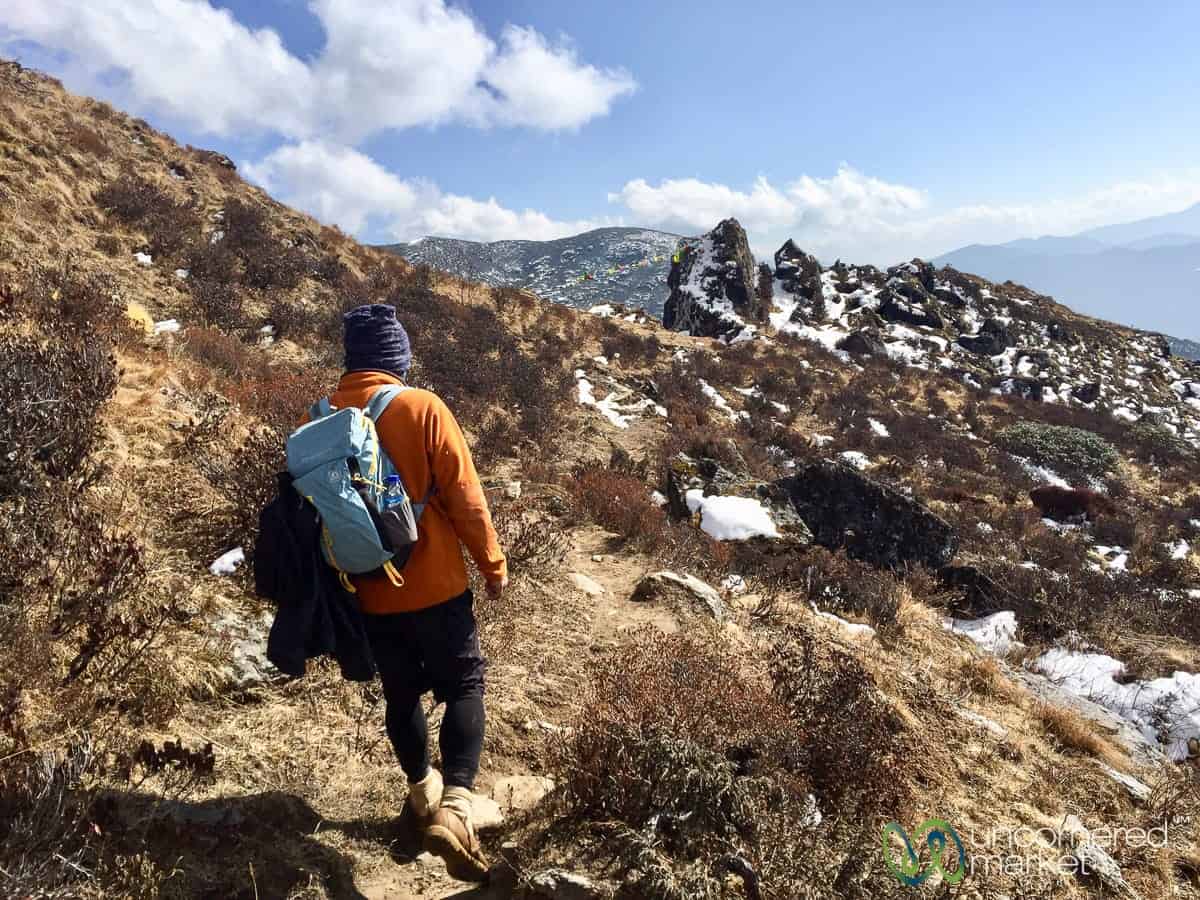
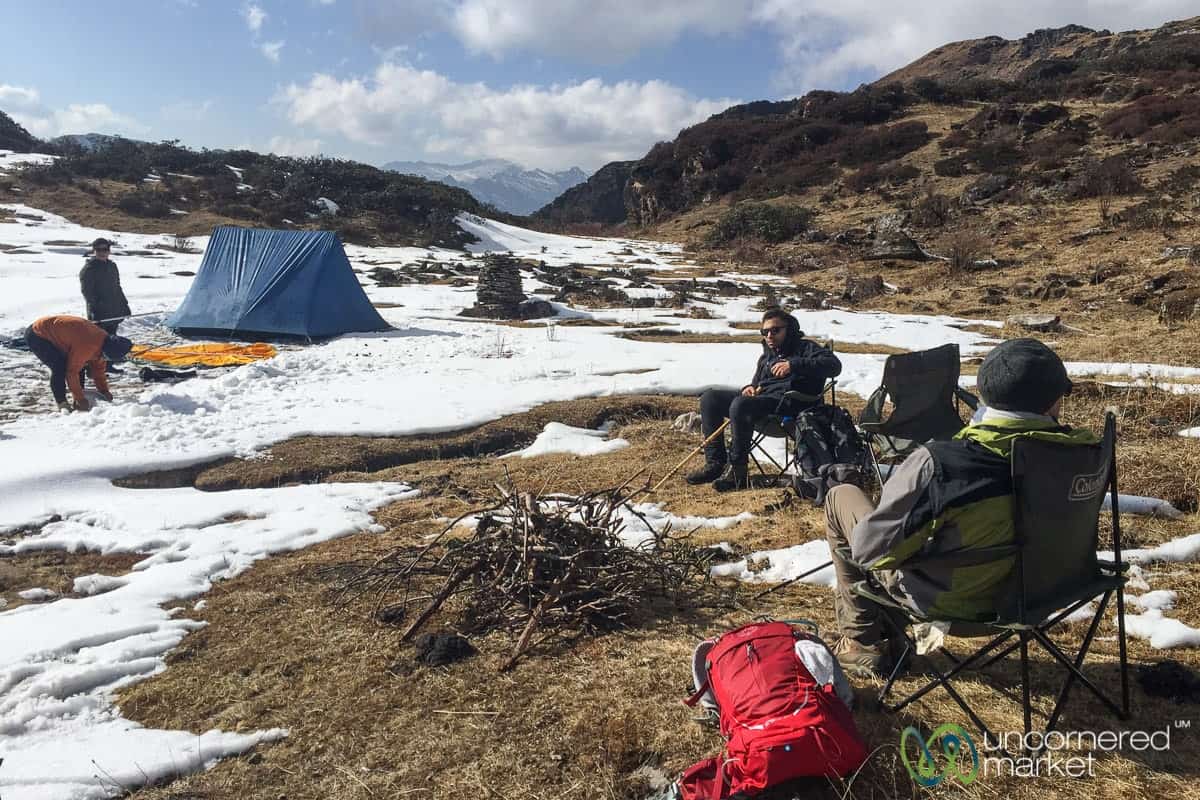
The physical experience of the trek is also influenced by seasonal variations. While the peak season occurs in the spring (April and May) when rhododendrons are in full bloom, and the autumn (September to November) when the air is crisp and clear, winter trekking offers a unique, if austere, experience. In the winter months, temperatures at high-altitude campsites can plummet to -10°C (14°F). This requires specialized gear, including comfort-rated sleeping bags and high-quality insulation layers.
Economic and Cultural Implications
The opening of these trails serves as a case study for sustainable development in developing nations. By shifting the focus from mass-market tourism to niche, high-value, low-impact adventure travel, Bhutan protects its culture from the dilution often seen in other Himalayan destinations. The integration of community-run guesthouses and homestays into the trekking circuit ensures that the revenue generated from international hikers directly supports the preservation of the very villages that offer them hospitality.
Furthermore, the emphasis on local cuisine—curries, rice, and traditional cheese and chili dishes—reduces the reliance on imported goods, thereby keeping the carbon footprint of the tourism industry localized. As travelers return to the Himalayas, the Druk Path and the Trans Bhutan Trail provide a blueprint for how a nation can leverage its natural assets to foster economic resilience without sacrificing its environmental and spiritual integrity.
Preparing for the Journey: Practical Advice
For those planning an expedition, preparation is paramount. Regardless of the season, packing should be minimalist. Most trekking agencies allow for a maximum of 7.5 kilograms of gear to be carried by pack animals, meaning travelers must be judicious with their equipment.
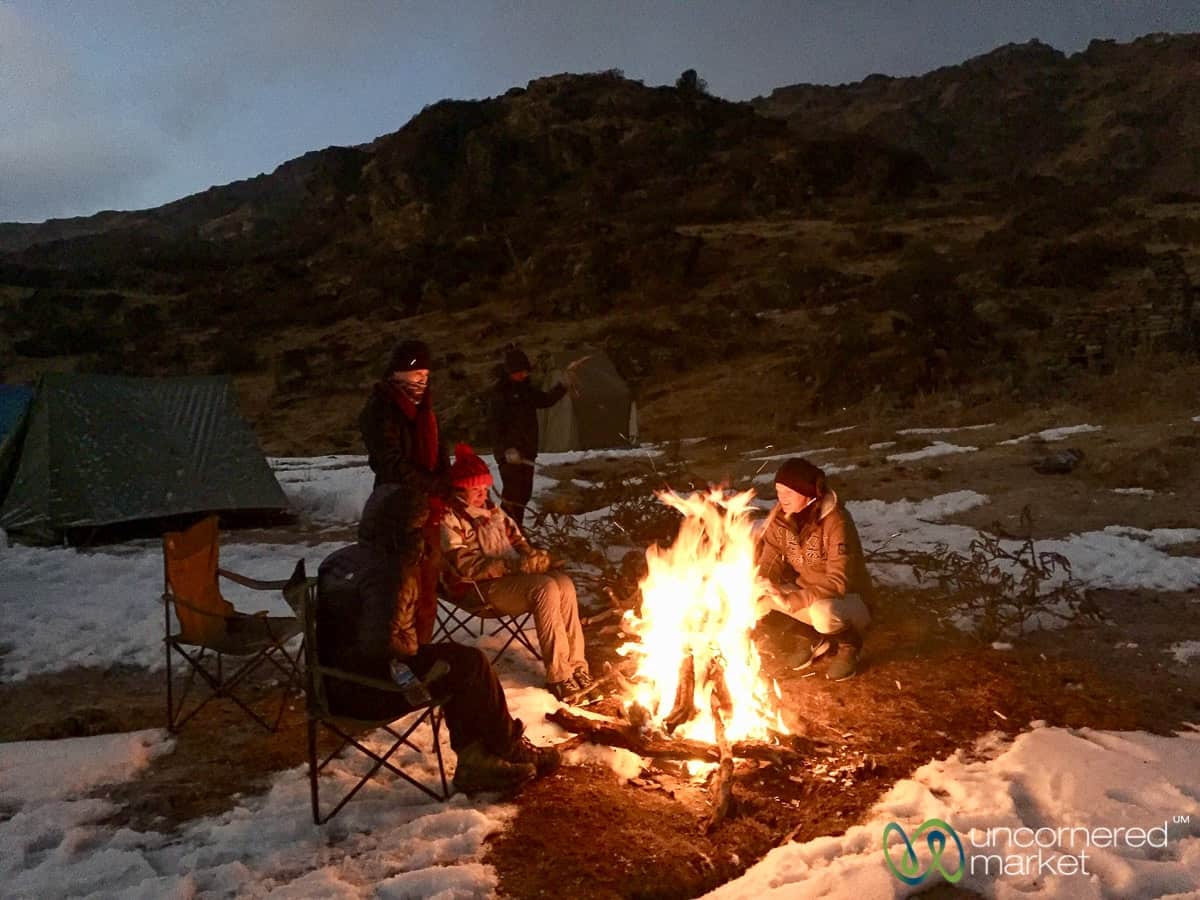
Key items for any Bhutanese trek include:
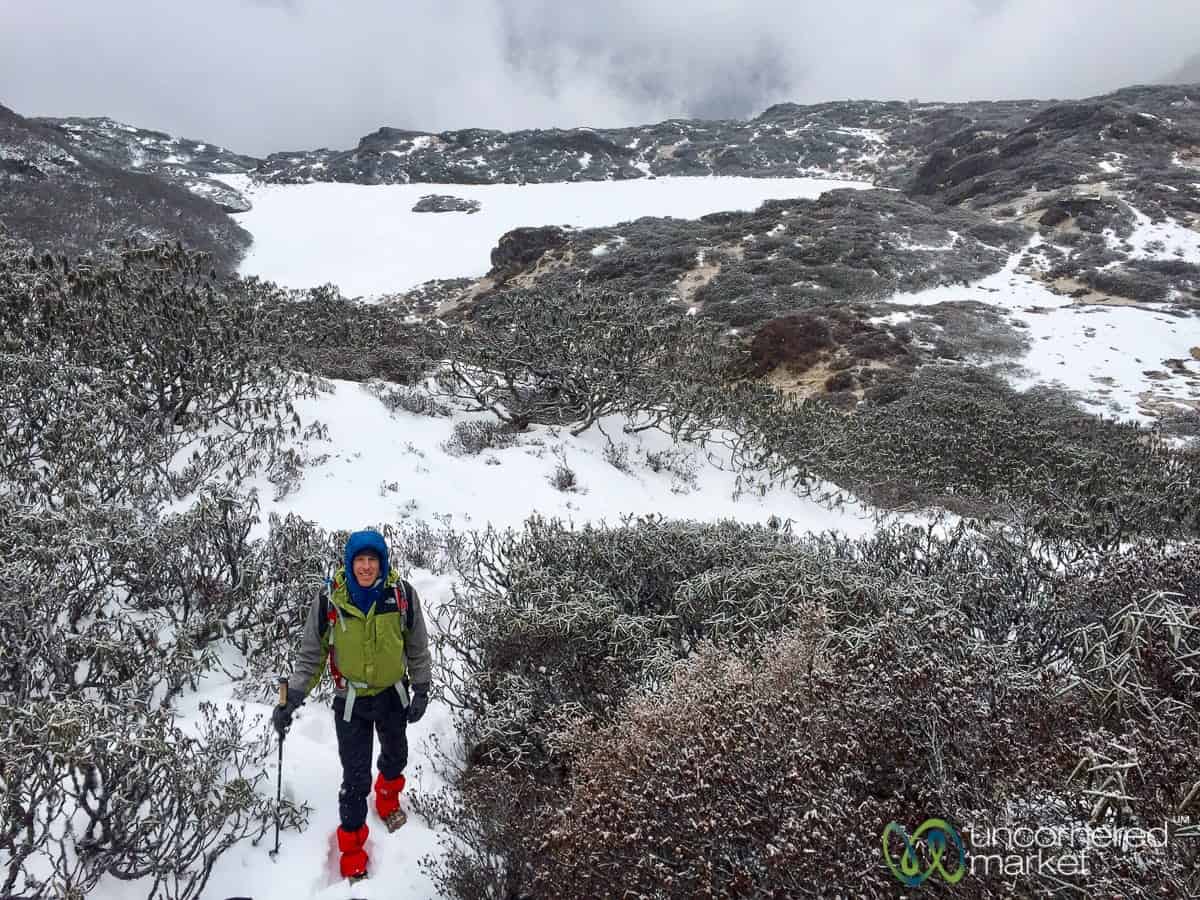
- Footwear: Broken-in, waterproof hiking boots are essential.
- Layers: A system of base layers, insulating mid-layers, and a wind-and-waterproof outer shell is necessary to manage fluctuating mountain weather.
- Trekking Poles: These are highly recommended for the descent, which can be taxing on the knees, and for stabilization on icy or muddy sections.
- Hygiene: Because permanent facilities are limited, participants should be prepared for camping-style latrines. The use of biodegradable soaps and strictly following waste disposal protocols is mandatory.
In conclusion, trekking in Bhutan is not merely an athletic endeavor; it is an immersion into a unique socio-cultural experiment. Whether traversing the historic Druk Path or exploring the newly restored segments of the Trans Bhutan Trail, the experience demands respect for the environment and an appreciation for the cultural legacy that has been carefully guarded for centuries. As the country moves forward, these trails will continue to play a pivotal role in the nation’s identity as a bastion of sustainability and mindful travel in a rapidly changing world.