The Ultimate Guide to Exploring Boston with Kids: Top Attractions, Historic Sites, and Family Itineraries

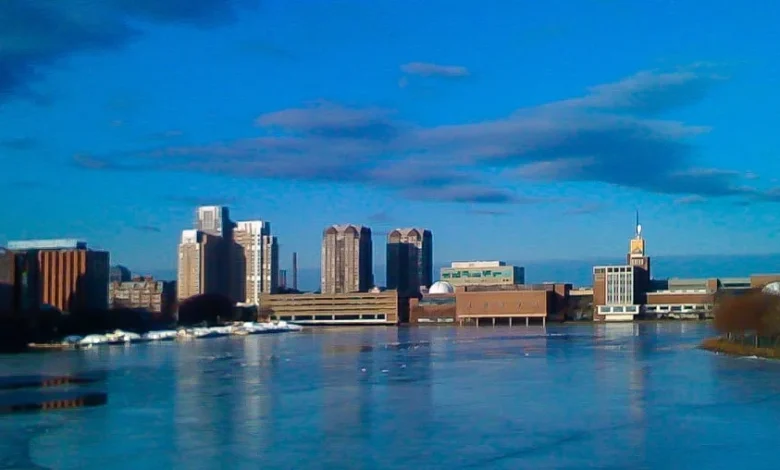
Boston, Massachusetts, consistently ranks as one of the most culturally rich and accessible metropolitan destinations in the United States, offering an ideal blend of historical significance, modern educational institutions, and family-friendly infrastructure. Easily reachable via major domestic and international airlines through Boston Logan International Airport, an expansive regional rail network via Amtrak, and an interconnected highway system, the city serves as a premier hub for multi-generational family tourism. Data compiled by the Greater Boston Convention and Visitors Bureau indicates that family travelers account for a significant percentage of annual tourism revenue, driven largely by the city’s compact, walkable layout and comprehensive public transit network, known locally as the MBTA or the "T."
Understanding the logistical layout of Boston is essential for optimizing a family itinerary. Spanning various neighborhoods from the historic North End to the academic stronghold of Cambridge and the modern Back Bay, the city accommodates visitors of all ages by bridging immersive historical education with interactive, hands-on scientific and cultural programming. Whether visitors choose to navigate the city independently or leverage tourism optimization tools such as the Boston CityPASS—which bundles admission to several marquee attractions at a discounted rate—planning ahead remains critical due to seasonal capacity constraints.

Premier Interactive Museums and Educational Institutions
Boston’s commitment to experiential learning is perhaps best exemplified by its world-class museums, which frequently feature dedicated children’s programming, sensory-friendly hours, and immersive exhibits.
Boston Children’s Museum
Established in 1913, the Boston Children’s Museum stands as one of the oldest and most influential institutions of its kind in the world. Located on Museum Wharf along the Fort Point Channel, the facility focuses on hands-on exploration in the arts, sciences, and culture. Key permanent installations include the iconic three-story New Balance Climb, which challenges older children with a vertical maze of wire and canvas, and a authentic 100-year-old Japanese farmhouse imported directly from Kyoto, Japan. For toddlers aged zero to three, the dedicated Playspace offers a secure, developmentally tailored environment designed to encourage early motor skills. Museum operations recommend booking tickets in advance, particularly during New England public school vacation weeks, and utilizing public transit given the limited availability of direct street parking.
Museum of Science
Positioned prominently along the Charles River dam, the Boston Museum of Science is a massive regional facility that attracts millions of visitors annually. Blending permanent fixtures with cutting-edge temporary installations, the museum features over 700 interactive exhibits. Highlights include the Hall of Human Life, which explores biological individuality, and the "Exploring AI: Making the Invisible Visible" gallery, which demystifies artificial intelligence for younger demographics. The facility also houses the Charles Hayden Planetarium and the Mugar Omni Theater, New England’s only domed IMAX screen. Due to the sheer scale of the museum—which requires substantial walking and navigation—educators and tourism analysts advise families to allocate a full day and consult online daily schedules in advance to secure seating for specialized live presentations and lightning shows.

New England Aquarium
Anchoring the city’s downtown waterfront, the New England Aquarium is globally recognized for marine conservation and public education. The facility’s architectural centerpiece is the four-story Giant Ocean Tank, a cylindrical coral reef recreation containing 200,000 gallons of saltwater and hundreds of Caribbean aquatic animals, including sea turtles, stingrays, and sharks. Visitors can observe daily synchronized feeding dives and ascend a spiral walkway that circles the tank. Additional high-demand features include the outdoor Atlantic Harbor Seal exhibit and the interactive shark and ray touch tank near the main entrance. To mitigate extensive queues during peak summer months, destination management experts recommend purchasing timed-entry e-tickets or exploring combination packages that pair aquarium admission with Boston Harbor whale-watching excursions operated in partnership with Boston Harbor City Cruises.
Museum of Fine Arts, Boston
While fine art museums are traditionally viewed as less accessible to younger children, the Museum of Fine Arts (MFA), Boston, has instituted robust family engagement initiatives. Located along the MBTA’s Green Line, the museum offers interactive family guides, weekend art-making studios, and Discovery Cards distributed at the Sharf Visitor Center. The institution’s extensive collection of Egyptian artifacts, notably including genuine ancient mummies and sarcophagi, consistently serves as a primary draw for school-aged children studying ancient history.
Performing Arts and Specialized Venues
Beyond traditional museums, Greater Boston’s cultural footprint extends into specialized theatrical and artistic venues that cater directly to younger audiences and families.

Puppet Showplace Theater
Situated in nearby Brookline, easily accessible via the MBTA Green Line D branch, the Puppet Showplace Theater is New England’s dedicated presenter of puppet theater. Founded in 1974, the venue hosts rotating weekly performances featuring various puppetry traditions, including hand puppets, marionettes, and shadow puppetry. To maximize sightlines for children, seating arrangements traditionally reserve the front rows exclusively for youth, while accompanying adults occupy perimeter seating. Given the intimate capacity of the theater, advance ticket reservations are strongly recommended.
Boston’s Theatre District
As a primary pre-Broadway tryout city, Boston’s historic Theatre District—anchored by venues such as the Emerson Colonial Theatre, the Shubert Theatre, and the Emerson Cutler Majestic—frequently hosts national tours and pre-Broadway engagements of major theatrical productions. Cultural economists note that these productions significantly boost downtown dining and hospitality sectors, making weekend matinees a popular option for families seeking high-production-value entertainment.
Historical Landmarks and Outdoor Green Spaces
Boston’s foundational role in the American Revolution provides a living history classroom for students and families exploring civic heritage.

The Freedom Trail and Historic Core
Spanning 2.5 miles through downtown Boston, the Freedom Trail is marked by a red brick line embedded in the pavement, guiding pedestrians past 16 nationally significant historic sites. Key stops include the Massachusetts State House, Old North Church, the Paul Revere House, and the USS Constitution—the oldest commissioned warship afloat in the world—berthed at the Charlestown Navy Yard. While the trail can be navigated independently at no cost, official guided walking tours led by period-costumed historians provide contextual depth regarding the events leading up to the American Revolution.
Boston Common and Boston Public Garden
Established in 1634, Boston Common is the oldest public park in the United States. It serves as a civic gathering space that transitions through seasonal adaptations, such as winter ice skating on the Frog Pond. Immediately adjacent lies the Boston Public Garden, dedicated in 1837 as the first public botanical garden in America. The park is internationally celebrated for its historic Swan Boats—operating seasonally since 1877—and bronze statuary commemorating Robert McCloskey’s classic children’s book Make Way for Ducklings.
Fenway Park
Opened in 1912, Fenway Park is the oldest operating Major League Baseball stadium in the United States and home to the Boston Red Sox. Even outside of the baseball season, daily guided public tours offer visitors historical access to the stadium, including the iconic 37-foot-two-inch left-field wall known as the "Green Monster," the Pesky Pole, and archival exhibits detailing over a century of sports history.

Boston Harbor Islands National and State Park
Accessible via seasonal ferries operating from Long Wharf, the Boston Harbor Islands comprise a 34-island archipelago offering outdoor recreation, historical fortifications such as Civil War-era Fort Warren on Georges Island, and camping facilities. The islands provide an accessible wilderness experience within municipal limits, appealing to families seeking hiking trails, tide-pool exploration, and panoramic views of the Boston skyline.
Culinary Destinations and Modern Food Halls
Boston’s culinary landscape has evolved significantly from traditional New England fare to include expansive, globally inspired food halls that accommodate varied family palates.
Faneuil Hall Marketplace and Quincy Market
Managed by the Streetside Development Corporation, Faneuil Hall Marketplace and the adjacent Quincy Market Colonnade handle millions of visitors annually. The central colonnade features dozens of food stalls offering diverse dining options, ranging from traditional clam chowder and lobster rolls to international cuisines. The surrounding cobblestone pedestrian zones frequently feature licensed street performers, magicians, and musicians, creating a dynamic open-air environment.

Time Out Market Boston and Eataly
Reflecting modern urban dining trends, the Time Out Market in the Fenway neighborhood and Eataly located within the Prudential Center offer curated culinary collections. Time Out Market features outposts from several of Boston’s acclaimed local chefs operating under a shared, communal seating model. Similarly, Eataly provides an immersive Italian marketplace experience encompassing multiple sit-down restaurants, quick-service counters, and specialty grocery imports, making both locations efficient options for multi-generational dining.
Regional Day Trips and Excursions
Families extending their stay beyond the metropolitan core can access several historically and geographically significant destinations via short regional road trips or commuter rail lines.
Salem, Massachusetts
Located approximately 30 miles north of Boston, Salem is globally famous for its 1692 witch trials history. Managed by organizations such as the Essex National Heritage Commission, the city balances its historical narrative with maritime museums, seasonal maritime festivals, and architectural preservation tours.

Plymouth, Massachusetts
Situated roughly 40 miles south along Route 3, Plymouth is recognized as the site where the Mayflower Pilgrims established their settlement in 1620. Key educational attractions include Plimoth Patuxet Museums, a living history museum featuring a 17th-century English Village and a Wampanoag Homesite, alongside the historic waterfront displaying a full-scale reproduction of the Mayflower II.
Cape Cod and Regional Transit Implications
For warm-weather travel, Cape Cod remains a premier regional destination accessible via Route 6 or the CapeFlyer seasonal passenger train. Regional traffic planners advise travelers to anticipate significant weekend congestion along the Sagamore and Bourne bridges during peak summer months, recommending early morning departures or weekday travel to minimize transit delays.
Logistical Summary and Visitor Recommendations
Urban mobility planners recommend utilizing public transportation rather than private automobiles when navigating central Boston, as parking rates in downtown garages and adjacent to major tourist attractions are among the highest in the nation. The MBTA subway and bus network provides direct connections to nearly all primary tourist sites, while pedestrian-friendly corridors such as the Rose Kennedy Greenway link waterfront attractions with downtown parks. By combining advanced ticket reservations, strategic use of multi-attraction passes like CityPASS, and an understanding of regional transit patterns, families can efficiently navigate Boston’s dense network of historical, scientific, and cultural offerings.