Adventure Links of the Week: High-Stakes Rescues and the Changing Landscape of Outdoor Exploration

The world of outdoor adventure has seen a tumultuous week, marked by harrowing near-misses on iconic peaks, the somber reality of alpine tragedy, and an ongoing cultural debate regarding the intersection of technology and wilderness ethics. From the sheer granite faces of Yosemite to the remote, thin-aired summits of the Peruvian Andes, these stories highlight the unpredictable nature of the mountains and the evolving ways humans choose to navigate them.
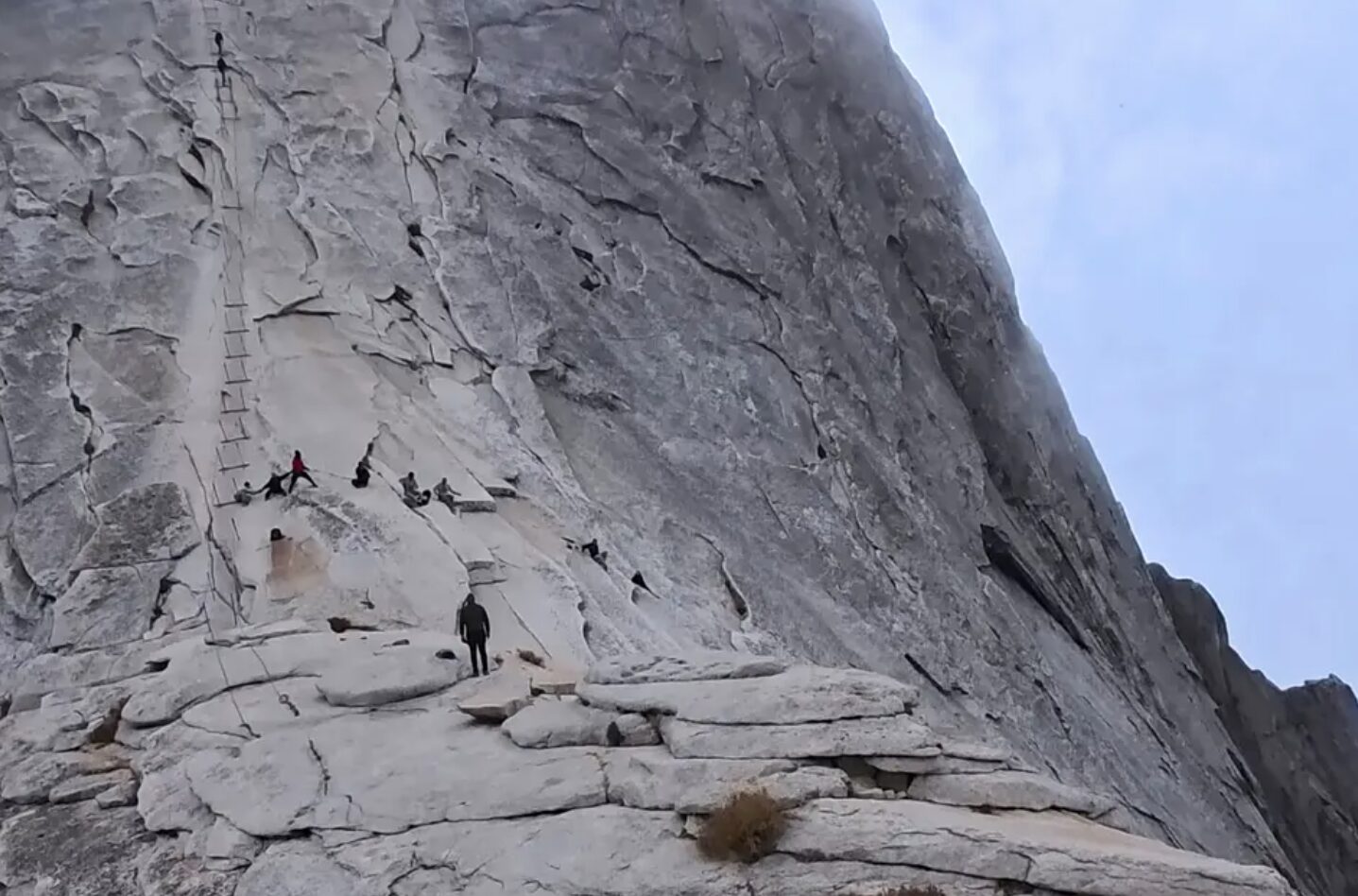
A Human Chain Against Gravity: The Yosemite Half Dome Incident
In a display of spontaneous cooperation, visitors at Yosemite National Park averted a potentially fatal accident on the park’s most famous cable route. The incident occurred when a Polish hiker, navigating the steep, exposed ascent of the Half Dome cables, lost her footing on the slick granite surface. As she slid down the incline, her fiancé attempted to intervene, ultimately losing his own balance.
The situation became critical as the pair found themselves stranded on a narrow section of the dome, unable to regain traction on the polished rock. Bystanders, recognizing the immediate danger of a fatal fall, organized a human chain. By utilizing a collection of improvised safety gear—including climbing slings, carabiners, and harnesses—the group of strangers established a secure connection to the stranded hikers. Through coordinated effort, they were able to stabilize the pair and pull them back onto the trail.
This event underscores the inherent risks of the Half Dome climb, a route that requires significant physical exertion and mental fortitude. Despite the installation of steel cables to assist hikers, the route remains prone to accidents, particularly during inclement weather or when hikers are fatigued. National Park Service (NPS) data indicates that while thousands attempt the climb annually, even minor lapses in concentration on the granite surface can lead to catastrophic consequences.
The High Cost of the Andes: A Tragedy on Huascarán Sur
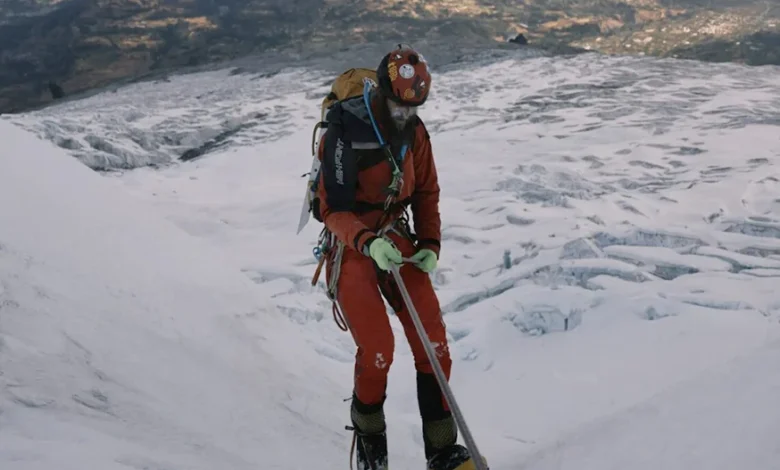
While the Yosemite incident ended in a successful rescue, a separate expedition in Peru’s Cordillera Blanca concluded in profound loss. The expedition, which took place last July, involved five friends attempting the ascent of Huascarán Sur, the highest peak in Peru at 6,768 meters.
Czech alpinist Jan Spicka, one of the two survivors of the party, provided a harrowing account of the descent. After reaching the summit successfully, the team navigated the treacherous terrain toward the base. Spicka fell into a hidden crevasse during the descent; his partner, Matej Zak, reacted with remarkable speed to anchor the rope and prevent a total fall, ultimately saving Spicka’s life. However, the remaining three members of the party—Saul Mendoza, Chicho Ugarte, and Arti Salas—chose an alternative descent route.
When the trio failed to check in, a volunteer search-and-rescue operation was mobilized. Because Peru lacks a formal, state-funded mountain rescue agency, the effort relied on the expertise of local guides and the friends of the missing climbers. After 24 hours of searching in sub-zero temperatures, the rescue party discovered evidence suggesting the climbers had fallen through a collapsing snow bridge. The tragedy has ignited discussions within the international climbing community about the lack of standardized rescue infrastructure in high-altitude regions of the Andes and the unpredictable nature of glacial travel in a warming climate.
The Ethics of Power: The Electric Arms Race in Paddling and Cycling
Beyond the physical dangers of the mountains, the outdoor community is grappling with a shift in the philosophy of "self-propelled" recreation. Tim Shuff, writing for Paddling Magazine, has raised significant concerns regarding the rapid proliferation of electric-assist technology in traditional sports.
The integration of electric motors into stand-up paddleboards (SUPs), mountain bikes, and kayaks is marketed as a method to increase accessibility for older or less experienced enthusiasts. However, critics like Shuff argue that this "electric arms race" fundamentally alters the spirit of the activity. The concern is that as motors become more powerful and batteries more efficient, the boundary between "wilderness adventure" and "mechanical transport" blurs.
From a management perspective, land agencies are struggling to define where these vehicles belong. Increased speeds on trails originally designed for non-motorized traffic raise safety concerns, while the increased access to remote areas puts pressure on fragile ecosystems. As battery-powered gear becomes more affordable, the industry faces a crossroads: embrace technological convenience at the cost of traditional athleticism or establish strict regulations to protect the integrity of human-powered wild spaces.
A Journey of Endurance: One Man’s Walk Across America
In a testament to the restorative power of long-distance movement, 29-year-old Chantz Rivera recently completed a 149-day walk from New York to California. Motivated by personal stagnation and a lack of professional opportunities, Rivera opted for a low-tech approach to self-discovery. Carrying only a tent, a sleeping bag, and basic provisions in a shopping cart, he covered approximately 32 to 40 kilometers per day.
Rivera’s journey, which was documented via social media, serves as a modern-day example of the "transcontinental walk," a practice that has seen a resurgence in popularity. His trek highlights the psychological motivations that often drive individuals toward extreme outdoor challenges, seeking clarity in the repetitive rhythm of the road.
Logistics and Labor: The Sherpa Rallye of Slovakia
In the High Tatras of Slovakia, the annual Sherpa Rallye offers a stark contrast to the technological debates of the West. The race honors the region’s nosiči, or traditional mountain porters, who have served as the primary supply chain for remote alpine huts for generations.
The event requires participants to haul heavy wooden frames loaded with supplies—men carry 60kg, women 20kg—up a 5.7km rocky ascent to an elevation of nearly 2,000 meters. The race, established in 1985 by Viktor Beranek, serves a dual purpose: it tests the endurance of the porters while effectively stocking the huts with beer and essential provisions before the winter season renders the trails impassable. It remains one of the few global events that celebrates the raw, unassisted human labor that makes high-altitude habitation possible.
Navigating Psychological Trauma in High-Stakes Environments
The cultural dialogue surrounding mountain safety is also shifting toward mental health. Professional climber and paraglider Will Gadd has recently spoken out against the traditional "shut up and die like a man" mentality that has long permeated climbing culture.
Gadd’s reflections, prompted by the loss of two close associates, argue that the glorification of risk often masks the profound psychological burden survivors carry. He suggests that the climbing community must move toward a model where vulnerability is accepted as a component of safety. By acknowledging the psychological impact of near-misses and fatalities, climbers can better manage the trauma that often precedes future accidents. This shift in perspective is viewed as essential for long-term longevity in the sport.
Wildlife and Wild Spaces: The Bella Coola Tragedy
Finally, the inherent dangers of wildlife encounters remain a sobering reality for backcountry enthusiasts. The recent death of 48-year-old Jennifer Balcarras and her 20-year-old daughter, Selah Reed, in a grizzly bear attack near the Snooka West Trail in British Columbia, has prompted renewed calls for improved safety protocols.
The attack occurred in a region that has seen increased human-bear conflict over the past decade. Following the discovery of the hikers’ bodies, the area was placed under a mandatory closure. Wildlife experts continue to study the incident to determine if environmental factors—such as food scarcity or habitat encroachment—contributed to the bear’s behavior. The tragedy serves as a grim reminder that even well-prepared hikers in familiar territory must remain vigilant, carrying bear deterrents and adhering to established wildlife safety practices.
As these stories illustrate, the outdoors remains a space of both profound personal reward and significant inherent risk. Whether through the technological advancements in equipment, the volunteer efforts of search-and-rescue teams, or the ongoing cultural shifts in how we define "adventure," the human relationship with the wild continues to be as dynamic and dangerous as the environments themselves.