Redrawing the Global Culinary Map: How Indigenous American Crops Defined World Cuisine

The tomato in your pasta. The chili in your Thai curry. The potatoes in your fish and chips. Much of what is globally recognized as traditional regional cuisine actually relies fundamentally on Indigenous crops cultivated thousands of years ago in the Americas. To explore this profound historical shift, writer Cam Hassard visited Santa Fe, New Mexico, to examine how pre-Columbian agriculture permanently altered the international palate.
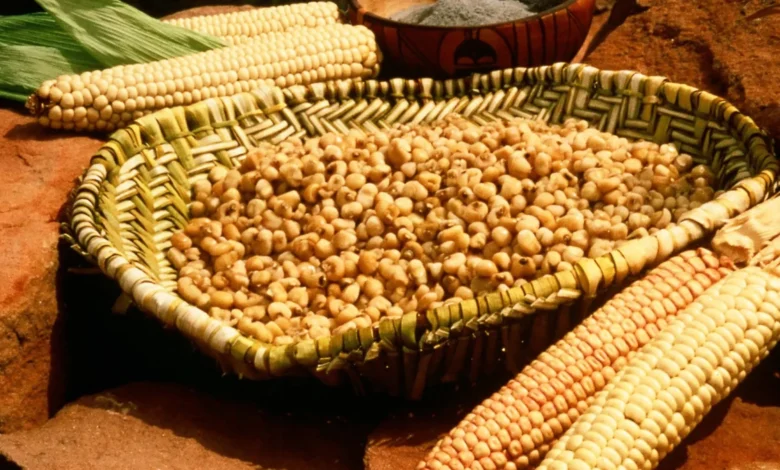
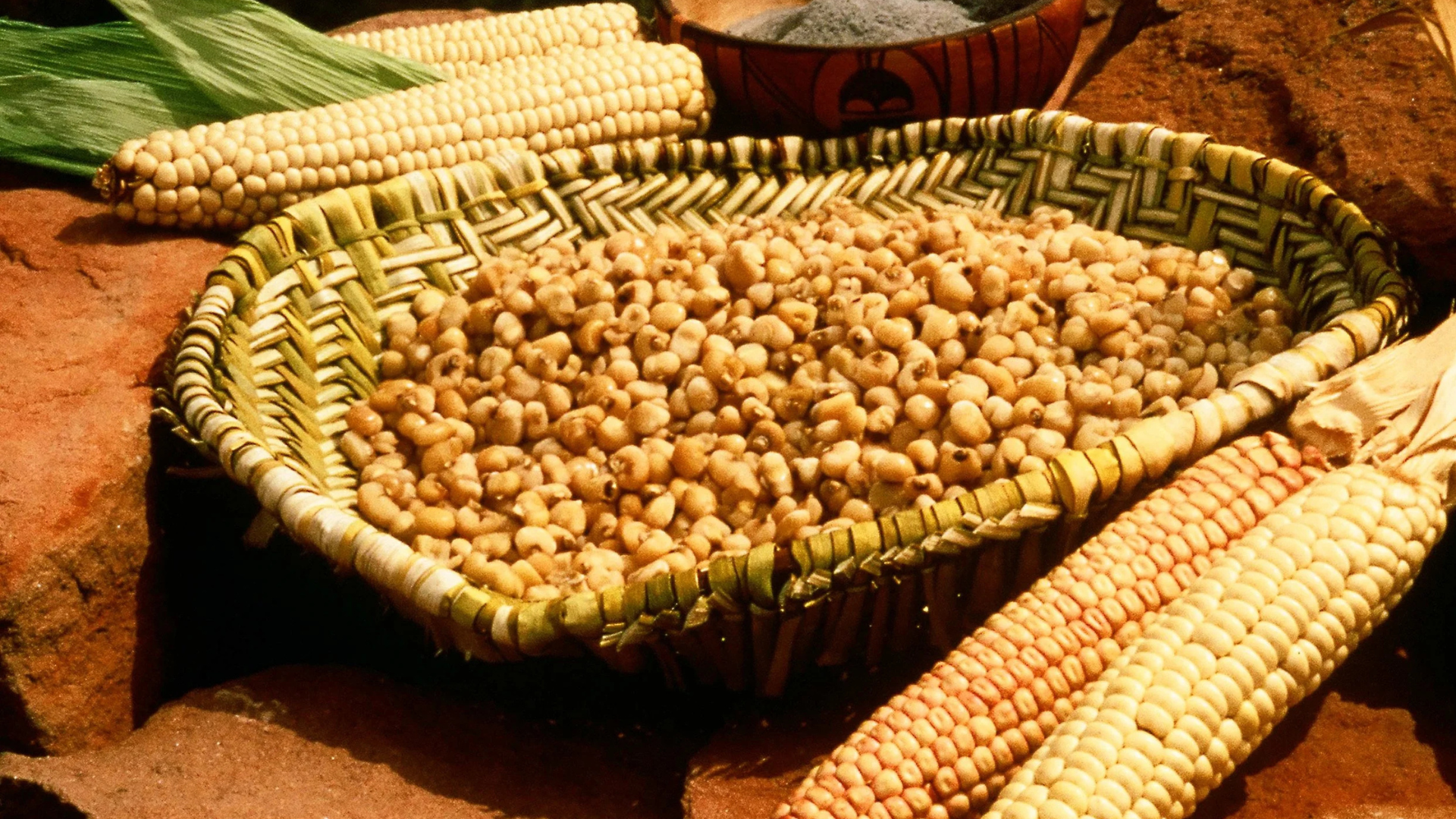
This culinary re-education centers around a foundational group of flora: corn, beans, squash, chili, tomato, potato, vanilla, and cacao. Prior to the arrival of Christopher Columbus in the Americas in 1492, none of these eight ingredients existed in Europe, Asia, or Africa. Their subsequent global migration reshaped human agriculture, commerce, and gastronomy, transforming the identity of regional kitchens worldwide.
The Scale of the Culinary Shift
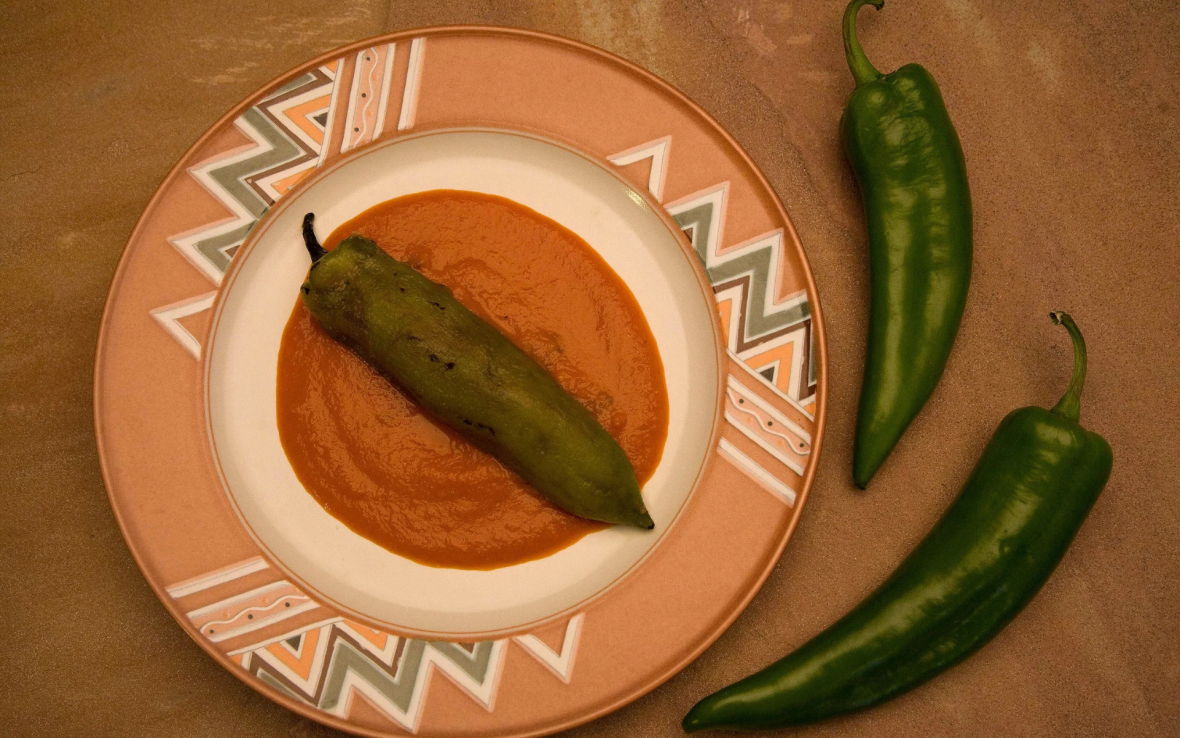
The absence of these eight ingredients from the pre-1492 Old World pantry is staggering to contemplate. According to Lois Ellen Frank, a chef, historian, and cultural anthropologist, the historic menu of numerous nations looked vastly different half a millennium ago.
"If we deconstruct that, the Italians did not have the tomato, the Irish did not have the potato, and half the British national dish did not exist," Frank notes. "Russians didn’t have the potato, and thus no vodka; there were no chilies in Asia, and no chilies in any East Indian curries."
Without what Frank terms the "Magic Eight," iconic global dishes would be unrecognizable. British fish and chips would lack the potato; Italian pasta puttanesca would lack the tomato; and Southeast Asian papaya salads would lose their defining spicy kick. The global exchange of these ingredients catalyzed a complete restructuring of world food culture, demonstrating how deeply interconnected modern diets are with Indigenous American agronomy.
The Columbian Exchange and Historical Chronology

To understand how these ingredients traversed the globe, historians look to the framework established by Alfred W. Crosby in his seminal 1972 work, The Columbian Exchange. Crosby documented the vast, bidirectional transfer of plants, animals, culture, human populations, and communicable diseases between the Eastern and Western hemispheres following 1492.
Frank categorizes the history of Indigenous foodways into three distinct chronological periods:
- The Pre-Contact Era: Spanning thousands of years before European arrival, this period was defined by sophisticated Indigenous agricultural systems, sustainable land management, and deep ecological integration. Native communities cultivated staples like the "Three Sisters"—corn, beans, and squash—which grow symbiotically to support soil health and nutrition.
- First Contact: Beginning in the late 15th century, this era marked the sudden introduction of American crops to Europe, Africa, and Asia, while Old World livestock and grains were introduced to the Americas. Potatoes traveled from the Andes to revolutionize European agriculture, particularly in Ireland, while chili peppers spread rapidly across trade routes into Asia.
- The Government Issue Period: Associated with westward U.S. expansion, forced displacement, and reservation systems, this era violently disrupted traditional Indigenous foodways. The United States government began issuing rations—such as white flour, lard, and refined sugar—to replace traditional foraging and agricultural diets.
Food as a Tool of Colonization and Resilience
The disruption of Indigenous food systems was not merely a geographic or agricultural shift; it was systematically tied to political colonization. During the Government Issue period, the forced replacement of nutrient-dense ancestral foods with processed rations deeply impacted Native health.

A prominent symbol of this era is fry bread—a flat dough made from government-issued flour and lard, typically deep-fried. Today, fry bread occupies a complex cultural space. It serves as an emblem of resilience, resourcefulness, and cultural survival under extreme duress, while simultaneously remaining a stark reminder of the oppressive conditions that necessitated its creation.
The generational health consequences of this dietary displacement persist today. Frank observes that within many Indigenous communities, children grow up under the shadow of chronic illness, facing an atmosphere of "not if they got diabetes, but when." Public health experts note that re-establishing access to traditional, nutrient-dense Indigenous foods is a critical component of reversing these health disparities and achieving true food sovereignty.
Reclaiming Native Foodways in Santa Fe
Santa Fe serves as an ideal backdrop for examining these historical intersections. New Mexico is a recognized crossroads of Indigenous, Spanish, and Mexican agricultural traditions. The state is home to 19 sovereign Pueblo nations, the Navajo (Diné) Nation, the Jicarilla Apache Nation, the Mescalero Apache Tribe, and historical ties to the Fort Sill Apache Tribe of Oklahoma. Each of these communities maintains distinct living culinary traditions rooted in ancestral land knowledge.
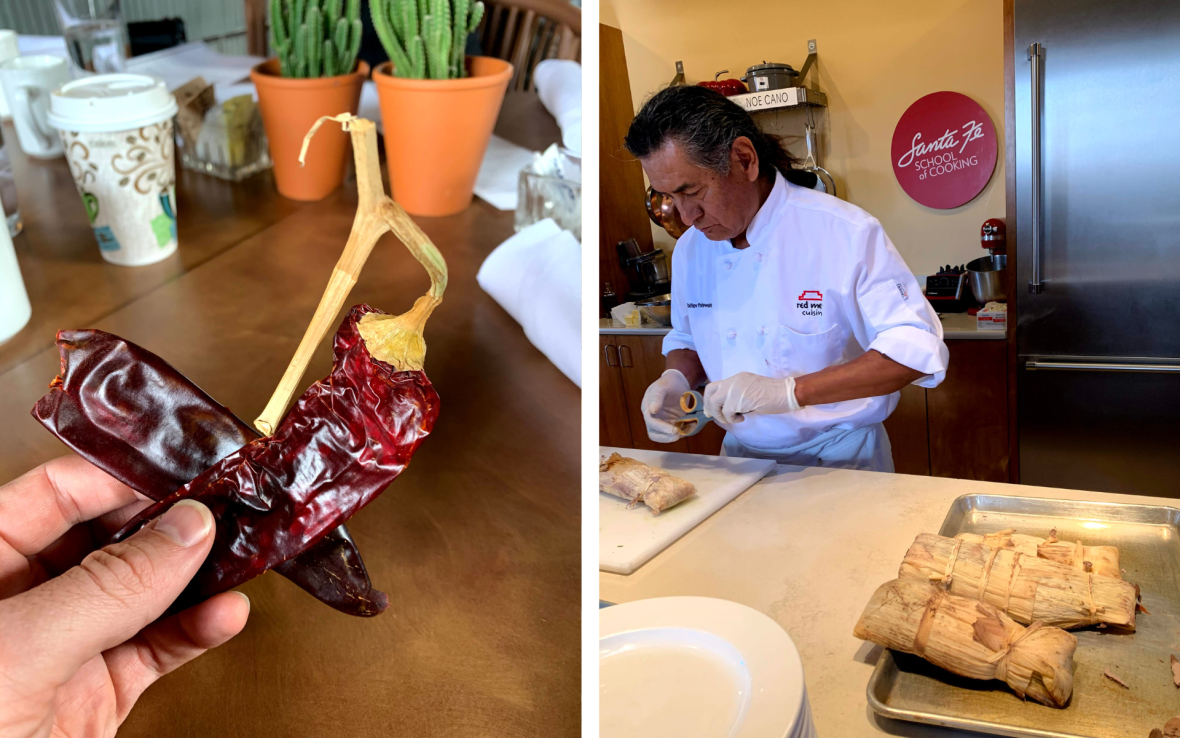
At the Santa Fe School of Cooking, Frank and her frequent collaborator, Walter Whitewater—a Diné chef—work to recover and teach this lost knowledge. In their professional kitchen, wearing embroidered chef coats beneath an overhead instructional mirror, they demonstrate the preparation of ancestral dishes. A typical menu might feature trout baked in clay, stuffed with fresh sage and grilled green onions, wrapped in smoked applewood bacon, served alongside wild rice, smoky guajillo chile sauce, and sautéed rainbow chard.
Whitewater, a reticent and deeply reflective presence in the kitchen, distills the philosophy of their work succinctly: "Food is our medicine."
Moving Beyond Modern Buzzwords
Through their catering company, Red Mesa Cuisine, Frank and Whitewater utilize ancestral ingredients like wild greens and hand-harvested prickly pears, employing traditional techniques such as clay baking to reintroduce Native foods into contemporary dining.

Their philosophy challenges modern Western dietary labels. While contemporary food culture is saturated with buzzwords like "locavore," "organic," "farm-to-table," and "zero-waste," Frank points out that these concepts are ancient standards in Indigenous communities.
"People ask, are you herbivores? Are you locavores?" Frank says. "We say, ‘No, we are Nativores.’ There’s no wording in our language about ‘organic’ versus ‘non-organic.’ It always was farm-to-plate, and it always was zero-waste."
Broader Implications and Cultural Legacy
The work undertaken by Frank, Whitewater, and other Indigenous culinary historians highlights a growing movement toward food sovereignty—the right of peoples to healthy and culturally appropriate food produced through ecologically sound and sustainable methods. By reframing ingredients not merely as commodities, but as active components of a complex cultural and ecological system, these chefs advocate for a broader societal appreciation of Native heritage.
Ultimately, studying the origins of the "Magic Eight" challenges consumers worldwide to look beyond the superficial presentation of modern cuisine. It asks individuals to recognize the deep historical debts owed to the Indigenous agriculturalists of the Americas—whose thousands of years of careful cultivation, cross-breeding, and land stewardship permanently nourished the modern world.