The 1971 International Everest Expedition: A Legacy of Ambition, Controversy, and Tragedy

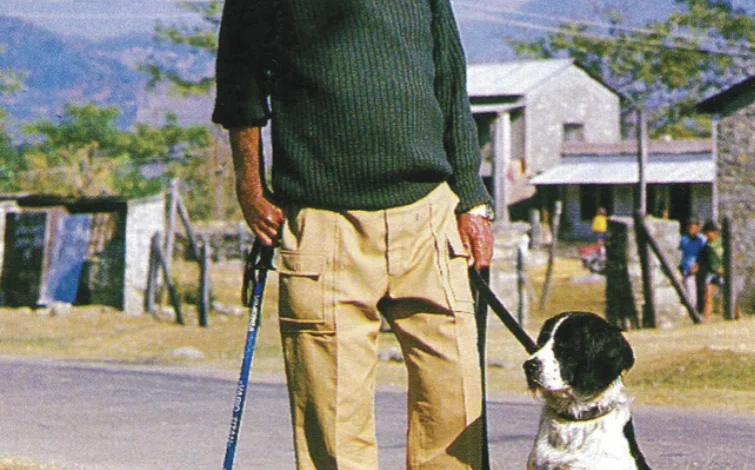
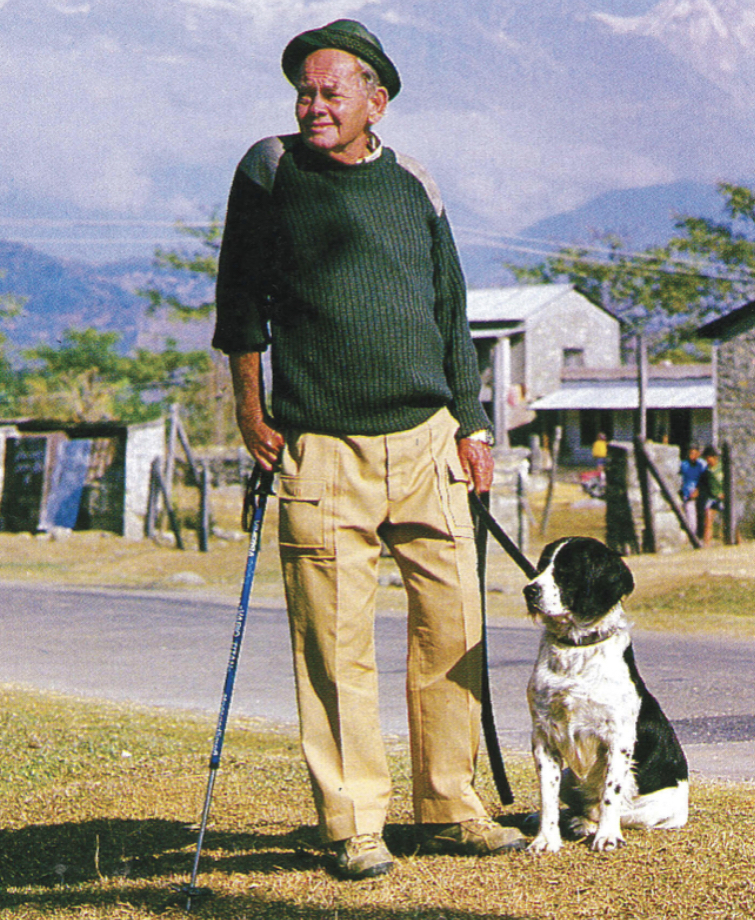
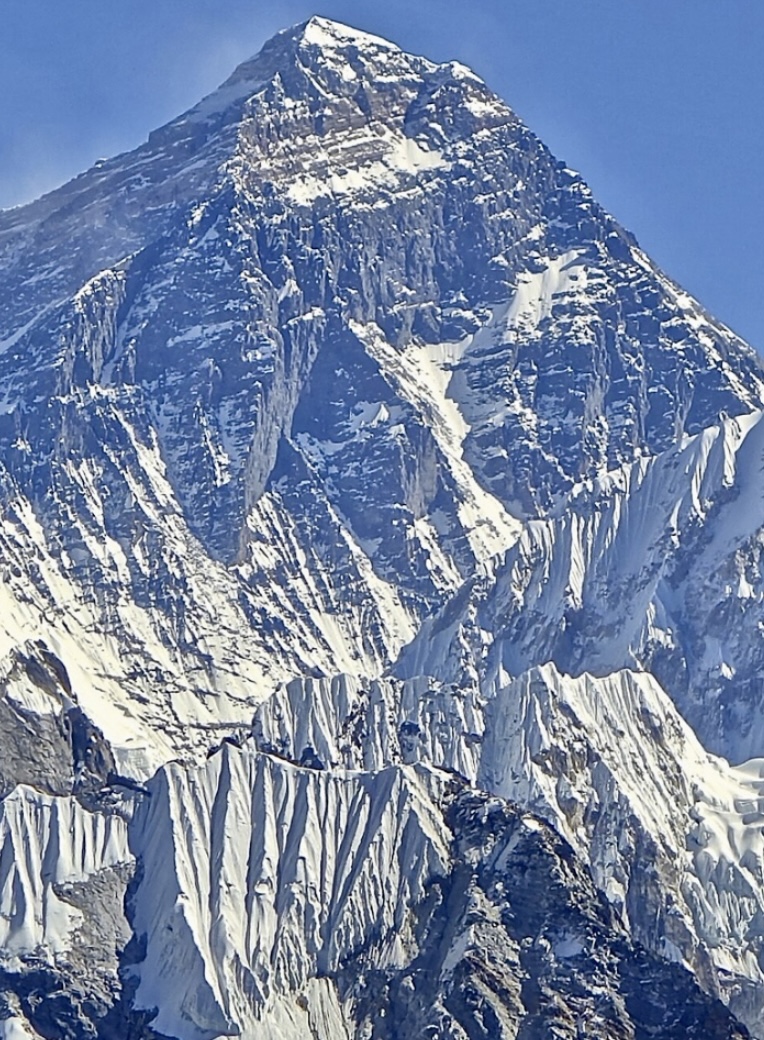
In the spring of 1971, the slopes of Mount Everest became the stage for a grand experiment in international cooperation that would ultimately dissolve into one of the most contentious chapters in mountaineering history. Spearheaded by seasoned expedition leaders Norman Dyhrenfurth and Jimmy Roberts, the endeavor aimed to place climbers on the summit via two of the most daunting lines on the mountain: the near-vertical Southwest Face and the sweeping, aesthetic West Ridge. What was envisioned as a monumental display of global unity—comprising 31 elite climbers from twelve nations—instead descended into a chaotic narrative of organizational failure, clashing egos, fatal accidents, and the suffocating pressure of a commercialized media spotlight.
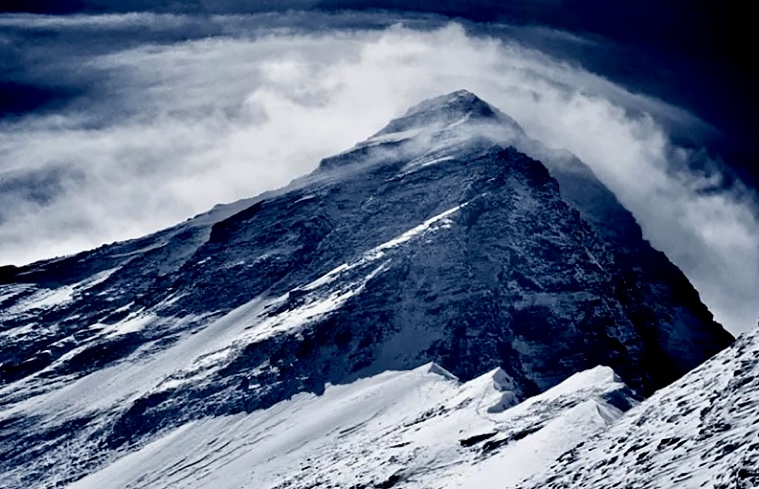
The Anatomy of an Overambitious Merger
The seeds of the 1971 expedition were sown in the merging of two distinct climbing agendas. A British-Norwegian contingent had originally petitioned Jimmy Roberts to lead an attempt on the Southwest Face, while Dyhrenfurth was independently orchestrating his own strategy for the same route. By consolidating these forces, the organizers created a massive, unwieldy team. This influx of personnel encouraged the ambitious, simultaneous pursuit of both the Southwest Face and the West Ridge.
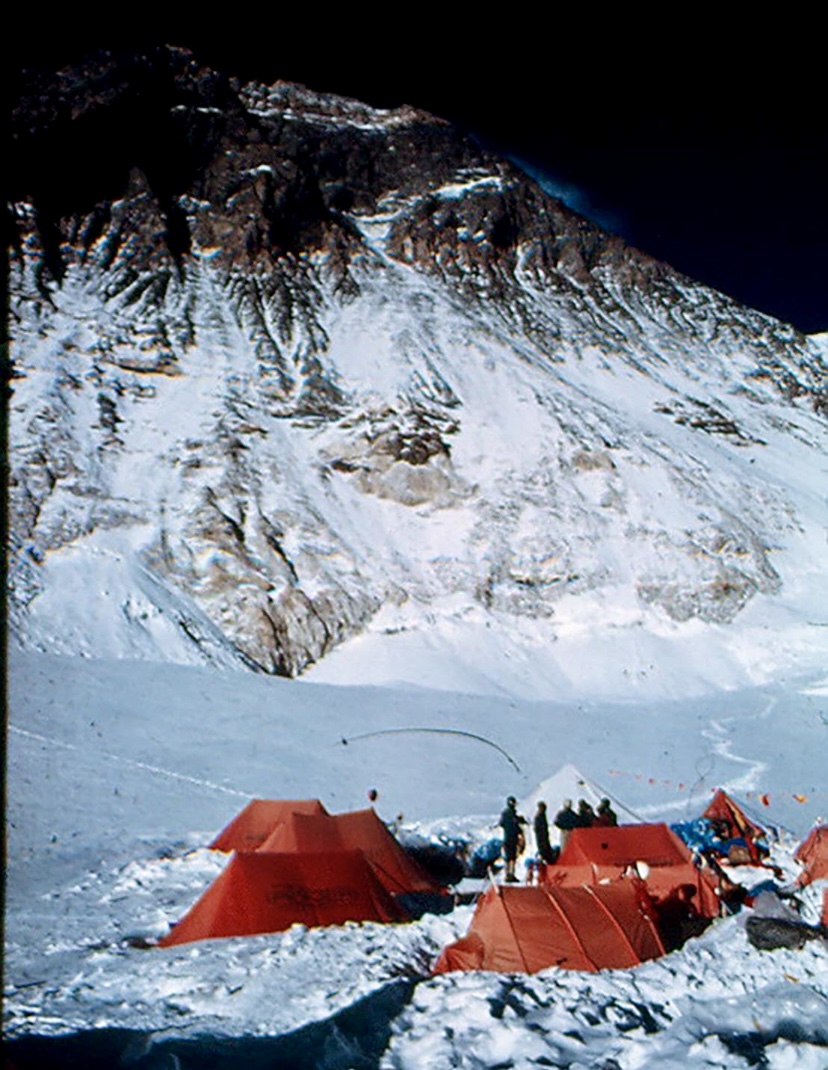
The logistical demands were staggering. By late March 1971, the team established a base camp at 5,425 meters. The Khumbu Icefall, notorious for its shifting seracs and instability, presented an early, harrowing obstacle. Dyhrenfurth later noted in his records for the American Alpine Journal that the state of the icefall that season was the most precarious he had encountered in his career. Despite these conditions, the team pushed forward, establishing an Advance Base Camp in the Western Cwm before splitting into their respective specialized squads.
Chronology of a Deteriorating Mission
The expedition’s timeline was marred by extreme meteorological shifts and internal friction. By mid-April, the teams were operating at their physical limits.
- March 22: Base Camp is established.
- Late March – Early April: Teams battle the treacherous Khumbu Icefall.
- April 18: A catastrophic weather front strikes. Major Harsh Vardhan Bahuguna and Wolfgang Axt are caught in a storm while descending from a high camp at approximately 7,000 meters.
- Late April: A severe, extended storm system forces a complete halt to all progress, delaying the expedition by over two weeks and depleting morale and resources.
- Early May: Following the death of Bahuguna, internal discord reaches a breaking point, leading to the departure of the West Ridge contingent.
- May 21: The final attempt on the Southwest Face is abandoned by Dougal Haston and Don Whillans, just 450 meters shy of the summit.
The Tragedy of Major Harsh Vardhan Bahuguna
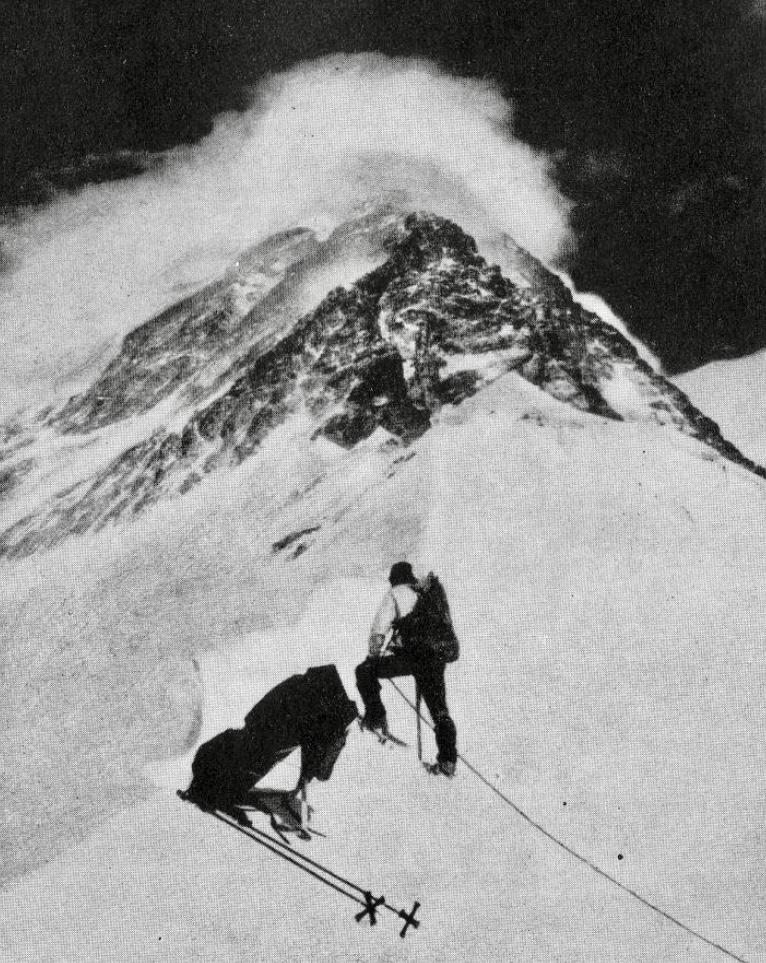
The death of Indian Major Harsh Vardhan Bahuguna remains the most painful inflection point of the expedition. On April 18, during a descent in a violent storm, Axt and Bahuguna were moving along fixed ropes. Axt, having discarded his harness and rope earlier to reduce weight, moved ahead, expecting Bahuguna to follow. When screams were heard, a rescue was attempted, but the extreme conditions made it impossible to reach the Major in time.
The post-mortem analysis of the incident revealed deep fractures within the team. The rescue party found Bahuguna incapacitated, his extremities frozen and his mental state severely compromised. The decision by the rescue team to retreat—driven by the reality that continuing would likely lead to further fatalities—left lasting psychological scars on the survivors. The subsequent inquiry, led by Dyhrenfurth, highlighted a failure in safety protocols and a lack of clear command structure during high-altitude operations.
Media Pressure and Commercialization
Long before the first boot touched the snow of the Khumbu, the 1971 expedition was compromised by its own PR machine. The BBC had secured exclusive filming rights, embedding a nine-person crew into the expedition, while The Sunday Times purchased the British print rights. This level of media saturation turned the mountain into a stage. The public was primed for a "historic success," creating a high-stakes environment where any delay or tactical adjustment was viewed by the sponsors as a failure. This external pressure exacerbated the internal power struggles, as members felt the weight of their respective nations’ expectations.
A Fractured Leadership and the Great Divide
As the expedition progressed, the absence of a singular, authoritative command structure became glaring. When the West Ridge team, led by figures like Pierre Mazeaud and the Vauchers, proposed abandoning the original dual-route plan in favor of a singular, more pragmatic assault on the South Col, they were met with resistance.
The ensuing debate was not merely tactical; it was deeply personal. Accusations of "nationalism" and "selfish ambition" were leveled across the mess tent. When a democratic vote was held—including the Sherpas—the majority opted to consolidate resources on the Southwest Face. For those committed to the West Ridge, this felt like an orchestrated exclusion. The departure of the French and Italian climbers in early May marked the effective end of the international cooperation dream.
The Final Push: A Near Miss
With the team significantly reduced and decimated by a viral outbreak that sidelined even the leaders, the burden of the final summit push fell to a core group. Dougal Haston and Don Whillans demonstrated remarkable tenacity on the Southwest Face, pushing fixed lines into the "Rock Band" section. Despite their progress, they were ultimately undone by a combination of extreme cold, a lack of oxygen, and the exhaustion of their supply lines. Turning back 450 meters from the summit, the expedition effectively ceased operations.
Legacy and Analytical Perspective
In their post-mortem analysis for Mountain magazine, authors Ken Wilson and Mike Pearson argued that the 1971 expedition was a case study in "bigness as a liability." The attempt to force an international, multi-objective expedition into a single cohesive unit ignored the reality of high-altitude mountaineering, where individual agility and team chemistry are paramount.
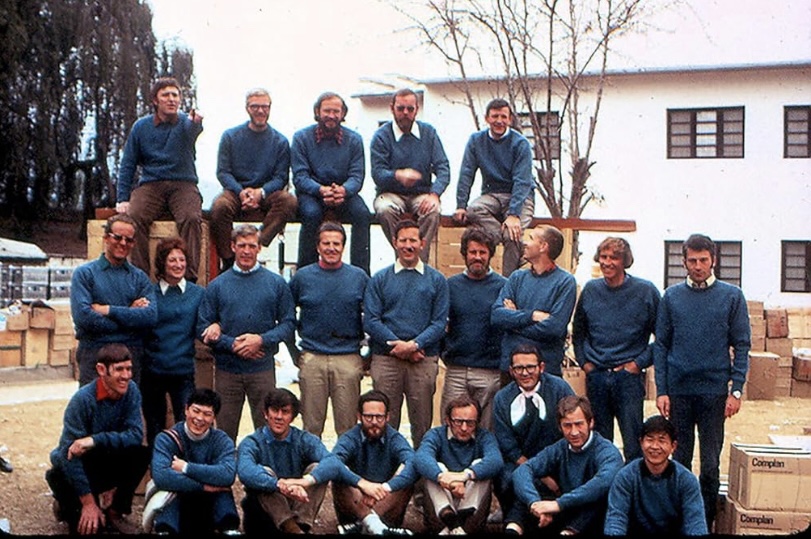
The failure was not merely one of weather or biology—though both played significant roles—but one of architecture. By merging distinct climbing factions and subjecting them to the relentless gaze of global media, the organizers created a pressure cooker that was bound to rupture.
The 1971 expedition remains a sobering reminder of the complexities of high-stakes mountaineering. While it failed to reach the summit, its legacy endures as a cautionary tale for modern expedition planning. It highlights that the success of a climb is measured not just in vertical meters gained, but in the integrity of the team, the clarity of the objective, and the ability to manage the human elements when the mountain inevitably pushes back. The memorial for Major Bahuguna, left behind on the frozen slopes, serves as a permanent, silent witness to the limits of human ambition and the heavy price of discord at the top of the world.