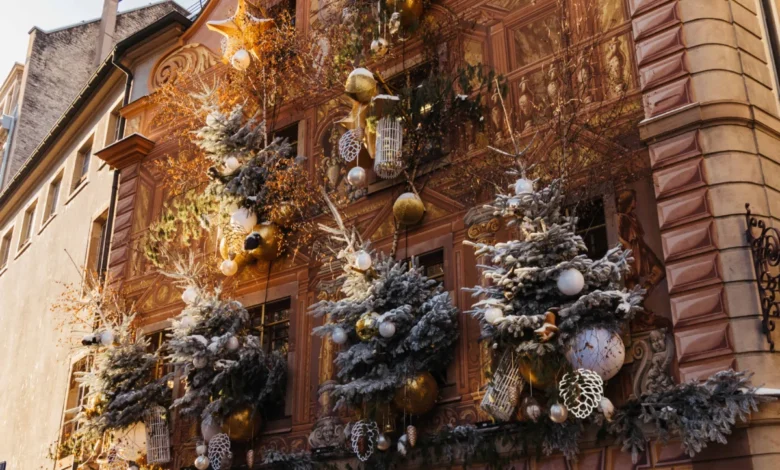
Strasbourg, the capital of the Alsace region in northeastern France, prepares to reclaim its title as the Capital of Christmas (Capitale de Noël) for the 2026 holiday season. Running from November 27 through December 24, 2026, the city’s historic center—a UNESCO World Heritage site—will transform into a sprawling festive network of ten distinct markets, housing over 300 artisanal stalls. This event, which has evolved from a local tradition dating back to 1570, now serves as a significant economic and cultural anchor for the region, attracting millions of international visitors annually.

The historical lineage of the Strasbourg Christmas market is deeply rooted in the Germanic traditions of the Upper Rhine. Originally known as the Christkindelsmärik (Market of the Christ Child), the event was established during the Reformation era to replace traditional Saint Nicholas Day festivities. Over the centuries, the market has survived geopolitical shifts, including the region’s repeated transition between French and German administration, which has solidified Strasbourg’s status as a unique cultural synthesis of the two nations.
Chronology and Operational Logistics
The 2026 iteration of the market follows a established operational schedule designed to balance tourism influx with the daily life of local residents. The official opening ceremony is slated for November 27, 2026, at 2:00 PM, with daily operations generally running from 11:00 AM to 9:00 PM. On Christmas Eve, December 24, the markets will conclude their services at 6:00 PM.

While the commercial stalls are dismantled shortly after Christmas Eve, the municipal government maintains the city’s decorative infrastructure, including the iconic 30-meter-tall Great Christmas Tree at Place Kléber, until early January. This tradition serves as a focal point for the city, with the tree requiring specialized logistics for transport from the Vosges mountains and installation. The tree is adorned with over seven kilometers of LED lighting, representing a commitment to modern energy efficiency while maintaining traditional aesthetic standards.
Regional Economic and Cultural Impact
The Strasbourg Christmas market is more than a seasonal tourist attraction; it is a critical component of the regional economy. According to regional tourism boards, the event generates hundreds of millions of euros in economic impact for the Alsace region. The influx of visitors sustains local hospitality, artisanal crafts, and the regional agricultural sector, specifically the production of regional specialties such as Alsatian wine, gingerbread (pain d’épices), and ornaments.

The city’s strategic location makes it highly accessible. As a primary European rail hub, Strasbourg is serviced by high-speed TGV lines, allowing travel from Paris in under two hours. Furthermore, its proximity to the German border allows for significant cross-border tourism. Travelers often utilize the Karlsruhe/Baden-Baden Airport in Germany, located approximately 45 minutes from the city center, as a secondary entry point.
Architectural Significance and Cultural Preservation
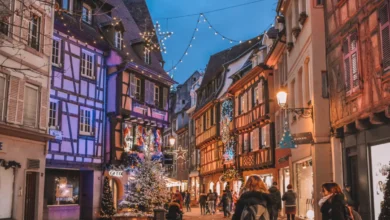
The setting for the 2026 market is primarily the Grande Île, the historic heart of the city. The architectural backdrop, characterized by medieval half-timbered houses and the gothic Cathédrale Notre-Dame, provides a authentic setting that distinguishes Strasbourg from temporary, modern festive pop-ups. The Cathedral itself, which held the title of the world’s tallest building from 1647 to 1874, remains a central point for both tourism and the holiday market.

Within the Petite France district, the preservation of 14th-century towers and canals creates a distinct atmosphere that municipal authorities work to protect. Recent urban planning initiatives have focused on pedestrianizing the Grande Île during the month of December to accommodate the high density of pedestrians and ensure safety, as crowd control remains a priority for local law enforcement during the peak holiday period.
Culinary Heritage and Regional Gastronomy
The gastronomic offerings at the market reflect the dual French-German heritage of the Alsace region. Central to the culinary experience is the Flammkuchen, or tarte flambée, a thin-crust flatbread typically topped with crème fraîche, onions, and lardons. This dish, along with the consumption of vin chaud (mulled wine) spiced with cinnamon, cloves, and star anise, forms the core of the market’s food culture.

Local authorities and the Chamber of Commerce regulate the vendors to ensure that a significant portion of the products offered are locally sourced or crafted. This focus on "local authenticity" is a strategic move to differentiate the Strasbourg market from generic holiday markets found elsewhere in Europe. By mandating that vendors adhere to regional standards, the city preserves the cultural integrity of the event.
The Network of Markets
The 2026 event will span several key locations throughout the city, each with a unique thematic focus:

- Place Broglie: The site of the historic Christkindelsmärik, which serves as the traditional anchor for the city’s market activities.
- Place de la Cathédrale: Centered around the historic Cathedral, this area focuses on high-quality artisanal crafts and traditional ornaments.
- Place Kléber: Home to the "Sharing Market," this area is dominated by the Great Christmas Tree and serves as the primary location for community events and live performances.
- Place du Marché-aux-Poissons and Palais Rohan: This area is traditionally dedicated to local gastronomy and festive treats.
- Place Benjamin-Zix: Located in the heart of Petite France, this area, known as the "Three Kings Market," emphasizes the historic character of the district.
- Place du Temple-Neuf: Often referred to as the Carré d’Or, this area focuses on refined, upscale goods.
- Place Gutenberg: Typically reserved for international guests, where a different country or region is invited to showcase their specific holiday traditions annually.
Strategic Planning for Visitors
For travelers planning to attend in 2026, logistics should be finalized well in advance. The city’s limited capacity within the Grande Île means that hotel accommodations often reach maximum occupancy months before the opening date. Experts recommend staying within the island to ensure all markets remain within walking distance.
Public transportation within the city is robust, with an extensive tram system that connects the outer districts to the historic center. During the market season, the city implements additional security measures, including vehicle restrictions and increased presence of law enforcement, to manage the increased density.

Future Implications and Sustainability
As the climate and global tourism landscape evolve, the Strasbourg Christmas market faces the challenge of balancing growth with sustainability. Municipal officials have increasingly focused on reducing the carbon footprint of the event, including the use of reusable cups for hot drinks, promoting waste reduction among vendors, and optimizing the energy usage of the extensive lighting displays.
The enduring success of the Strasbourg market suggests that it will continue to serve as a model for European winter tourism. By leveraging its history, architectural beauty, and cultural identity, the city has maintained its relevance in a competitive tourism market. For 2026, the focus remains on delivering an authentic, high-quality experience that honors the centuries-old tradition while adapting to the needs of a modern international audience. Whether through the preservation of historic crafts or the promotion of regional cuisine, the event continues to function as a vital bridge between the past and the present, reinforcing Strasbourg’s role as a symbol of European holiday tradition.