The Royal Theater of Rabat: A Monumental Achievement in Moroccan Culture and Architecture

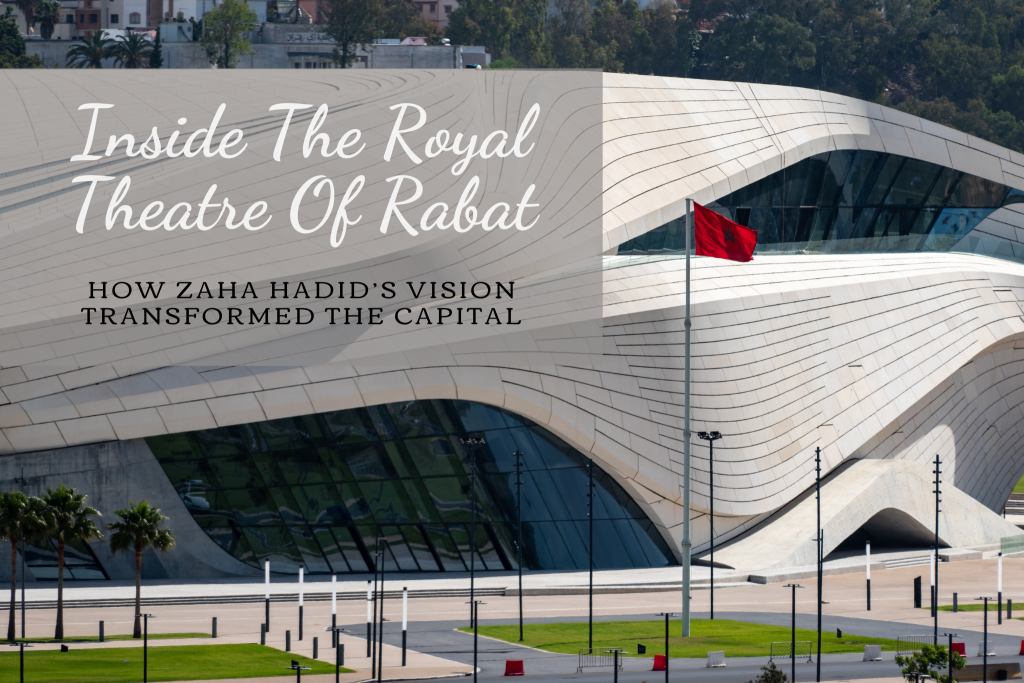
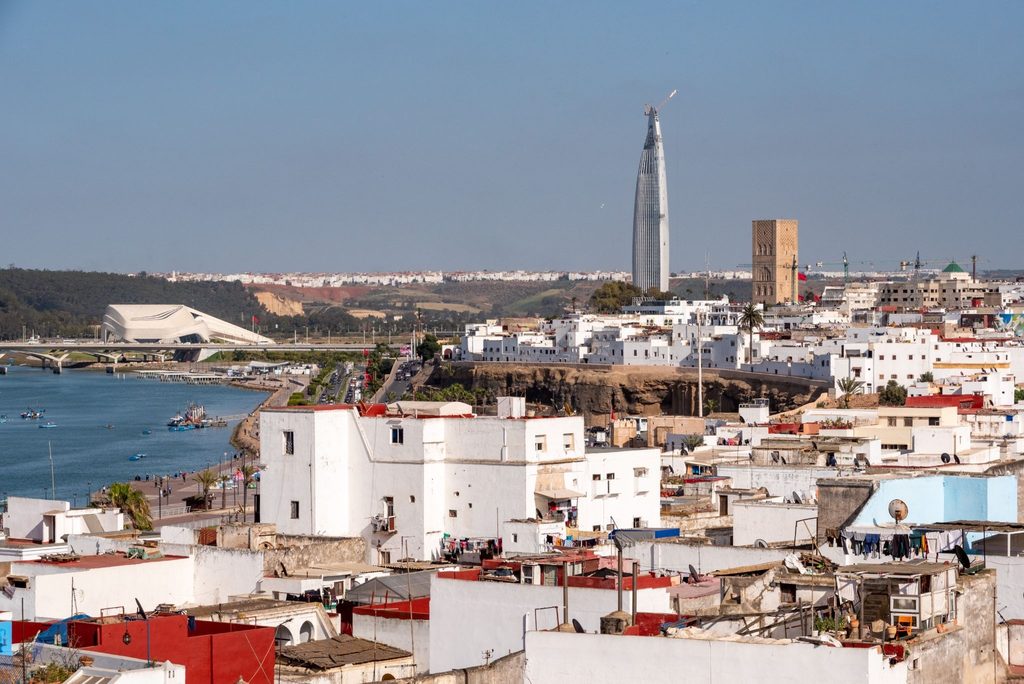
The Royal Theater of Rabat stands as a testament to the confluence of architectural genius, national aspiration, and cultural evolution. Following an exhaustive fifteen-year gestation period that bridged design, construction, and final interior outfitting, the facility officially opened its doors to the public on April 22, 2026. Situated along the scenic banks of the Bouregreg valley, the theater serves as a permanent, state-of-the-art home for Morocco’s diverse artistic heritage, marking a transformative moment for the nation’s cultural infrastructure.
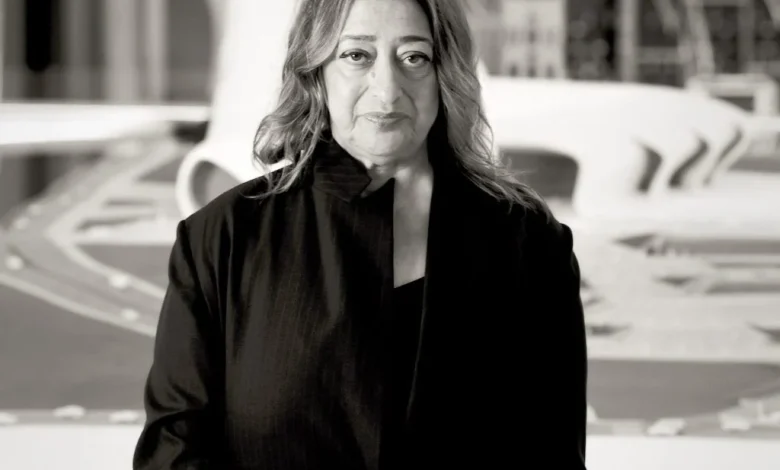
The project is the final legacy of the late Pritzker Prize-winning architect Zaha Hadid. Her vision for the site was to create a structure that functions as a natural extension of the Moroccan landscape, utilizing fluid, organic forms that mirror the movement of the river and the shifting light of the Atlantic coast. While the building was inaugurated during a state visit by French President Emmanuel Macron in October 2024, it remained dormant until the spring of 2026, when it finally welcomed its first audience for a premiere performance featuring over 100 Moroccan artists and the Orchestre Philharmonique du Maroc.
A Chronology of Development: From Concept to Completion
The realization of the Royal Theater was a multi-phase endeavor that spanned nearly two decades. The project’s timeline is defined by several critical milestones:
- 2010: Zaha Hadid Architects is commissioned to design the theater as part of the broader Bouregreg valley urban development initiative.
- 2014: Official groundbreaking marks the commencement of structural construction.
- 2016: The passing of Zaha Hadid in March necessitates a transition in leadership at her firm, though the project continues under the stewardship of her successor, Patrik Schumacher.
- 2021: The external shell and primary structural envelope of the building are declared complete.
- October 2024: Formal inauguration takes place during a high-profile state visit, highlighting the building’s significance in international diplomatic and cultural relations.
- April 22, 2026: The theater hosts its inaugural public performance, marking the official commencement of its operational life.
Architectural Significance and Technical Specifications
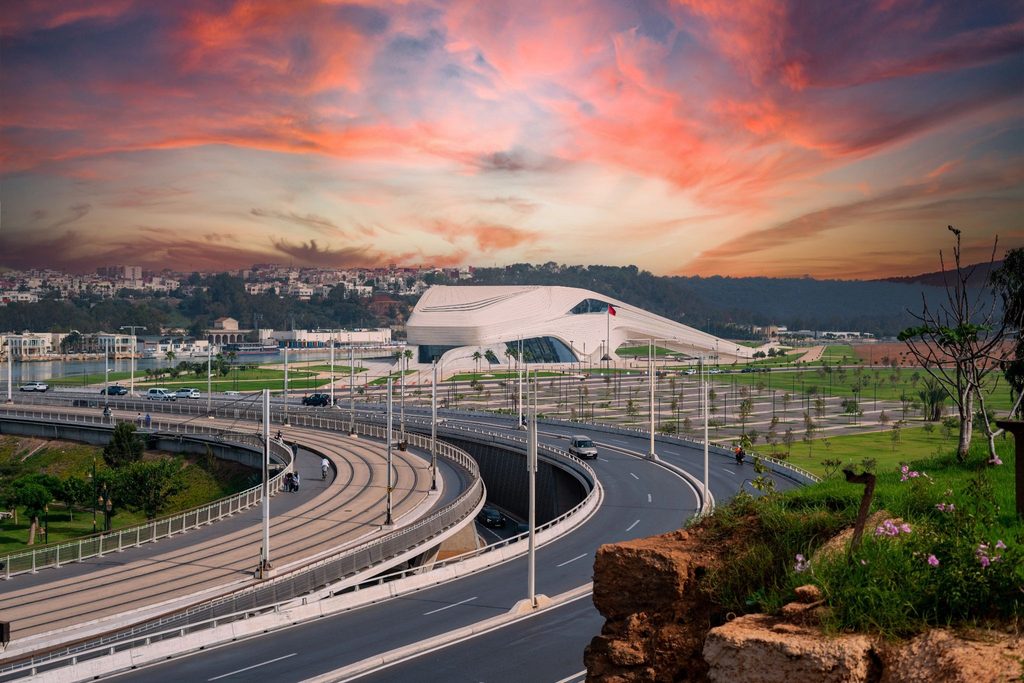
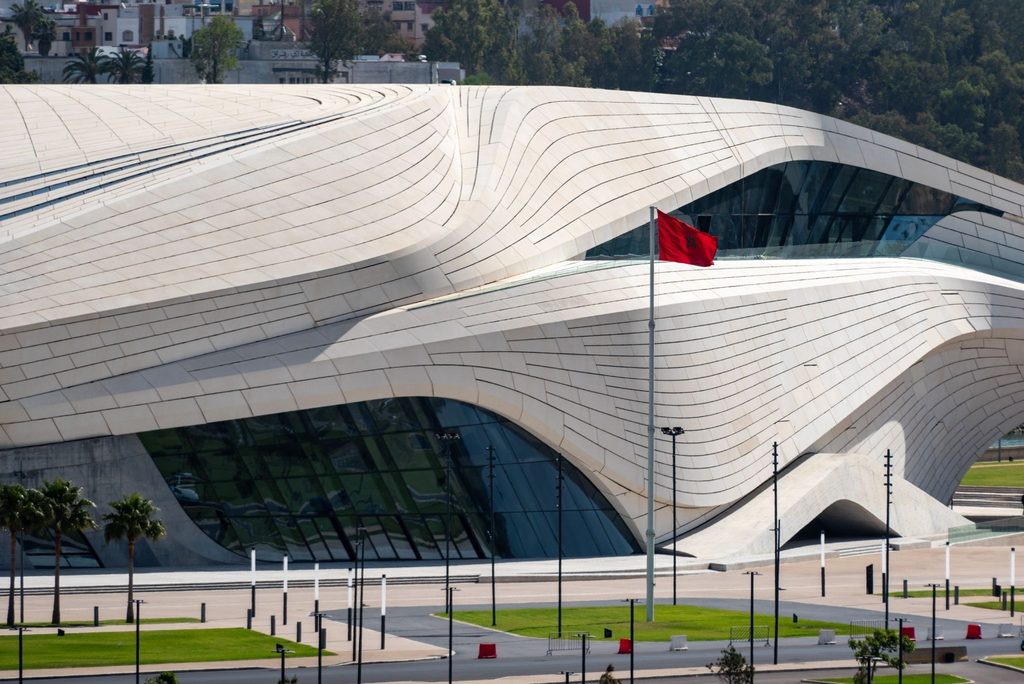
The Royal Theater is not merely a venue; it is an architectural statement designed to integrate seamlessly with the historic identity of Rabat. The exterior architecture draws inspiration from the intricate geometric motifs synonymous with Moroccan zellige tilework and traditional carved plaster. By reinterpreting these ancient patterns through a contemporary, fluid lens, the structure achieves a dialogue between the country’s storied past and its modern ambitions.
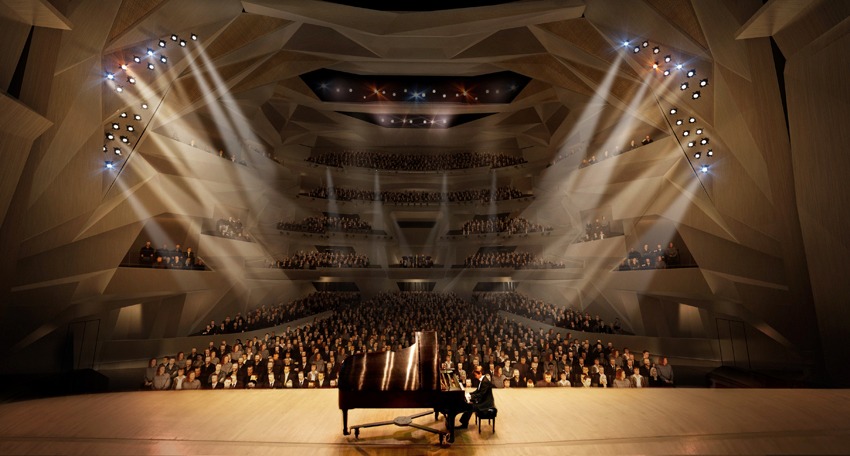
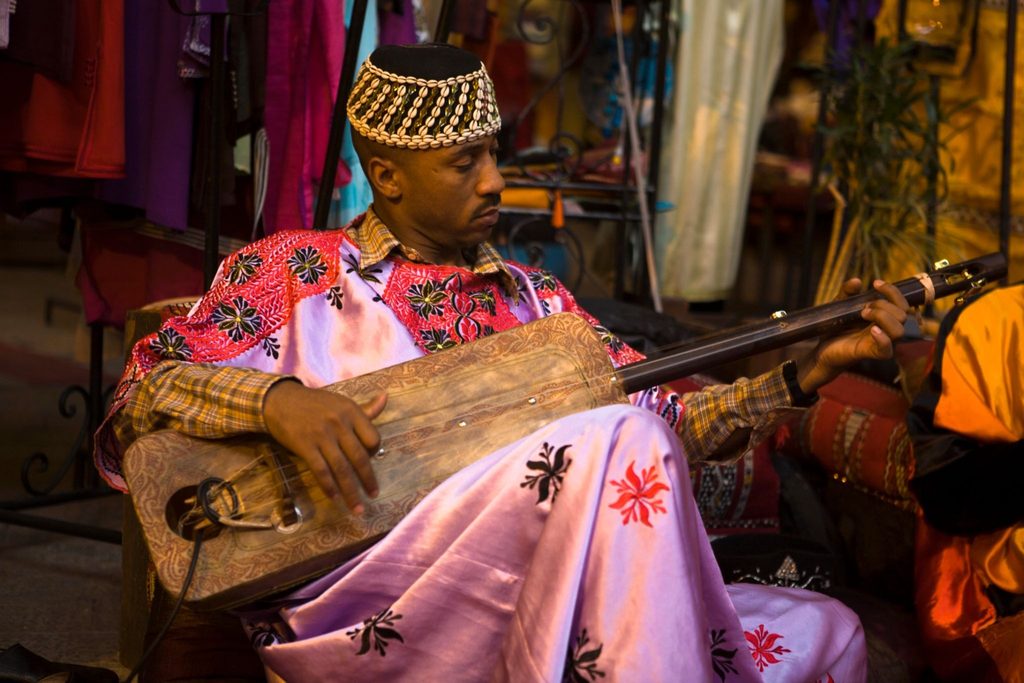
Technically, the venue is engineered to compete with the finest performing arts centers globally. The main auditorium, with a capacity of 1,800, is equipped with advanced acoustic dampening and variable stage configurations, allowing it to transition between opera, symphonic concerts, ballet, and traditional Moroccan musical performances such as Andalusian classical music, Malhun, and Gnawa. In addition to the primary hall, the complex features a 520-seat studio theater for intimate productions and a sprawling open-air amphitheater capable of accommodating 7,000 spectators, specifically designed to anchor large-scale festivals and cultural events.
Strategic Cultural Implications for Morocco

The construction of the Royal Theater is a cornerstone of the "Rabat, City of Lights" initiative, a strategic government program aimed at repositioning the capital as a premier cultural hub. Historically, Morocco’s performing arts infrastructure was fragmented, consisting largely of underfunded or multi-purpose spaces that lacked the technical requirements for international-standard productions.
By investing in a world-class venue, the Moroccan government is shifting the cultural narrative. The objective is to move from a reliance on foreign stages to becoming a regional cultural powerhouse capable of hosting, producing, and exporting Moroccan talent. The inaugural performance was specifically curated to exclude foreign headliners, utilizing exclusively domestic talent to signal that the theater is a sanctuary for Moroccan artistic identity. This move is consistent with Morocco’s broader goals of fostering an internal creative economy that leverages its diverse UNESCO-recognized traditions.
The Legacy of Zaha Hadid
The completion of the project without its original architect highlights the endurance of the firm’s design language. Zaha Hadid, the first woman to win the Pritzker Prize, was renowned for challenging the rigidity of traditional architectural angles. Her work in Rabat is considered one of her final major contributions to global architecture.
In her lifetime, Hadid maintained that the emotional impact of a performance begins before the curtain rises—it begins with the building itself. The Royal Theater achieves this through its interplay of light and shadow, and its ability to appear in motion even when static. For the architectural community, the building serves as a case study in how a vision can be preserved and executed across decades, ensuring that the final output remains true to the architect’s initial sketches and conceptual goals.
Economic and Tourism Impact
Beyond the arts, the theater is positioned as an economic driver. Rabat has long been overshadowed by the tourism dominance of Marrakech and Fes. By adding the Royal Theater to a landscape that already includes the UNESCO-listed medina, the Hassan Tower, and the Mausoleum of Mohammed V, the city is enhancing its appeal to cultural tourists.
The integration of the theater into the Bouregreg valley development is expected to stimulate surrounding service industries, including hospitality, transportation, and retail. As the city matures into a cultural destination, the theater provides a "serious anchor" that justifies extended stays for international visitors, effectively diversifying the country’s tourism product beyond its historical sites.
Official Perspectives and Future Outlook
While specific financial figures regarding the total cost of construction remain part of the broader state-funded development budget, officials have consistently characterized the project as a long-term investment in national soft power. Reactions from the artistic community have been overwhelmingly positive, with performers noting that the facility provides a long-awaited "house large enough" for the scale and complexity of Moroccan artistry.
The success of the Royal Theater will now be measured by its ongoing programming and its ability to maintain high-level technical standards. With the capacity to host everything from international operas to intimate local poetic recitations, the theater is expected to become the heartbeat of the capital’s social life.
As the sun sets over the Bouregreg, the building’s reflective surfaces catch the gold of the Atlantic light, mirroring the dual nature of Rabat—a city rooted in deep history and moving steadily toward a modern, globalized future. For a nation that has spent years preparing to tell its story on a global stage, the Royal Theater of Rabat provides the necessary platform to ensure that story is heard, seen, and experienced with the grandeur it deserves.
As the curtains rise in the coming years, the theater will face the ultimate test: not just in its architectural beauty, but in its ability to serve as a living, breathing venue that evolves alongside the artists it hosts. After fifteen years of anticipation, the institution is now a reality, signaling a new, robust chapter for Moroccan culture on the international stage.