Urban Mobility and Infrastructure Challenges
Navigating a 17th-century city with a stroller presents unique logistical challenges, yet Amsterdam has adapted its public transit and pedestrian networks to accommodate these demands. The city’s core, defined by its iconic canal rings and narrow, cobblestone-heavy streets, requires strategic planning for those traveling with infants.

Data from the Amsterdam City Council indicates that over 70% of the city’s tram fleet has been modernized to include low-floor accessibility, allowing for easier boarding with strollers. Furthermore, the extensive renovation of major train and metro hubs—most notably at Amsterdam Centraal and Zuidas—has prioritized the installation of heavy-duty, reliable elevators. Despite these advancements, travelers are advised to exercise caution. While public transportation is generally seamless, historic buildings often lack modern lift systems, occasionally necessitating that parents carry both their children and foldable, lightweight strollers up narrow, steep staircases common in older Dutch architecture.
The Role of Cycling in Family Logistics
Cycling is the primary mode of transportation in the Netherlands, a trend that extends to family life. The "bakfiets"—a cargo bicycle equipped with a large front-loading box—is a ubiquitous sight. For tourists, however, the learning curve for these specialized vehicles is steep. Local rental agencies strongly advise against visitors attempting to operate a fully loaded bakfiets in the dense, high-speed traffic of the city center. Instead, experts recommend utilizing rental bicycles fitted with high-security child seats, which offer a more familiar handling experience for those unaccustomed to Dutch cargo cycles.

Pedestrian safety remains a critical focus of local law enforcement. The city’s distinct red-paved cycle lanes are strictly reserved for bicycle traffic. Tourists are frequently reminded that these lanes are not auxiliary sidewalks; stepping into them with a stroller poses a significant safety risk, as the flow of bicycle traffic is rapid and continuous.
Transit Connectivity from Schiphol Airport
For international families arriving at Amsterdam Schiphol Airport, the transition to the city center is streamlined by an efficient rail link. The NS (Dutch Railways) service connects the airport to the city’s main hubs in under 20 minutes. This is widely considered the most cost-effective and efficient method for travelers with luggage and strollers, as taxis are often subject to heavy traffic congestion and typically do not carry mandatory child safety seats.

For those requiring door-to-door service, a growing market of private, pre-booked transfer companies now caters specifically to families. Unlike standard taxi services, these operators allow parents to specify the age and weight of their children during the reservation process, ensuring that age-appropriate car seats are installed before the vehicle arrives at the terminal.
Cultural Integration and Child-Centric Attractions
The cultural landscape of Amsterdam has shifted to accommodate younger demographics. Museums that were once considered strictly academic have introduced interactive, hands-on programming designed for toddlers. The NEMO Science Museum, for instance, has gained international recognition for its rooftop plaza and experimental exhibits that allow for physical movement and sensory engagement, moving away from the "look but don’t touch" traditional model.

Similarly, the National Maritime Museum and the Wereldmuseum have integrated specific child-friendly tours. Even institutions focused on heavy historical themes, such as the Anne Frank House and the Van Gogh Museum, have streamlined their entry processes to prioritize families, though advanced booking is mandatory due to the high volume of visitors.
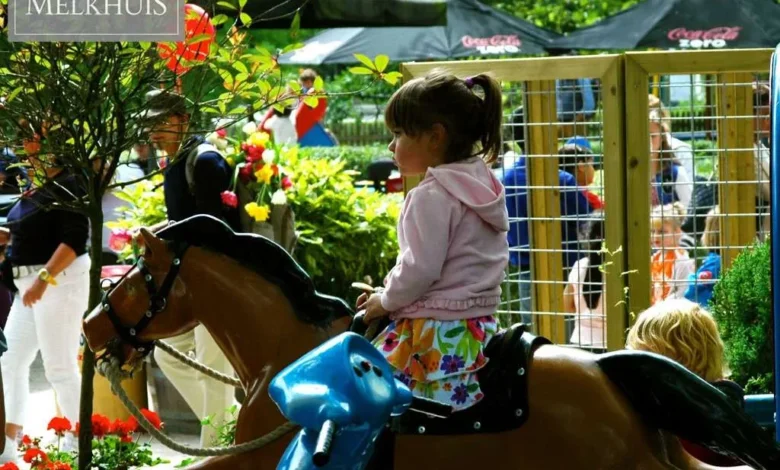
The city’s green space, specifically Vondelpark, serves as the primary outdoor hub for families. Spanning 120 acres, it acts as a central cooling and play zone, featuring multiple playgrounds and the Groot Melkhuis, a facility that combines dining with supervised play areas. This integration of public space and family utility has been credited with reducing the stress often associated with urban travel for parents.

Economic and Logistical Support for Families
One of the most significant burdens for traveling parents is the transport of supplies, such as diapers and formula. Amsterdam’s retail landscape significantly mitigates this pressure. The city’s high density of supermarkets, particularly the ubiquitous Albert Heijn chain, ensures that parents can secure familiar brands of baby food and supplies within a short walking distance of most tourist districts. Pharmacies and beauty retailers, such as Etos and Kruidvat, provide additional access to specialized infant care products, allowing travelers to pack lighter and rely on the local supply chain.
Strategic Neighborhood Selection
The choice of accommodation in Amsterdam can dictate the overall quality of a family trip. The Leidseplein area is frequently cited by travel analysts as the most convenient district for families, primarily due to its proximity to Vondelpark and the major museum quarter. This location allows families to access essential services and recreation without navigating the more congested, high-tourism zones of the Red Light District or the immediate vicinity of the central railway station.

The Jordaan neighborhood, known for its picturesque 17th-century aesthetics, is also a preferred location for those seeking a quieter atmosphere. It provides easy access to the city’s primary sights while remaining insulated from the late-night noise associated with the city’s dense nightlife.
Broader Implications of Family-Friendly Tourism
The evolution of Amsterdam into a family-friendly hub is not merely a convenience for tourists; it is part of a broader shift in the city’s urban identity. By diversifying its tourist appeal, the city aims to mitigate the negative externalities of mass tourism, such as overcrowding and public disorder.

Official tourism boards in the Netherlands are actively promoting the "I Amsterdam City Card" as a tool for economic efficiency. By bundling access to transit and top-tier museums, the city encourages visitors to extend their stays and explore areas beyond the city center. This strategy not only benefits the local economy but also creates a more sustainable tourism model that prioritizes family longevity and cultural engagement over the short-term, high-intensity consumption patterns of the past. As Amsterdam continues to refine its infrastructure, it provides a replicable blueprint for other major European capitals looking to balance heritage preservation with the modern needs of a family-oriented global traveling public.