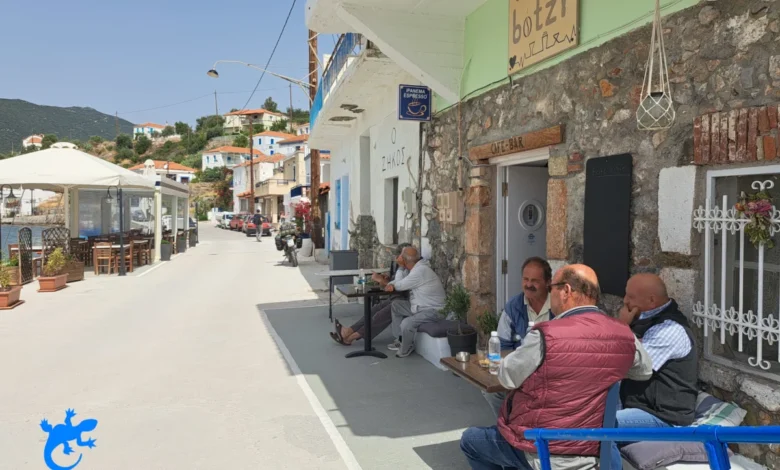
Coffee in Greece is a fundamental pillar of national identity, functioning not merely as a beverage, but as a critical social lubricant that dictates the pace and rhythm of Mediterranean life. While global coffee consumption is often characterized by the rapid, utilitarian intake of caffeine to fuel productivity, the Greek approach prioritizes the "kafenio" tradition—a practice centered on community cohesion, the deceleration of time, and the deliberate appreciation of interpersonal connection. Understanding this cultural phenomenon requires an examination of historical influences, the evolution of local brewing techniques, and the socioeconomic role that coffee shops continue to play in modern Greek society.
Historical Context and Regional Influence
The roots of Greek coffee culture are inextricably linked to the historical influence of the Ottoman Empire, which introduced the cultivation and preparation of coffee to the region as early as the 16th century. Historically, coffee houses served as the primary venues for political discourse, news dissemination, and social networking. These establishments functioned as the modern equivalent of the ancient Greek Agora—a public space where citizens gathered to debate the affairs of the state and the local community.
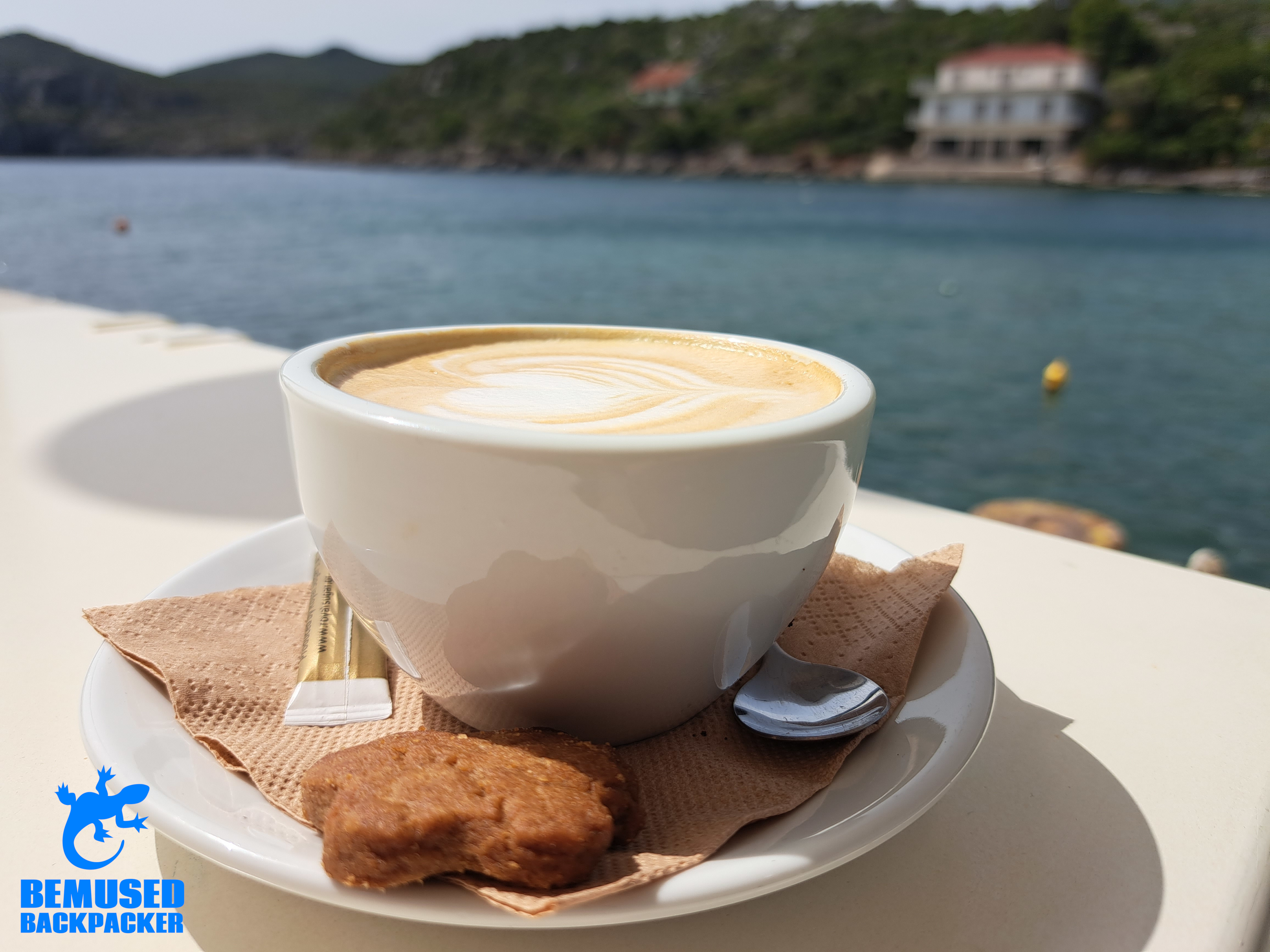
The methodology for preparing traditional Greek coffee remains distinct from Western European drip or espresso methods. The process involves using a "briki," a small, narrow-necked copper or brass pot. Finely ground coffee, water, and optional sugar are combined and heated, traditionally over hot sand or embers, to create a concentrated, unfiltered beverage. The result is a viscous, potent drink served in a small demitasse cup, often accompanied by a glass of water to cleanse the palate. This preparation mirrors the Turkish tradition, yet the Greek iteration has evolved into a unique ritualized experience often paired with "spoon sweets"—fruit preserves served in syrup—to balance the bitterness of the dark brew.
Chronology of Coffee Evolution
The trajectory of coffee consumption in Greece has seen distinct shifts across the 20th and 21st centuries:
- Pre-1960s: The "Kafenio" era was dominated by traditional Greek coffee. These venues were predominantly male-dominated spaces where social hierarchy and community news were managed.
- The 1960s Revolution: A pivotal moment occurred with the accidental invention of the Frappé. During the 1957 Thessaloniki International Fair, a representative of the Nestlé company, seeking to make instant coffee during a hot day, utilized a shaker to mix the powder with cold water. This innovation marked the birth of the iced coffee culture that would define the modern era.
- 1990s to Present: The introduction of the "Freddo" series—specifically the Freddo Espresso and Freddo Cappuccino—redefined the standard for urban coffee consumption. These drinks, characterized by their frothy, chilled texture, became the preferred choice for the younger, mobile, and professional demographic.
Economic and Social Data
Coffee consumption in Greece remains among the highest per capita in Europe. According to industry reports from the Hellenic Coffee Association, the domestic coffee market accounts for a significant portion of the country’s food and beverage sector. Greece imports thousands of tons of green coffee beans annually, supporting a sophisticated supply chain that ranges from boutique roasters to large-scale international franchises.

Data indicates that the "third wave" coffee movement—focused on artisanal roasting and specialty bean sourcing—has seen substantial growth in Athens and Thessaloniki over the last decade. Despite the influx of global chains, local businesses continue to thrive by leveraging the "third place" concept: the idea that individuals require a social space distinct from home and the workplace. A 2022 survey on consumer behavior in Greece suggested that over 65% of Greek adults spend at least one hour per day in a cafe setting, a duration significantly higher than the European average.
The Sociological Implications of the "Slower Pace"
The emphasis on longevity and socialization during coffee consumption has profound implications for Greek work-life balance. Economists have long observed that the Greek labor market operates with a distinct temporal structure, where business negotiations and professional networking are rarely conducted in isolation. Instead, they are embedded within the ritual of the coffee break.
This practice serves as a stress-reduction mechanism. By normalizing the "slow-down," the culture effectively mitigates the burnout associated with high-intensity corporate environments. When an individual sits in a café for an hour with a single cup of coffee, they are participating in a cultural mandate to prioritize human interaction over immediate economic output. This is not viewed as inefficiency, but rather as an essential investment in the social capital of the community.

Navigating the Modern Greek Cafe Experience
For the visitor or the expatriate, understanding the nuances of ordering is essential to navigating the social landscape. The vocabulary of Greek coffee is specific and standardized:
- Glykos: Extra sweet, often requested by those who prefer a dessert-like profile.
- Metrios: Medium sweetness, the most common standard for casual drinkers.
- Sketos: No sugar, favored by those who wish to experience the unadulterated flavor profile of the bean.
- Vary Glykos: A "heavy and sweet" preparation, often containing a double dose of caffeine and sugar, which serves as a potent stimulant.
The presence of the "me gala" (with milk) option for iced beverages highlights the adaptation of Greek preferences to accommodate globalized tastes, yet the underlying requirement remains the same: the coffee must be prepared to the specific individual’s preference. Waitstaff in Greece are generally accustomed to the complexities of these orders and view the meticulous customization of a drink as part of the hospitality service.
Professional Analysis of the Industry
The sustainability of the Greek coffee industry faces challenges from rising inflation and the increasing costs of raw commodity imports. However, industry analysts note that because coffee is perceived as an "affordable luxury" and a cultural necessity, demand remains inelastic. Even during periods of economic volatility, the frequency of coffee consumption has remained stable, demonstrating the resilience of the habit within the social fabric.

Furthermore, the expansion of the "Freddo" culture has allowed Greek coffee culture to export its influence. Greek-style iced coffee preparations are increasingly being adopted by specialty cafes in cities like London, New York, and Melbourne, driven by the Greek diaspora and the global interest in Mediterranean culinary trends. This exportation of culture reinforces the status of Greece as a significant player in the global coffee hierarchy.
Conclusion
The coffee culture of Greece is a testament to the enduring power of tradition in an increasingly digitized and fast-paced world. It provides a unique lens through which to view the Greek values of hospitality ("philoxenia"), patience, and community. Whether one is drinking a traditional, sediment-heavy Greek coffee in a mountain village or a sophisticated Freddo Espresso in a bustling Athenian square, the act remains a foundational element of the Greek experience. It is a reminder that the quality of one’s time is as important as the quality of the product consumed, a philosophy that continues to resonate with both locals and international visitors alike. As the industry continues to modernize, the core tenet of the Greek coffee break—that life is meant to be savored alongside others—remains unchanged, ensuring that the local cafe will continue to be the heartbeat of the nation for generations to come.