
The global independent workforce has expanded exponentially over the last decade, transitioning from a localized side-hustle culture into a multi-trillion-dollar economic pillar. With millions of professionals now operating as sole proprietors, remote contractors, and digital nomads, the modern freelance landscape demands a high degree of digital infrastructure. Without the structural support of traditional human resources, accounting departments, and IT teams, independent contractors must rely on software applications to maintain operational efficiency. Navigating the crowded marketplace of digital tools can be daunting, but selecting the right software stack is critical for long-term business sustainability.

The Evolution of the Independent Workforce and Digital Tooling
The shift toward remote and freelance labor accelerated significantly following global workplace disruptions in 2019, creating a permanent demand for agile business management solutions. As more professionals traded traditional nine-to-five employment for autonomous careers, software developers responded by building niche ecosystems tailored specifically to solopreneurs.
Today’s freelance infrastructure spans several distinct operational categories: time tracking, project management, physical well-being, financial invoicing, client communication, and secure data organization. Industry analysts note that independent professionals who successfully integrate automated software into their daily routines reduce administrative overhead by up to thirty percent, allowing them to focus entirely on core revenue-generating tasks.

Sourcing Talent and Securing Contracts: The Upwork Ecosystem
Before managing daily operations, independent contractors must secure a steady stream of incoming projects to maintain cash flow. While cold outreach and personal networking remain viable strategies, online talent marketplaces have transformed how freelancers acquire clients. Platforms such as Upwork connect millions of independent writers, designers, developers, and social media managers with enterprises seeking specialized, short-term, or long-term contract labor.
Data from labor market researchers indicates that freelancing platforms reduce customer acquisition costs significantly compared to traditional marketing channels. For practitioners entering the independent sector, establishing a verified profile on a centralized marketplace provides immediate visibility without the immediate need for heavy advertising expenditures. Furthermore, integrated escrow and milestone payment systems protect both parties, minimizing the risk of non-payment for completed deliverables.

Time Management and Productivity Infrastructure
Time tracking is the foundational metric of any successful freelance enterprise, regardless of whether a contractor charges by the hour or implements fixed-project pricing. Without accurate data regarding project duration, solopreneurs risk underpricing their services and eroding their profit margins.
1. Clockify
Clockify remains an industry standard for time tracking, offering robust functionality across both free and enterprise-tier models. For solo practitioners, the free version provides unlimited tracking across multiple client projects. By auditing time spent on individual deliverables, freelancers can accurately evaluate their effective hourly rate and determine when market conditions justify raising their prices.

2. ClickUp and Asana
For comprehensive workflow management, ClickUp and Asana offer advanced structural frameworks that rival corporate project management suites. ClickUp excels in customizable workspace creation, allowing users to separate clients into distinct calendars and task boards. Similarly, Asana provides intuitive visual timelines that are particularly valuable for social media managers mapping out content strategies months in advance. Both platforms offer generous free tiers that easily accommodate single-user operations.
3. Todoist and Toggl
Todoist functions as a streamlined, task-oriented reminder application that integrates seamlessly into daily routines without requiring a steep learning curve. Meanwhile, Toggl serves as a direct competitor to Clockify, offering visual data charts at the end of each work week to help contractors analyze productivity bottlenecks and reallocate working hours efficiently.

Physical Well-being and Ergonomics for Remote Professionals
Working remotely removes the natural physical movement associated with traditional commutes, presenting unique health challenges for independent contractors. Maintaining physical vitality is a critical economic necessity for freelancers, as unplanned medical leave directly translates to lost revenue.
Fitness and Mobility Applications
To combat sedentary lifestyles, applications such as the Nike Training Club provide structured, home-based routines ranging from bodyweight exercises to equipment-based workouts. For indoor cycling enthusiasts, the Peloton app offers comprehensive cardio, strength, and flexibility modules. Additionally, the Yoga for Beginners app provides accessible, stress-relief routines that integrate directly with mobile health tracking ecosystems like Apple Health.

Biometric Monitoring and Nutritional Tracking
Advanced wearable technology, such as the WHOOP physiological tracking band, has gained traction among remote professionals seeking granular data on recovery, sleep quality, and physiological stress states. Concurrently, MyFitnessPal enables freelancers to monitor daily nutritional intake, ensuring that remote work environments do not compromise long-term metabolic health.
Financial Management and Invoicing Solutions
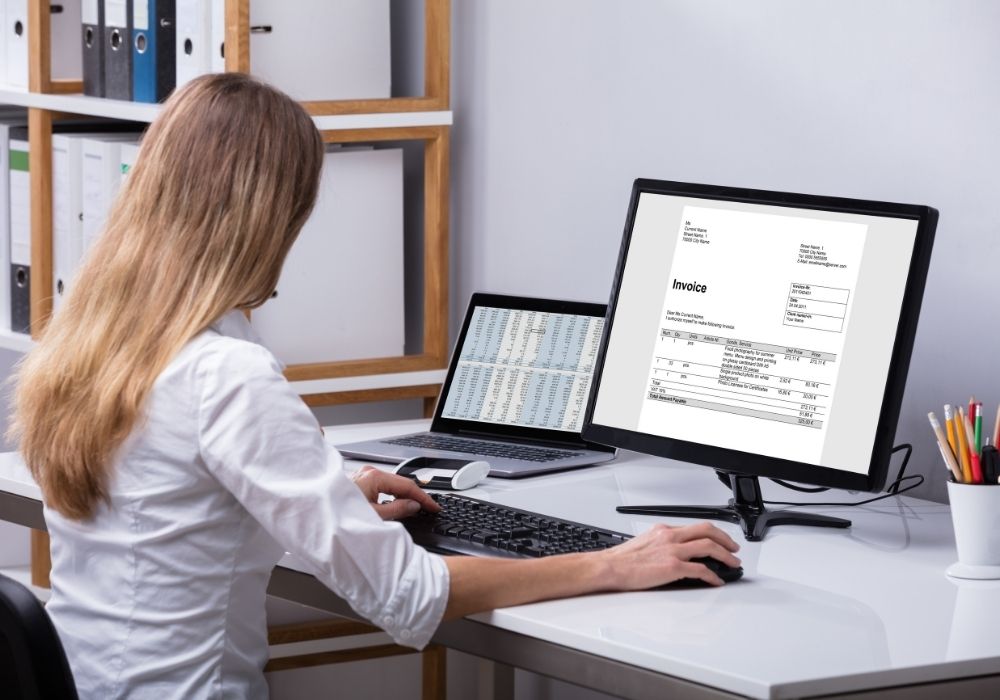
Cash flow volatility is frequently cited as the primary stressor for independent workers. Deploying robust invoicing and accounting software ensures that payments are requested, tracked, and reconciled systematically.

HoneyBook and Dubsado
HoneyBook operates as an all-in-one client management system featuring a dedicated mobile application, recurring retainer invoicing, and automated payment reminder sequences. Dubsado offers similar client management capabilities but places heavy emphasis on brand-customizable proposals and documentation, making it a favorite among graphic designers and creative agencies.
Global Payment Gateways and Accounting Suites
PayPal remains a globally trusted standard for cross-border transactions, particularly within the freelance writing and digital content sectors, due to its ubiquitous consumer recognition. For comprehensive double-entry bookkeeping, platforms like Wave and QuickBooks integrate invoicing directly with financial reporting tools, allowing freelancers to track profitability, view invoice statuses in real time, and prepare for tax obligations efficiently. Invoice Simple offers a streamlined alternative with over sixty customizable templates and instant digital payment acceptance.

Client Communication Protocols
Effective communication prevents scope creep and strengthens long-term client retention. Modern freelancers rely on a mix of instant messaging, video conferencing, and asynchronous video tools to maintain professional boundaries.
Voxer, Slack, and Gmail
Voxer functions as a voice-first walkie-talkie application, enabling rapid audio messaging that many contractors use for virtual office hours. Slack provides structured instant messaging without requiring the exchange of personal telephone numbers, while Gmail remains the foundational email client for formal business correspondence.
Zoom and Loom
Zoom facilitates face-to-face virtual discovery calls and client consultations, integrating smoothly with calendar scheduling tools like Calendly and Acuity. For asynchronous communication, Loom has emerged as an indispensable tool, allowing contractors to record their desktop screens and faces simultaneously to provide clear, visual software tutorials and project walkthroughs to clients.
Digital Organization and Security Infrastructure
Safeguarding intellectual property and client credentials is a paramount responsibility for independent business owners.

Cloud Storage and Note-Taking
Google Drive offers universal cloud storage compatibility that clients can access without friction. For internal document management, Dropbox provides robust file organization alongside Paper Docs for collaborative writing. Goodnotes and Evernote serve as premier digital note-taking environments, transforming tablets into paperless planners and meeting repositories.
Credential Management
LastPass provides secure password vaulting and encryption, allowing freelancers to safely store and share sensitive client login credentials—such as social media admin access—without compromising network security.

Frequently Asked Questions About Freelancer Applications
What types of applications are most critical for starting a freelance business?
Essential applications span time management (Clockify), invoicing (HoneyBook or PayPal), communication (Zoom and Gmail), and cloud storage (Google Drive).
Which platform is optimal for discovering new freelance contracts?
Industry professionals frequently utilize Upwork due to its established escrow protections, secure payment processing, and diverse pool of corporate clients seeking specialized contract labor.

Is remote freelancing more stressful than traditional employment?
While self-employed professionals experience income volatility and administrative responsibilities, the flexibility, creative autonomy, and scaling potential typically outweigh the operational challenges. Proper software integration can substantially mitigate administrative stress.