Travel patterns in Southern Europe are undergoing a significant transition as visitors move away from traditional "checklist" tourism toward slow-paced, immersive experiences. Granada, a city in the Andalusia region of Spain, serves as a primary case study for this shift. By focusing on neighborhoods like Realejo and Centro Sagrario, modern travelers are increasingly prioritizing long-term engagement with local culture over the rapid consumption of historical landmarks. This change in behavior reflects a broader movement within the global tourism industry, where the value of a destination is measured by cultural integration rather than the quantity of sites visited.
The Evolution of the Granada Experience
Historically, Granada’s tourism sector has been dominated by the Alhambra, a UNESCO World Heritage site that attracts over 2.7 million visitors annually. For decades, the standard itinerary for tourists involved a brief, intense encounter with the Alhambra, the Albaicín, and the cathedral, often concluding within 48 to 72 hours. This model, while economically beneficial for major attractions, often left travelers with a fragmented understanding of the city’s social fabric.

Recent data from regional tourism boards indicates a shift in traveler demographics and stay duration. While the average stay in Granada historically hovered around two nights, there has been a 15% increase in "extended-stay" bookings within residential neighborhoods such as Realejo. This movement suggests that visitors are intentionally seeking to bypass the high-traffic corridors to reside in environments that mimic the daily lives of local residents.
Geography and Local Integration
The Realejo district, formerly the Jewish quarter, and the adjacent Centro Sagrario form the nucleus of this trend. Unlike the highly commercialized zones surrounding major monuments, these neighborhoods maintain a delicate balance between a thriving student population—supported by the University of Granada, which hosts over 60,000 students—and long-term residents.
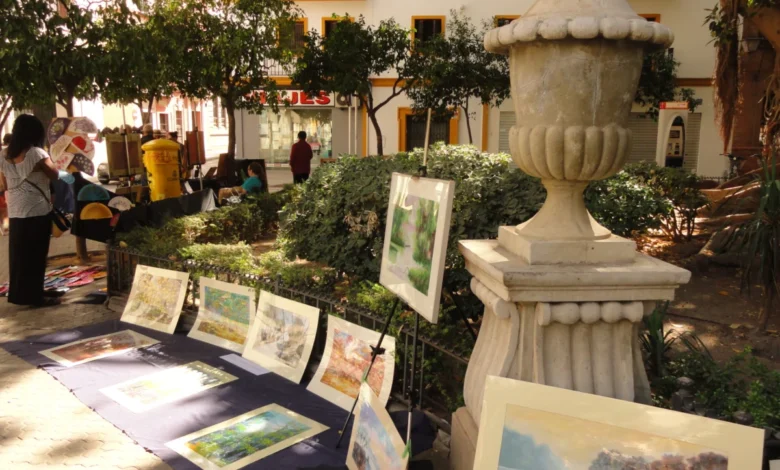
The infrastructure of these areas is distinct. The architecture features traditional Andalusian courtyards, known as cármenes, which facilitate a lifestyle that prioritizes privacy and communal leisure. The presence of urban art, specifically the mural projects that have transformed formerly neglected walls into open-air galleries, provides a modern counterpoint to the city’s Moorish and Renaissance heritage. This blend of historical density and contemporary creative expression has made these districts magnets for travelers looking for an authentic, rather than curated, experience.

Chronology of a Shift in Tourism
The transition toward slow travel in Granada can be mapped across several distinct phases of the last decade:
- Pre-2015 (The Monumental Era): Tourism was almost exclusively concentrated on the "Golden Triangle" of the Alhambra, the Generalife, and the Cathedral. Local residential areas were largely excluded from tourist mapping.
- 2015–2020 (The Rise of the Sharing Economy): The proliferation of short-term rental platforms enabled travelers to secure housing outside of hotel zones. This allowed for longer stays and increased the visibility of neighborhoods like Realejo.
- 2021–Present (The Experiential Pivot): Post-pandemic travel trends show a marked preference for low-density tourism. The "slow travel" movement gained momentum, with travelers placing a higher value on language acquisition, culinary engagement, and informal social interactions in local squares like the Campo del Príncipe.
Socio-Economic Implications of Slow Travel
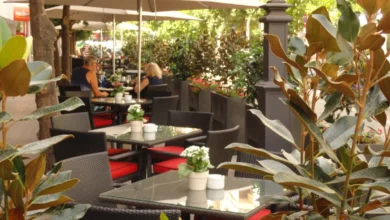
The move toward neighborhood-based tourism has had measurable impacts on the local economy. Small-scale artisan shops, neighborhood cafés, and independent tapas bars—the latter being a cornerstone of Granada’s social life—have seen a resurgence in patronage that does not rely solely on transient foot traffic.
Economists studying regional development note that this trend decentralizes the economic benefits of tourism. When visitors spend extended periods in residential districts, their expenditures are distributed among a wider array of local businesses rather than being confined to the hospitality conglomerates situated near major monuments. Furthermore, the emphasis on local language practice—often facilitated by the high frequency of social interaction in these areas—reduces the cultural friction that often accompanies mass tourism.

The Role of Language and Cultural Literacy
A significant component of the modern travel experience in Granada is the acquisition of basic Spanish. Language experts and educators have observed that the demand for "immersion-style" travel has led to a more sophisticated breed of visitor. Unlike the transactional approach of previous generations, these travelers are prioritizing the ability to engage in basic conversation.
Research from linguistics departments at the University of Granada suggests that even a minimal level of conversational proficiency significantly increases the "cultural retention" of a traveler. By moving beyond the role of a passive observer, the visitor becomes a participant in the social life of the square or the café. This behavioral change is frequently reported as the most transformative aspect of a trip, often cited in traveler surveys as the primary factor for repeat visitation.
Official Responses and Urban Planning
The local government of Granada has begun to adjust its urban planning to accommodate this shift. There is an increased emphasis on maintaining the integrity of neighborhood squares, such as the Campo del Príncipe, which has been preserved as a communal space rather than a commercial tourist plaza.

Local officials have noted that the "hidden" nature of these neighborhoods is their primary asset. Efforts to "market" these areas are approached with caution; there is a consensus among urban planners that over-promoting these districts could lead to the same overcrowding that necessitated the shift away from the city center in the first place. Instead, the focus remains on infrastructure maintenance, the preservation of historic facades, and the support of local creative initiatives that define the identity of these districts.
Broader Impacts on Global Tourism
Granada’s current trajectory mirrors global trends in cities like Florence, Lisbon, and Kyoto, where the pressure of mass tourism has forced a reevaluation of the visitor experience. The lesson emerging from these regions is that the "spectacular" no longer suffices as a primary driver of tourism. The modern traveler is seeking a connection that is intellectual, emotional, and social.
The implications for the tourism industry are profound. Agencies and travel providers are being forced to adapt, shifting their marketing from "attraction-based" packages to "experience-based" itineraries. This requires a deeper understanding of the destination’s cultural nuance and a willingness to promote locations that lack the immediate name recognition of famous monuments.

Conclusion
The appeal of neighborhoods like Realejo and Centro Sagrario lies in their resistance to the rapid, homogenized nature of modern travel. By choosing to linger, observe, and participate, the modern visitor to Granada is effectively rewriting the rules of engagement with the city.
The data suggests that this is not merely a temporary preference but a structural change in how international travel is conducted. As travelers continue to favor depth over breadth, cities that preserve their local, residential character while remaining accessible will likely see the greatest long-term success. For the individual, the result is a more meaningful encounter with a destination—one that is defined not by a photo taken at a famous monument, but by the quiet, accumulated memories of a life lived, however briefly, in the heart of a foreign city.