The Evolution of North African Rail: A Comprehensive Guide to Morocco’s Al-Boraq High-Speed Train

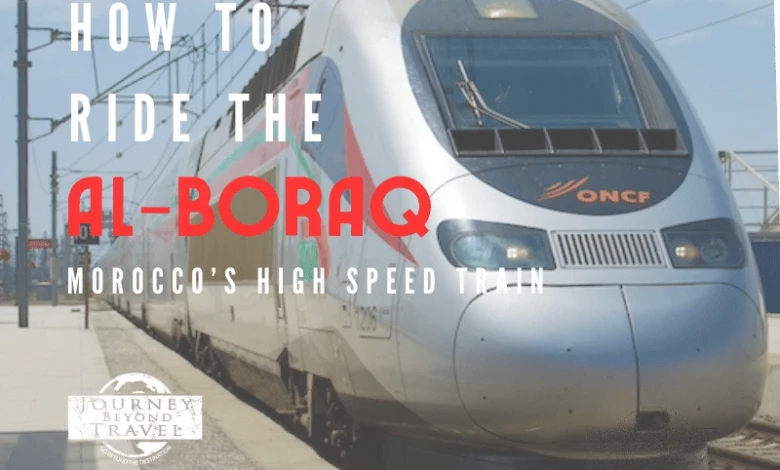
The introduction of the Al-Boraq high-speed rail service on November 18, 2018, signaled a transformative moment in Moroccan infrastructure, marking the debut of the first high-speed train network on the African continent. Named after the mythical winged creature from Islamic tradition that transported the Prophet Muhammad, the Al-Boraq project represents a significant departure from the romantic, albeit slower, rail travel that characterized Morocco in the mid-20th century. By bridging the gap between the economic powerhouse of Casablanca and the strategic northern gateway of Tangier, the service has fundamentally altered the logistical landscape of the Maghreb, setting a new benchmark for regional connectivity and sustainable transit.
Chronology of Development and Strategic Vision
The genesis of the Al-Boraq project dates back to the early 2000s, when the Moroccan government and the Office National des Chemins de Fer (ONCF) began evaluating the feasibility of a high-speed link to address growing passenger demand and reduce reliance on road travel. Following a formal agreement between Morocco and France in 2007, construction commenced in 2011. The project was conceived not merely as a transport upgrade but as a strategic economic corridor designed to integrate the northern coastal cities with the industrial heartland of Casablanca.
The development timeline was marked by rigorous engineering challenges, including the construction of a dedicated 186-kilometer high-speed line between Tangier and Kenitra, designed to accommodate speeds of up to 320 km/h. On the southern leg, the line connects to an upgraded conventional network, facilitating a seamless transition into the metropolitan regions of Rabat and Casablanca. The total transit time between Tangier and Casablanca was reduced from approximately five hours to just over two hours, a reduction that has effectively reclassified the regional geography, making daily commuting or rapid business travel between these major hubs viable for the first time.

Infrastructure and Technical Specifications
The Al-Boraq network is powered by double-decker TGV-style trainsets, which offer a distinct upgrade in comfort, air conditioning, and noise insulation compared to traditional Moroccan rolling stock. The technical infrastructure utilizes a dedicated high-speed track for the northern section, while the southern section utilizes upgraded tracks that allow for sustained high-speed operations before entering the dense urban environments of the coastal cities.
Key logistical hubs serve as the pillars of the Al-Boraq network. The primary stations include:
- Tanger Ville: The northern terminus, acting as the gateway to the Mediterranean.
- Kenitra: A vital hub facilitating the transition between the dedicated high-speed track and the mainline.
- Rabat Agdal: Serving the political capital and connecting the northern and central regions.
- Casa Voyageurs: The southern hub, located in the primary industrial and financial center of Morocco.
The efficiency of this system is underscored by its ability to bypass congested road traffic, providing an environmentally conscious alternative to intercity bus travel and private vehicle use. The reliance on electricity, coupled with the reduction in transit time, aligns with the Moroccan government’s broader sustainability goals, which prioritize the expansion of renewable energy sources to power national infrastructure.
Economic Implications and Future Expansion

The Al-Boraq is the initial phase of a broader 1,500-kilometer rail expansion plan. The Moroccan government has articulated a long-term vision to extend this high-speed network eastward toward Fez and southward toward Marrakech and eventually Agadir. This expansion is strategically linked to Morocco’s successful bid to co-host the 2030 FIFA World Cup alongside Spain and Portugal. The infrastructure investment is viewed as an essential component for managing the influx of international tourists and facilitating internal movement during the global sporting event.
From an economic perspective, the presence of high-speed rail has acted as a catalyst for urban development around the primary stations. Rabat Agdal and Casa Voyageurs have undergone significant renovations, transforming into modern, multi-modal transport hubs that serve as anchors for surrounding commercial real estate development. By reducing travel friction, the line has encouraged a more integrated national labor market, allowing professionals to work in Casablanca while maintaining residence in the northern coastal provinces.
Operational Challenges and Passenger Experience
Despite the technological success of the project, operational hurdles remain, particularly regarding the ticketing system. The ONCF, which manages the service, operates a centralized digital ticketing platform. However, international travelers frequently report challenges with the platform, noting that it may occasionally decline non-Moroccan bank cards or suffer from technical instability. This has led to a reliance on in-person ticket purchases at station kiosks.
For the international traveler, navigating these systems requires foresight. During peak travel periods—including national holidays, the summer vacation season, and weekends—demand often outstrips supply, leading to long queues at ticket counters. Experts advise that passengers plan their travel well in advance and, whenever possible, utilize the early morning departures to avoid the congestion that characterizes midday and evening operations.

Broader Social and Regional Context
The Al-Boraq serves as a bridge between the traditional and the contemporary. While it operates with the precision of European high-speed rail, it traverses a landscape deeply rooted in history. The cultural significance of the name "Al-Boraq" reflects the nation’s commitment to grounding modern technological progress in its religious and cultural heritage.
Furthermore, the project has drawn both domestic and international attention due to the high cost of implementation. Critics initially questioned the return on investment for a developing nation, yet proponents point to the immediate increase in passenger numbers—often exceeding the original projections—as evidence of the latent demand for reliable, high-speed regional transport. The success of the Tangier-Casablanca line has solidified Morocco’s reputation as a leader in African infrastructure, signaling to foreign investors that the nation is capable of executing complex, large-scale engineering projects.
Reflections on the "Marrakesh Express" Legacy
The historical context of the "Marrakesh Express"—a phrase immortalized in Western pop culture—evokes an era of slow, introspective travel through the Moroccan countryside. The Al-Boraq does not replace this legacy so much as it complements it. For the modern traveler, the high-speed rail provides the efficiency required for a multi-city itinerary, while the regional lines remain available for those seeking the slower pace of travel that defined the mid-20th century. By offering both options, Morocco maintains its appeal to diverse demographics, from time-sensitive business professionals to tourists looking to explore the deeper, rural reaches of the Atlas Mountains and beyond.

Conclusion: The Path Forward
As Morocco approaches the 2030 FIFA World Cup, the Al-Boraq stands as a testament to the country’s rapid modernization. It is an infrastructure project that has moved beyond its experimental phase and into a period of consolidation. The integration of high-speed rail into the daily lives of Moroccans has fostered a more connected nation and solidified the country’s position as a gateway between Africa and Europe. With planned expansions toward the south and east, the rail network is expected to remain the backbone of Moroccan domestic travel, providing a sustainable, efficient, and technologically advanced transit solution for the coming decades. As the project matures, the focus will likely shift from the completion of the physical line to the refinement of the user experience, ensuring that the Al-Boraq remains an accessible and reliable asset for all travelers.