Unearthing Switzerland’s Dark Legacy: From Medieval Witch Trials to Modern Remembrance

Beneath Switzerland’s postcard-perfect scenery, renowned for its political neutrality, precision watchmaking, and world-class chocolate, lies a complex and grim historical reality: a long-standing tradition of witch hunts that persisted longer and more intensely than almost anywhere else in Europe. While the Swiss Confederation is globally celebrated today for its alpine tourism and democratic stability, its foundational centuries were shaped by intense socio-economic stress, fragmented legal systems, and devastating periods of mass persecution. Across remote mountain cantons and industrializing villages, thousands of individuals—disproportionately women—were accused, tortured, and executed under the guise of sorcery and heresy. Today, modern Switzerland navigates this somber heritage through a dual lens, balancing solemn historical reckoning in places like Ennenda with light-hearted cultural celebrations such as the Belalp Hexe festival.
The Epicenter of Early Modern Persecution
Switzerland’s involvement in the European witch craze was not merely a peripheral phenomenon; it was an epicenter. Witch trials in the region spanned approximately 350 years, stretching from the early 15th century well into the 18th century. Unlike other parts of Europe where early ecclesiastical authorities often dismissed folk magic as superstitious nonsense requiring spiritual salvation rather than physical punishment, Swiss communities institutionalized the persecution.
Historians attribute this longevity and severity largely to the geography and political structure of the Swiss Alps. Fragmented topography granted small, isolated communities and local courts a high degree of legal autonomy. According to Dr. Lionel Dorthe of the Fribourg State Archives, this decentralization allowed witchcraft accusations to spread rapidly under intense popular pressure. In isolated Alpine valleys, a severe lack of scientific understanding in the face of harsh climates, recurring agricultural shortages, and epidemics drove inhabitants to attribute natural disasters and personal misfortunes to occult forces. Finding a local scapegoat became a grim mechanism for communities to rationalize their fears and attempt to regain control over a hostile environment.

The scale of the executions was staggering. Valais, a mountainous southwestern canton, witnessed the inception of Europe’s first systematic witch hunt in 1428—nearly six decades before the publication of Heinrich Kramer’s infamous inquisitorial manual, the Malleus Maleficarum (Hexenhammer), in 1486. Between 1428 and 1447 alone, an estimated 3,500 men and women were executed for witchcraft and sorcery in Valais following political polarization and rivalries. Similar patterns emerged across the western cantons; documentation reveals that approximately 360 witch trials took place in Fribourg between 1493 and 1741, while roughly 3,000 trials were recorded in the historic Pays de Vaud during the same overarching timeframe.
The Tragedy of Anna Göldi: Europe’s Final Execution
While the height of the European witch craze typically occurred during the 16th and 17th centuries, Switzerland holds the distinction of carrying out one of the very last legal executions for witchcraft on the continent. This tragic milestone is anchored in the northeastern canton of Glarus, specifically within the industrial village of Ennenda.

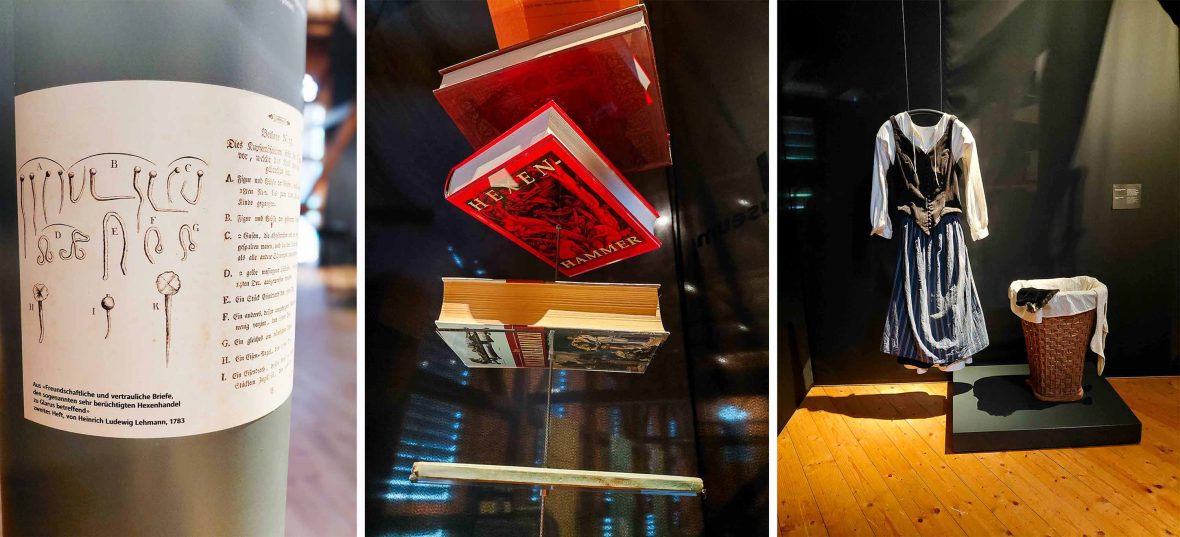
On June 13, 1782, Anna Göldi—a domestic maid working for a wealthy and influential magistrate—was publicly decapitated by sword in the nearby village of Mollis. Göldi had been accused of bewitching her employer’s eight-year-old daughter, reportedly causing the child to suffer violent convulsions and spit out pins, needles, and nails. Her trial took place during the Age of Enlightenment, a period when rationalism and scientific inquiry were supposedly sweeping across Europe, making the execution an anomaly of legal injustice even for its time.
Decades of historical research, notably spearheaded by local author and lawyer Walter Hauser, uncovered the true, darker motives behind the trial. Hauser’s investigation of original court documents revealed that Göldi had been engaged in an illicit romantic relationship with her magistrate employer. When she was dismissed from her position, she threatened to expose the affair, which could have ruined the magistrate’s social and political standing. To silence her, powerful local elites weaponized the legal system, fabricating charges of witchcraft to discredit and eliminate her.
The case of Anna Göldi is widely recognized as one of history’s most blatant examples of judicial murder—a miscarriage of justice where the law was wielded as a tool to protect the powerful and silence the vulnerable.
Democractic Reversal and Historical Accountability
Centuries after her execution, the legacy of Anna Göldi catalyzed a historic act of political and moral correction. Recognizing the profound injustice of her death, the parliament of the canton of Glarus unanimously exonerated Göldi in 2008, officially recognizing her as a victim of judicial murder.
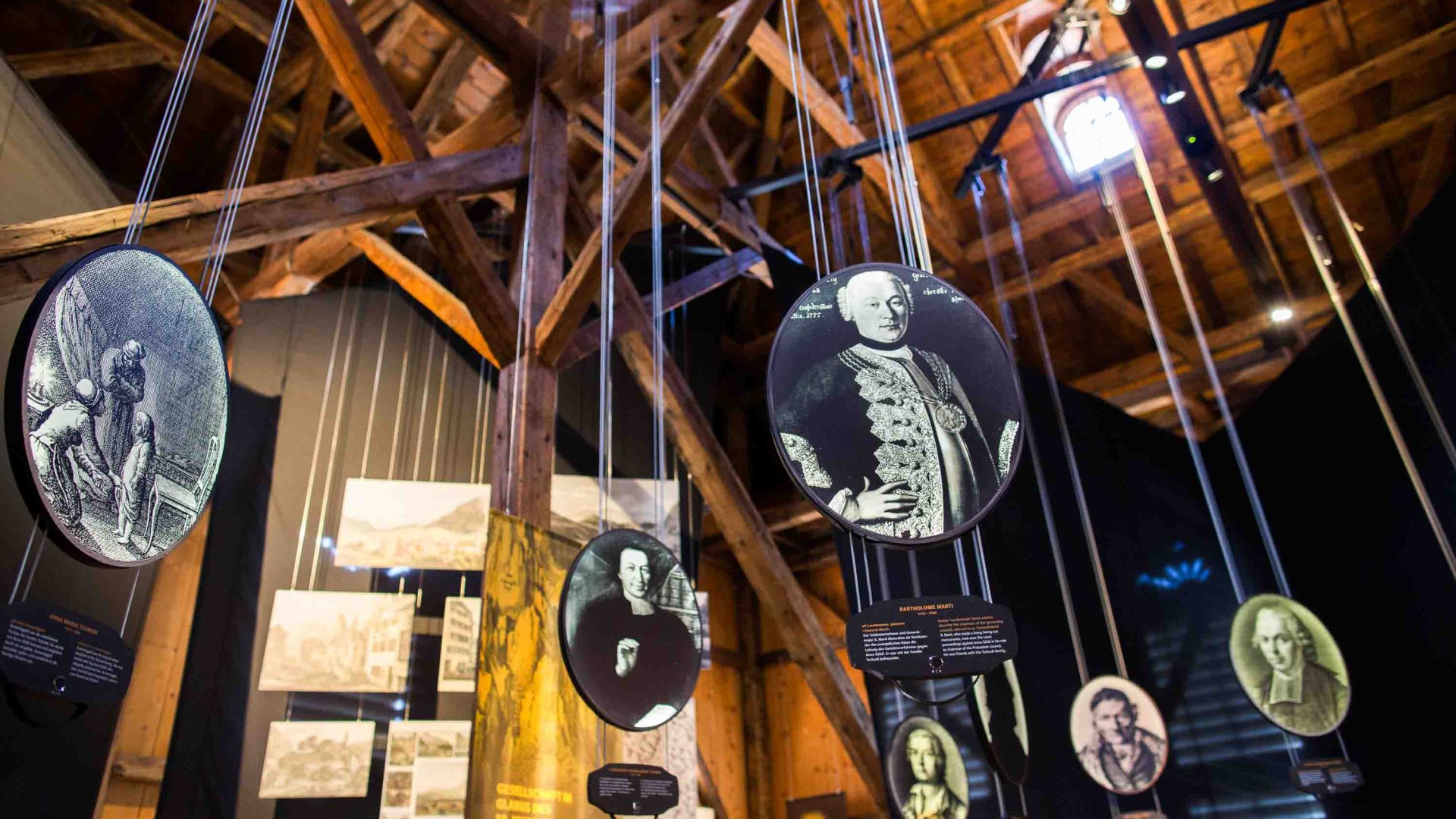
Dr. Ursula Helg, director of the Anna Göldi Museum located in Ennenda’s historic Hänggiturm (drying tower)—a monumental timber building that once served as a textile drying facility during the region’s 18th-century cotton boom—emphasizes the significance of this ruling. "This is the first place where a witch was exonerated by a democratic vote," Dr. Helg notes. "We have corrected a historic injustice. That is something to be proud of."
The museum itself serves as an immersive archive of this dark chapter. Its circular layout guides visitors through the structural networks of power that enabled the witch hunts, featuring replicas of the Hexenhammer, trial transcripts, physical exhibits of the alleged evidence—such as bent pins and sewing needles—and personal belongings of Göldi reconstructed from 200-year-old "wanted" posters. Beyond local history, the Anna Göldi Foundation actively engages with contemporary human rights issues, drawing parallels between historical persecution and modern forms of systemic injustice, exploitation, and modern slavery.
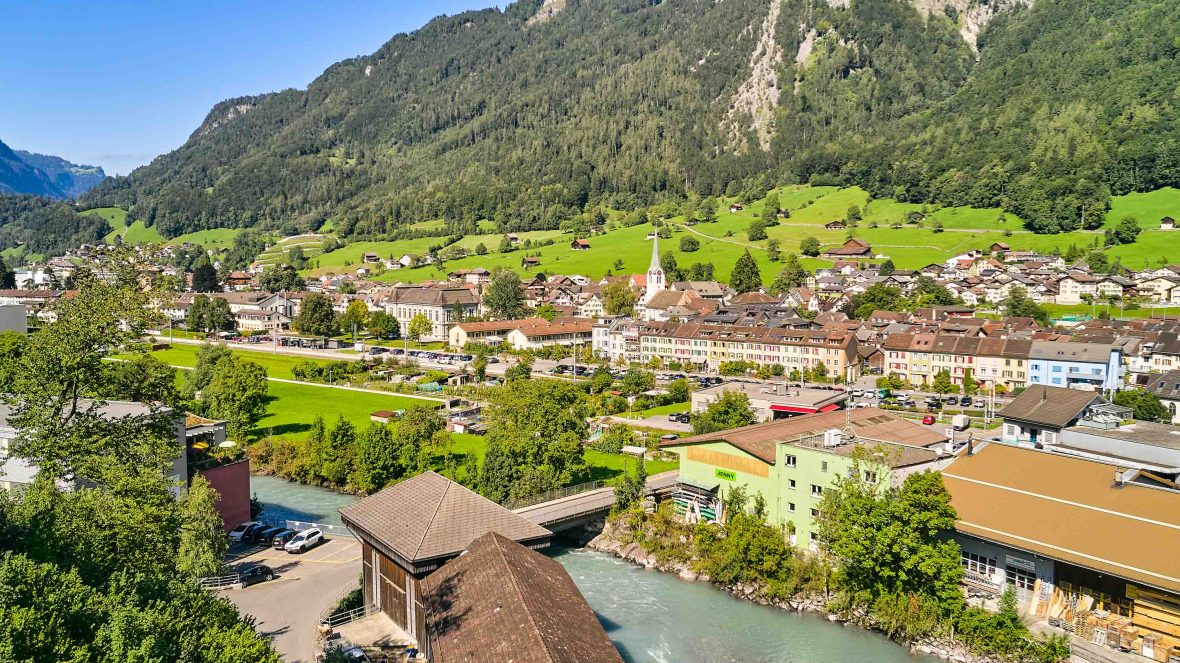
Despite the museum’s educational mission, the historical memory remains delicate within the local community. Some descendants of the families originally involved in the 1782 trial have expressed discomfort with the spotlight placed on the region, arguing that the historical stigma unfairly reflects on modern generations. Nonetheless, a large black-and-white banner bearing Göldi’s name now hangs from a prominent building in Ennenda, serving as an enduring public reminder of the human cost of institutional corruption.
From Persecution to Folklore: The Belalp Hexe Festival
While cantons like Glarus confront the sober legal realities of historic witch trials, other regions of Switzerland have transformed their local folklore into vibrant, light-hearted cultural traditions. High above the Rhone Valley in the southwestern canton of Valais, the car-free Alpine village of Belalp embraces its mythical past through the annual Belalp Hexe (Belalp Witch) festival.
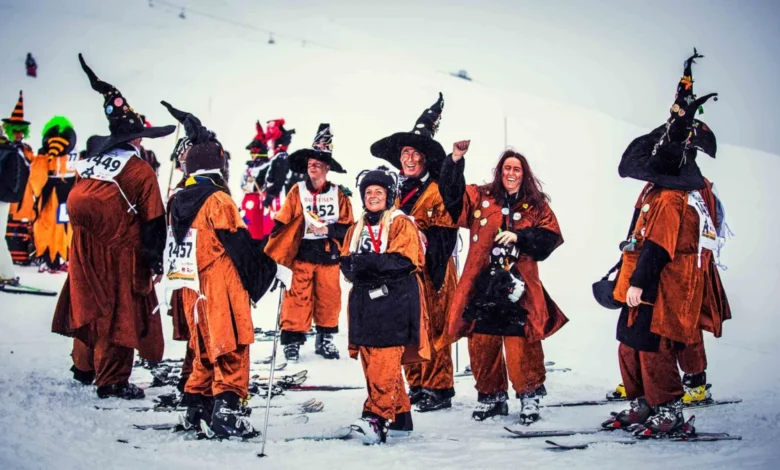
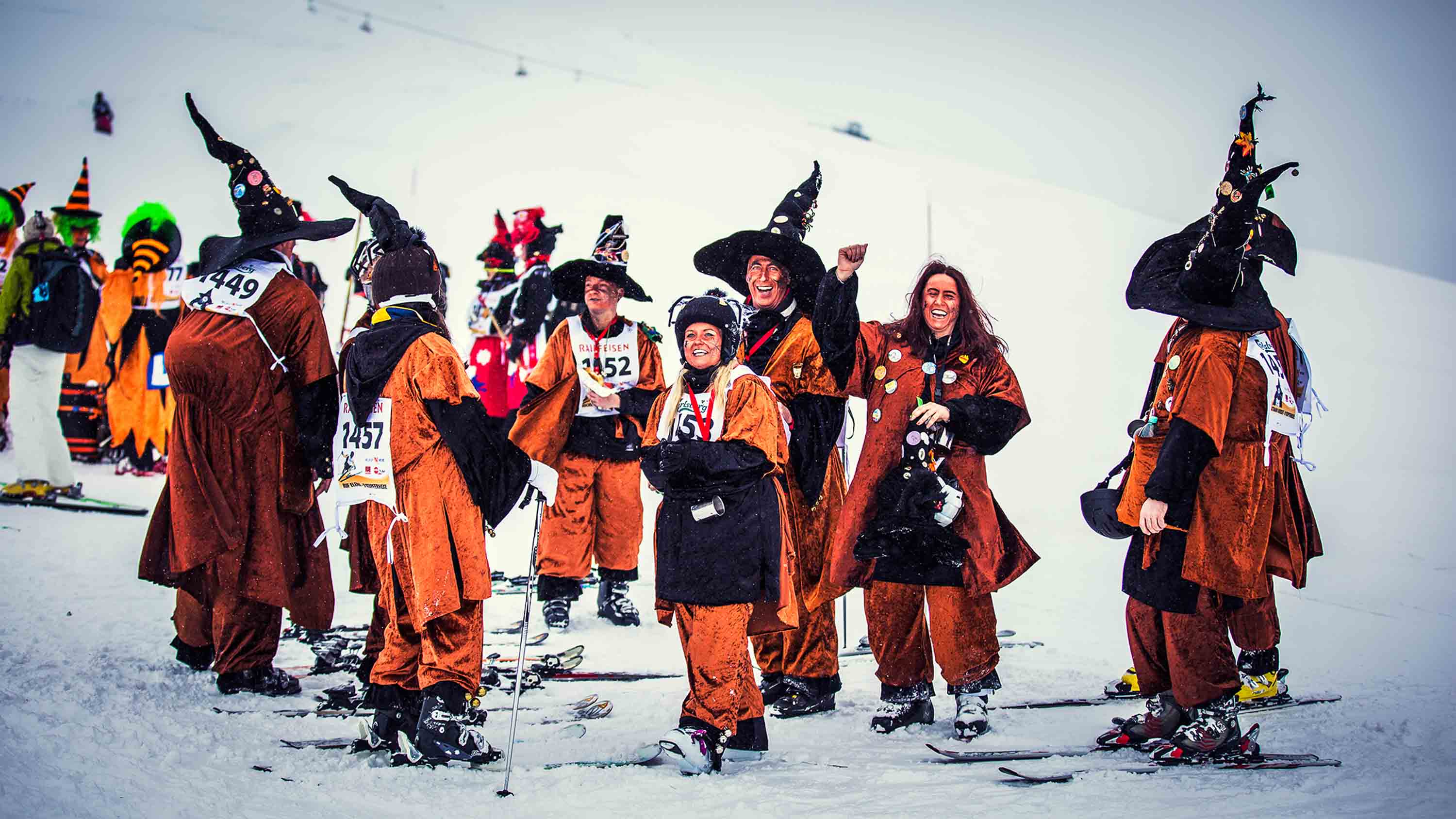
The week-long winter event, inaugurated in 1983 by the local ski club to boost tourism during the shoulder season in January, culminates in the famous Witches Descent. Up to a thousand skiers—costumed as witches with painted green faces, pointy hats, and broomsticks—launch themselves down a grueling 12-kilometer (seven-mile) course from the summit of the Hohstock mountain (3,226 meters above sea level) down to the village of Blatten.
The festival draws direct inspiration from regional legends, most notably the tale of an unnamed 15th-century woman from Valais who was accused of using supernatural powers to transform into a raven and harass her husband, causing him to fall to his death from a cherry tree. Though the husband’s fatal fall may have been heavily influenced by a fondness for cherry brandy, the local community accused the woman of "raven flight" and murder, ultimately condemning her to be burned at the stake.

Today, the modern ski race finishes precisely where the tragic historical event allegedly took place, with the winner receiving a traditional bottle of kirsch. Local stakeholders, such as chalet owners and ski club members, view the festival not as a mockery of historical suffering, but as an essential community celebration that keeps regional folklore alive while adapting it to contemporary Alpine tourism.
Conclusion: Balancing Memory and Heritage
The duality of Switzerland’s relationship with its witch-hunting past highlights the complexities of historical memory. In Ennenda, the Anna Göldi Museum stands as a solemn monument to accountability, civil rights, and the dangers of unchecked judicial power. Meanwhile, in the snowy peaks of Valais, festivals like Belalp Hexe demonstrate how communities can repurpose dark folklore into celebratory spectacles of winter sports and shared identity. Together, these contrasting traditions ensure that centuries of Alpine history—both its tragic injustices and its enduring legends—are neither forgotten nor ignored.