Alaska Airlines Initiates Workforce Reductions Amidst Significant Financial Headwinds

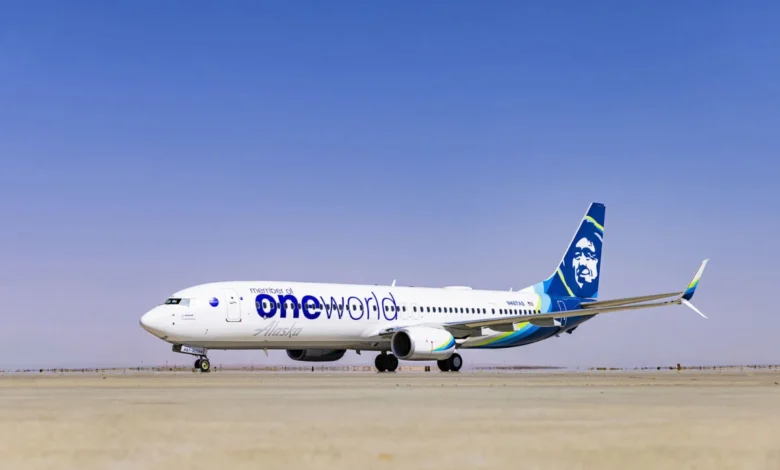
Alaska Airlines has confirmed a strategic restructuring effort that includes the layoff of 200 employees, a move necessitated by a tumultuous fiscal year characterized by surging operational costs and a significant net loss. As the aviation industry continues to navigate a post-pandemic landscape defined by shifting demand, inflationary pressures, and fluctuating energy markets, Alaska Airlines finds itself in a precarious position, having reported a $416 million loss over the first nine months of 2026. This reduction in force, while limited in scope to administrative and corporate functions, underscores the broader challenges currently facing the U.S. carrier sector.
Scope and Impact of the Workforce Adjustment
The layoffs, which represent a calculated attempt by the airline to streamline its corporate overhead, are concentrated in specific geographic regions. According to a spokesperson for the company, 148 positions are being eliminated in Washington state, the airline’s historical home base and central hub for its corporate operations. An additional 48 roles are being cut in Hawaii, a region where the airline has maintained a significant presence following its expansion efforts.
Crucially, the airline has emphasized that the reductions are strictly confined to back-office and administrative departments. Front-line operational staff—including pilots, flight attendants, ramp agents, and aircraft maintenance technicians—remain untouched by these measures. This distinction is vital for the carrier, as it seeks to maintain its flight schedule integrity and service quality during a period of high passenger demand. By shielding operational personnel, Alaska Airlines is attempting to balance the necessity of fiscal discipline with the requirement of operational reliability, a key metric in customer satisfaction and regulatory compliance.
The Financial Backdrop: A Challenging 2026
The decision to cut staff comes on the heels of a stark financial reality. Alaska Airlines, like many of its peers, has been grappling with the volatile cost of jet fuel, which remains one of the largest line items in any airline’s budget. While global oil prices have seen periods of stabilization, the sustained cost of aviation fuel throughout 2026 has consistently eroded profit margins across the industry.
The reported $416 million loss for the first three quarters of the year is reflective of a "challenging operating environment," as noted by company officials. This deficit is not merely a product of fuel costs; it is a convergence of several macroeconomic factors. High interest rates have increased the cost of capital for fleet modernization, while labor contracts negotiated in the wake of the pandemic have increased personnel expenses across the board. Furthermore, the airline has had to contend with the competitive pressure of maintaining capacity in a market where demand growth has slowed compared to the immediate post-pandemic surge of 2023 and 2024.
Industry Context and Strategic Realignment
The airline industry is currently in a state of flux. Following the record-breaking recovery years of 2022 and 2023, many carriers expanded their networks and workforce aggressively. However, as the initial "revenge travel" boom subsided, airlines have been forced to recalibrate their business models to suit a more normalized, albeit more expensive, environment.
Alaska Airlines has historically been regarded as one of the more fiscally disciplined carriers in the U.S. market, often outperforming its larger competitors in terms of operational efficiency. However, even the most efficient carriers are not immune to the systemic headwinds currently impacting the sector. The decision to cut corporate staff is a classic corporate response to sustained losses: trimming the fat in departments that do not directly generate revenue to protect the bottom line and preserve liquidity.

Historically, Alaska Airlines has successfully navigated crises by leveraging its strong brand loyalty and its position within the oneworld Alliance. Its integration into oneworld has provided the carrier with global reach that belies its regional origins, allowing it to compete effectively for international traffic. However, the current financial strain highlights that global partnerships, while beneficial, cannot entirely offset the domestic operational pressures caused by high overheads and fuel price volatility.
Chronology of Recent Financial Pressure
The path to this current round of layoffs was not sudden. Throughout the first half of 2026, the airline provided quarterly updates that hinted at tightening margins.
- Q1 2026: Alaska Airlines reported moderate losses, citing a harsh winter that impacted operations in the Pacific Northwest and increased maintenance costs.
- Q2 2026: Despite the onset of the peak summer travel season, the airline struggled with rising fuel costs that offset gains in passenger revenue.
- Q3 2026: Financial statements revealed the depth of the challenge, with the cumulative nine-month loss of $416 million becoming public. The realization that cost-cutting was necessary for fourth-quarter stability followed shortly thereafter.
- Late October 2026: The official announcement of the 200-person layoff, aimed at stabilizing the balance sheet as the company prepares for the end-of-year fiscal close.
Broader Implications for the Airline Sector
The layoffs at Alaska Airlines serve as a bellwether for the rest of the domestic airline industry. If a carrier known for high operational standards finds itself forced to reduce its corporate workforce to stem financial losses, it suggests that other airlines may be facing similar pressures behind the scenes.
Analysts have noted that the U.S. airline industry is entering a "correction phase." After the rapid expansion of the last three years, companies are now focusing on margin protection. For investors, this move by Alaska Airlines is viewed as a necessary, if difficult, step toward stabilizing the stock price and improving cash flow. For employees, it signals a period of uncertainty, particularly in corporate hubs where restructuring often follows a pattern of consolidation.
The aviation sector is also closely watching how these layoffs affect internal culture. Alaska Airlines has long prided itself on a distinct corporate culture that emphasizes employee engagement. Retaining this culture while simultaneously shedding staff requires delicate communication and clear leadership. The airline’s commitment to avoiding operational cuts is clearly intended to mitigate the impact on the brand’s reputation among both employees and passengers.
Looking Ahead: Can Efficiency Restore Profitability?
The effectiveness of these layoffs will be measured in the coming quarters. By reducing its corporate headcount, Alaska Airlines expects to lower its non-fuel operating expenses. However, this is only one piece of a much larger puzzle. The company must also continue to optimize its route network, manage its fuel hedging strategies, and maintain the loyalty of its high-value customers.
As the airline industry moves into 2027, the focus will shift to how carriers manage capacity. If demand remains flat or softens further, more aggressive cost-cutting measures—perhaps extending beyond administrative roles—could become a reality for the sector at large. For now, Alaska Airlines is taking the path of least resistance to operational stability, attempting to trim the back office to preserve the front line.
The situation remains fluid. The airline has not indicated that further rounds of layoffs are planned, but in a volatile aviation market, such outcomes are rarely ruled out entirely. For the 200 employees affected, the news is a difficult conclusion to their tenure, but for the company, it represents a painful, necessary pivot toward restoring the financial health that has defined its long-term strategy in the competitive U.S. market. The airline’s ability to rebound from this $416 million loss will depend on its ability to execute this transition smoothly while keeping its primary revenue-generating operations—the flights themselves—running without interruption.