The 1971 International Everest Expedition: A Legacy of Ambition, Controversy, and Tragedy

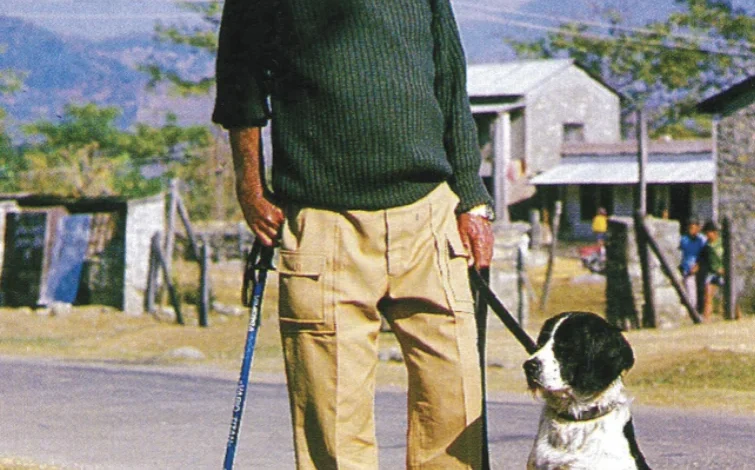
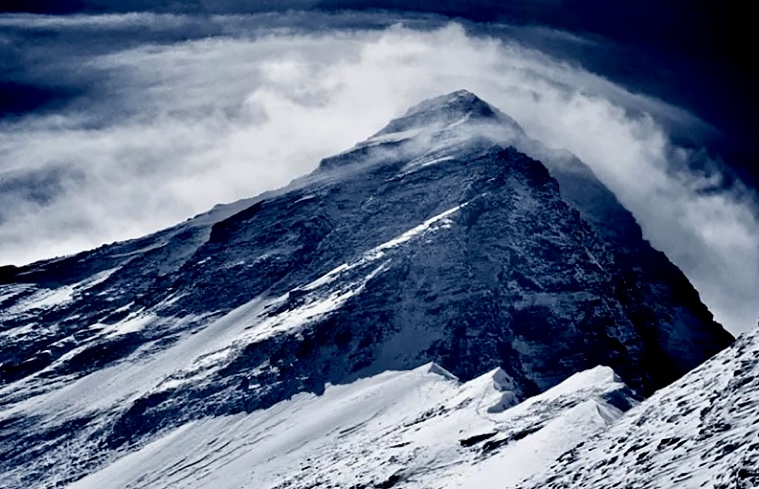
In the annals of Himalayan mountaineering, the spring of 1971 stands as a watershed moment for the wrong reasons. It was an expedition conceived under the banner of global unity, designed to be a triumph of international cooperation on the world’s highest peak. Instead, it devolved into a fragmented, high-stakes drama characterized by internal discord, the death of a team member, and a crushing failure to reach the summit. Led by Norman Dyhrenfurth and Jimmy Roberts, the expedition sought to conquer two of Everest’s most formidable challenges simultaneously: the technical, aesthetic West Ridge and the direct, punishing verticality of the Southwest Face. What began as a grand geopolitical experiment ended as a cautionary tale about the perils of commercialized mountaineering, bloated expedition logistics, and the volatile intersection of clashing egos.
The Genesis of an Oversized Ambition
The 1971 expedition was not the result of a single vision but rather a merger of two distinct groups. Jimmy Roberts, a pioneer in Nepali mountaineering, had been approached by a British-Norwegian contingent seeking to tackle the Southwest Face. Simultaneously, the legendary American-Swiss mountaineer Norman Dyhrenfurth was organizing his own attempt on the same route. Recognizing the potential for a unified, historic effort, the two joined forces.
However, the sheer scale of the operation was unprecedented for the era. The team consisted of 31 elite climbers from twelve nations, supported by a significant cadre of Sherpas. The logistics were further complicated by intense commercial pressure. The BBC had secured exclusive filming rights, embedding a nine-person production crew, while The Sunday Times purchased exclusive print rights. This media machinery framed the climb as an inevitable success, creating a pressure cooker environment before the team had even reached the Khumbu Icefall. The expedition was no longer just a sporting endeavor; it was a high-stakes media spectacle, and the weight of public expectation proved to be an anchor for the climbers on the ground.
Chronology of the 1971 Season
- March 22: The expedition establishes Base Camp at 5,425 meters.
- Late March – Early April: Both the Southwest Face and West Ridge teams navigate the treacherous Khumbu Icefall, which Dyhrenfurth later described as being in the most dangerous condition he had ever witnessed.
- Mid-April: A severe, prolonged storm system moves in, forcing a two-to-three-week delay in supply lines and high-altitude progress.
- April 18: Tragedy strikes as Major Harsh Vardhan Bahuguna of the West Ridge team loses his life during a descent in a storm at approximately 7,000 meters.
- Early May: Following an internal inquiry into the death of Bahuguna and rising tensions over leadership, the West Ridge attempt is abandoned. A subset of the team departs for home.
- May 21: Dougal Haston and Don Whillans, pushing the Southwest Face, are forced to turn back at 8,290 meters, roughly 450 meters shy of the summit, due to extreme cold, exhaustion, and logistical exhaustion.
- Late May: The expedition is officially declared over, with no summits achieved.
The Tragedy of the West Ridge
The death of Major Harsh Vardhan Bahuguna remains the most painful chapter of the 1971 expedition. On April 18, Bahuguna and his partner, Wolfgang Axt, were descending from a high camp. In a decision that would later be scrutinized by international climbing authorities, the two were not roped together. Axt, having left his gear higher up to facilitate a lighter, faster descent, crossed a fixed-rope section by hand. Upon reaching safety, he heard the cries of his partner.
Despite a rescue attempt, the weather and the physical state of the climbers made recovery impossible. Bahuguna was found clipped to a fixed rope, his body succumbing to the brutal temperatures. The aftermath of this event shattered the fragile unity of the expedition. The inquiry held by Dyhrenfurth became a theater of blame, with accusations of negligence leveled against Axt by team members like Pierre Mazeaud. The tragedy highlighted a fatal flaw in the expedition’s structure: a lack of cohesive, authoritative command that could dictate safety protocols in the face of extreme environmental stress.
The Fracturing of International Cooperation
The decision to abandon the West Ridge route following Bahuguna’s death exposed deep-seated resentments. The remaining West Ridge climbers, including the French and Italian contingents, argued that the decision to shift all remaining resources to the Southwest Face was a tactical error driven by the organizers’ desire to maintain media momentum on a single, "more viable" route.
The conflict was as much cultural as it was strategic. Mazeaud, a French member of parliament, vocalized the frustration of the non-Anglo-Saxon climbers, arguing that the leadership expected them to function as support laborers for the British and Japanese lead climbers. This perception of inequality effectively killed the international spirit of the mission. When a vote was held to determine the future of the expedition, the result was a bitter victory for the Southwest Face proponents. The resulting exodus of the West Ridge team members marked the death of the "international" aspect of the expedition.
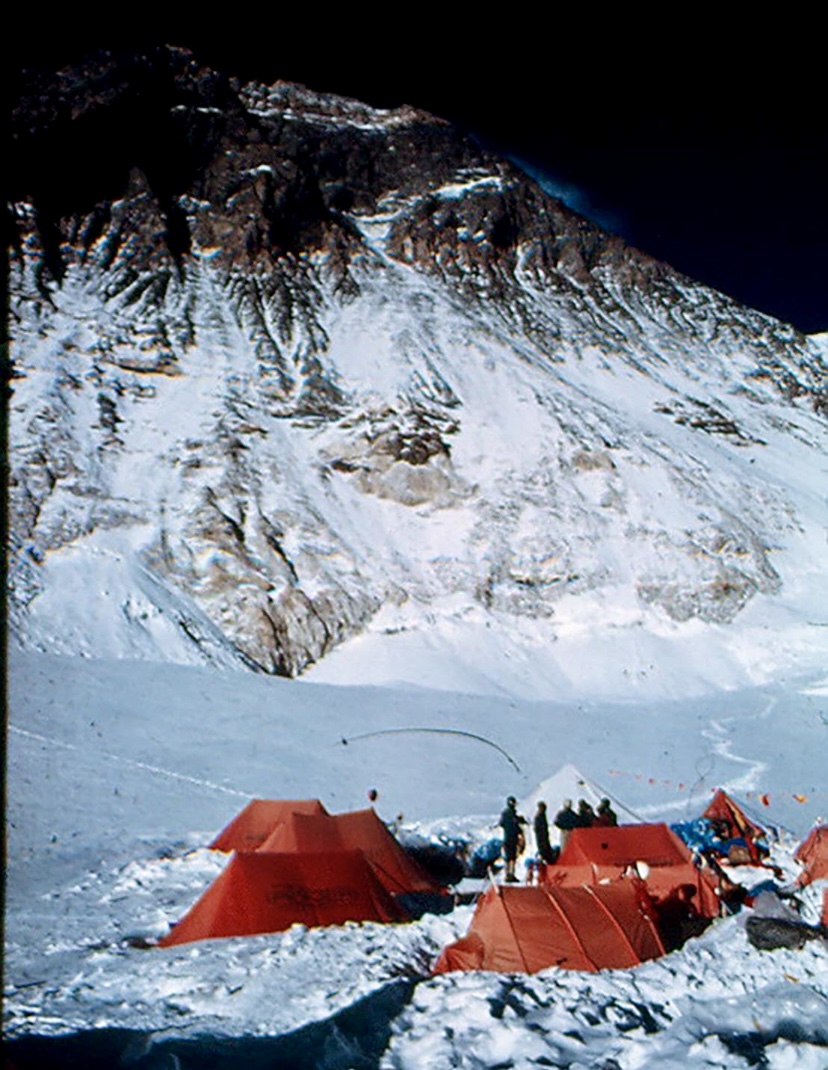
Analytical Perspective: Why the Expedition Failed
In retrospect, the failure of the 1971 expedition can be attributed to three primary factors:
- Organizational Overstretch: Combining two independent objectives (the Southwest Face and the West Ridge) into one massive, multinational group created a management nightmare. There was no clear hierarchy, and the decision-making process was hampered by the inclusion of too many competing voices.
- External Pressures: The influence of the BBC and The Sunday Times created a narrative of "inevitable victory." When the mountain proved uncooperative, the climbers were forced to balance the risk of death against the pressure of fulfilling a media contract.
- Environmental Reality: While personality clashes dominated the headlines, the weather during the spring of 1971 was undeniably hostile. The monsoon-like conditions and the instability of the Khumbu Icefall were objective hazards that would have tested even the most unified and experienced teams.
The Aftermath and Legacy
The 1971 expedition resulted in no summit, but it left a profound mark on the evolution of high-altitude mountaineering. The "Post-Mortem of an International Expedition," published in Mountain magazine by Ken Wilson and Mike Pearson, served as a definitive analysis of the failure. They concluded that the collapse was a systematic failure of leadership, compounded by the inability to manage a disparate group under the duress of the Himalayan environment.
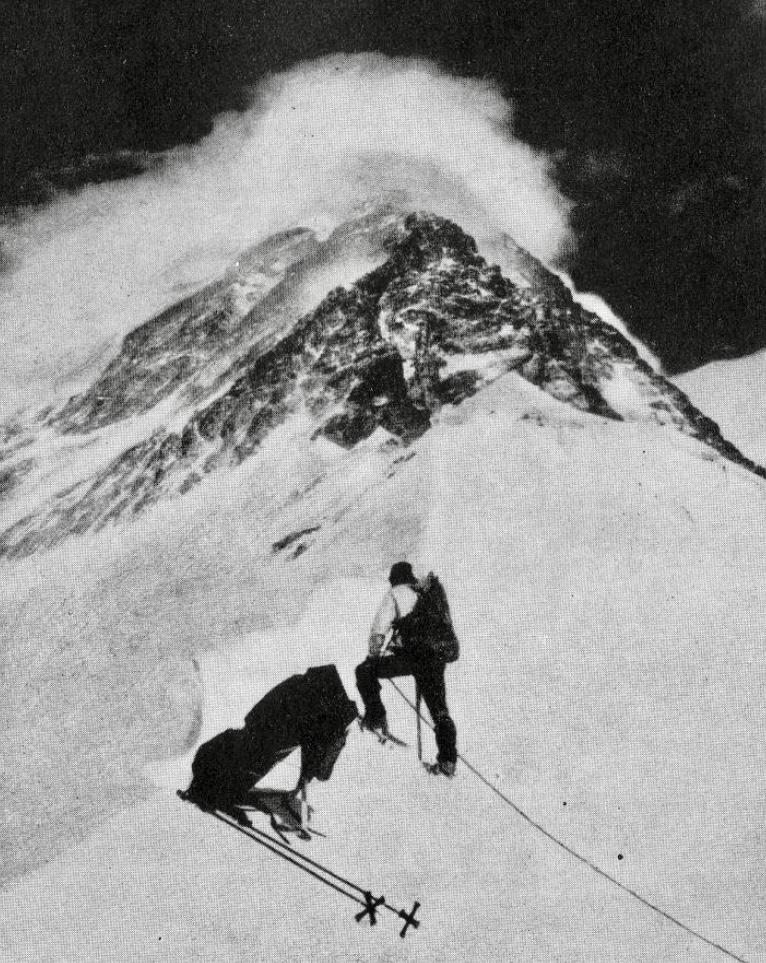
For individuals like Naomi Uemura, the experience served as a catalyst for a change in philosophy. Uemura, one of the most prolific climbers of the 20th century, moved toward solo mountaineering, seeking to escape the logistical and interpersonal complexities that had plagued the 1971 attempt.
The memorial built for Major Harsh Vardhan Bahuguna near Base Camp remains a solemn reminder of the cost of such ambitious, high-profile projects. The 1971 expedition serves as a permanent case study for modern mountaineering organizations. It underscores that while the pursuit of international unity is a noble goal, it cannot replace the necessity of clear, singular leadership, small and cohesive team dynamics, and the ability to prioritize human life over the commercial demands of a media-driven industry. The mountain, as it did in 1971, continues to act as an unforgiving arbiter of both human skill and organizational competence.