Scaliscro: The Evolution of a Remote Hebridean Estate into a Premier Private Sanctuary

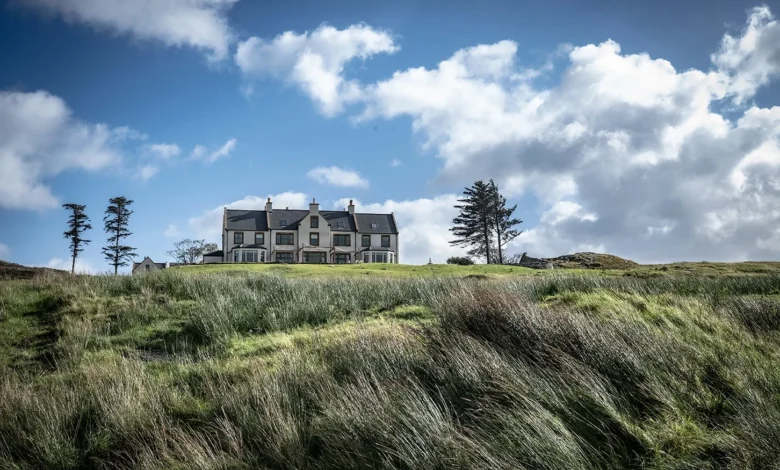
The rugged coastline of the Isle of Lewis has long been defined by its dramatic topography and isolation, but a transformation is underway at Scaliscro, a 10,000-acre estate that has recently pivoted from a private family retreat to an exclusive, high-end hospitality destination. Located at the far reaches of the Hebrides, the property represents a significant investment in luxury tourism within the Scottish Highlands, blending the wild, untamed nature of the region with the bespoke service standards expected by the world’s ultra-high-net-worth individuals.
A Legacy Reimagined: The Three-Year Evolution
The current iteration of Scaliscro is the result of a meticulous three-year redevelopment project that concluded in late 2025. Owner Nick Clarke, the founder of Curzon Uranium, initially acquired the land as a secluded escape for his family. However, as global demand for ultra-private, hyper-secluded travel surged in the post-pandemic era, the estate’s potential as a premier buyout destination became apparent.
The original structure, which had served the estate for generations, was entirely demolished to make way for a contemporary ten-bedroom lodge designed by Duncan and Fiona Porteous of Porteous Architecture. The objective was to synthesize the traditional aesthetic of a Scottish country house with modern engineering and comfort. Collaborating with interior designer Willie Nickerson, the project team sought to avoid the sterile atmosphere of boutique hotels, opting instead for a "lived-in" aesthetic that retains the personal history of the Clarke family through curated keepsakes and photography.
Operational Logistics and Accessibility
Scaliscro operates on an exclusive-hire basis, catering to groups of up to 16 guests. Its geographic isolation is its primary selling point; the nearest village is miles away, and the estate is devoid of public thoroughfares or neighboring properties. Accessibility to such a remote location is handled with significant infrastructure, including private air travel routes that facilitate transit to the Isle of Lewis.

The estate is managed to provide total autonomy. From a logistics standpoint, the lodge is self-sufficient, featuring a dedicated staff housed on-site. The facility is equipped to handle the volatile Hebridean weather, offering guests access to high-grade outdoor gear to ensure that the environment remains an asset rather than an impediment.
Architectural and Interior Design Philosophy
The interior design of the lodge reflects a deliberate juxtaposition between the wild Scottish landscape and refined European sophistication. The shared spaces are characterized by an extensive collection of taxidermy sourced from international markets, including Paris, which serves to bridge the gap between the outdoors and the indoor living areas.
The design team implemented a strict "no-street-shoes" policy within the lodge, reinforcing the concept of a home-away-from-home. Central to the living area is a hand-carved cedar wood table and a Steinway piano, elements chosen to encourage social interaction in an environment designed for total withdrawal from the digital and urban world.
Gastronomy and Supply Chain Integration
Dining at Scaliscro is intrinsically linked to the estate’s 10,000-acre footprint. The culinary program is built around the availability of local game and seafood, with the estate employing a private chef to curate menus that emphasize seasonal ingredients.
Data from the estate’s operations indicate a focus on "land-to-table" sourcing. Guests are encouraged to participate in the acquisition of their meals, with the property providing equipment for fly-fishing and free-diving for scallops. This integration of activity and consumption is designed to provide a "wilderness immersion" experience. A notable detail of the estate’s service standards is the importation of ionized ice, which, according to management, is flown in via private jet to maintain the purity of the beverages served in the estate’s expanded whisky room.

Activity Profiles and Infrastructure
The estate offers a diverse array of leisure activities that vary by season. During the winter months, the focus shifts to traditional Scottish pursuits, including grouse and woodcock shooting and deer stalking. For the summer and shoulder seasons, the estate utilizes its coastal position to facilitate water-based activities such as jet-skiing, e-foiling, and kayaking.
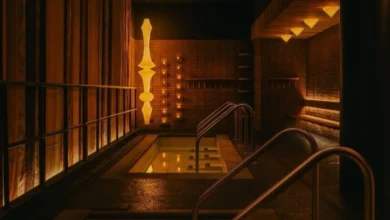
To manage the logistics of the 10,000-acre property, the estate has invested in a variety of transport modes, including e-bikes, buggies, and an Arksen 30 explorer vessel. This vessel is pivotal for the estate’s maritime strategy, allowing guests to reach the Flannan Isles and other remote offshore landmarks that are otherwise inaccessible to the general public. Plans for further infrastructure are currently underway, with a wooden banya scheduled for completion in 2027, signaling the owner’s commitment to expanding the facility’s wellness amenities.
Market Analysis and Economic Implications
The launch of Scaliscro comes at a time when the "ultra-luxury" travel market is shifting toward destinations that offer both privacy and environmental engagement. Rates for a seven-night stay start at approximately £60,000 ($80,200), placing the estate in the top tier of the British hospitality market.
The implications of this development for the Isle of Lewis are twofold. First, it brings a new demographic of high-spending, low-impact tourism to a region that has historically struggled with seasonal volatility. Second, it sets a new benchmark for private estate rentals in the UK. Industry observers note that the success of properties like Scaliscro—and competitors such as The Fife Arms—demonstrates a robust appetite for "experiential luxury" where the physical building is secondary to the exclusivity of the environment.
Sustainability and Environmental Stewardship
The development of Scaliscro has not been without its challenges. The construction process required adherence to stringent local planning regulations to protect the Hebridean ecology. The transition of the land from private use to a commercial estate involves ongoing environmental monitoring, particularly regarding the wildlife populations, such as the local deer and bird species that are central to the estate’s shooting activities.

While the property maintains a high level of luxury, the management emphasizes the preservation of the landscape. The reliance on locally sourced game and the limited footprint of the lodge ensure that the environmental impact remains concentrated.
Strategic Outlook
As Scaliscro continues its first full year of operations, the focus for the management remains on maintaining the "exclusive-hire" model. By limiting the number of guests and refusing to fragment the booking process, the estate ensures that the sense of isolation remains intact. The reported trend of guests extending their stays—sometimes for weeks at a time—suggests that the estate has successfully tapped into a niche market of travelers seeking a total departure from the pace of modern life.
Looking forward, the integration of new wellness facilities like the 2027 banya project indicates that the estate is positioning itself not merely as a seasonal hunting lodge, but as a year-round destination for holistic retreats. For the Isle of Lewis, the presence of such an estate provides a focal point for high-net-worth engagement, potentially influencing the broader luxury hospitality sector in the North of Scotland. Whether the trend of "total privacy" continues to grow or plateaus will largely depend on the ability of such estates to balance the demands of modern luxury with the inherent fragility of the Scottish wilderness.