Stepping Back in Time: The History, Engineering, and Evolution of Leadville’s Hagerman Pass Trail

The rugged landscape surrounding Leadville, Colorado, has long served as an open-air museum of the American West. Set against the towering backdrop of the Rocky Mountains, the region is scarred and sculpted by more than a century of mining operations, industrial expansion, and transportation infrastructure. For residents who grew up navigating these high-altitude paths, the physical remnants of the past—rusting steam shovels, collapsed wooden headframes, and abandoned railroad grades—frequently blur into the natural scenery. Yet, as contemporary hikers rediscover these trails with a renewed appreciation for historical context, routes like the trek to Hagerman Tunnel via the Colorado Midland Centennial Trail offer a profound look into the engineering triumphs and socioeconomic shifts of the late 19th century.
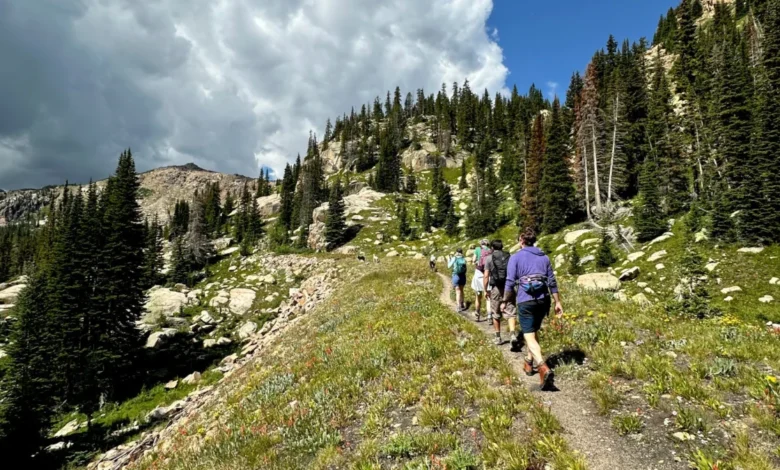
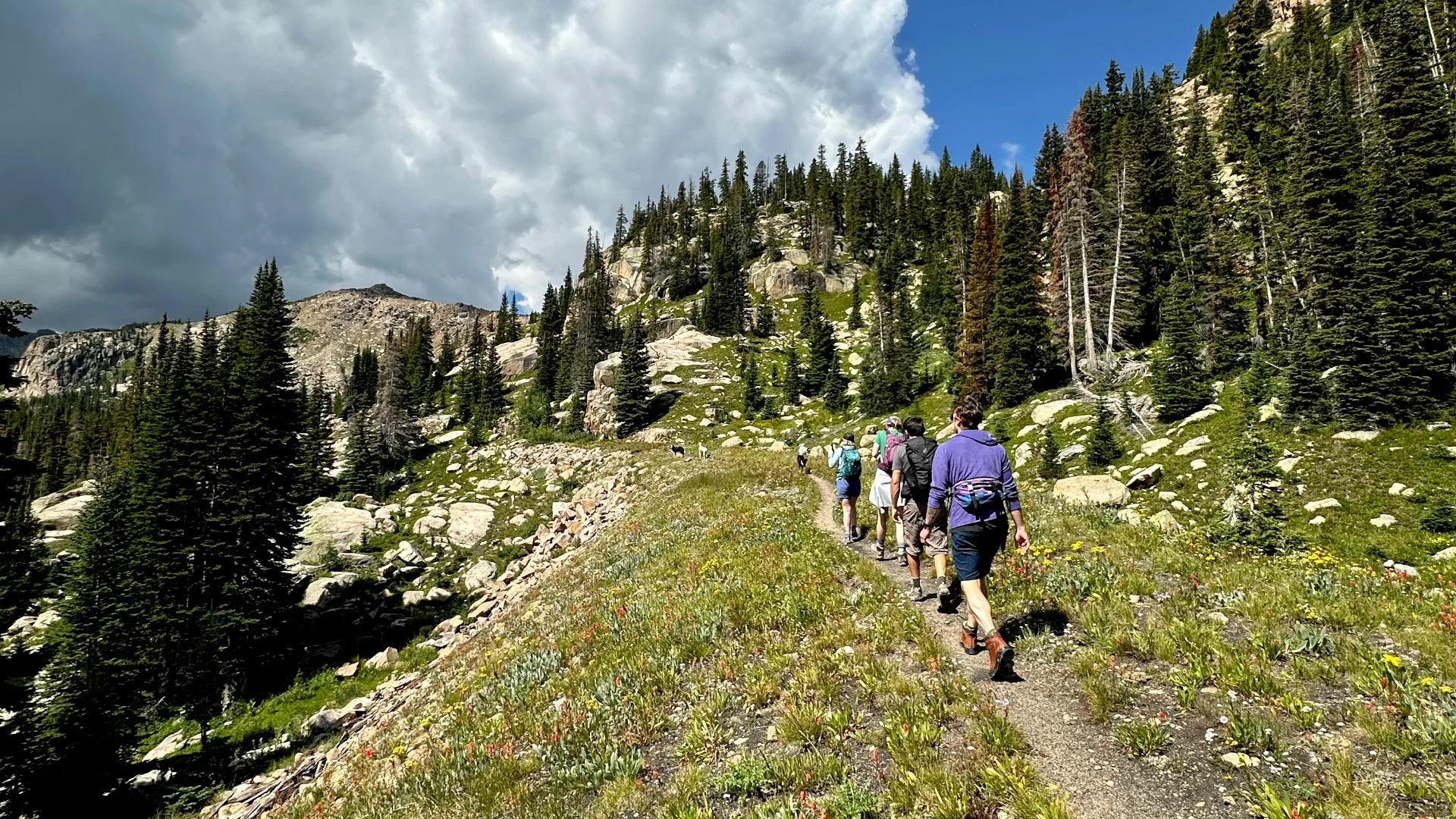
Spanning approximately eight miles out-and-back, the trail to Hagerman Tunnel begins just below the treeline and steadily ascends into the subalpine terrain of the Sawatch Range. Following a historic railroad grade carved over 130 years ago, modern trekkers traverse narrow canyons, pass pristine alpine lakes, and navigate the skeletal remains of early industrial settlements. Blending natural beauty with deep historical significance, the route provides a unique window into the era that transformed Colorado from a remote territory into a cornerstone of the national economy.
Main Facts: The Route and Geography of Hagerman Pass
The journey to Hagerman Tunnel is characterized by a relatively gentle topographical profile that defies its alpine setting. Spanning an 8-mile round trip, the route accumulates a modest 800 feet of elevation gain, making it accessible to hikers of varying skill levels, provided they are properly acclimated to the high-altitude environment of Lake County, Colorado.
The trailhead initiates just below the dense evergreen canopy, winding through native stands of lodgepole pine, subalpine fir, and blue spruce. As hikers progress, the forest gradually thins, giving way to sweeping vistas of the surrounding mountain ranges. Approximately three miles into the trek, visitors encounter Hagerman Lake, a crystal-clear body of water nestled in a glacial basin. The lake is a recognized destination for regional anglers seeking populations of cutthroat and rainbow trout. For backpackers looking to extend their journey, a limited number of dispersed camping sites are situated along the perimeter of the lake.
Continuing past the lake for roughly half a mile, the trail reaches its historical focal point. To the left lies the secondary basin housing the remnants of Douglass City, while the primary route presses onward to the imposing mouth of the Hagerman Tunnel. The return trip orients hikers eastward, offering panoramic views of the Mosquito Range, the waters of Turquoise Lake far below, and the historic mining city of Leadville. For those seeking a more rigorous excursion, the itinerary can be extended by integrating the Windsor Lake Trail, which adds two miles and leads to another secluded alpine basin.
Historical Context: The Engineering Marvel of the Colorado Midland Railway
The existence of the Hagerman Tunnel trail is inextricably linked to the fierce competition for mineral wealth that defined Colorado during the silver boom of the 1880s. As Leadville emerged as one of the most prolific silver-producing districts in the world, the transportation of extracted ore and heavy industrial machinery became an urgent economic priority. Existing wagon roads were insufficient to handle the sheer volume of freight, prompting investors to look toward rail transportation.
Enter the Colorado Midland Railway, the first standard-gauge railroad to cross the Continental Divide. Incorporated in 1883 and spearheaded by industrialist James J. Hagerman, the railway sought to connect the burgeoning mining hubs of Leadville and Aspen with eastern markets via a direct trans-mountain route.
The centerpiece of this ambitious endeavor was the Hagerman Tunnel, constructed at an elevation exceeding 11,500 feet. Completed in 1887 after intense labor in punishing sub-zero conditions, the tunnel was hailed as a monumental engineering achievement. It held the distinction of being the highest standard-gauge railroad tunnel of its kind in North America. To construct the tunnel and the accompanying track gradients, hundreds of laborers were brought to the remote pass, living in temporary, highly volatile settlements—most notably, Douglass City.
Chronology of the Route: From Boom to Abandonment
Understanding the historical timeline of the Hagerman Pass corridor provides essential context for the archaeological traces visible to modern hikers:
- 1883: The Colorado Midland Railway is officially incorporated with the objective of bridging the Continental Divide to service the mining districts of central Colorado.
- 1887: The Hagerman Tunnel is completed after overcoming severe logistical challenges, harsh weather, and immense engineering hurdles at over 11,500 feet. Douglass City flourishes temporarily as a rowdy labor camp housing the railway construction and maintenance workforce.
- 1893: The repeal of the Sherman Silver Purchase Act triggers the Silver Panic of 1893, causing the collapse of silver prices and precipitating a severe economic depression across Colorado, which heavily impacts regional rail freight volumes.
- 1899: Due to severe winter weather, recurring maintenance challenges, and heavy snow accumulation at the high altitude of the Hagerman Tunnel, the Colorado Midland Railway constructs the Hagerman (Busk-Ivanhoe) Tunnel at a slightly lower elevation to bypass the treacherous pass.
- Early 20th Century: Commercial operations through the original Hagerman Tunnel cease permanently, and the tracks are eventually pulled up for scrap metal during World War I scrap drives, leaving behind the empty grade and deserted camp foundations.
- Late 20th to Early 21st Century: Regional preservationists, recreation groups, and land management agencies formalize the route as part of the Colorado Midland Centennial Trail, safeguarding the historical assets for public recreation and education.
Supporting Data and Infrastructure Management
Managing a multi-use recreational trail that intersects with fragile alpine ecosystems and century-old historical artifacts presents distinct challenges for land managers, including the United States Forest Service.
Environmental assessments of the Hagerman Pass corridor indicate that while the trail experiences moderate foot traffic during the peak summer and autumn months—typically spanning from July through October—its durability is heavily tested by extreme seasonal weather fluctuations. Winter snowpacks often persist well into June, leading to saturated soils and accelerated spring runoff erosion along the historic rail grade.
Furthermore, structural integrity remains a primary concern at the terminus of the trail. The Hagerman Tunnel itself has experienced significant structural degradation over the decades. Official signage posted by land management authorities strictly discourages entry into the tunnel bore due to severe hazards, including active rockfall, structural cave-ins, and floor conditions rendered nearly impassable by thick sheets of ice and deep, stagnant water pools.
Broader Impact and Implications for Heritage Tourism
The preservation and public access to sites like the Hagerman Tunnel reflect a broader shift in how communities in the American West manage industrial heritage. Rather than allowing historical mining and transportation infrastructure to decay into obscurity, regional stakeholders increasingly view these corridors as vital components of heritage tourism and environmental education.
For Leadville—a municipality that has successfully transitioned from a raw extraction economy to one centered on heritage tourism and outdoor recreation—trails along the Colorado Midland grade provide tangible economic benefits. They diversify the local tourism portfolio, drawing visitors who seek a blend of physical activity and historical immersion rather than strictly backcountry isolation.
At the same time, conservationists emphasize the necessity of responsible visitation. The delicate alpine and subalpine flora surrounding Hagerman Lake and Douglass City are sensitive to off-trail trampling and improper waste disposal. Additionally, the legal protections governing historical sites prohibit the removal of artifacts, ensuring that the rusting machinery, building foundations, and structural remnants of the 19th-century railroad remain intact for future generations to study and observe.
Ultimately, the trek to Hagerman Tunnel transcends a standard alpine hike. By following the path carved by 19th-century laborers across the spine of the continent, modern travelers engage directly with the complex industrial legacy that shaped the modern American West, offering a sobering and scenic reminder of the human endeavor required to tame the high Rockies.