The Art of Planning a Babymoon with a Toddler: Balancing Relaxation and Logistics for Growing Families

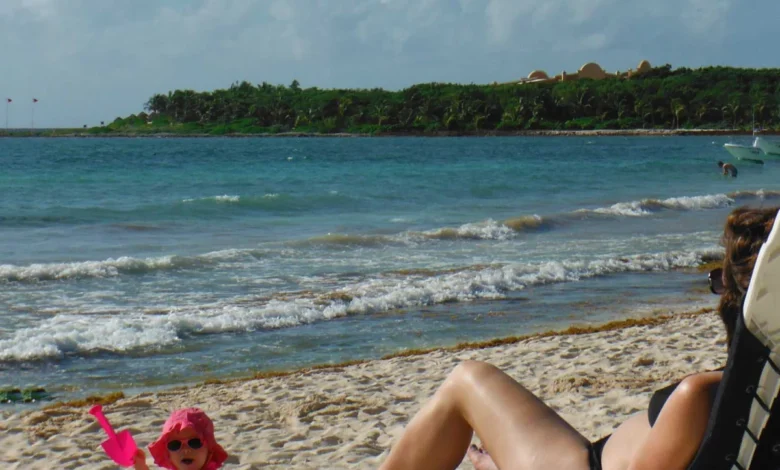
The traditional concept of a "babymoon"—a final, tranquil getaway for expectant parents—has undergone a significant transformation as more families opt to include their existing children in these pre-birth vacations. While the classic iteration of the babymoon prioritizes uninterrupted adult downtime and spontaneous exploration, the modern version, specifically designed for those expecting their second child, necessitates a shift in strategy. Managing the physical demands of pregnancy alongside the rigorous, routine-based requirements of a toddler creates a unique set of logistical challenges that require careful planning to ensure the trip remains restorative rather than overwhelming.

The Evolution of the Pre-Natal Vacation
The babymoon phenomenon gained popularity in the early 2000s, marketed primarily as a luxury experience for couples to recharge before the life-altering arrival of their first child. Data from the travel industry indicates that this niche market has evolved alongside changing family structures. According to recent travel surveys, over 60% of couples expecting a second child now view the vacation as a "family transition trip" rather than a romantic escape.
The logistical reality of this shift is substantial. During a first pregnancy, a couple’s itinerary is dictated solely by their own energy levels and interests. When a toddler is added to the equation, the itinerary becomes tethered to biological clocks: nap times, snack schedules, and specific dietary needs. Consequently, travel experts have observed a decline in high-activity, adventure-based babymoons for second-time parents, with a marked increase in demand for all-inclusive resorts and vacation rentals that offer controlled environments.

Chronology of Travel Planning
For families planning a trip before the arrival of a second child, the timing is critical. Obstetricians generally identify the second trimester—typically between weeks 14 and 27—as the "golden window" for travel. During this period, the morning sickness associated with the first trimester has usually subsided, and the physical limitations of the final weeks of pregnancy have not yet manifested.
A suggested timeline for planning includes:

- Weeks 12–16: Initial research and booking. During this phase, families should assess their toddler’s current sleep needs and mobility.
- Weeks 18–22: Medical consultation. It is imperative to obtain a travel clearance from a healthcare provider, especially if international travel is planned. This is also the time to secure comprehensive travel insurance that includes pregnancy-related medical coverage.
- Weeks 24–26: Final logistics check. This involves confirming the availability of necessary equipment at the destination, such as portable cribs, high chairs, or stroller-friendly paths.
Data-Driven Considerations for Parents
The shift from an adventurous babymoon to a managed family retreat is supported by developmental data. Toddlers thrive on consistency; a study published in the Journal of Pediatric Travel indicates that maintaining a familiar sleep schedule during vacations reduces stress levels for both the child and the parents by up to 40%.
When selecting a destination, parents are increasingly looking for "frictionless" travel environments. This includes proximity to medical facilities, the availability of age-appropriate culinary options, and the presence of "kiddie pools" or safe, enclosed play areas. Unlike the first babymoon, where a remote mountain cabin might be considered idyllic, a second-time babymoon favors convenience. A location that minimizes the need for multi-modal transit—such as a single resort property—is statistically more likely to result in a positive outcome for the pregnant parent, who may be managing fatigue or mobility issues.

Logistical Strategies for Success
Professional travel planners emphasize the "One Major Activity" rule. By limiting the daily agenda to a single primary event—such as a morning at the beach or a visit to a local park—families avoid the "over-scheduling trap." This leaves the remainder of the day flexible for the unpredictable nature of toddler behavior and the fluctuating physical energy levels of the pregnant parent.
Furthermore, the choice of accommodation is paramount. The modern standard for a second-time babymoon includes:

- Separate sleeping quarters: Having a room with a partitioned area or a suite allows parents to maintain a quiet, dark environment for the toddler’s nap or early bedtime without sacrificing their own evening.
- Kitchenette access: Being able to store milk, fresh fruit, or preferred toddler snacks significantly reduces the stress of dining out three times a day.
- On-site amenities: The ability to pivot from a planned outing to a hotel pool or indoor play area is an essential failsafe.
Broader Implications of the "Second-Time" Babymoon
The rise of the toddler-inclusive babymoon reflects a broader societal trend toward inclusive parenting, where major life transitions are experienced as a family unit. While some critics argue that a trip with a toddler is "just parenting in a different location," the psychological impact on the firstborn child can be profound. Integrating the toddler into this final period of being an "only child" provides a sense of continuity and bonding that can ease the transition when the new baby arrives.
Moreover, the financial implications are noteworthy. By choosing "easy over impressive," families often find that these trips are more cost-effective than international adventures. A local staycation or a short, manageable road trip often provides more value than a long-haul flight that might induce travel-related anxiety or physical strain.

Expert Perspectives and Recommendations
Pediatricians and travel specialists suggest that the most successful trips are those where the parents lower their expectations regarding "perfection." Acknowledging that meltdowns may occur and that a planned itinerary might need to be abandoned is the key to maintaining mental health.
"The objective of a second-time babymoon is not to replicate the past," notes a representative from a family travel advocacy group. "It is to create a new, sustainable memory that honors the family structure as it exists today. It is about the quality of time, not the exoticism of the location."

Conclusion: A Shift in Perspective
Ultimately, the value of a babymoon with a toddler is defined by its ability to facilitate a pause in the pace of life. While the logistical burden is undeniably higher than it was during the first pregnancy, the emotional reward—a deliberate, focused period of time with the firstborn—is irreplaceable.
By focusing on manageable travel times, selecting amenities that prioritize child safety and parent comfort, and maintaining a flexible schedule, families can transform the potential chaos of travel into a meaningful, restorative experience. As the family prepares to grow from three to four, this final excursion serves not just as a vacation, but as a bridge between chapters, allowing parents to celebrate the joy of their first child while preparing for the arrival of the next. Whether it is a beachside resort or a quiet cabin in the woods, the best babymoon is one that is perfectly tailored to the unique, evolving needs of the current family.