Navigating the Wilderness: How Rural and Sustainable Tourism Providers are Adapting in the Shadow of COVID-19

The global tourism industry has faced an unprecedented crisis since the outbreak of the COVID-19 pandemic in early 2020. As international borders slammed shut and governments issued strict stay-at-home orders, traditional tour operators found themselves grounded. Websites that once promoted bustling group excursions, exotic wildlife safaris, and cultural immersions instead displayed stark notices of suspended operations. For many businesses, the final months of 2020 offered little relief, and early projections for 2021 signaled a prolonged period of dormancy.
However, a closer examination of the broader travel landscape reveals a different narrative unfolding away from urban centers and mass-market resorts. While mainstream tourism ground to a near-total halt, rural and remote destinations carved out a unique space for themselves. Driven by human desire for open spaces, fresh air, and isolation from densely populated virus hotspots, the great outdoors emerged as a viable—and safer—alternative for travelers seeking to escape pandemic fatigue. Consequently, rural tourism providers faced a complex paradox: the potential for a localized boom in guests weighed against the immense operational, logistical, and ethical challenges of welcoming outsiders during a global health crisis.
The Shift Toward the Great Outdoors and Low-Density Destinations
The fundamental physics of viral transmission heavily favored rural environments over urban hubs during the height of the pandemic. With lower population densities, wide-open landscapes, and natural physical distancing built into the geography, rural areas experienced lower baseline transmission rates during the initial waves of COVID-19. For travelers willing to brave the shifting restrictions, remote communities represented a lower-risk environment compared to crowded beaches, theme parks, or metropolitan sightseeing tours.
This dynamic created an unexpected lifeline for eco-lodges, nature reserves, and rural tour operators. Yet, capturing this potential demographic required more than simply keeping doors open. It demanded a rigorous overhaul of safety protocols, intimate knowledge of cross-border regulations, and a deep commitment to safeguarding host communities that often lacked advanced medical infrastructure.
To understand how operators successfully navigated these uncharted waters, industry experts tracked real-world examples. Kirsi Hyvaerinen, a member of the Board of Directors at the Global Ecotourism Network, gained firsthand insight by undertaking a remarkable overland journey between August and October 2020. Traveling from Montenegro to Finland and back again, Hyvaerinen observed the operational strategies of rural tourism businesses that managed to sustain operations. Successful operators shared key traits: strict adherence to sanitation standards, transparent communication with clientele, hyper-local supply chains, and an unwavering focus on community integration rather than sheer volume of visitors.
The Policy Maze: Bureaucratic Hurdles and Shifting Restrictions
Despite the natural advantages of rural settings, tourism businesses faced profound external obstacles, many of which were entirely beyond their control. Bureaucratic hurdles, inconsistent international policies, and rapidly evolving travel advisories created a volatile operating environment that choked consumer confidence.
Vicky Smith, a sustainable tourism consultant and founder of Earth Changers—a curated collection of positive-impact tourism initiatives—highlighted the severe impact of government policy on travel demand. In the United Kingdom, for instance, the Foreign, Commonwealth & Development Office (FCDO) issued sweeping advisories against all but essential international travel, carving out exemptions for only a select list of countries and territories.
"This renders travel insurance null and void for destinations not on the exempt list, even if airlines were flying and COVID would otherwise be covered," Smith explained.
The cascading effects of these policies devastated consumer confidence. The list of exempt countries frequently shifted on a weekly—and sometimes daily—basis. Prospective travelers found themselves paralyzed by the fear of booking a trip only to see their destination removed from the safe list, triggering mandatory quarantines upon return. This level of disruption made long-term planning virtually impossible, placing continuous downward pressure on bookings and leaving tour operators in a state of perpetual financial uncertainty.
The Dilemma of Rural Vulnerability
Compounding the bureaucratic nightmare was a profound ethical dilemma shared by many rural tourism suppliers: the fear of importing the virus into vulnerable communities. Ironically, while rural areas boasted low infection rates, travelers often had to transit through major urban capitals—where infection rates were typically highest—to reach the countryside.
Rural hosts were acutely aware that their local healthcare systems, clinics, and hospitals lacked the capacity, equipment, and personnel to manage a sudden outbreak of severe COVID-19 cases. This fear created a delicate balancing act. Operators had to weigh the critical economic lifeline that tourism revenue provided against the catastrophic risk of becoming a vector for community transmission. Those who successfully reopened did so by establishing absolute transparency, collaborating closely with local health authorities, and enforcing rigorous, non-negotiable hygiene standards that reassured both visitors and residents.
Redefining Corporate Responsibility: Community Support as a Business Model
One of the most profound developments of the pandemic era has been the acceleration of a shift in corporate values. According to industry experts, the crisis stripped away superficial marketing and exposed the true character of tourism organizations. Companies that viewed sustainability as a mere public relations exercise often floundered, while those genuinely rooted in their local communities stepped up in extraordinary ways.
Vicky Smith points out that rural businesses have historically maintained close ties to their surrounding populations, but the pandemic magnified this interdependence. Rather than retreating inward to cut costs, many exemplary operators expanded their social outreach programs to support neighbors facing severe economic distress.
A prime illustration of this ethos is the Grootbos Private Nature Reserve in South Africa. Recognizing the acute hunger crises triggered by pandemic lockdowns—particularly among children who relied on school feeding programs that were suddenly suspended—the reserve’s foundation massively scaled up its community feeding initiative. By June 18, 2020, the program was feeding between 1,700 and 2,300 people daily. By July 7 of that same year, the milestone had reached an astounding 125,502 meals provided to vulnerable locals.
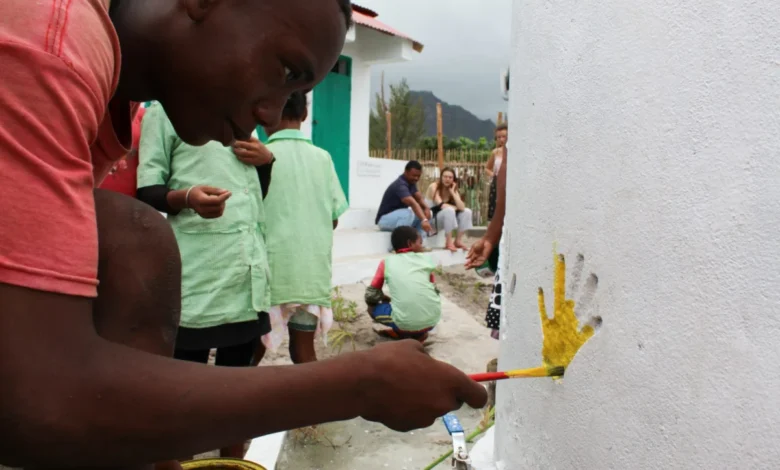
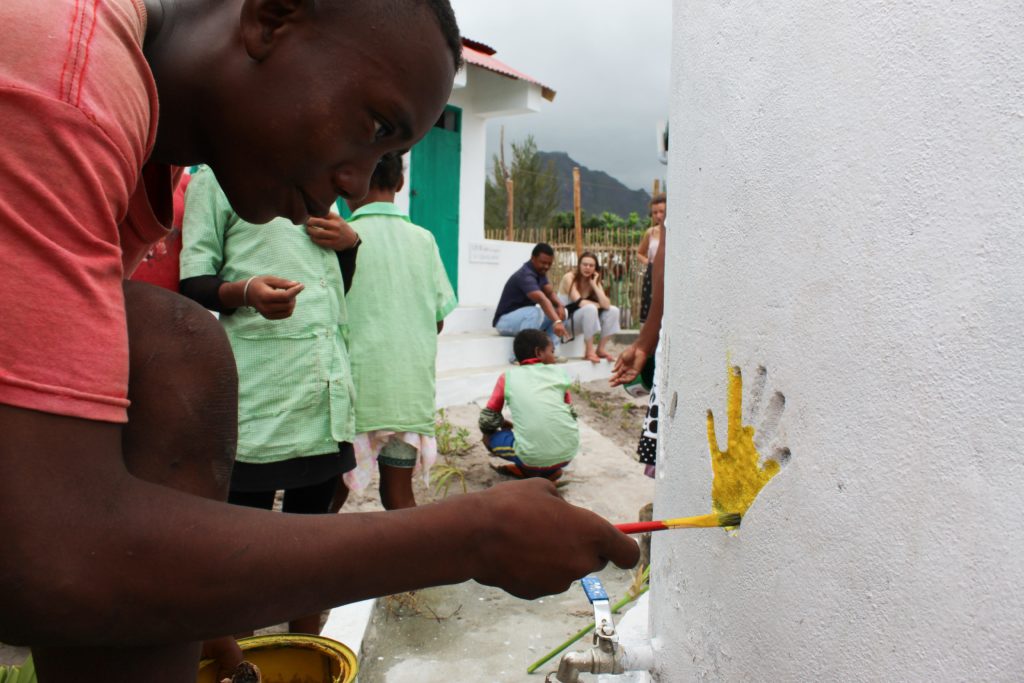
Similarly, the NGO Seed Madagascar leveraged its network—which typically welcomes conservation volunteers—to pivot toward vital public health interventions. Throughout the pandemic, Seed Madagascar coordinated closely with local government authorities to procure and distribute essential medical infrastructure. Their efforts included purchasing thermometers for local healthcare facilities, constructing 14 dedicated hand-washing stations in public areas, and manufacturing and distributing hundreds of face masks.
"The pandemic has magnified and clearly demonstrated company values and behavior," Smith observed. "We’ve all seen companies who have behaved irresponsibly in the pandemic, which will be remembered. Those who have stepped up will equally be remembered for their help. This isn’t a cynical PR play; it’s organizations staying true to their values of supporting local people and places, which they’ve always done, and now it’s virtually understood."
Lessons from the Ground: Adaptation and Resilience
Further insights into managing a tourism enterprise through the disruptions of COVID-19 come from Ariane Janer, a sustainable tourism consultant and technical director of Instituto Homo Caballus, an NGO and equestrian center in Brazil. Janer’s organization experienced the turbulent cycle of shutting down entirely during peak contagion periods and cautiously reopening as localized guidelines permitted.
Sustainable tourism leaders like Janer emphasize that survival in the current climate requires radical flexibility. Operators must diversify their revenue streams, forge deep alliances with local stakeholders, and prioritize the psychological safety of guests alongside physical health. Furthermore, the crisis has forced a re-evaluation of hyper-tourism models, steering the industry toward regenerative tourism—a concept where travel actively leaves a destination better than it was found, economically, socially, and ecologically.
The Broader Implications and Outlook for the Future
The COVID-19 pandemic will undoubtedly remain a defining chapter in modern history, and its economic fallout across the global tourism sector will be felt for years to come. Yet, the crisis has inadvertently acted as an accelerator for much-needed structural transformations within the industry.
By forcing a pause on mass-market, high-volume tourism, the pandemic cleared space for a more reflective dialogue on the carrying capacity of destinations, the ethics of global mobility, and the symbiotic relationship between travelers and host communities. Rural and ecotourism operators that survived this crucible did so not by waiting for a return to normalcy, but by redefining their purpose.
As international borders gradually reopen and vaccine rollouts restore a measure of global mobility, the lessons learned during the darkest days of the pandemic are likely to endure. Travelers are increasingly prioritizing transparency, sustainability, and ethical corporate behavior, while operators understand that their social license to operate depends on their tangible commitment to local well-being. Ultimately, the pandemic has demonstrated that while global crises can temporarily halt the movement of people, they cannot extinguish the human desire to explore—provided that exploration is conducted with respect, resilience, and a profound sense of shared responsibility.