Elevating the Traditional Chicken Noodle Soup Through Egyptian Culinary Heritage and Toasted Orzo Techniques

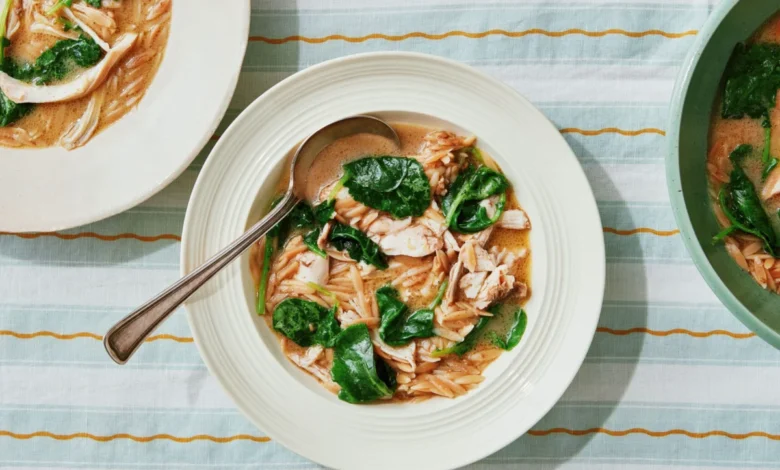
The evolution of comfort food often relies on the subtle marriage of historical tradition and modern culinary innovation. In the case of contemporary soup preparation, the standard chicken noodle archetype is currently undergoing a sophisticated transformation, heavily influenced by the Egyptian "bird tongue" soup, or lisan al-asfour. By integrating toasted orzo—a technique that prioritizes structural integrity and depth of flavor—culinary professionals and home cooks alike are redefining the parameters of what constitutes a robust, shelf-stable, and flavorful poultry-based broth.
The Cultural Origins of Bird Tongue Soup
The inspiration for this modernized dish traces back to the Mediterranean and North African tradition of lisan al-asfour. The name, which translates literally to "bird’s tongue," refers to the shape of the pasta—typically a small, rice-shaped noodle that mimics the appearance of avian anatomy. Historically, this soup serves as a staple in Egyptian households, prized for its digestibility and its ability to provide warmth during cooler months.
Unlike the Western reliance on long, flat wheat noodles that often lose their structural integrity when subjected to prolonged simmering in hot liquid, the Egyptian approach involves a specific preparation of the pasta itself. By browning the small pasta in butter or oil before the liquid is introduced, the starch undergoes a Maillard reaction, producing a nutty aroma and a hardened outer layer. This technical nuance is essential; it ensures the pasta remains al dente even when stored as leftovers, preventing the common "soggy noodle" dilemma that plagues traditional chicken soup preparations.
Technical Specifications and Ingredient Composition
Modern adaptations of this dish require a precise assembly of ingredients to balance aromatic spices with the richness of poultry proteins. The transition from simple boiled chicken to a more complex flavor profile involves the following foundational components:
- Protein Base: 1.25 pounds of boneless, skinless chicken thighs. Thighs are preferred over breasts due to their higher fat content, which contributes to a more velvety mouthfeel in the final broth.
- Aromatic Infusion: The use of 1 teaspoon of crushed fennel seeds, 0.5 teaspoons of ground cardamom, and 0.25 teaspoons of ground cloves creates a warm, complex spice profile that diverges from the standard carrot-celery-onion mirepoix base.
- The Toasting Element: 1 cup of orzo, toasted in 4 tablespoons of unsalted butter. This process is the technical pivot point of the recipe, requiring constant attention to prevent burning while achieving a deep, golden-brown hue.
- Brightening Agents: 1 tablespoon of finely grated lemon zest and 3 tablespoons of fresh lemon juice, added post-simmer to provide an acidic lift that cuts through the fat of the broth.
- Nutrient Density: 5 ounces of baby kale or spinach, which adds color and essential micronutrients, serving as a substitute for traditional parsley or dill.
Chronological Preparation Framework
To replicate this dish effectively, the preparation follows a rigorous sequence designed to maximize flavor extraction:
- Protein Seasoning and Searing: The chicken thighs must be seasoned with salt, pepper, and the aromatic spice blend. Searing the chicken in olive oil establishes a base layer of flavor in the pot before the liquid is added.
- Broth Development: The addition of high-quality, low-sodium chicken broth—or preferably, bone broth—serves as the primary medium. The inclusion of freshly grated ginger during this stage adds a sharp, anti-inflammatory element that complements the earthiness of the cloves and cardamom.
- Pasta Toasting: While the broth simmers, the orzo is toasted separately. This step is critical; if the pasta is added raw, it will release excess starch, resulting in a cloudy, viscous broth. Toasting seals the starch, maintaining clarity and texture.
- Final Integration: Once the chicken is cooked through and shredded, the toasted orzo is added to the pot to finish cooking in the seasoned broth. The kale or spinach is introduced in the final moments to retain its vibrant color and slight crunch, followed by the lemon juice to balance the savory notes.
Broader Culinary Impact and Implications
The shift toward utilizing toasted orzo in chicken soup reflects a larger trend in culinary arts: the preference for "pantry-stable" gourmet cooking. As consumers face rising food costs and an increased focus on minimizing waste, recipes that remain palatable over several days have gained significant market traction.
Data from the culinary sector suggests that consumers are increasingly seeking "functional comfort foods." By incorporating ginger and bone broth, this dish moves beyond simple sustenance into the realm of wellness-oriented nutrition. Bone broth, in particular, has seen a market surge, with its high collagen content and amino acid profile being touted by health professionals as a superior base compared to water-diluted bouillon.
Furthermore, the integration of global techniques—specifically the Egyptian method of toasting grain-like pasta—serves as a case study in how globalized food knowledge improves local cooking standards. It demonstrates that the "perfect" bowl of soup is not merely a matter of fresh ingredients, but of chemical and physical processes applied to those ingredients.
Expert Analysis of Ingredient Quality
In professional kitchens, the quality of the broth is treated as a non-negotiable variable. The shift away from standard water-and-bouillon-cube recipes toward concentrated bone broth is driven by the need for a higher "umami" quotient. Umami, the fifth taste, is found in abundance in chicken thighs and bone broth. When combined with the toasted nutty notes of the orzo, the soup achieves a depth of flavor that is typically reserved for long-simmered stews.
The choice of spices—fennel, cardamom, and cloves—also suggests a departure from the "homestyle" flavor profile toward a more sophisticated, globally-influenced palate. Cardamom, for instance, is frequently used in Middle Eastern and South Asian savory cooking to provide a floral, cooling contrast to the intensity of cloves. This creates a sensory experience that is far more complex than the one-dimensional saltiness of traditional chicken noodle soup.
Sustainability and Food Waste Mitigation
From a sustainability perspective, this recipe is highly efficient. The use of boneless chicken thighs minimizes carcass waste, and the orzo’s ability to hold its texture over multiple days significantly reduces the likelihood of food spoilage. In an era where food waste contributes significantly to landfill accumulation, the adoption of recipes that prioritize leftovers is not just a culinary preference, but an environmental imperative.
The inclusion of leafy greens such as baby kale or spinach also offers a practical solution to the common problem of leftover produce. By folding these greens into the broth at the final stage of cooking, the recipe effectively utilizes ingredients that might otherwise perish in the refrigerator, while simultaneously increasing the fiber content of the meal.
Conclusion
The transformation of chicken noodle soup into a more complex, spice-forward dish is an example of the positive outcomes achieved when culinary traditions are shared and modernized. By prioritizing the structural integrity of the orzo, the depth of flavor inherent in bone broth, and the aromatic complexity of traditional Egyptian spices, home cooks can create a meal that is both comforting and technically superior. As food culture continues to evolve, it is likely that such hybrids—marrying the historical, the technical, and the nutritional—will continue to define the standard for the modern pantry.