The modern paradigm of international tourism is undergoing a significant shift, moving away from the "checklist" model of sightseeing toward a philosophy known as "slow travel." This movement emphasizes immersion, cultural integration, and the reduction of travel velocity, with cities like Granada, Spain, serving as focal points for this trend. By de-prioritizing the exhaustive pursuit of historical monuments in favor of localized, neighborhood-based engagement, travelers are redefining their relationship with destination cities.
The Evolution of the Tourist Experience
Historically, the travel industry has been dominated by a high-intensity, short-duration model. Data from the World Tourism Organization (UNWTO) indicates that the average length of stay for international tourists in major European urban centers has remained relatively stagnant despite the rise of digital planning tools. However, there is a measurable increase in demand for "experiential" travel, where the objective is to replicate the lifestyle of a local resident rather than to observe the city from an external vantage point.

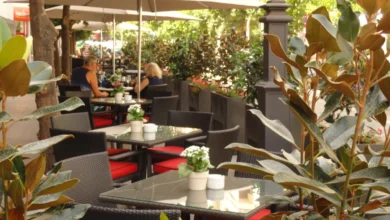
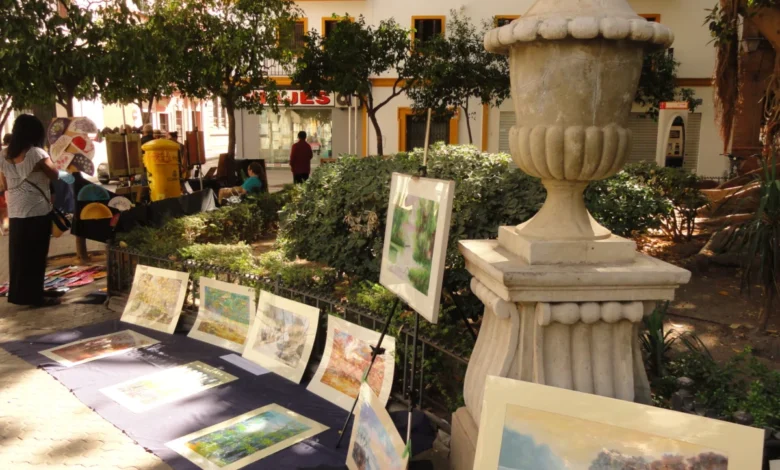
Granada, a city of approximately 230,000 residents, serves as an ideal case study for this transition. While it is home to the Alhambra—a UNESCO World Heritage site that welcomes over 2.7 million visitors annually—the city’s surrounding neighborhoods, such as the historic Realejo and the Centro Sagrario, offer a contrasting, sedentary experience. The shift toward slow travel in these districts is characterized by a preference for local artisan markets, neighborhood cafes, and residential squares over the highly regulated flow of traditional tourist attractions.
Chronology of the Shift: From Sightseeing to Living
The transition from a visitor to a participant follows a distinct, if informal, progression. In the early stages of a first-time visit, tourists typically prioritize high-traffic, monumental infrastructure. This is often driven by time-constraint pressures and a fear of missing out (FOMO) on major cultural markers.
During repeat visits, however, traveler behavior exhibits a marked change. Research into travel psychology suggests that the removal of "sightseeing anxiety" allows for a deeper cognitive engagement with the host environment. In the context of Granada, this manifests as a move from the primary tourist hubs into the peripheral, residential quarters. By the second or third visit, travelers are more likely to prioritize social interaction, language acquisition, and the repetition of daily rituals—such as frequenting the same local establishment—over the acquisition of new, superficial cultural data points.

The Role of Neighborhoods in Urban Integration
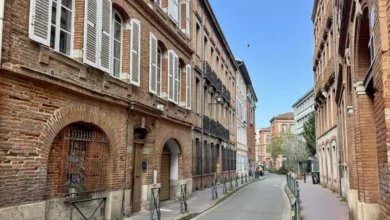
The Realejo district, formerly the Jewish quarter, provides a unique structural environment for this shift. Unlike the monumental center, Realejo is defined by its labyrinthine architecture, narrow streets, and a lack of standardized signage, which discourages high-volume tour groups.
Urban planners have noted that these "unstructured" neighborhoods facilitate a higher quality of social interaction. The presence of public spaces like the Campo del Príncipe acts as a social condenser, where the local population—students, families, and long-term residents—intermingle. For the visitor, this creates a low-barrier environment for linguistic and cultural exchange. According to sociolinguistic studies, the use of a local language, even at a rudimentary level, increases the perceived authenticity of the travel experience by 40% among independent travelers, as it alters the power dynamic between the visitor and the local service provider.
Economic and Cultural Implications
The economic impact of slow travel is substantial. While traditional tourism generates revenue through high-turnover attractions and large-scale hospitality chains, the slow travel movement shifts capital toward smaller, local enterprises. This includes artisanal shops, independent cafes, and short-term residential rentals.

Local governments and tourism boards, including those in Andalusia, have begun to recognize the long-term benefits of this trend. By dispersing visitors away from the heavily congested Alhambra and into surrounding neighborhoods, cities can mitigate the negative externalities of over-tourism, such as infrastructure degradation and the displacement of local residents.
Linguistic Barriers and the "Authenticity" Factor
A core component of the slow travel movement is the rejection of digital intermediaries. While language-learning applications have seen a 25% surge in downloads among travelers over the last five years, the practical application of these skills remains the primary hurdle for deep cultural immersion.
Data shows that travelers who engage in face-to-face, unscripted conversations with residents report higher levels of satisfaction with their trip than those who rely solely on technological translation tools. The psychological benefit is twofold: it reduces the "tourist" label, allowing for a more equitable social exchange, and it provides a sense of personal achievement that is impossible to replicate through observation alone.

Challenges to the Slow Travel Model
Despite its benefits, the slow travel model is not without criticism. Critics argue that the trend is essentially an elitist construct, as it requires both the financial means to extend the duration of a trip and the professional flexibility to work remotely or take extended leave.
Furthermore, the "gentrification of experience" remains a risk. As neighborhoods like Realejo become popular among the slow travel demographic, there is a risk that the very authenticity being sought will be commodified, leading to the displacement of the local residents who give the neighborhood its character. This necessitates a careful balance between welcoming tourism and protecting the residential integrity of the area.
Future Outlook: Sustainable Tourism Trends
As the travel industry moves toward 2030, the emphasis on sustainability is expected to integrate with the slow travel philosophy. Sustainable tourism is no longer defined strictly by environmental metrics but also by the "social sustainability" of the destination.

The experience in Granada underscores a broader global shift. As travelers become more discerning, the value of a destination will increasingly be measured not by the number of sites visited, but by the depth of the connection made. Whether through the exploration of local mural art, the engagement with the culinary customs of the region, or the attempt to navigate the nuances of the local language, the traveler of the future is likely to favor the quiet, uncurated moments of daily life over the clamor of the world’s most famous landmarks.
Ultimately, the lesson of Granada is that a city is not merely a collection of historical sites, but a living, breathing entity. To "live" in a city rather than simply "see" it requires a conscious decision to slow down, to observe, and to participate. It is this intentionality that transforms a trip into a journey, ensuring that the destination leaves a lasting impression that transcends the temporary nature of tourism. As the global travel sector evolves, those who master the art of being "present" will continue to find that the most profound travel experiences are often the ones that are never featured in a guidebook.