June 2026 Monthly Travel Report: A Season of Global Movement and Urban Exploration

The start of the 2026 summer travel season has seen a significant surge in international mobility, characterized by high-volume tourism, major sporting event migrations, and the logistical challenges inherent in record-breaking seasonal heat waves. As global travel patterns return to pre-pandemic vigor, the month of June served as a microcosm of these broader trends, particularly through the lens of North American transit and European climate adaptation.

The World Cup Effect on North American Urban Centers
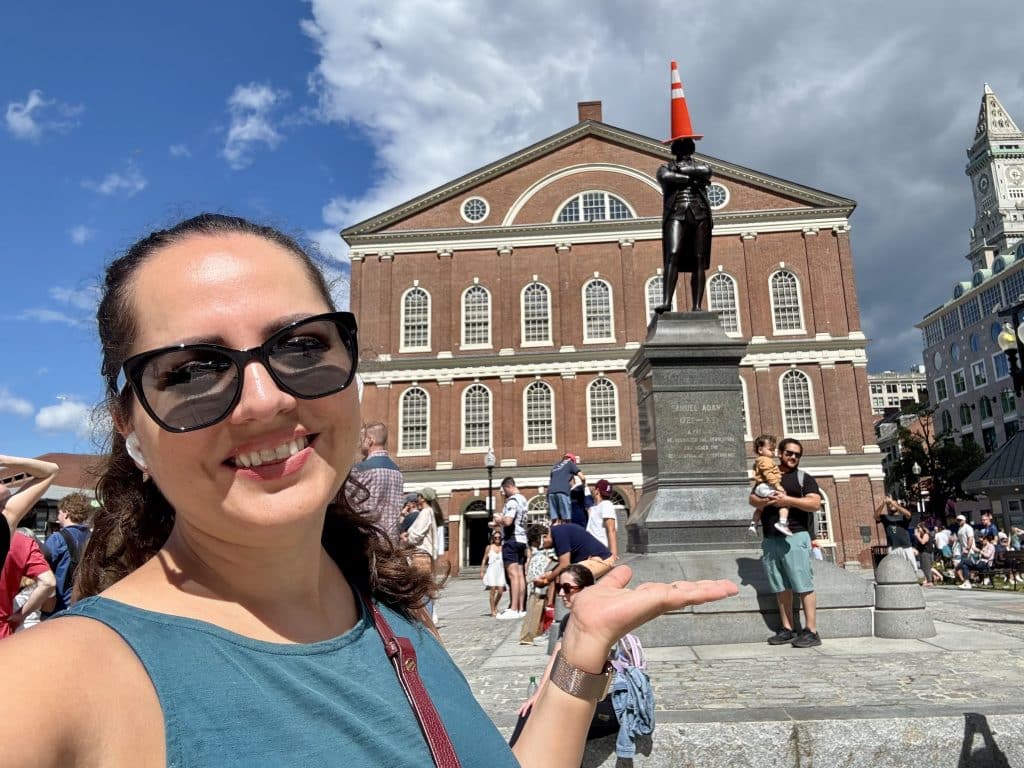
The 2026 FIFA World Cup, hosted across North America, acted as a primary catalyst for cross-continental travel throughout June. In cities like Boston, Massachusetts, the influx of international supporters created a unique cultural and economic atmosphere. Data from local transit authorities and tourism boards indicated that the presence of the "Tartan Army"—the dedicated supporters of the Scotland national football team—resulted in increased foot traffic in historic districts and a notable rise in activity around regional landmarks, including Fenway Park.
The economic impact of such events is substantial; the gathering of international fans in concentrated urban hubs generates localized spikes in the hospitality and service sectors. Beyond the economic indicators, the presence of these groups fostered an environment of heightened social engagement, as seen in the public celebrations throughout Massachusetts. Such events highlight the capacity of host cities to manage large-scale, spontaneous tourism surges, which require intricate coordination between municipal services and local business owners.

Infrastructure Developments and Urban Mobility
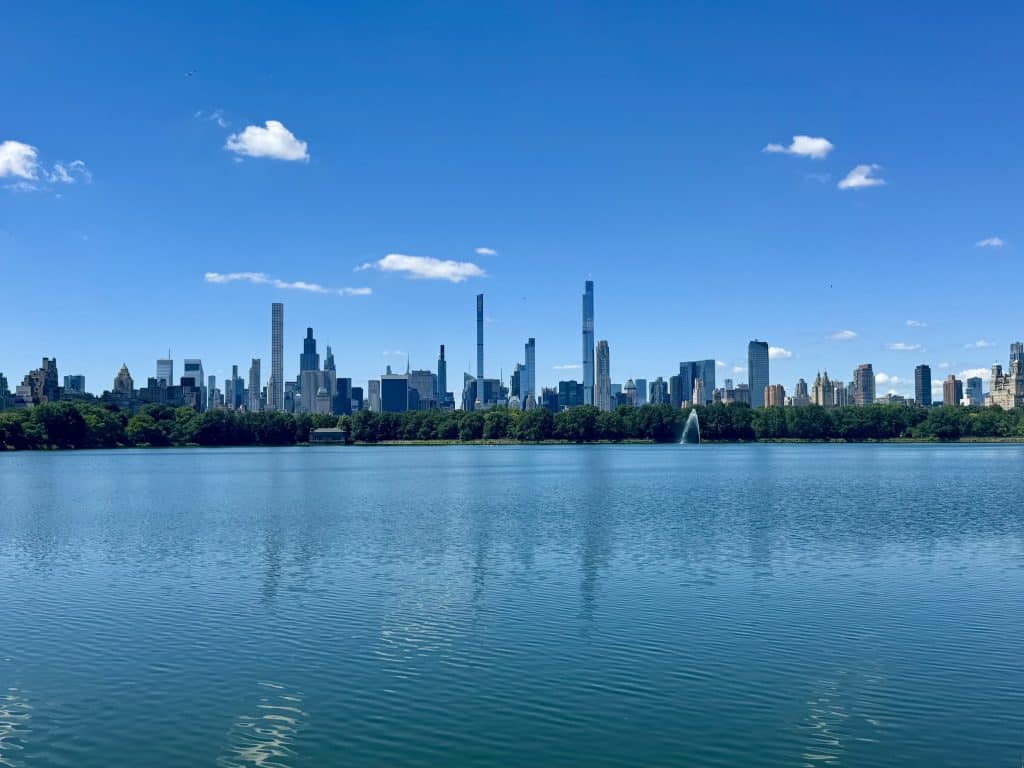
Urban infrastructure remains a critical component of the modern travel experience. A significant development in New York City’s transit network was the utilization of the George Washington Bridge Bus Station in Washington Heights. Historically, travelers arriving from northern points often endured lengthy transit times as buses navigated to midtown terminals. The optimization of the 178th and Broadway station offers a more efficient alternative for passengers destined for Upper Manhattan. This shift reflects a broader trend in metropolitan planning: the decentralization of transit hubs to reduce congestion and improve commuter efficiency within dense urban environments.
In contrast to these improvements, the month also highlighted the vulnerabilities of aging urban transport systems. A notable incident in Prague involved a passenger becoming trapped on a decommissioned tram after missing an auditory alert regarding a route change. This event underscores the persistent safety and operational challenges facing public transit systems as they struggle to maintain clear communication protocols during high-heat conditions, which can lead to equipment malfunctions and operator fatigue.
Climate Challenges: The European Heat Wave
June 2026 was marked by an intense and prolonged heat wave across Europe, which strained local infrastructure and prompted significant changes in resident behavior. The absence of widespread residential air conditioning—a common feature in historic European architecture—forced many households to seek temporary accommodation in hotels or facilities equipped with modern climate control systems.
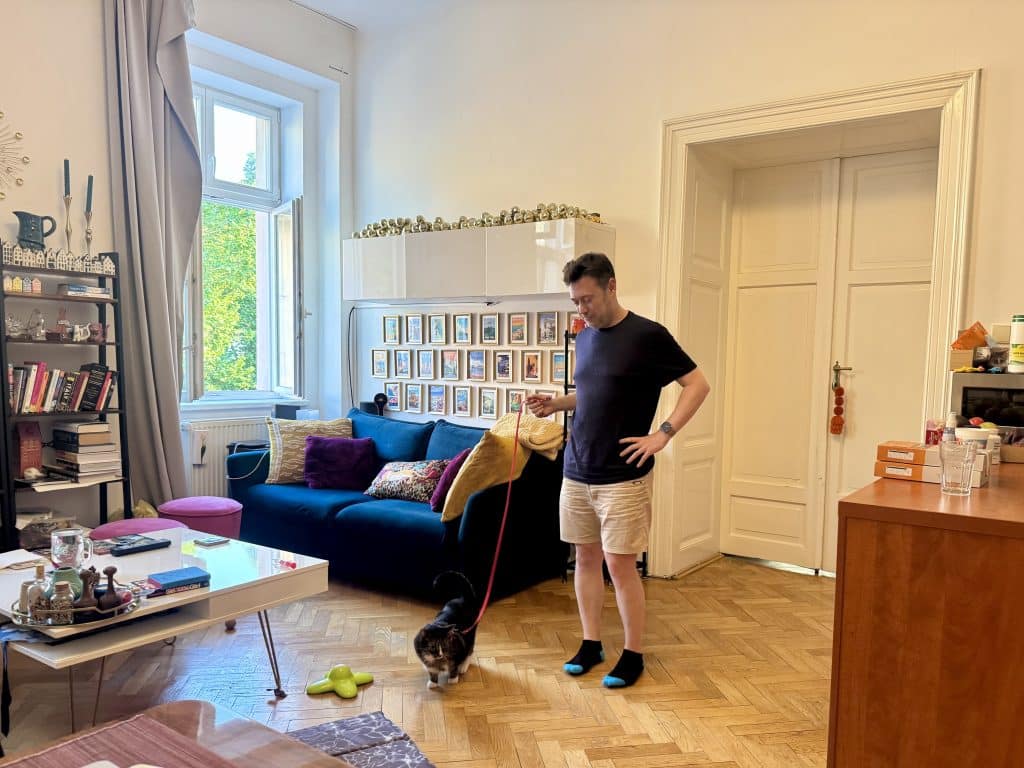
The hospitality industry responded by managing an increased demand for "cooling refuge" stays. The decision by many residents to relocate their families and pets to hotels during peak temperature periods suggests a shift in how the hospitality sector is perceived: moving from a leisure-centric industry to a critical utility during extreme weather events. The economic and social implications of this transition are substantial, as rising global temperatures may necessitate a permanent recalibration of building codes and urban cooling strategies.

Cultural Engagement and Artistic Consumption
Beyond travel and climate, June saw a resurgence in the consumption of legacy media and long-form cultural works. An examination of the "500 Greatest Albums of All Time" index provided a lens through which to analyze the shifting cultural relevance of 20th-century music. The resurgence of interest in artists such as The Beatles, Kendrick Lamar, and David Bowie suggests a generational bridge in music consumption, where listeners use curated lists to navigate the vast archives of historical recordings.
The critical reception of new literary works, such as Madeline Cash’s "Lost Lambs," further illustrates the current appetite for contemporary social satire. The discourse surrounding such works often reflects a broader societal interest in the nuances of family dynamics and the intersection of wealth and dysfunction, themes that continue to resonate in the current literary landscape.
Strategic Planning for the Remainder of the Summer
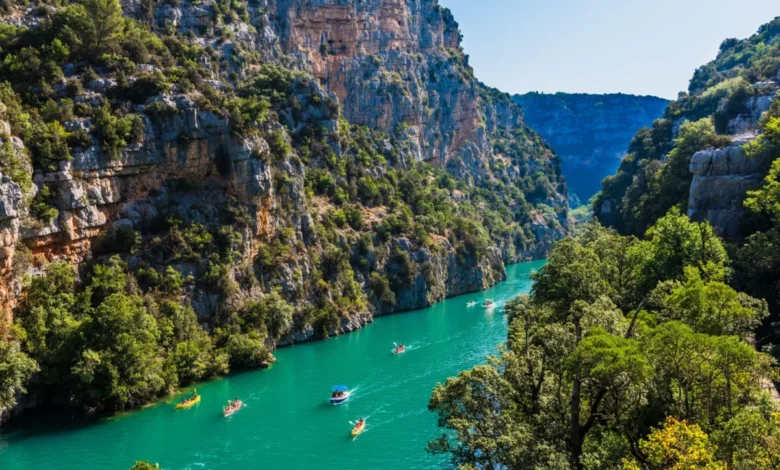
Looking toward the remainder of the summer season, travel projections indicate a sustained increase in long-distance road trips and regional tourism. The upcoming itinerary for many travelers, including a planned route from Prague through France’s Provence region, reflects a desire to engage with seasonal agricultural events, such as the lavender bloom in Valensole.
However, these plans are increasingly influenced by geopolitical and environmental considerations. For instance, planned travel to microstates like Liechtenstein and major metropolitan centers like Dublin requires careful logistical planning, particularly as peak tourism months coincide with potential further climate volatility.
Analysis of Future Implications
The events of June 2026 suggest three primary takeaways for the travel industry:
- Infrastructure Adaptation: As seen in New York and Prague, the effectiveness of a city’s transit infrastructure is directly correlated with resident and visitor safety. Future urban planning must prioritize both accessibility and robust, redundant communication systems.
- Climate Resilience: The reliance on commercial hospitality during heat waves indicates that the current housing stock in many European cities is ill-equipped for the "new normal" of extreme heat. There is an urgent need for retrofitting residential buildings with efficient cooling technology.
- Event-Driven Tourism: The success of the World Cup in engaging host cities proves that large-scale sporting events provide more than just revenue; they offer an opportunity for cultural diplomacy and international exchange.
As the summer progresses, both municipal authorities and private citizens will need to remain agile, balancing the desire for continued global mobility with the realities of an evolving climate and the limitations of aging infrastructure. The focus for July and August will likely shift toward mitigating the risks of further heat waves while maximizing the economic benefits of the traditional summer travel surge. The data collected from June’s activities will undoubtedly inform the strategies of tourism boards and urban planners as they navigate the remainder of a busy and unpredictable summer season.
Related posts: