The Rise of Bed and Brew Accommodations Transforming the Boutique Travel Experience

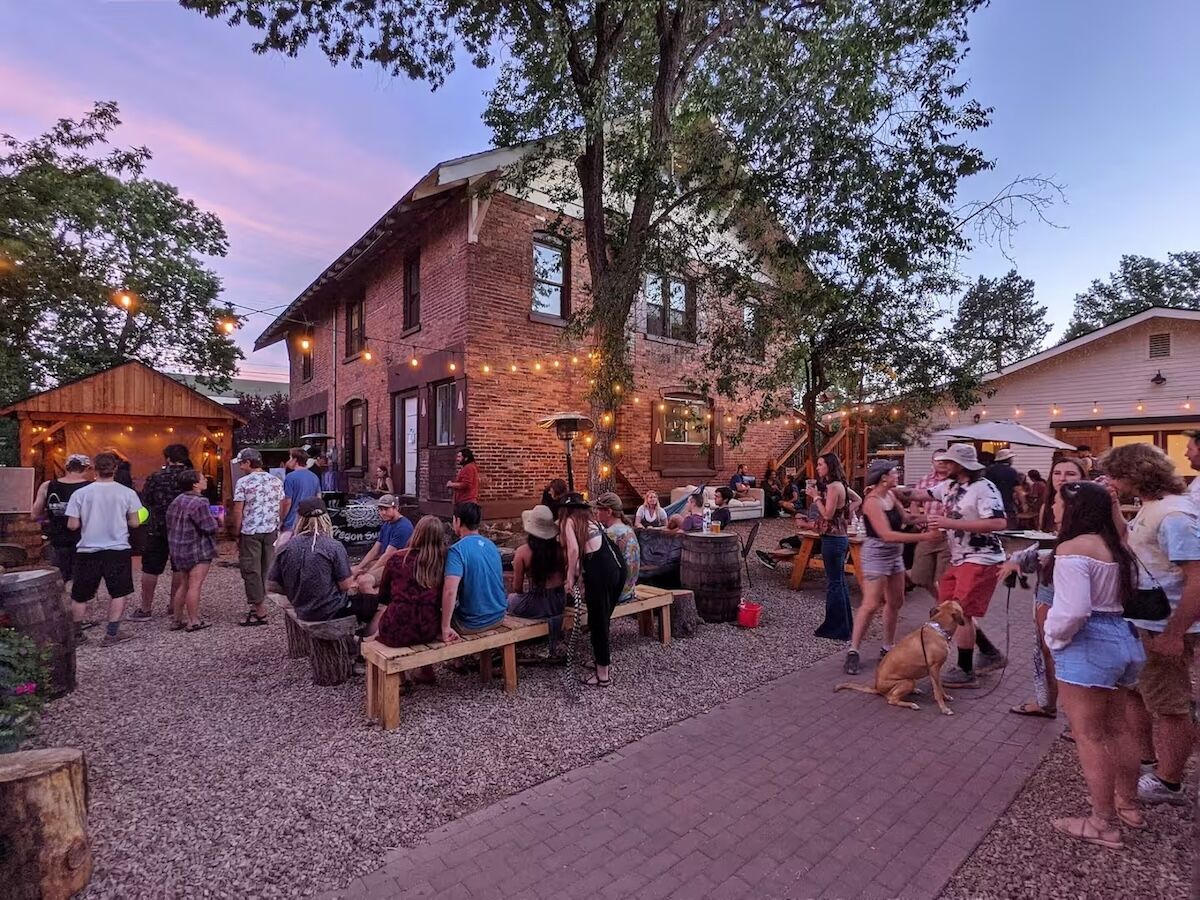
For many travelers, the traditional "bed and breakfast" model has long been defined by early morning alarms, communal dining rooms, and a predictable menu of eggs and toast. However, a growing segment of the hospitality industry is shifting toward a more relaxed, experience-driven approach, replacing the morning scramble with the leisure of a check-in pint. This burgeoning niche, widely referred to as "bed and brew," caters to a demographic that values craft culture, historical preservation, and the seamless integration of lodging with local nightlife. From the high deserts of New Mexico to the rugged terrain of Oregon, these establishments represent a strategic pivot in how boutique properties leverage regional assets to attract a younger, beer-centric clientele.
The Emergence of the Bed and Brew Concept
The transition from the traditional B&B to the brew-focused model is not merely a branding exercise; it is an economic response to the explosive growth of the craft beer industry. According to data from the Brewers Association, the number of craft breweries in the United States has surged from approximately 1,800 in 2010 to over 9,500 by the mid-2020s. As craft beer became a cornerstone of regional tourism, savvy hoteliers began to recognize that the brewery taproom was effectively becoming a town square for local social interaction.
By attaching accommodations directly to these venues, operators are addressing a core logistical challenge for travelers: the intersection of responsible drinking and convenient transit. By eliminating the need for ride-sharing or driving after a night of sampling local IPAs or stouts, these properties offer a "one-stop shop" that is both safer and more immersive. This model has gained particular traction in secondary markets where historic buildings—often former saloons, Victorian homes, or industrial spaces—provide the necessary architecture to house both guest suites and brewing equipment.
Painted Lady Bed and Brew: A Historical Pivot in Albuquerque
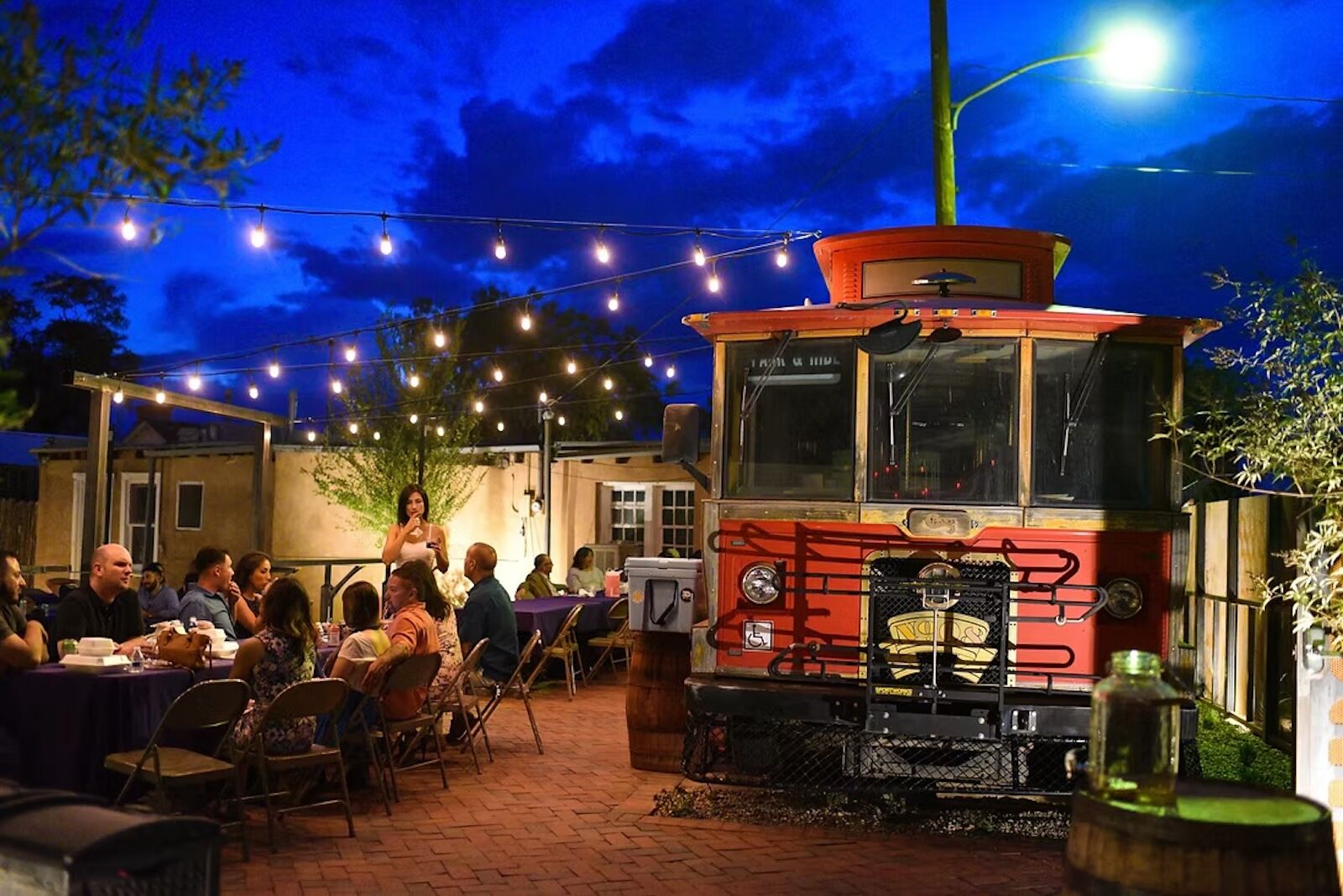
In Albuquerque, New Mexico, the Painted Lady Bed and Brew exemplifies the successful repurposing of unconventional spaces. Once a 19th-century brothel and saloon, the property now challenges the hospitality status quo by intentionally omitting the traditional breakfast service. The establishment’s management notes that for their target demographic, the morning meal is less of a priority than the evening social atmosphere.
The property’s centerpiece is a repurposed vintage trolley car that serves as an on-site bar. This feature acts as a focal point for what the venue calls "hoppy hour" soirees, which are designed to integrate out-of-town guests with the local Albuquerque community. This blending of populations is a deliberate strategy to foster authenticity, a metric that travel industry analysts cite as increasingly vital for the success of boutique lodging. With rates starting at approximately $199 per night, the property positions itself as an accessible, art-focused destination that utilizes its history as a marketing asset.
Operational Models in California and Nebraska
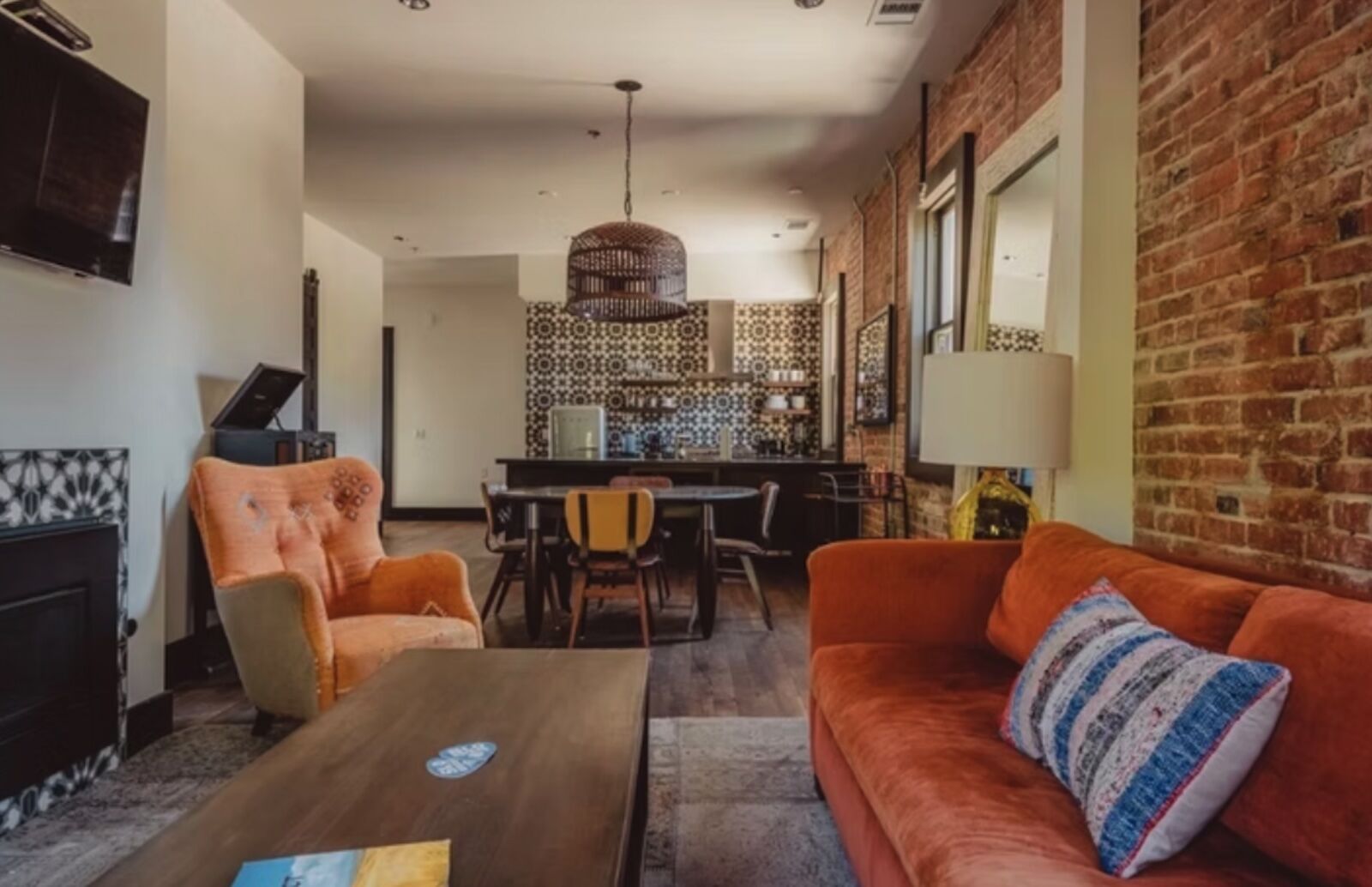
The integration of beer and lodging takes a more upscale, urban form at the SLO Brew Lofts in San Luis Obispo, California. As an extension of one of the state’s most established brewpub operations, these lofts represent the "luxury" segment of the bed and brew trend. The interior design, characterized by Smeg appliances and curated modern art, targets the affluent millennial traveler who prioritizes high-end aesthetics alongside easy access to nightlife.
However, the SLO Brew model also highlights the logistical challenges of this trend. Because the lofts are situated in a bustling downtown district, guests are frequently advised of the noise levels associated with proximity to late-night entertainment. This transparency is a hallmark of the professionalized bed and brew sector, where managing guest expectations is essential to maintaining high satisfaction ratings on booking platforms.
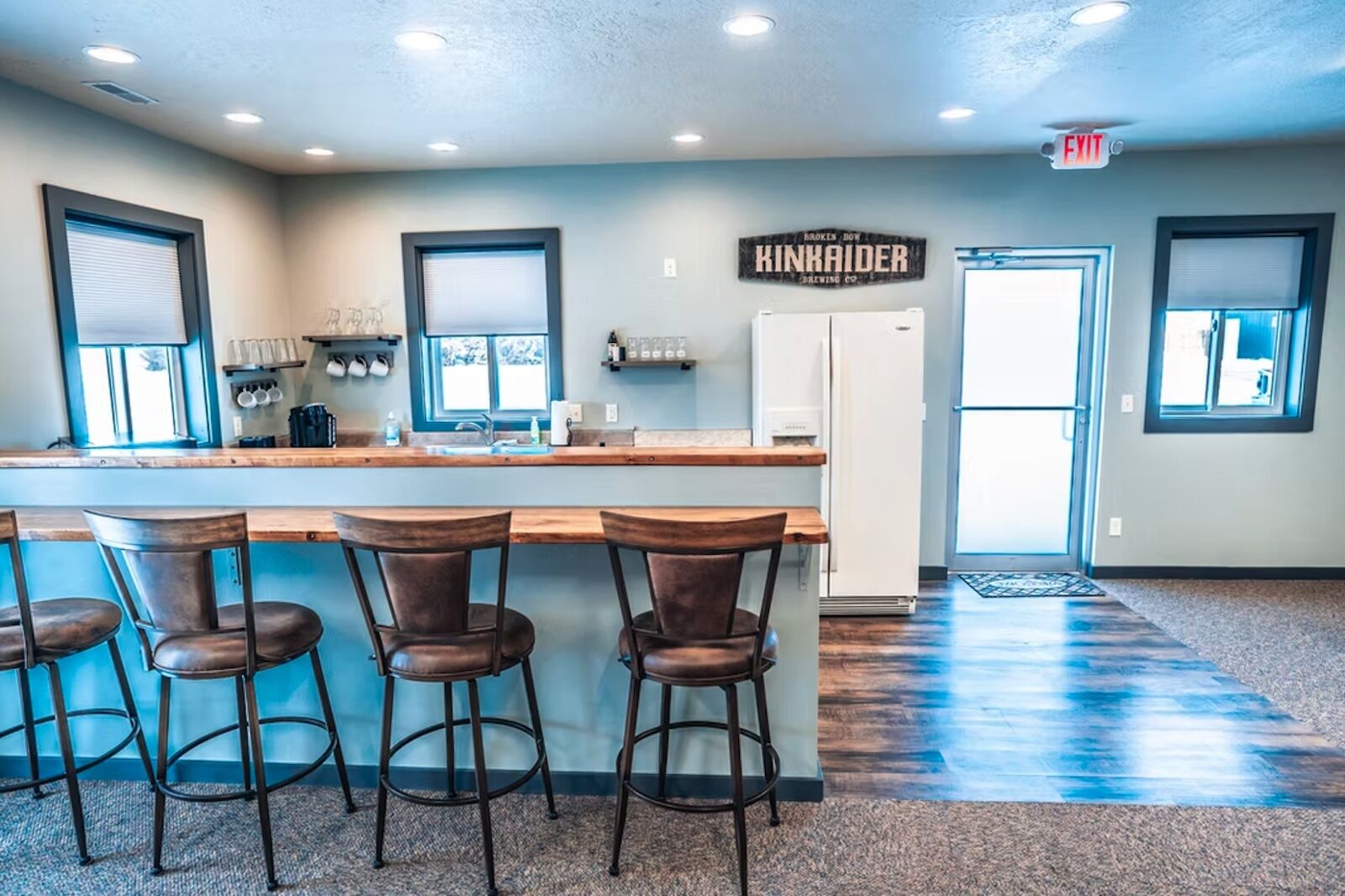
Conversely, the Kinkaider Brewing Co. in Broken Bow, Nebraska, demonstrates the "destination brewery" model. Located in the Sandhills, the brewery offers a two-bedroom guesthouse that provides a rural escape centered around farm-to-table beer production. Unlike the urban lofts, the Kinkaider model allows for a more personalized experience, where guests can opt for a keg to be included in their booking. This level of customization reflects a broader trend in hospitality where the "experience" is tailored to the size and specific desires of the guest group.
The Oregon Market: A Hub of Beer-Centric Lodging
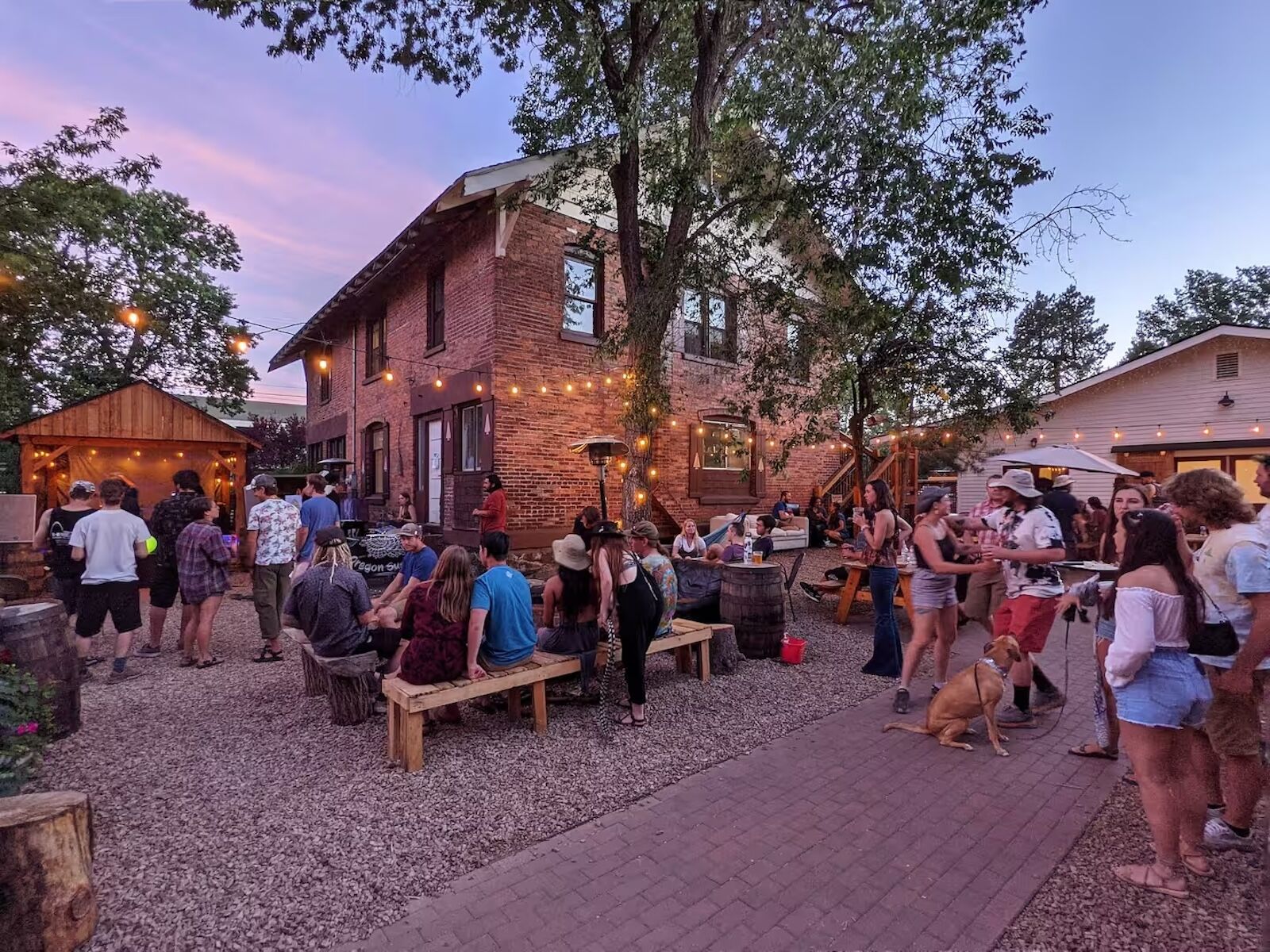
Oregon, long considered a global epicenter for craft beer, hosts multiple variations of this concept, particularly in Bend. The Bunk+Brew hostel in Bend occupies the historic 1910 Lucas House, providing a bridge between budget-conscious backpackers and the local craft beer scene. By incorporating a Finnish sauna and a rotation of food trucks, the property creates an ecosystem where the communal kitchen and the beer garden are of equal importance.
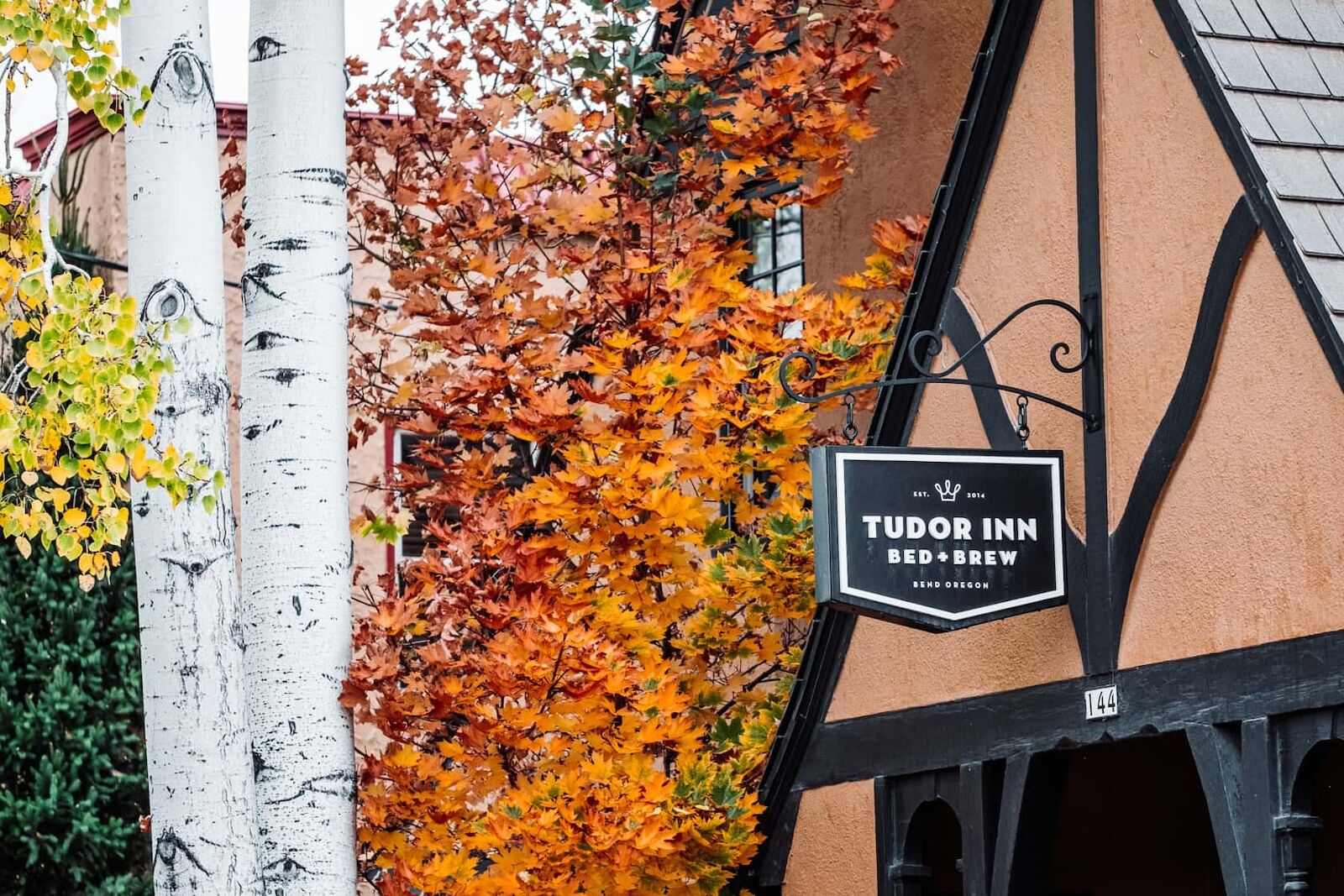
For those seeking a more refined experience, the Tudor Inn, also in Bend, offers a quieter, residential alternative in a restored 1928 home. By rotating taps seasonally and offering the first pour as a complimentary amenity, the inn creates a low-pressure environment that mimics the feeling of staying at a friend’s home rather than a commercial property. Similarly, the Ison House in Baker City, Oregon, utilizes its Victorian-era architecture to provide a sense of place. The inclusion of an on-site pub where guests are greeted with a pint sets the tone for a stay that is fundamentally tied to the local culture.
Economic and Social Implications
The rise of these establishments has significant implications for local tourism boards. By centralizing the lodging and the primary entertainment venue, these businesses encourage longer stays and higher per-capita spending. From a regulatory perspective, however, the growth of bed and brew operations requires careful navigation of zoning laws, liquor licensing, and health department regulations regarding food service.
Industry analysts suggest that the "bed and brew" trend is likely to expand as regional tourism continues to move away from standardized hotel chains. The value proposition is clear: guests are not just purchasing a room; they are purchasing access to a curated social experience that is deeply embedded in the local craft beer scene.
Future Outlook
As the market matures, observers expect to see more partnerships between independent boutique hotels and regional craft breweries. The current inventory of such rooms is limited—often consisting of only a few units per property—which creates a sense of scarcity that further drives demand. For travelers, the key to navigating this space is understanding the specific operational model of each property. Some offer a full, host-led experience with live music and social events, while others provide a more autonomous, self-service environment.
The success of the bed and brew concept relies on a delicate balance: providing enough infrastructure to ensure comfort and safety, while maintaining the "rough-around-the-edges" charm that defines the craft beer aesthetic. As competition within the boutique travel sector intensifies, the ability to offer a unique, localized experience—often centered around a freshly poured pint—will continue to be a defining factor for success. Whether in the high-desert landscapes of New Mexico or the verdant valleys of Oregon, the bed and brew model has firmly established itself as a permanent, if niche, fixture in the American travel landscape, proving that for a significant segment of the traveling public, the morning commute to the breakfast buffet is no longer a necessary part of the vacation experience.
Related posts: