Hidden Pond: A Study in Seasonal Hospitality and the Evolution of the Maine Luxury Retreat

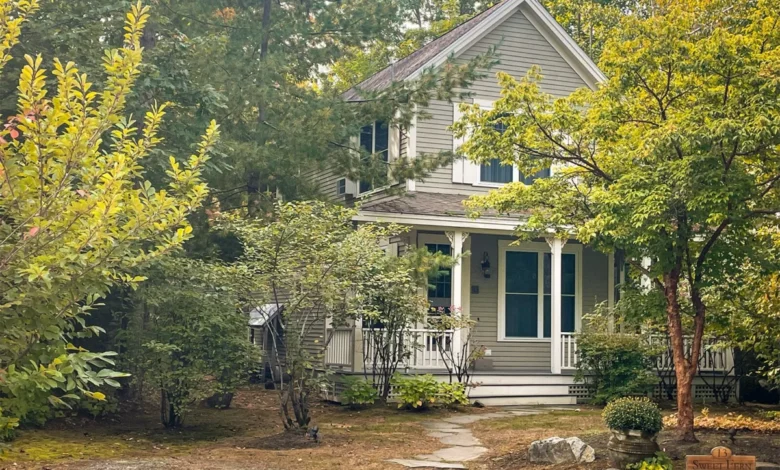
Nestled across 60 acres of woodland in Kennebunkport, Maine, Hidden Pond represents a distinct shift in the New England hospitality landscape. As the summer tourism surge subsides and the coastal region transitions into the shoulder season, the property offers a case study in how boutique resorts manage operational pivots between high-intensity summer occupancy and the quieter, introspective autumn months. Operating until October 31 before entering a winter hiatus, the resort serves as a barometer for regional travel trends that favor seclusion, experiential luxury, and architectural integration with the natural environment.
Architectural Redesign and Operational Framework
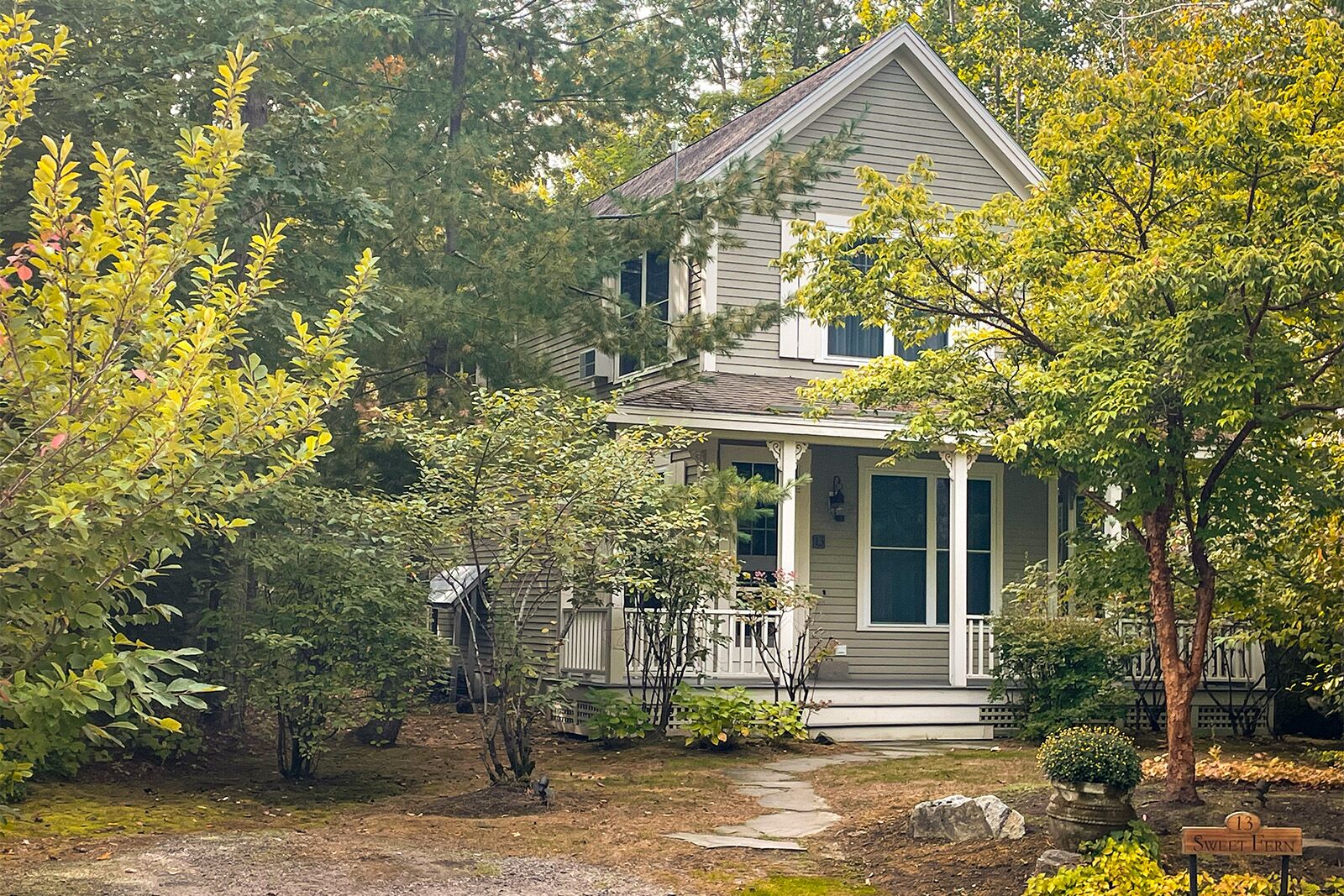
In recent months, the property has undergone a significant aesthetic overhaul spearheaded by the Providence-based design firm Superette Studio. The renovation of 16 two-floor, two-bedroom cottages serves to categorize the guest experience into two distinct design languages: coastal and woodland. This strategy addresses the evolving demand for residential-style accommodations that prioritize privacy and thematic immersion over the standard hotel layout.
The property encompasses 46 distinct lodging options, ranging from intimate one-bedroom bungalows to standalone cottages equipped for extended stays. The inclusion of pet-friendly infrastructure—marked by amenities such as in-room pet dining menus and a whimsical “dog-stick library”—highlights an industry-wide move toward accommodating the “humanized” pet travel market, which has seen substantial growth in North American hospitality since 2020.
The structural design of the cottages reflects a shift toward “wellness-integrated” architecture. Features such as the “nap nook” and outdoor showers, paired with premium appointments like Frette linens and Malin+Goetz apothecary products, are designed to encourage tactile engagement with the surrounding forest. The use of heritage textiles and dark, moody wallpapers in the woodland units is a deliberate move to transition the guest from the bright, high-contrast aesthetic of the Maine coastline to the muted, restorative palette of the interior woods.
Culinary Integration and Farm-to-Table Logistics
Central to the resort’s operational identity is the restaurant Earth. Unlike the resort’s accommodations, which cease operations at the end of October, Earth maintains a year-round presence, serving both resort guests and the general public. This allows the property to maintain a consistent brand presence in the local Kennebunkport economy despite the seasonal closure of the lodging facilities.
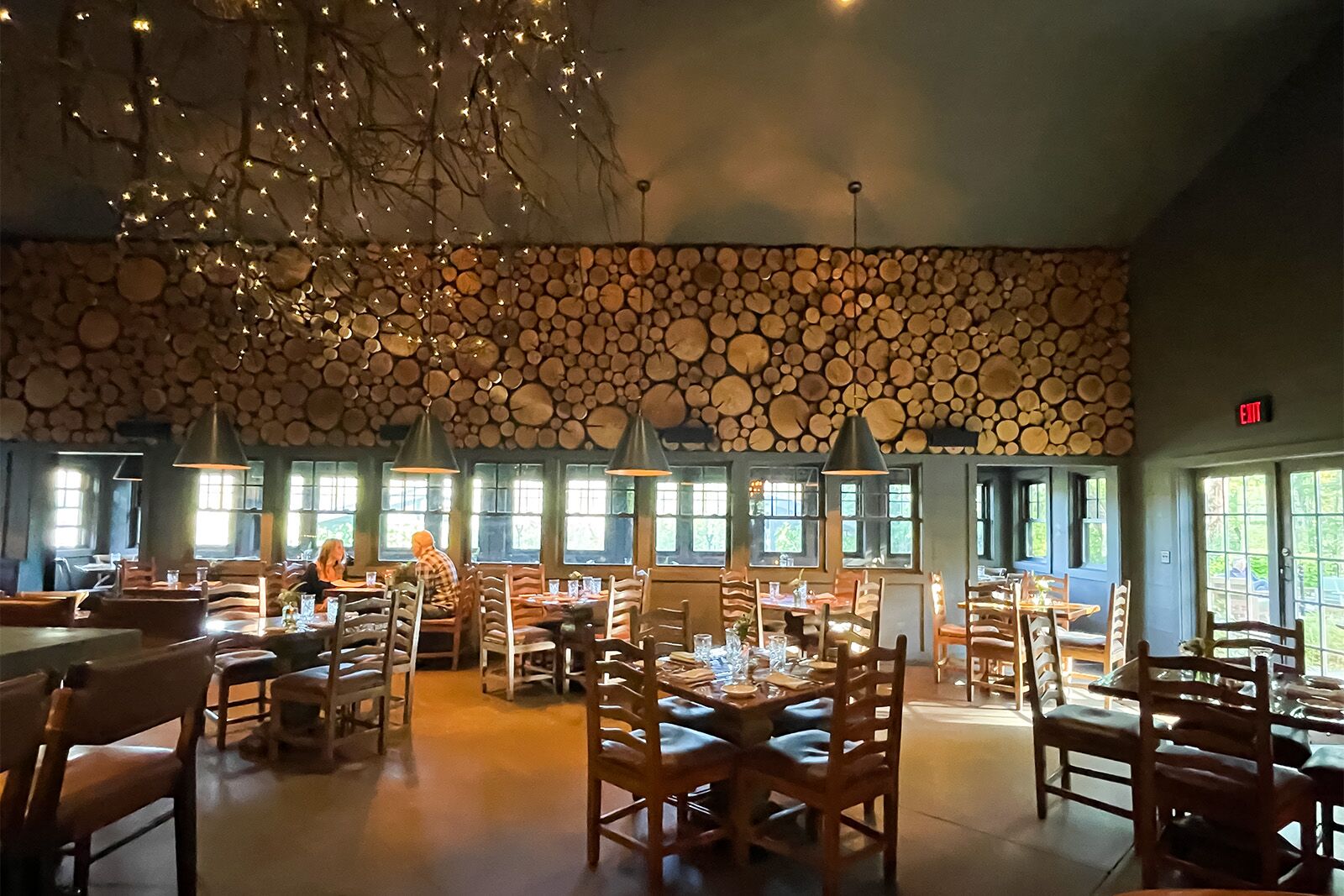
The restaurant, managed by executive chef Justin Owen, utilizes a farm-to-table model that relies on the property’s on-site agricultural output. The culinary philosophy emphasizes the four elements—earth, fire, air, and water—translated into a multi-course, seasonal fine-dining experience. The aesthetic design of the space, featuring exposed beams and an iconic upside-down apple tree, serves as a focal point for what hospitality experts term “experiential dining.”
Data regarding high-end dining trends suggests that consumers are increasingly seeking restaurants that offer a narrative component. By integrating the source of the ingredients—the on-site farm—with the architectural elements of the dining room, Hidden Pond creates a closed-loop experience that reinforces the brand’s commitment to sustainability and regional authenticity. The menu, which prominently features local staples like Maine lobster elevated with high-end additions such as caviar and uni, illustrates a move toward "elevated regionalism," a trend currently dominating the luxury culinary market in the Northeast.
Seasonal Programming and Guest Engagement
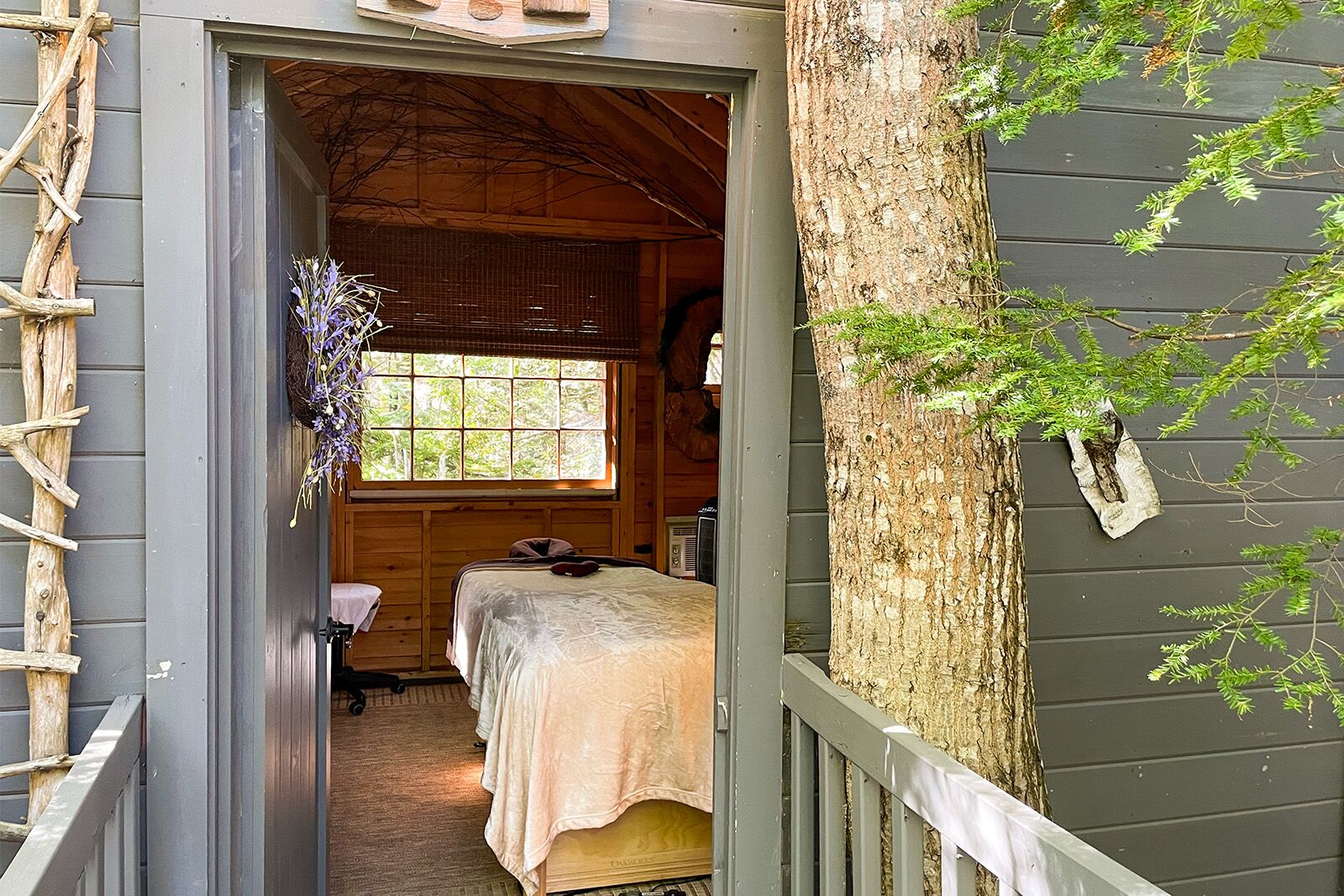
The shoulder season at Hidden Pond is characterized by a deliberate slowing of the operational tempo, shifting from the high-volume traffic of July and August to a curated program of guest engagement. The resort’s schedule includes morning yoga in the vegetable gardens, watercolor workshops, and mixology sessions designed to foster community among guests.
These activities represent a broader shift in the hospitality sector toward “transformative travel.” Guests are no longer merely seeking a place to sleep; they are seeking to acquire new skills or perspectives during their stay. By providing structured, low-impact activities, the resort effectively manages the guest experience during periods of lower natural demand, ensuring that the perceived value of the stay remains high despite the change in weather.
The reliance on golf carts for on-property transit minimizes the environmental footprint of the 60-acre campus while simultaneously enhancing the “summer camp for adults” atmosphere that the resort promotes. This logistical choice reinforces the sense of isolation from the outside world, a key selling point for high-net-worth travelers seeking to disconnect from urban stressors.
Regional Connectivity and Economic Impact
Geographically, Hidden Pond occupies a strategic position within the Southern Maine corridor. Situated approximately 40 minutes from the Portland International Jetport (PWM) and within a two-hour drive of the Boston metropolitan area, the resort is positioned to capture a significant share of the regional "staycation" and weekend-getaway market.
The proximity to its sister property, The Tides Beach Club on Goose Rocks Beach, provides a dual-faceted guest experience: the secluded, terrestrial retreat of Hidden Pond and the coastal, Art Deco-inspired atmosphere of The Tides. This synergy allows the parent hospitality group to capture different segments of the luxury market simultaneously.
From an economic perspective, the presence of properties like Hidden Pond contributes to the extended viability of the Kennebunkport tourism season. By remaining open through October, these businesses sustain local employment and supply chain demand during a period when many coastal businesses in the Northeast begin to wind down operations. According to regional hospitality reports, the extension of the "shoulder season" is a primary objective for Maine tourism boards looking to stabilize the local economy against the volatility of shorter, peak-only travel windows.
Implications for the Luxury Travel Industry
The success of the Hidden Pond model offers several insights into the future of boutique resort management. First, the emphasis on "hyper-local" design—using the surrounding landscape to dictate the interior aesthetic—has become a prerequisite for luxury properties. Second, the integration of year-round dining as a standalone destination ensures that the business remains relevant even when the primary lodging components are shuttered.
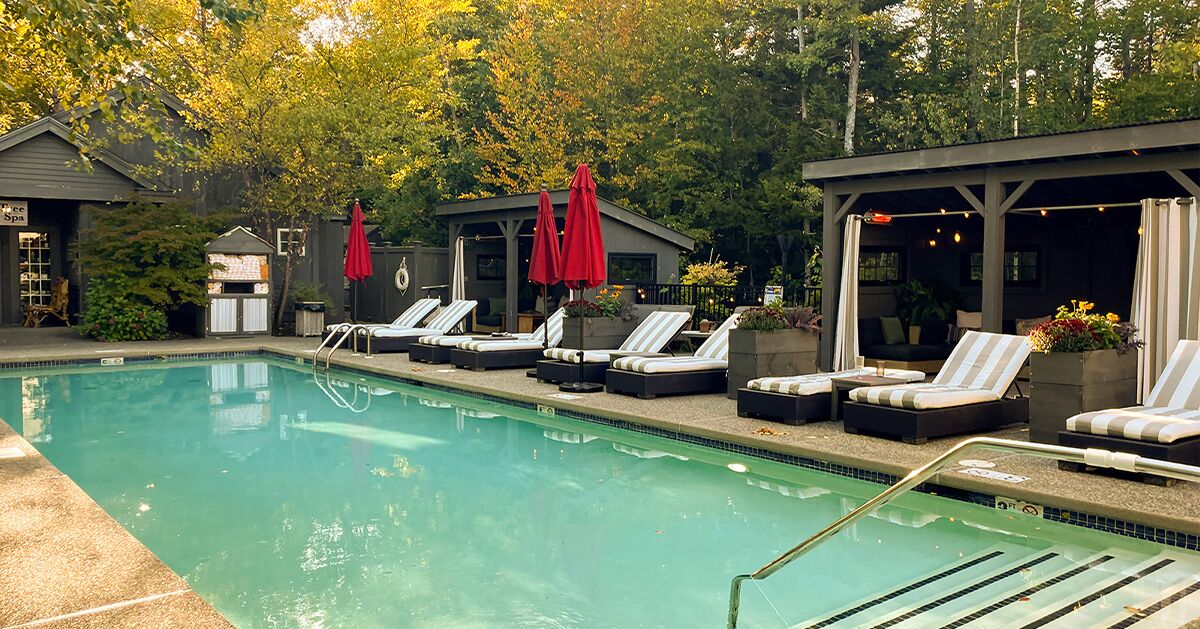
The transition from a high-energy summer resort to a contemplative autumnal retreat requires a high degree of operational agility. Management’s ability to pivot from pool-side, high-traffic service to intimate, fireplace-centered programming is indicative of a sophisticated understanding of their target demographic’s changing psychological needs throughout the year.
As climate patterns and travel preferences continue to shift, properties that can offer a seamless blend of luxury, environmental stewardship, and community-driven activities are likely to outperform standard-service competitors. Hidden Pond serves as a template for this evolution, demonstrating that the future of hospitality lies in the ability to curate not just a stay, but a sense of place.
Conclusion
Hidden Pond stands as a sophisticated intersection of luxury, geography, and seasonal adaptation. By balancing its rustic, forest-bound aesthetic with refined service and culinary excellence, it has secured its position as a destination that transcends the traditional "beach resort" label. As the property prepares for its annual winter closure, it leaves behind a framework that successfully bridges the gap between the chaotic productivity of summer and the quiet reflection of autumn. For travelers and hospitality professionals alike, the property offers a compelling look at the durability of the boutique retreat model in an increasingly fast-paced, digital world. Whether through the lens of architectural design, culinary strategy, or guest engagement, Hidden Pond provides a definitive look at the current state of luxury tourism in the United States.