The landscape of international telecommunications has undergone a dramatic transformation over the past several years, shifting away from physical plastic SIM cards toward embedded digital technology known as eSIMs. For international travelers heading to Europe, this evolution has largely eliminated the once-tedious process of hunting down local storefronts upon arrival to purchase temporary mobile plans. Instead, modern globetrotters can connect to major European cellular networks seamlessly before even boarding their flights. However, navigating the myriad of available digital data plans, understanding device compatibility, and weighing third-party options against traditional domestic carrier roaming passes requires careful planning.

Background Context and Industry Evolution
For decades, acquiring mobile data while traveling abroad involved either paying exorbitant international roaming fees to domestic home carriers or waiting in lines at airport kiosks to purchase physical prepaid SIM cards. These traditional methods presented numerous logistical hurdles, including the risk of losing home SIM cards, dealing with incompatible network frequencies, and managing frustrating swap-out procedures using specialized tiny metal ejector tools.

The introduction of embedded Subscriber Identity Module (eSIM) technology revolutionized this consumer experience. Operating entirely via software embedded directly into a smartphone’s hardware, an eSIM allows users to download and activate cellular profiles remotely. This technological leap gained massive momentum around 2018 with broader adoption by major smartphone manufacturers, culminating in a significant milestone when Apple released US-variant iPhone 14 models featuring exclusively eSIM capabilities and omitting physical SIM trays entirely. Today, virtually all modern smartphones manufactured by Apple, Google, Samsung, and other leading brands support dual-SIM functionalities, enabling travelers to maintain their primary home number for emergency calls and two-factor authentication texts while utilizing a secondary digital profile for high-speed local data.
The Practical Necessity of Mobile Data in Modern Europe

Relying exclusively on public Wi-Fi hotspots while traveling through Europe is no longer a viable strategy for the contemporary tourist. While cafes, hotels, and transportation hubs frequently advertise complimentary wireless internet, connectivity is often notoriously slow, unencrypted, and unreliable. Furthermore, the daily infrastructure of modern European society is deeply digitized.
Navigating foreign transit networks, booking high-speed rail journeys, ordering meals via QR-code menus, summoning rideshare vehicles such as Uber, and accessing digital event tickets all heavily rely on robust, high-speed mobile data connections. Without an active data plan, simple logistics—such as translating a foreign street sign or checking real-time train platform changes—can quickly become stressful obstacles. Consequently, securing a dependable cellular data connection has transitioned from a luxury vacation amenity to an essential travel tool.
Comparative Cost Analysis: Domestic Roaming Versus Prepaid eSIMs
Travelers originating from North America or Australia face stark financial choices when deciding how to handle international data. Major domestic carriers such as AT&T, Verizon, and T-Mobile offer international roaming add-ons, but these services come with distinct financial and technical drawbacks.

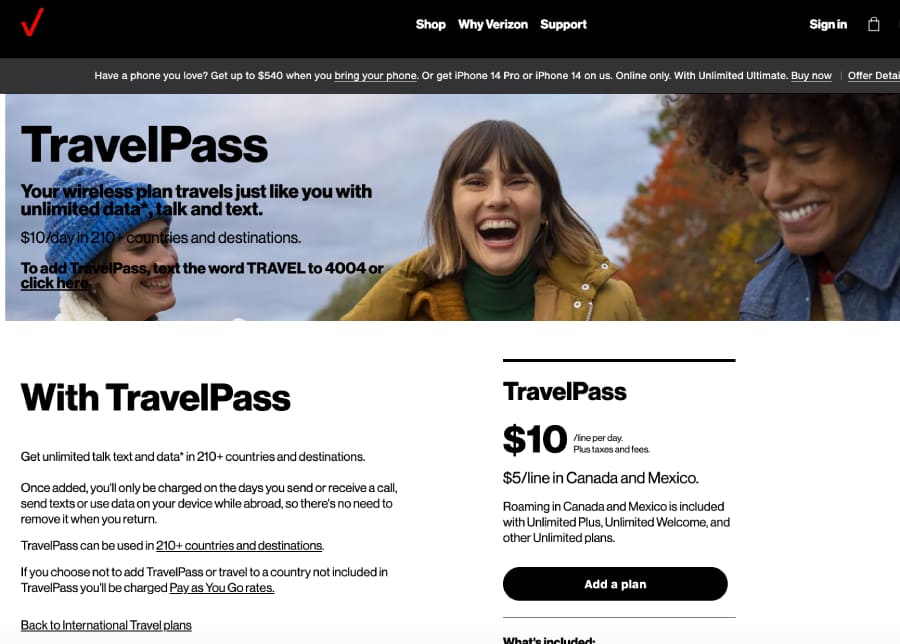
For instance, standard daily international passes typically cost around $10 per day, accumulating to roughly $300 for a standard month-long excursion. While T-Mobile offers included international data on certain plans, speeds are frequently throttled down to sluggish 2G rates after a threshold of high-speed usage is surpassed, making applications like navigation maps practically unusable. Monthly international packages offered by major domestic operators also feature steep overage penalties, often exceeding $30 per gigabyte.
In sharp contrast, third-party prepaid European eSIM data plans drastically undercut these legacy carrier rates. Travelers can typically secure robust, high-speed regional data packages averaging between $2 and $5 per day. This economic disparity has driven millions of consumers toward specialized digital providers.
Leading eSIM Providers and Plan Offerings
The market for European eSIM solutions features numerous competitive providers, with firms like Holafly and SimOptions leading the sector by partnering directly with prominent European telecommunications giants such as Orange, Bouygues Telecom, and O2.

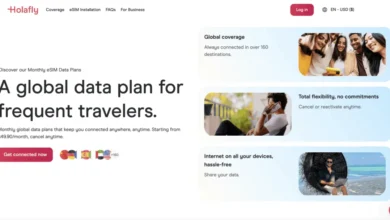
Holafly has carved out a significant market share by offering flexible, unlimited data plans tailored for durations ranging from 1 to 90 days. This model removes the guesswork for consumers who might otherwise struggle to calculate their exact gigabyte needs, though these plans typically restrict or prohibit heavy mobile hotspot tethering to preserve network integrity.
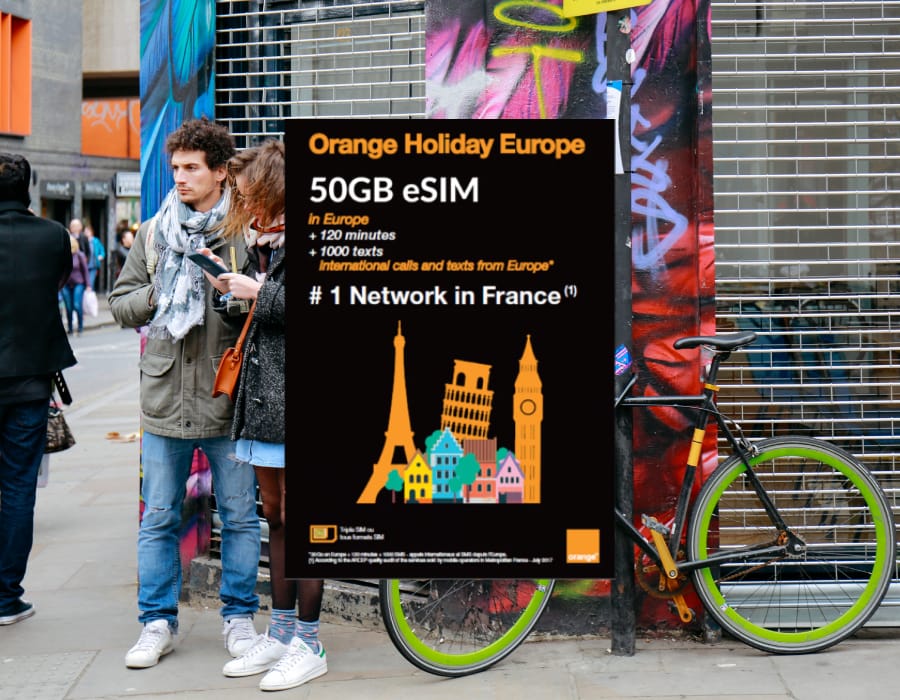
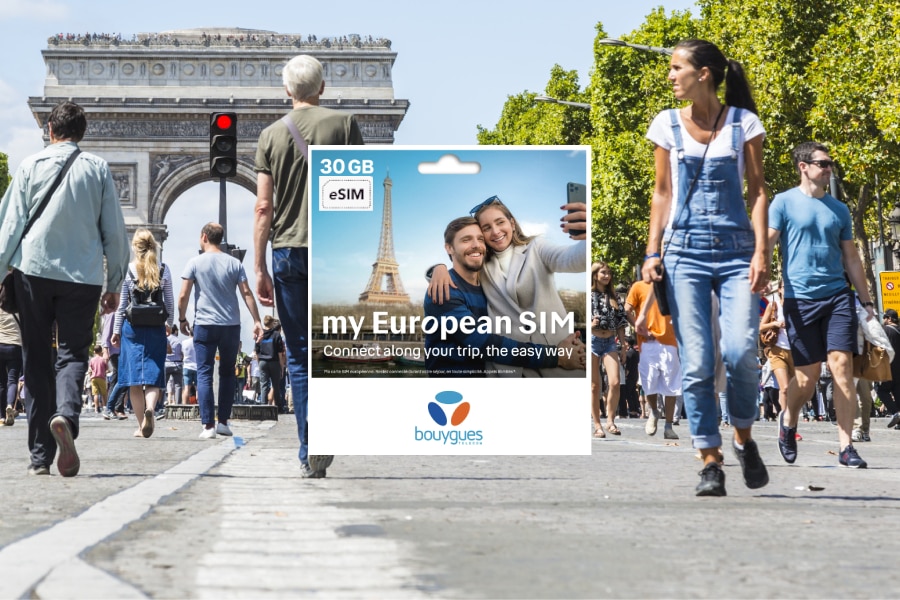
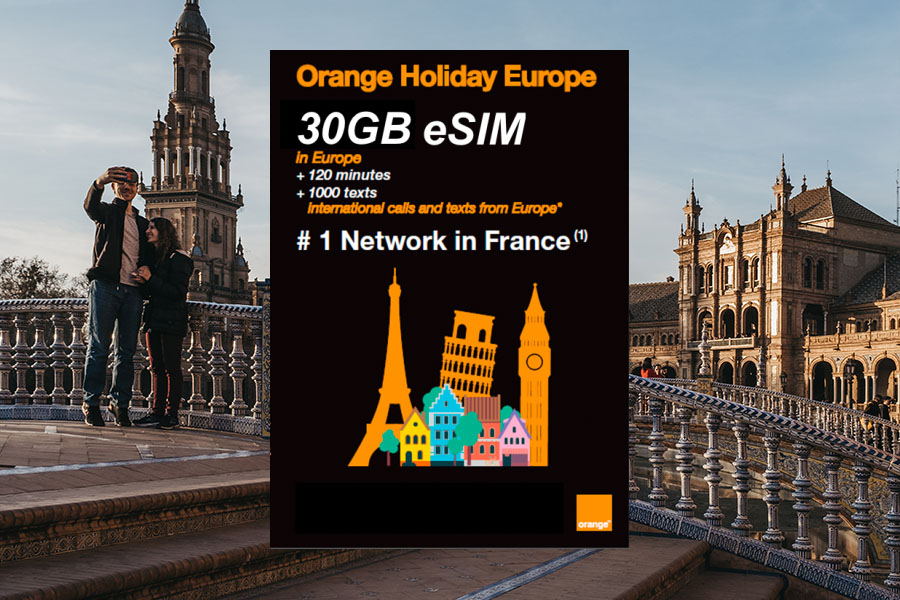
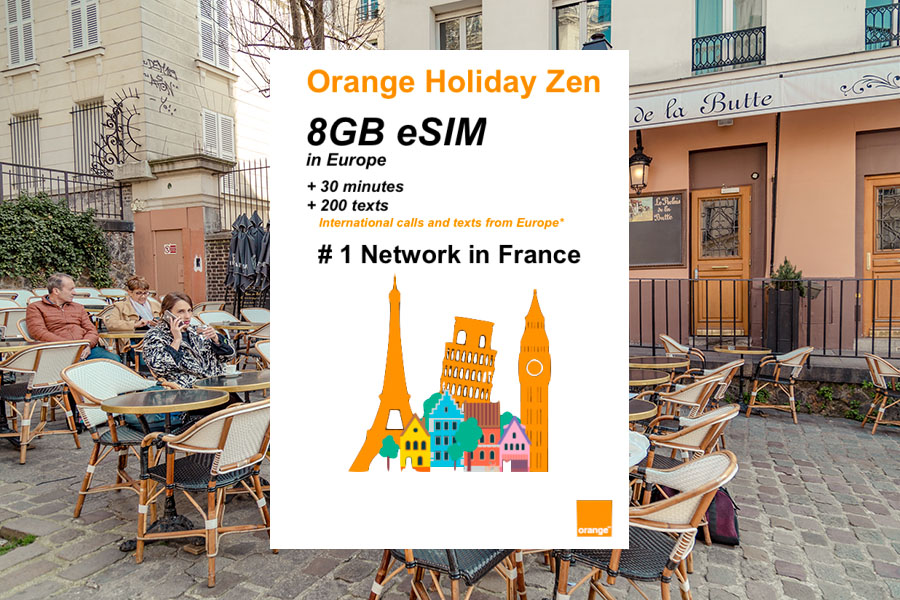
Conversely, established providers like SimOptions act as official retailers for major European infrastructure owners. Notable examples include the Orange Holiday Europe eSIM, which provides substantial data bundles—ranging from 30GB to 70GB over 14 to 28-day validity windows—alongside traditional voice calling minutes and text messaging services routed through an active French phone number. Similarly, Bouygues Telecom offers competitive European eSIM packages featuring generous data limits and comprehensive voice capabilities across the European Union.
Technical Benefits and Operational Mechanics
The advantages of utilizing an eSIM data plan extend far beyond simple cost savings. Because the technology is entirely digital, delivery is instantaneous via email QR codes, eliminating shipping costs and logistical delays. Travelers can purchase, download, and install profiles while at home, then complete activation upon landing abroad.
Furthermore, dual-SIM architecture allows users to maintain active connectivity on both their home network and their travel network simultaneously. This dual functionality is critical for receiving security alerts, banking notifications, and text message-based two-factor authentication protocols that require the primary domestic phone number to remain online.
Device Compatibility and Regional Nuances
While essentially all smartphones manufactured since 2019 or 2020 possess native eSIM capabilities, users must verify that their devices are network-unlocked. Many domestic carriers intentionally lock hardware via software restrictions until customer financing agreements are fulfilled or explicit unlocking requests are processed.
Travelers must also remain mindful of specific regional exceptions within Europe. Thanks to European Union regulations, mobile roaming fees have been legally outlawed across member states, meaning a data plan purchased in France will function seamlessly across Germany, Italy, Spain, and beyond. However, non-EU nations such as Switzerland and the United Kingdom occasionally fall outside standard roaming agreements depending on the specific carrier terms, requiring careful review of coverage maps prior to purchase.

Implementation Strategies for Optimal Connectivity
To maximize the efficiency of an international eSIM plan, industry experts recommend several best practices:

- Purchase and install the eSIM profile prior to departure while connected to stable home Wi-Fi.
- Avoid fully activating the data plan until arriving at the destination, as validity countdown timers typically begin immediately upon network connection.
- Utilize offline map applications, such as downloadable regional maps on Google Maps, to conserve valuable data during transit.
- Leverage messaging platforms like WhatsApp for voice calls and text communications, which operate entirely via data connections.
- Carry a reliable portable external battery charger, as continuous GPS navigation and cellular data usage significantly accelerate smartphone battery depletion.
Through careful preparation and the selection of an appropriate digital data package, international travelers can navigate Europe with the same seamless digital connectivity they enjoy at home, avoiding unexpected billing surprises while ensuring a safe and efficient journey.