Lake Windermere’s Sewage Crisis: Why England’s Crown Jewel Is Lagging Behind Europe in Wastewater Management

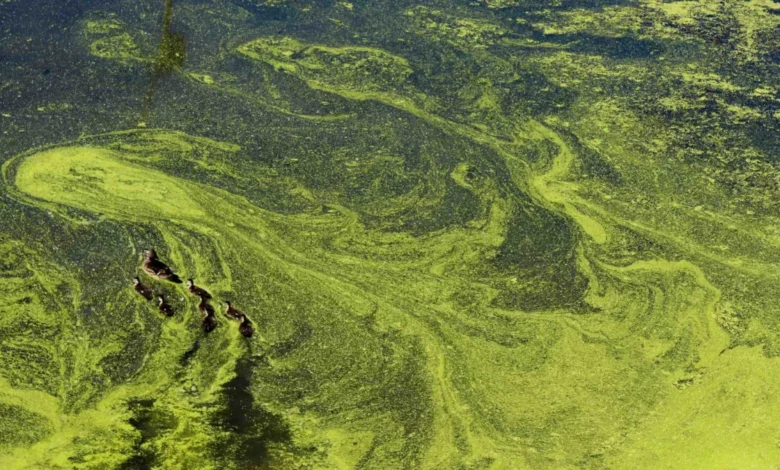
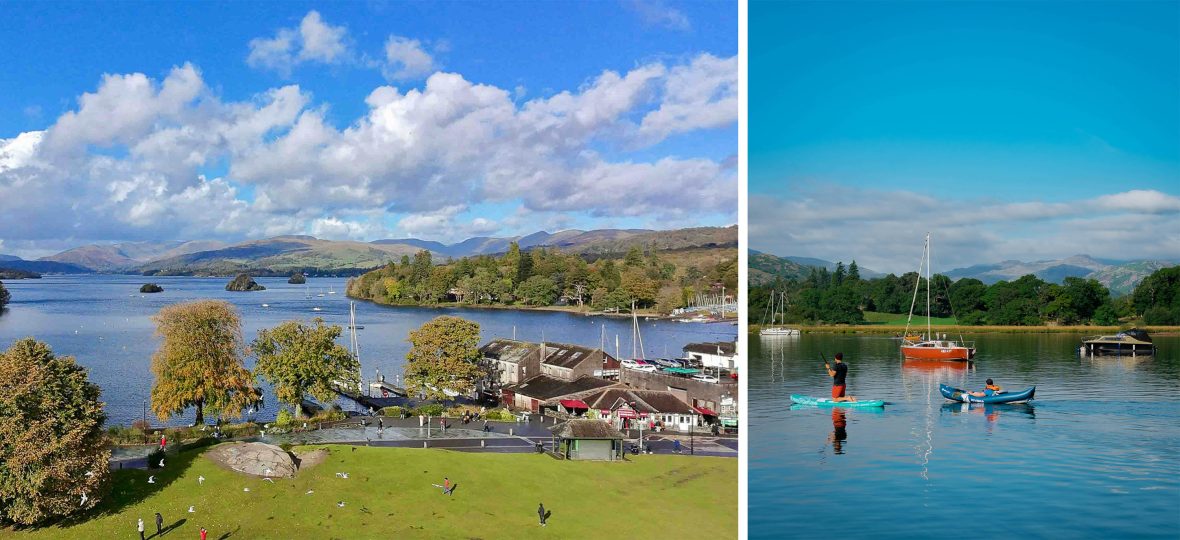
Lake Windermere, the largest natural lake in England and the crown jewel of the Lake District National Park, presents an idyllic picture of British natural beauty. Set against rolling fells and wooded slopes, the picturesque body of water draws millions of visitors annually for swimming, sailing, and kayaking. Yet beneath its deceptive, pristine surface lies a severe environmental and public health crisis. Years of chronic underinvestment in local wastewater infrastructure have transformed portions of the lake into a receptacle for treated sewage and raw runoff, triggering toxic algal blooms and exposing unsuspecting tourists to dangerous pathogens.
While Britain struggles to address systemic pollution across its prized waterways, international precedents—most notably Lake Annecy in the French Alps—demonstrate that comprehensive ecological restoration is entirely possible with sufficient political will and financial commitment.
The Scale of Contamination in the Lake District
The ecological degradation of Windermere is no longer a hidden secret, though it frequently comes as a shock to the millions of domestic and international visitors who flock to Cumbria each year. The perception of wholesome, clean nature is regularly shattered by reality. Last year, a seven-year-old child spent six weeks hospitalized with a severe E. coli infection contracted after kayaking on Windermere.
Scientific monitoring underscores the severity of the problem. Data compiled by the Big Windermere Survey—a joint initiative by the Freshwater Biological Association and Lancaster University that analyzed more than 1,000 samples over a two-and-a-half-year period—revealed alarmingly high concentrations of E. coli and intestinal enterococci during peak summer swimming months. Along vast stretches of the shoreline, bacterial levels registered as "Poor" under official bathing water standards, significantly increasing the risk of gastrointestinal and systemic illness for anyone accidentally swallowing the water.
This pollution is driven by a dual mechanism of routine discharges and extreme weather overflows. United Utilities, the private water and sewerage company operating across northwest England, routinely releases millions of liters of treated sewage—which still harbors residual bacteria—into the lake and its feeder rivers. Compounding this, heavy rainfall overwhelms the region’s combined sewer systems, triggering storm overflows that dump untreated human waste directly into the pristine aquatic ecosystem.

According to data from the UK’s Environment Agency, storm overflows across England spilled raw sewage 291,492 times during 2025 alone, accumulating an astonishing 1.87 million hours of discharge despite the year being unusually dry.
Eutrophication and Ecological Collapse
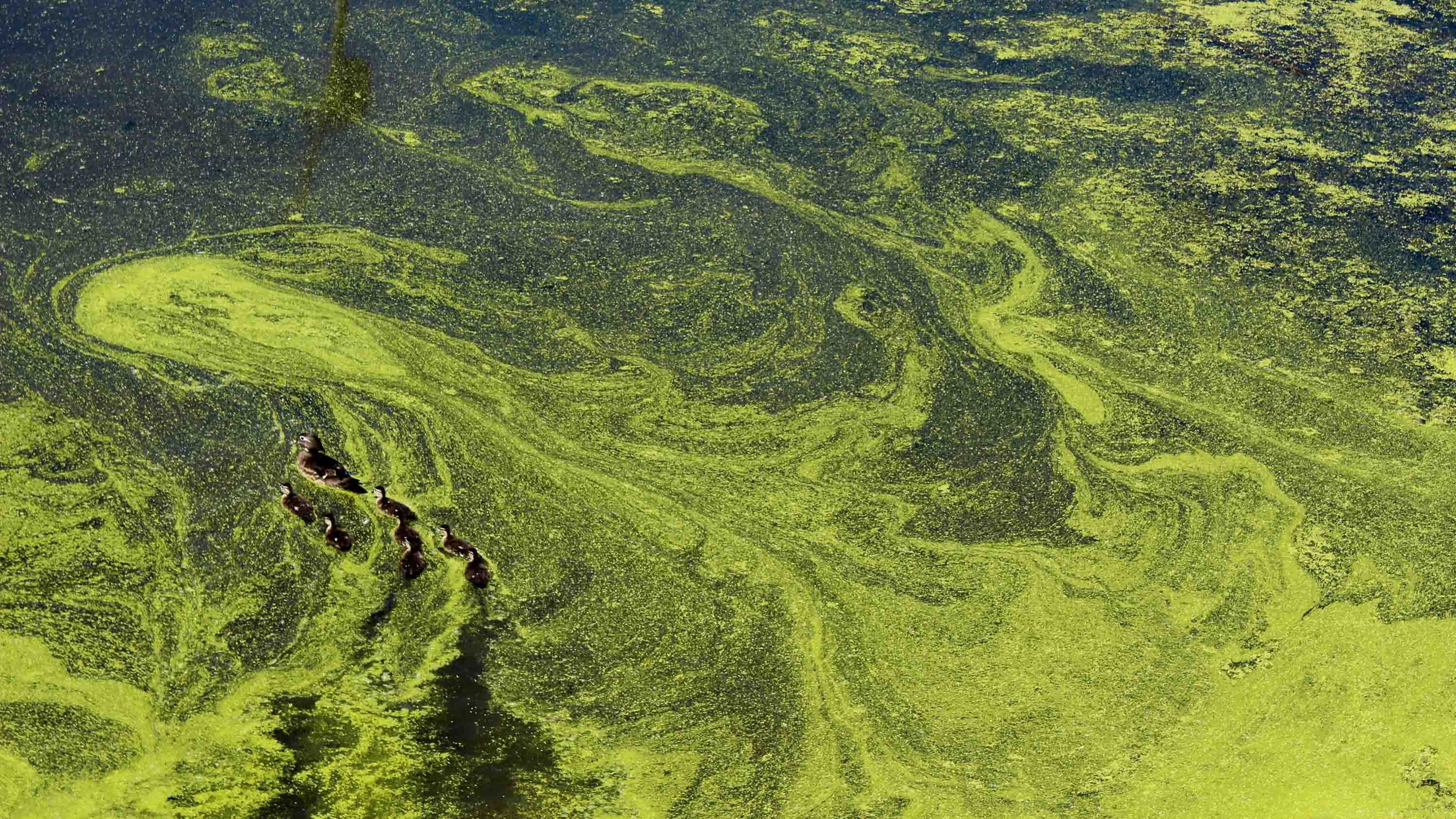
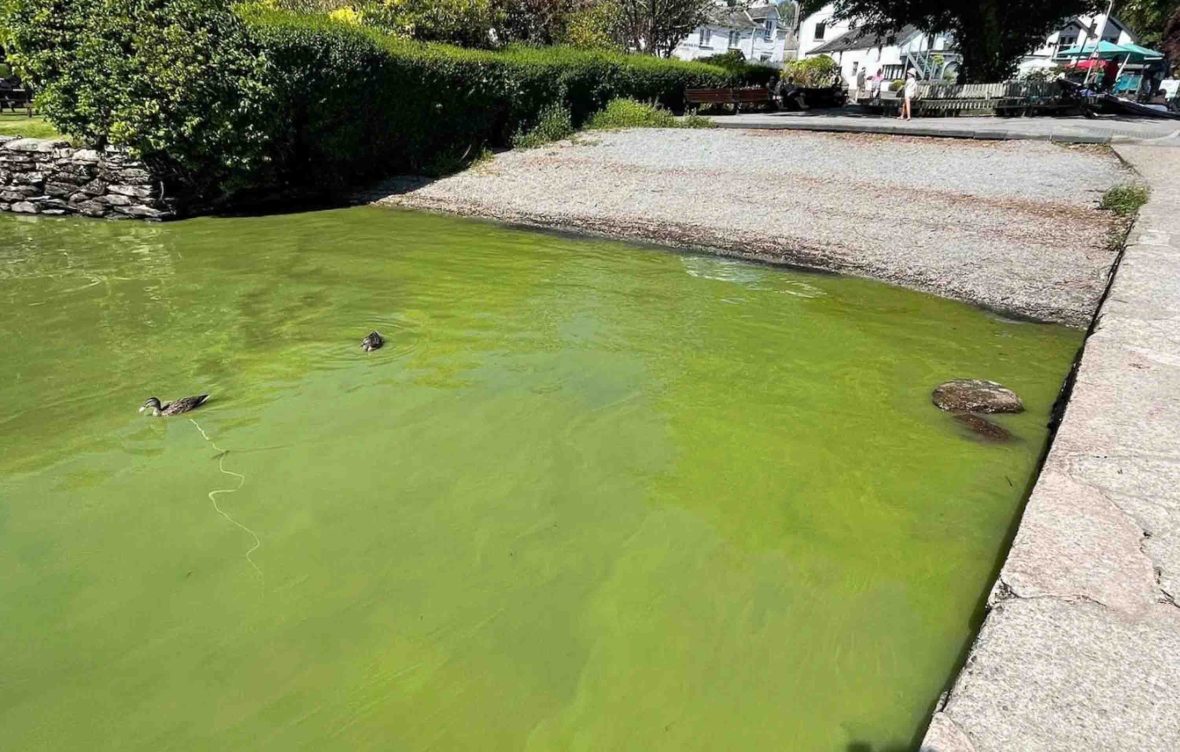
Beyond bacterial pathogens, the chronic influx of wastewater introduces high levels of phosphorus, a chemical element that acts as an aggressive fertilizer for aquatic plant life. Matt Staniek, a 25-year-old zoologist who founded the grassroots "Save Windermere" campaign, explains that Windermere is naturally a low-nutrient, oligotrophic lake where blue-green algal blooms should be exceedingly rare.
Today, however, these toxic blooms appear with alarming regularity. When dense mats of algae die and decompose, the process strips the water of dissolved oxygen, fundamentally altering the lake’s delicate food web and resulting in regular fish kills. Staniek notes that while Windermere is cherished as "the People’s Lake," he and many locals can no longer trust the water quality downstream of industrial and municipal sewage infrastructure.
The crisis facing Windermere is indicative of a broader malaise affecting British hydrology. Dr. Ben Surridge, an environmental scientist at Lancaster University, points out that rivers and lakes throughout the United Kingdom face identical vulnerabilities regarding outdated wastewater management networks.
The European Precedent: Lake Annecy
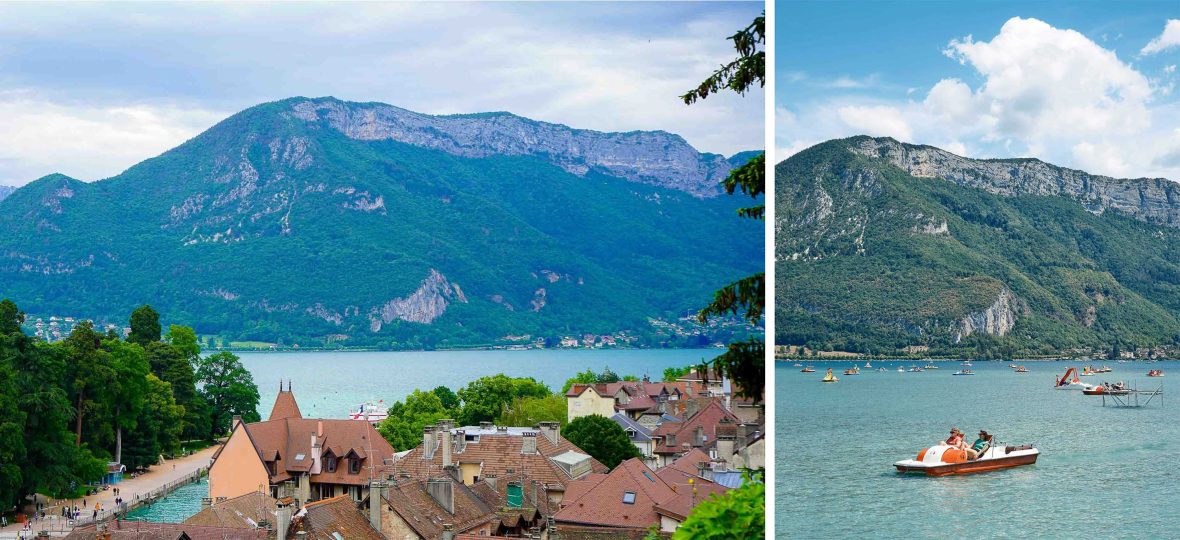
To understand how a heavily visited mountain lake can be preserved in pristine condition, environmental advocates frequently look to Lake Annecy in the French Alps. Annecy and Windermere share remarkably similar topographies: both are deep, glacially carved mountain lakes encircled by bustling communities, towns, and heavy tourism infrastructure. Yet Annecy is widely celebrated as one of the cleanest lakes in Europe, entirely free from the raw or treated sewage discharges that plague its English counterpart.
Annecy’s current status, however, is the result of decades of proactive intervention rather than inherent luck. During the 1950s, rapid urbanization around the French lake mirrored modern Windermere’s struggles. Municipalities piped raw sewage directly into the water, causing phosphorus levels to spike, water to turn an opaque green, and oil slicks to mar the surface. Prized native fish species, including Arctic char and whitefish, began disappearing, and floating toilet paper washed ashore. Local aquatic scientists warned that without immediate intervention, the lake would be biologically dead within twenty years.
The alarm was first sounded in 1943 by Dr. Paul-Louis Servettaz, a local physician and amateur diver who witnessed the ecological collapse firsthand. Following years of public pressure and community activism, Annecy’s mayor, Charles Bosson, spearheaded a visionary regional coalition in 1957. Eight neighboring municipalities agreed to pool resources for an ambitious infrastructure project: constructing a comprehensive ring of interceptor sewers designed to capture all wastewater from homes and businesses and divert it away from the lake entirely.
The financial burden was immense. By 1972, the estimated cost had tripled to 60 million francs, financed through a 40 percent contribution from the national government and local municipal bonds. Annecy itself agreed to shoulder nearly a third of the clean-up costs, despite not being the primary polluter, recognizing that its economic survival relied on clean drinking water and a picturesque landscape.
The first treatment plant opened in 1964, and the full interceptor network was completed by 1976. Treated wastewater was discharged downstream into the River Fier rather than the lake itself. While the visual debris vanished quickly, reversing decades of accumulated phosphorus took significantly longer; aquatic scientists note that complete ecological recovery required another one to two decades, with nutrient-laden sediments persisting on the lakebed well into the 2000s.
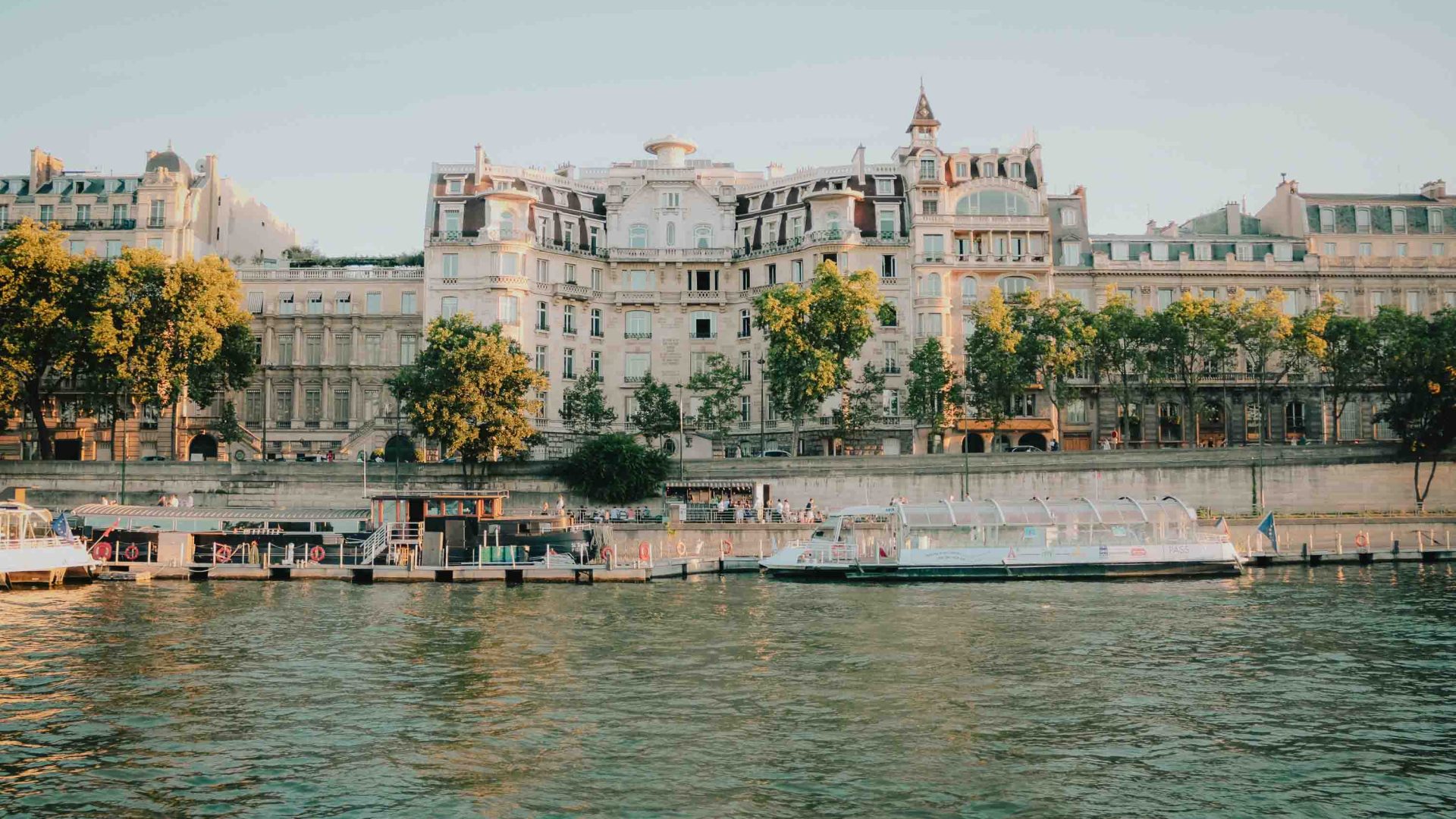
Similar transformations have unfolded elsewhere. In the United States, Seattle constructed more than 100 miles of interceptor sewers in the 1960s to rescue a severely polluted Lake Washington. More recently, Paris invested heavily in wastewater treatment and stormwater storage ahead of the Olympic Games, successfully opening public bathing sites along the historic River Seine for the first time in over a century.
Economic Stakes and the Path Forward for Windermere
The financial and social costs of inaction in the Lake District are severe. A 2021 assessment conducted by the Environment Agency and Cumbria Tourism projected that a continued decline in Windermere’s water quality could strip up to £122 million annually from the local tourism economy, threatening up to 2,304 regional jobs.
For the past five years, the Save Windermere campaign has applied immense public pressure on United Utilities to formulate a permanent solution. Initially, campaigners encountered fierce resistance and opacity from corporate stakeholders. However, sustained national advocacy eventually forced a shift in posture. In 2024, United Utilities published an exploratory feasibility study evaluating the complete removal of wastewater discharges from the lake basin.
The preliminary engineering blueprints outlined an unprecedented infrastructure overhaul. Estimated to cost between £3.5 billion and £6.4 billion, the proposal involves constructing 42 miles of new primary sewers and over 200 miles of secondary piping to connect private septic tanks. All collected wastewater would be redirected to an advanced treatment facility near Grange-over-Sands on the coast, situated roughly 15 miles south of the lake. From there, treated effluent would be piped 3.7 miles out into Morecambe Bay for open-sea discharge.
An updated engineering study scheduled for release later this month is expected to provide definitive cost projections and logistical frameworks. Nevertheless, substantial hurdles remain, including securing long-term funding, navigating complex planning permissions, and obtaining environmental regulatory approvals. Staniek estimates that once construction formally begins, eliminating all sewage discharges could take approximately seven years, though he cautions that bureaucratic inertia risks delaying the project by decades if political leaders fail to prioritize the investment.
The debate ultimately centers on political accountability and corporate responsibility. Reflecting on the decisive actions taken in France decades ago, advocates argue that cleaning up Britain’s natural landmarks is entirely feasible when society refuses to accept environmental degradation as inevitable. As the historical warnings from Lake Annecy’s conservationists suggest, modern communities inherit the ecological health of the landscapes they choose to protect—or neglect.