The Best Family-Friendly Hiking Trails in Sedona Arizona for Parents with Young Children

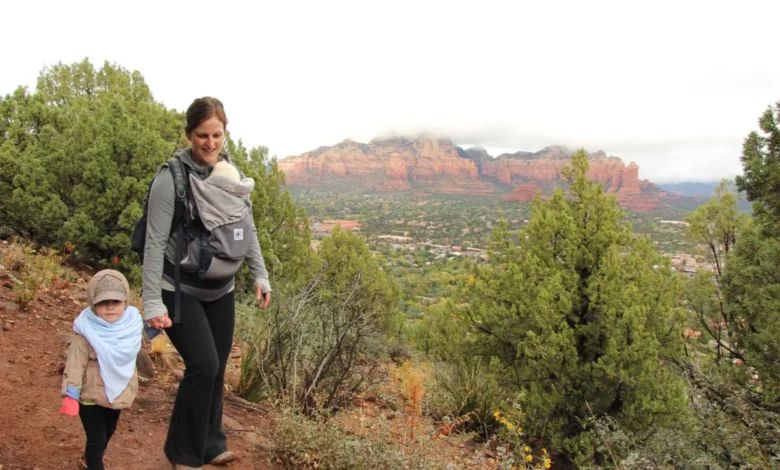
Sedona, Arizona, has long been recognized as a premier destination for outdoor enthusiasts, but its rugged red rock landscape is increasingly becoming a primary focus for family-oriented tourism. Recent travel data indicates a significant shift in visitor demographics toward younger families, with a marked increase in parents seeking manageable, high-scenery hiking experiences that accommodate infants and toddlers. While the region is home to over 400 miles of trails, the specific needs of families—namely accessibility, safety, and moderate exertion levels—have necessitated a curated approach to navigating the Coconino National Forest.

The Rise of Family-Centric Adventure Tourism
The surge in family travel to Sedona is largely attributed to the growing trend of "active parenting," where families prioritize outdoor engagement over traditional resort-style vacations. According to local tourism boards, the Red Rock Ranger District has seen a consistent uptick in foot traffic on trails identified as "low difficulty." This trend reflects a broader national movement toward nature-based early childhood development. Experts in family travel logistics note that Sedona’s unique geological formations, which provide natural shade and visual stimulation, offer an ideal environment for young children, provided that parents exercise proper planning regarding elevation, sun exposure, and trail terrain.

Navigating the Terrain: A Practical Guide for Parents
When planning a family hiking itinerary in Sedona, the distinction between stroller-friendly paths and those requiring baby carriers is critical. The geological composition of the region, characterized by loose red shale and uneven sandstone, often renders standard city strollers ineffective. Consequently, travel experts emphasize the necessity of high-clearance, all-terrain strollers or, more frequently, ergonomic baby carriers for the majority of the region’s most iconic routes.

1. The Bell Rock Pathway: A Stroller-Accessible Gateway
For families prioritizing convenience, the Bell Rock Pathway remains the industry standard for accessibility. Spanning approximately 2.7 miles (4.3 km) as a total out-and-back route, this trail offers some of the most consistent views of the iconic Bell Rock and Courthouse Butte formations. From a logistics standpoint, the trail is largely flat, with minimal elevation gain, making it suitable for parents using rugged strollers. However, visitors should be aware that the red gravel can be challenging for smaller wheels. The trail is situated along the Red Rock Scenic Byway, a federally designated All-American Road, which provides a high-quality visual experience even before the hike begins.

2. West Fork Trail: The Canyon Sanctuary
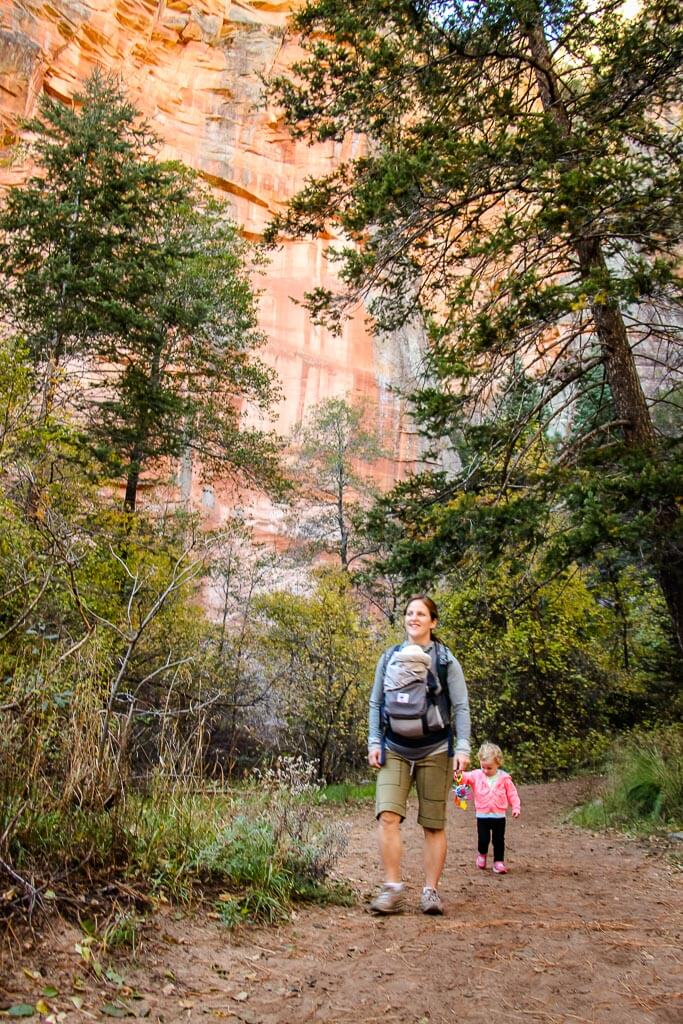
The West Fork Trail offers a distinct contrast to the open red rock vistas. Located within the canyon of Oak Creek, this route provides significant natural canopy cover, which is essential for temperature regulation during the intense Arizona summers. The trail requires multiple crossings of Oak Creek, often via stone-stepping methods. This technical aspect means the route is strictly for baby carriers rather than strollers. The dramatic canyon walls and lush riparian environment offer a different ecological perspective of the region, serving as a critical educational point for older children interested in geology and hydrology.

3. The Baldwin Trail: Views of Cathedral Rock
The Baldwin Trail offers a more intimate hiking experience near the Village of Oak Creek. This loop, approximately 2.7 miles in length, is favored by families for its sunset vistas of Cathedral Rock. Unlike the more crowded arterial paths, Baldwin provides a quieter experience while remaining relatively flat. It is important to note that the path features natural rock steps and sections of uneven terrain, necessitating a carrier. For families with extra time, the trail provides intermittent access to the shores of Oak Creek, allowing for a multifaceted afternoon of hiking and river exploration.

4. Fay Canyon: The Hidden Arch
Fay Canyon is often recommended as a low-density alternative to the high-traffic West Fork Trail. Its appeal lies in its relative simplicity and the presence of a natural stone arch. While the arch itself requires a short, steep climb—often deemed unsuitable for very small children—the main trail is wide, flat, and shielded by canyon walls. The trail’s design allows for a relaxed pace, and the frequent tree cover provides an essential buffer against ultraviolet radiation, a primary concern for pediatric health during high-noon excursions.

5. The Huckaby Trail: Proximity and Perspective
Located just minutes from the center of Sedona, the Huckaby Trail serves as an ideal "quick-access" hike. It offers sweeping views of the surrounding red rock skyline, though the trail itself is notoriously rocky and uneven. For parents, this translates to a mandatory reliance on carriers. While the trail offers some shade, it is less comprehensive than canyon-floor routes, and parents are advised to prioritize early morning or late afternoon windows for their departure.
6. The Airport View Trail: Panoramic Urban Vistas
For those seeking an experience that marries the town’s infrastructure with natural beauty, the Airport View Trail begins near the Sedona Airport. It provides an elevated perspective looking north over the town. Due to the high altitude of the airport mesa, the trail is exposed to the elements. While the path is short, it is narrow and rocky, making it a "carrier-only" hike. It serves as an excellent option for families who have limited time but wish to capture a wide-angle view of the region.

Data-Driven Planning and Safety Protocols
The successful integration of infants into a hiking routine requires more than just choosing a trail. Safety data from search-and-rescue teams in the Coconino National Forest highlights that the most common incidents involving families are related to heat exhaustion and dehydration.

Essential Preparedness Checklist:

- Digital Navigation: Cell service in the deep canyons is notoriously unreliable. The use of offline-capable mapping software, such as AllTrails, is strongly recommended by local authorities.
- Thermal Regulation: Arizona’s high desert climate features extreme temperature swings. Layers are essential, as are UV-protective clothing and high-SPF sunblock for children.
- Hydration Metrics: For infants and toddlers, standard water intake rules are amplified. Parents should ensure that both the carrier and the child have adequate hydration supplies, even for "short" 1-2 hour hikes.
- Sun Management: Many of the most popular trails lack significant shade. Planning hikes between 8:00 AM and 10:00 AM or after 4:00 PM is a standard recommendation to avoid the peak intensity of the sun.
Economic and Environmental Implications
The influx of families into the Sedona hiking circuit has prompted a shift in how the U.S. Forest Service manages these lands. Increased traffic has led to more rigorous maintenance of trails to prevent erosion and the implementation of timed-entry parking at high-traffic trailheads like Devil’s Bridge.

From an economic perspective, this shift has bolstered the local hospitality sector, with hotels increasingly offering "hiker-friendly" amenities such as gear rentals and laundry services for mud-caked items. However, the environmental impact of this usage is a subject of ongoing analysis. Conservationists emphasize the importance of the "Leave No Trace" principle, particularly as family groups often carry more supplies, which can lead to increased waste generation if not managed carefully.

Conclusion
Sedona’s transition into a top-tier family destination is supported by a diverse array of trails that cater to varying levels of physical capability. By selecting the correct route—whether it is the stroller-friendly Bell Rock Pathway or the shaded, canyon-based West Fork—parents can effectively engage their children in the region’s natural beauty. The key to a successful family trip lies in rigorous preparation, an understanding of the terrain’s limitations, and a commitment to the safety of the youngest hikers. As the region continues to grow in popularity, the balance between accessibility and preservation remains the primary challenge for both the tourism board and the visiting public.