The Alpine Blueprint: Why England’s Crown Jewel Lake Windermere is Drowning in Sewage While Europe Cleans Up Its Waters

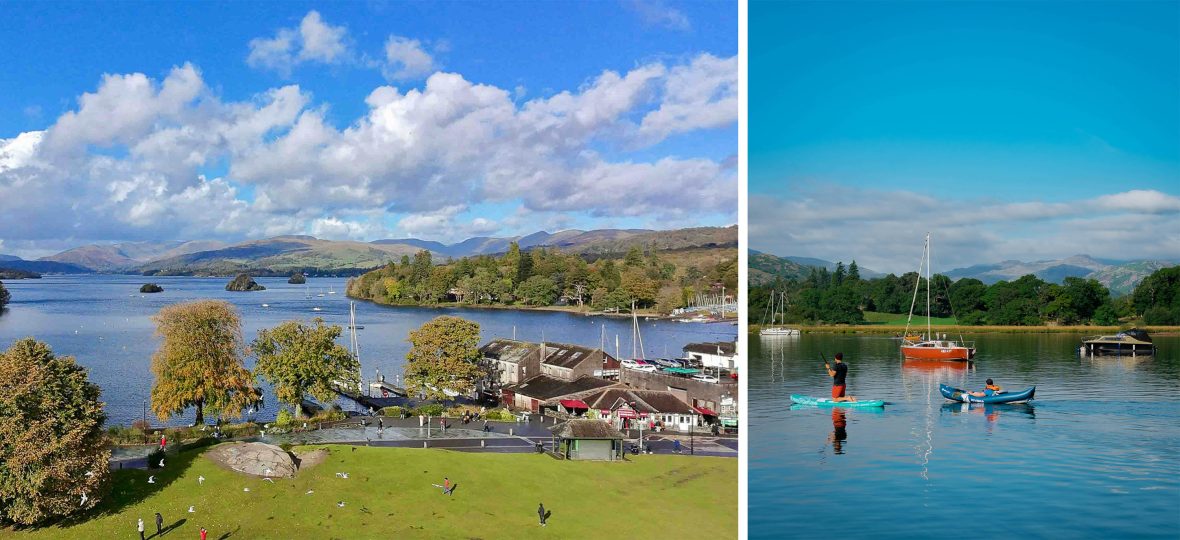
Nestled amidst the dramatic fells of the Lake District National Park, England’s largest expanse of fresh water, Lake Windermere, presents a deceptively picturesque facade. Every year, millions of visitors are drawn to its tranquil shores, wooded slopes, and glistening surface to swim, sail, and kayak. Yet beneath this idyllic surface lies an escalating ecological crisis: the crown jewel of the British countryside has effectively become a conduit for raw and treated sewage.
While domestic and international tourists continue to wade into its shallows, scientific data paints an alarming picture of bacterial contamination and nutrient overload. The stark contrast between the deteriorating health of Windermere and the pristine vitality of Europe’s successfully restored water bodies—such as France’s Lake Annecy—has ignited a fierce national debate over privatized water infrastructure, regulatory oversight, and the true cost of environmental neglect.
Anatomy of a Crisis: Bacteria, Nutrients, and Public Health
The illusion of purity was shattered for many families last year, including seven-year-old Rex Earley, who spent six weeks in a hospital bed battling a severe E. coli infection contracted after a kayaking excursion on Windermere. The launch site of his journey was situated mere yards from beaches routinely enjoyed by families and young children.
Water quality monitoring has consistently highlighted the hazards of utilizing the lake for recreation during peak summer months. A comprehensive two-and-a-half-year study—known as the Big Windermere Survey, conducted jointly by the Freshwater Biological Association and Lancaster University—analyzed over 1,000 samples. The findings revealed alarmingly high concentrations of Escherichia coli and intestinal enterococci across numerous shoreline locations, grading bathing water quality at levels deemed "Poor" by standard health metrics.
Beyond bacterial pathogens, the lake faces a severe threat from chemical nutrient loading. Matt Staniek, a zoologist and founder of the grassroots advocacy group Save Windermere, points out that the water body is naturally oligotrophic—meaning it inherently possesses low nutrient levels, rendering blue-green algal blooms exceptionally rare occurrences under normal conditions.
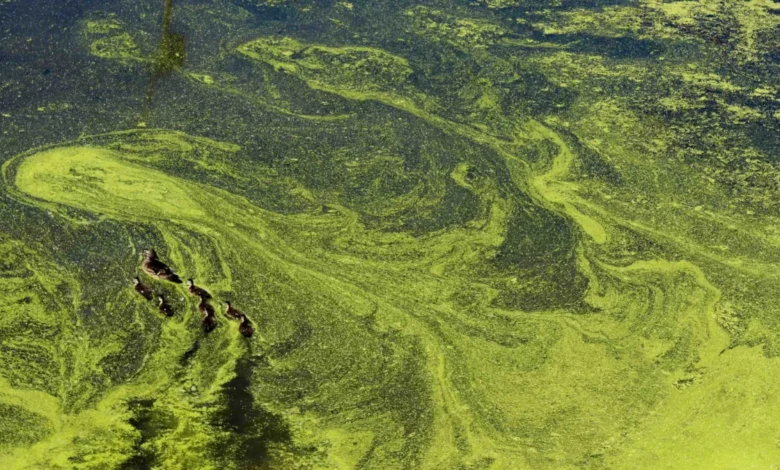
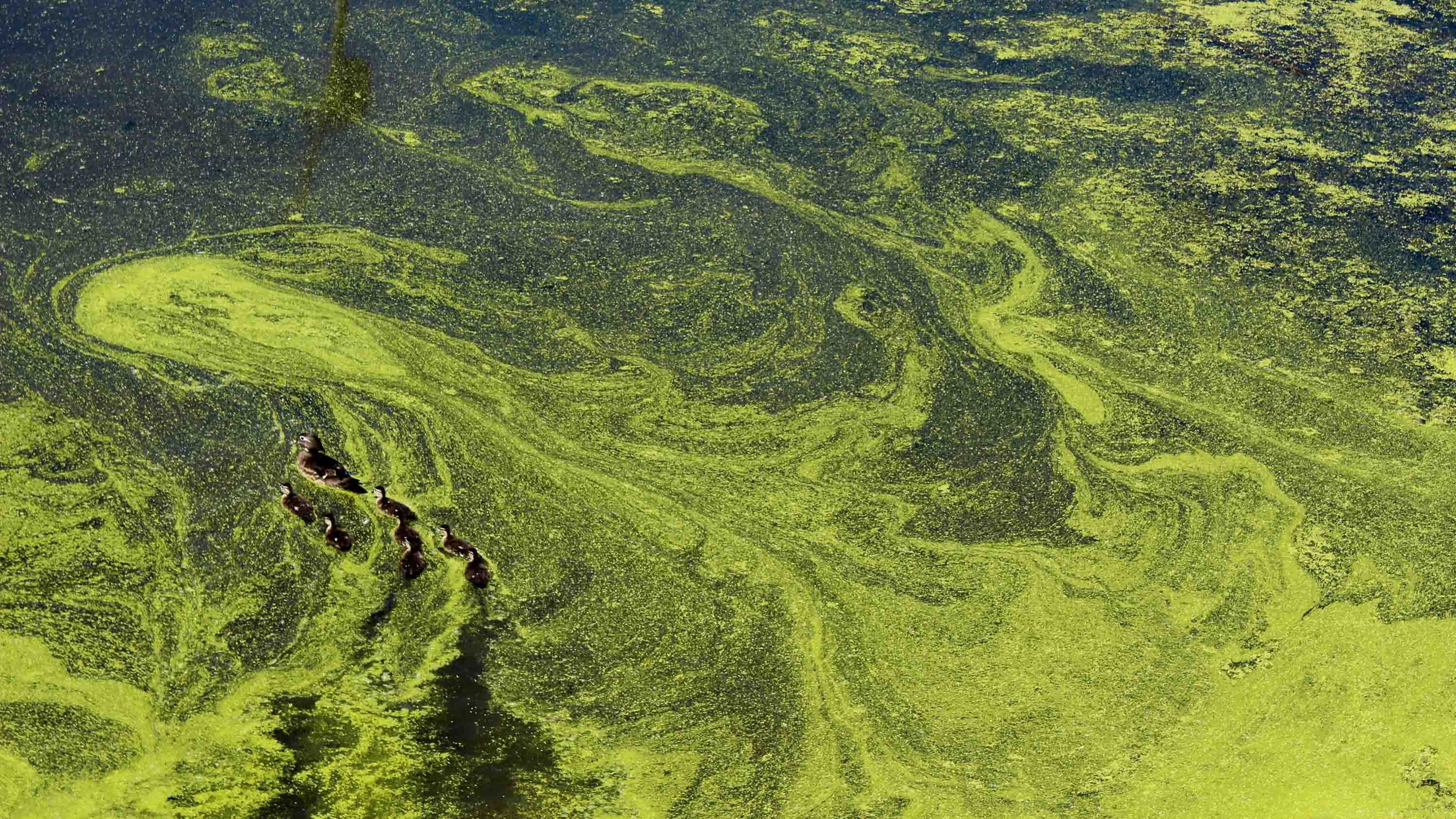
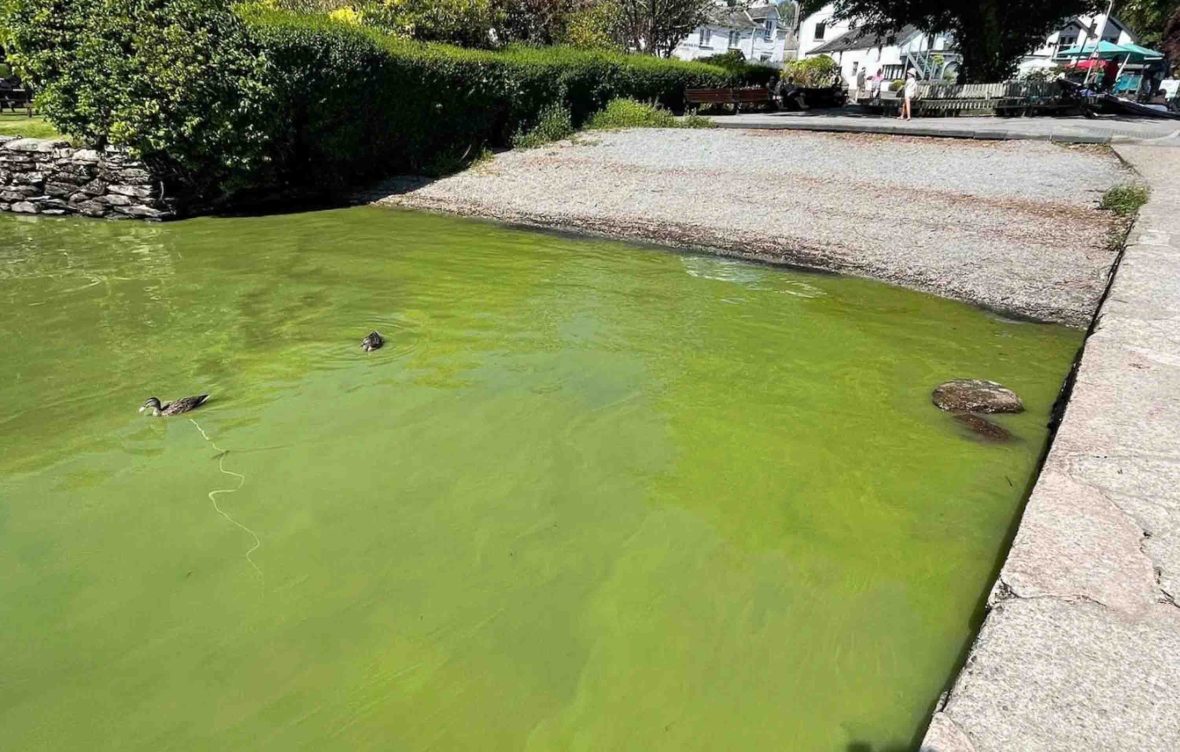
Today, however, these toxic blooms appear with alarming regularity. Driven by high concentrations of phosphorus—a byproduct of wastewater treatment that acts as a potent fertilizer—the blooms release harmful cyanotoxins. When these massive algal structures die and decompose, they strip the water column of dissolved oxygen, fundamentally altering the lake’s delicate ecology and resulting in widespread fish kills. Staniek notes that the cumulative impacts of decades of short-term mitigation strategies have left the ecosystem severely compromised, prompting him and many locals to completely avoid swimming downstream from regional wastewater infrastructure.

National Infrastructure Failures and Storm Overflows
The plight of Windermere is far from an isolated incident; it reflects systemic vulnerabilities embedded within the broader British water network. According to environmental scientists such as Dr. Ben Surridge of Lancaster University, lakes and river systems across England routinely struggle to cope with the combined pressures of aging municipal sewerage and modern weather extremes.
Despite an unusually dry year recently recorded, official data from the UK Environment Agency revealed that storm overflows spilled untreated sewage into English waterways nearly 291,500 times, accumulating roughly 1.87 million hours of discharge. These overflows are engineered to activate during heavy precipitation to prevent domestic systems from backing up, but structural capacity deficits mean that untreated effluent regularly combines with rainwater and flows directly into sensitive aquatic environments.
In the case of Windermere, millions of liters of treated sewage—which frequently retains residual bacterial loads including E. coli—are discharged directly into the lake and its feeder tributaries by United Utilities, the private water and sewerage utility serving the northwest of England. Although the utility operates under regulatory permits, local conservationists argue that legal compliance no longer aligns with ecological survival or public health standards.
Lessons from the Alps: The Lake Annecy Blueprint
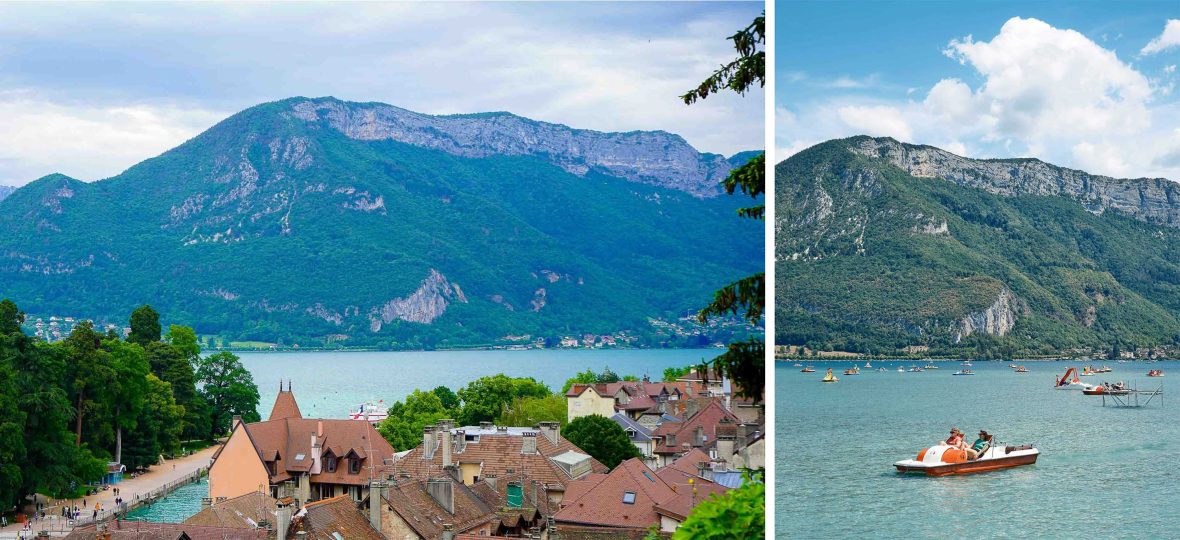
Frustrated by the persistent contamination of British waterways, environmental advocates and frustrated citizens increasingly look to continental Europe for viable models of ecological remediation. Chief among these success stories is Lake Annecy, situated in the French Alps and widely celebrated as one of the cleanest lakes in Europe.
Sharing striking topographical similarities with Windermere, Annecy is a mountain lake ringed by dense residential communities and bustling tourism hubs. Yet, unlike its British counterpart, Annecy remains entirely free of sewage discharges. Véronique Droux, general manager of the lakeside Hotel Les Trésoms, emphasizes that the exceptional water quality serves as the bedrock of the local economy. The immaculate image of the lake dictates its tourism appeal, creating a resilient economic engine that transcends seasonal fluctuations.
However, Annecy’s current pristine condition was not achieved by accident; it was the result of a deliberate, generational rescue mission launched in the mid-20th century. During the 1950s, rapid urbanization threatened to transform the Alpine lake into a stagnant, algae-choked basin. Sewage from surrounding towns poured directly into the water, triggering massive phosphorus spikes, oil slicks, and the disappearance of prized native fish species such as Arctic char and whitefish. Floating toilet paper and biological debris became common sights along the shoreline.
The Chronology of Remediation: From Warning to Restoration
The turnaround of Lake Annecy offers a vital historical blueprint for communities battling contemporary water pollution:
- 1943: Dr. Paul-Louis Servettaz, a local physician and avid diver, first raises the alarm after observing firsthand the rapid degradation of the lake’s underwater ecosystem, warning that inaction would render the body of water beyond saving within decades.
- 1957: Driven by relentless public pressure and civic advocacy, Annecy’s Mayor Charles Bosson unites eight neighboring municipal communities to form an inter-municipal syndicate dedicated to wastewater management.
- 1964: Construction of an ambitious interceptor sewer network begins, designed to encircle the lake, capture wastewater at the source, and divert it entirely away from the basin.
- 1976: The comprehensive regional sanitation network and advanced treatment facility are fully completed. Treated wastewater is systematically redirected downstream into the River Fier rather than returning to the lake.
- 1980s–2000s: Following the cessation of direct sewage inputs, visible pollution rapidly disappeared. However, nutrient scrubbing and the long-term stabilization of legacy phosphorus trapped in the lakebed required an additional two decades of natural and assisted recovery before the ecosystem fully rebounded.
International Precedents for Large-Scale Investment
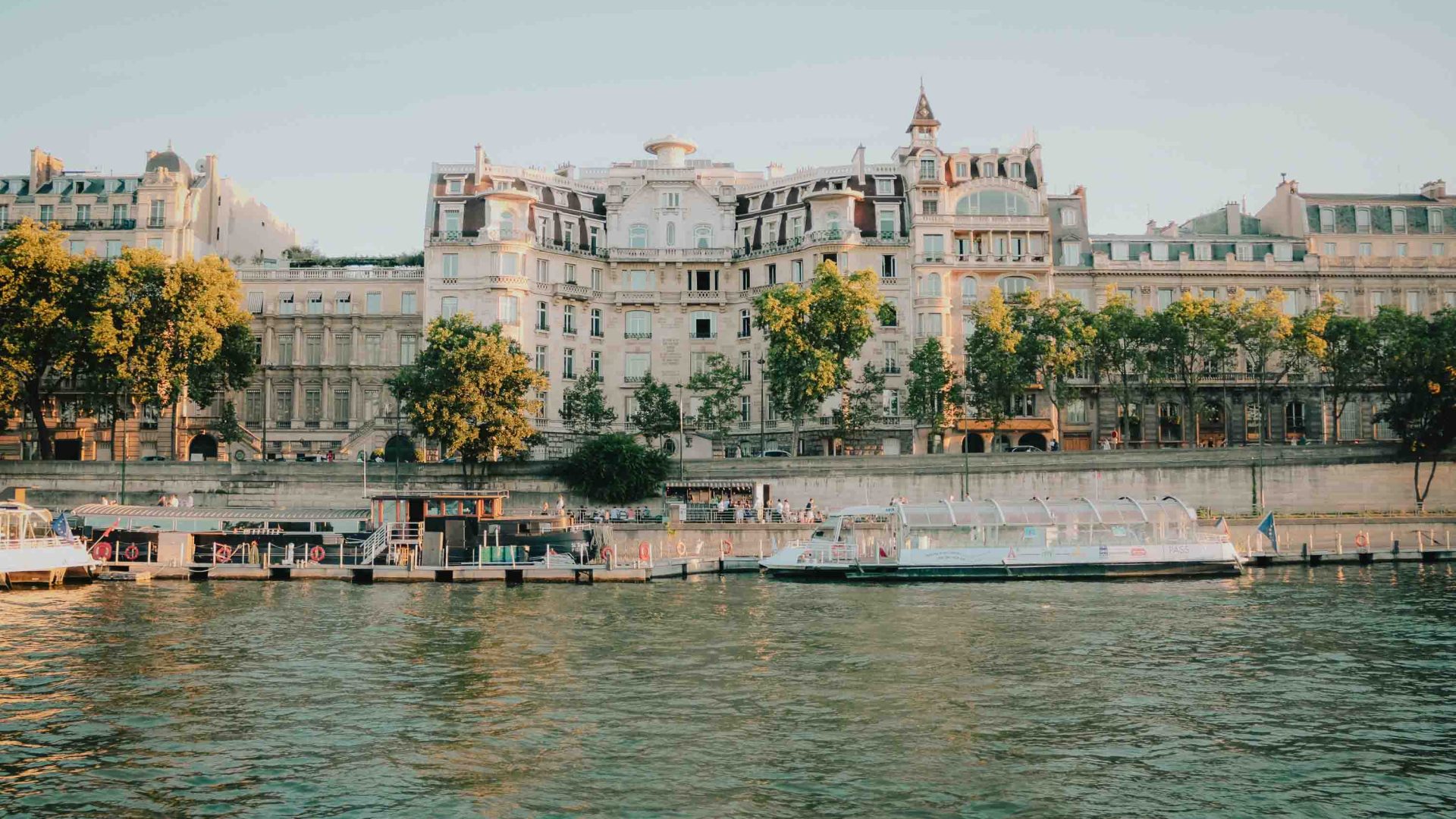
The successful transformation of Annecy is mirrored by other major international restoration projects. In North America, the city of Seattle confronted severe pollution in Lake Washington during the 1960s by constructing more than 100 miles of interceptor sewers to permanently divert wastewater around the basin. Similarly, in France, a massive multi-billion-euro investment ahead of the 2024 Olympic Games successfully rehabilitated the River Seine, introducing advanced stormwater retention basins and modernized treatment facilities that ultimately enabled the reopening of public bathing sites in Paris for the first time in over a century.
Economic Implications and the Cost of Inaction
The hesitation to enact comparable infrastructure overhauls in the UK carries profound financial risks. A comprehensive economic assessment conducted by the Environment Agency alongside Cumbria Tourism projected that a sustained deterioration of Windermere’s water quality could strip up to £122 million annually from the regional visitor economy, simultaneously placing more than 2,300 local jobs directly at risk.
For years, local campaigners faced institutional resistance. Matt Staniek recalls that initial attempts to engage United Utilities regarding discharge metrics were met with opacity and claims that fully decoupling wastewater from the lake was technically and financially unfeasible. However, sustained public pressure eventually forced a shift in corporate posture.
In response to nationwide scrutiny, United Utilities produced an initial feasibility study exploring the complete removal of wastewater discharges from the Windermere catchment. The preliminary scope outlined a massive engineering undertaking: constructing approximately 42 miles of new primary sewers, laying over 200 miles of supplementary connecting infrastructure for private septic networks, and routing all collected effluent toward a newly proposed centralized treatment plant near Grange-over-Sands. From there, treated water would be piped 3.7 miles out into Morecambe Bay for marine discharge.
Projected capital expenditure for these engineering works ranges between £3.5 billion and £6.4 billion. While upcoming engineering assessments will refine these estimates, the project’s realization remains contingent upon securing complex regulatory approvals, long-term government backing, and substantial capital funding.
The Path Forward: Political Will and Generational Responsibility
Proponents of the Windermere intervention argue that the technical hurdles are surmountable; the primary obstacle lies in mobilizing sufficient political will to mandate private and public investment. Staniek expresses frustration that safeguarding a globally significant natural landmark has fallen largely to grassroots activists rather than proactive regulatory bodies.
As regulatory authorities weigh the comprehensive engineering studies due later this year, the underlying message from historical precedents remains clear. Reflecting on the decades of skepticism faced by the pioneers of Lake Annecy, the foundational warning issued by Dr. Servettaz more than eighty years ago continues to resonate across European and British waters alike: communities ultimately inherit the condition of the ecosystems they choose to maintain.