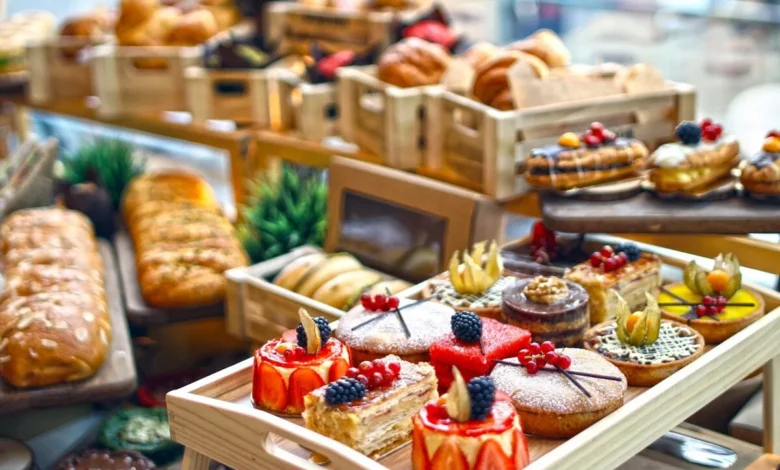
The cultural identity of Barcelona is woven into the architecture of its streets, the cadence of its Catalan language, and the enduring legacy of its historic food establishments. While the city is world-renowned for its avant-garde gastronomy, a quieter, more resilient history exists behind the glass counters of its century-old pastry shops. These institutions, some of which have operated for nearly two hundred years, represent a vital intersection of culinary tradition, family heritage, and urban evolution. Serving as both providers of daily sustenance and symbols of Catalan identity, these shops remain a testament to the city’s commitment to preserving artisanal craft amidst a rapidly modernizing global landscape.
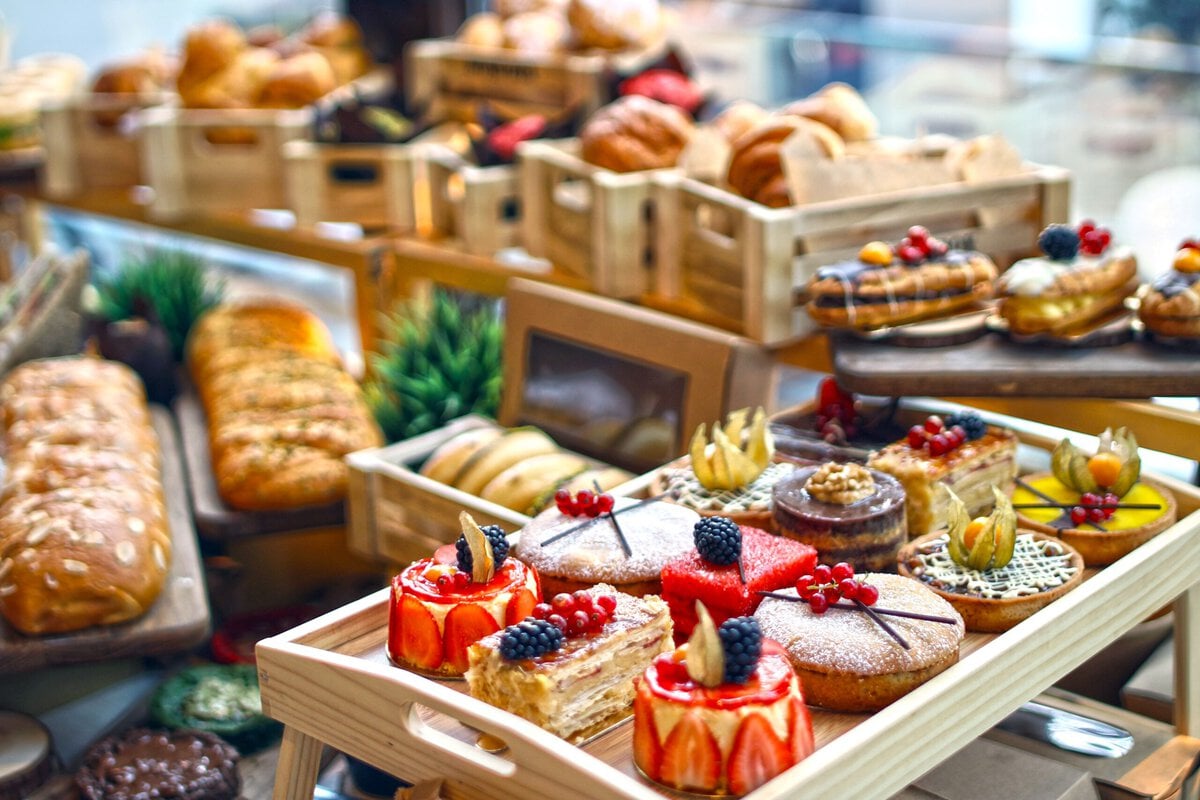
A Chronology of Sweet Traditions
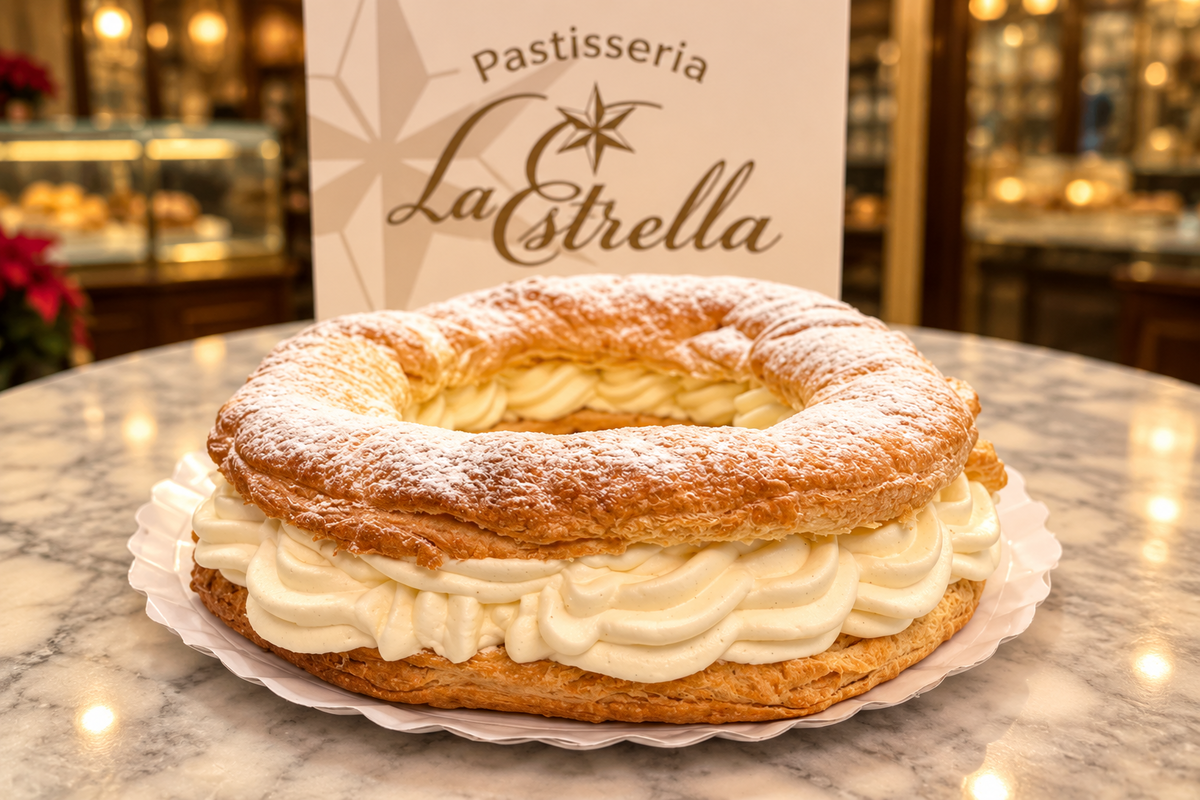
The history of Barcelona’s pastry scene is a study in generational continuity. The oldest surviving establishment, La Estrella, opened its doors in 1825, marking the beginning of a golden era for local confectionery. Over the following century, a succession of family-run bakeries established the standard for high-quality, handcrafted goods.
The timeline of these establishments reflects the city’s transformation:
- 1825: La Estrella is founded, marking the oldest current operation in the city.
- 1849: Rosendo Abella establishes the shop that would eventually become La Colmena.
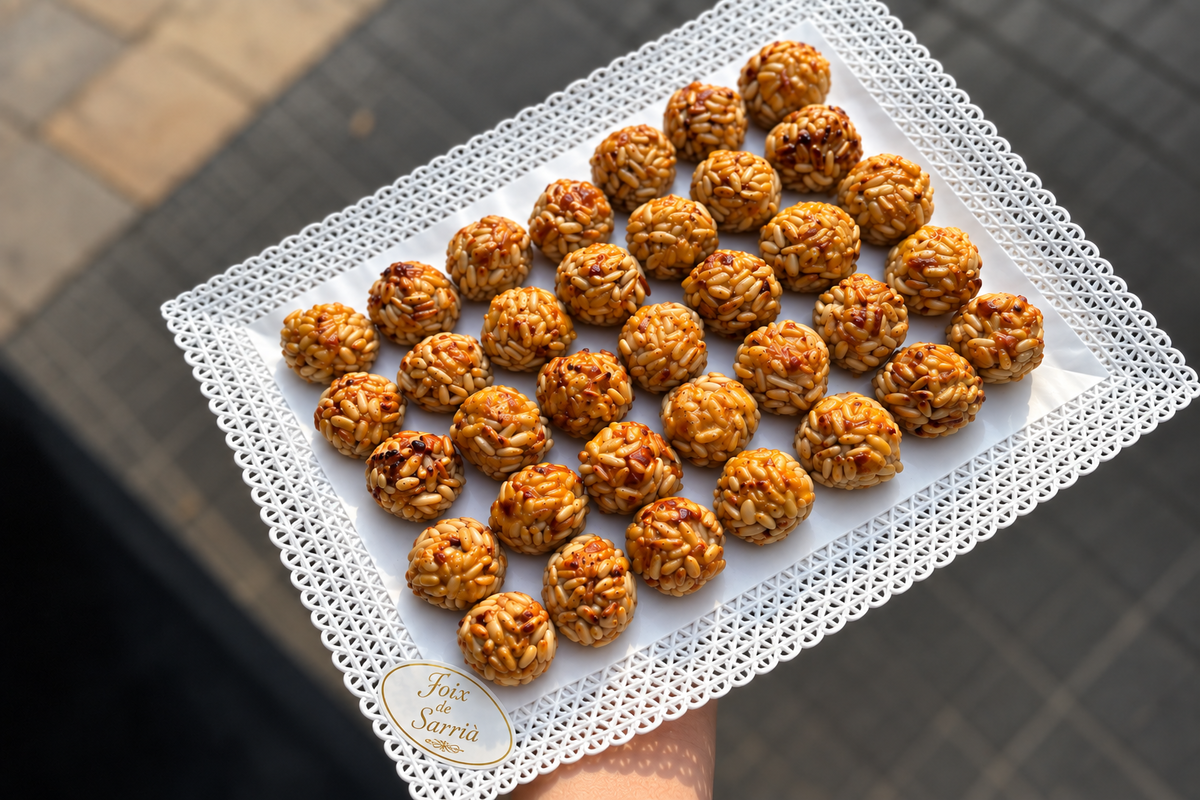
- 1886: Josep Foix Ribera opens the original Foix bakery in the then-independent village of Sarrià.
- 1894: The lineage behind Montserrat Forners begins its long-standing tenure in the baking trade.
- 1895: Casa Vives is established in the Sants neighborhood, cementing the role of family-based pastry production.
- 1906: Forn Serra is founded, later evolving into the renowned Escribà.
- 1929: Francesc Mauri establishes his namesake shop, marking a transition toward the café-pastry hybrid model.
The Evolution of the Artisan Model
These establishments have faced significant economic pressures, including the Spanish Civil War, the post-war scarcity, and the eventual rise of industrial food production. Their survival is largely attributed to a business model that balances tradition with adaptation. Many of these shops remain in the hands of the original founding families—some reaching their fourth or fifth generation—who have navigated the shift from neighborhood grocers to specialized, high-end pastry boutiques.
In cases where ownership has transitioned to new stewards, the commitment to original recipes and the preservation of historic interiors has been a non-negotiable stipulation. This has prevented the homogenization often seen in other major European cities. For instance, the "bolado"—a hard-boiled sweet crafted at La Colmena—is still produced according to a recipe that has remained unchanged for over a century, offering a tangible link to the 19th-century palate.
Innovation Within Tradition: The Escribà Case
While many shops prioritize the preservation of classic recipes, the Escribà brand represents a critical pivot toward innovation. Antoni Escribà, often referred to as the "magician of chocolate," transformed the traditional bakery into a site of artistic experimentation. By integrating the technical precision of modern pastry-making with the aesthetic flair of Catalan modernism, Escribà elevated the act of dessert-making to a performance art. Today, the company’s dual operations—at the original Gran Via location and the iconic Antiga Casa Figueras on La Rambla—serve as a prime example of how historic businesses can maintain relevance by embracing creative risk.
Socio-Economic Impact and Culinary Identity
These pastry shops provide more than just calories; they serve as informal community hubs. In neighborhoods like Sarrià, the presence of a shop like Foix acts as a cultural anchor. The integration of literature and history into the brand—symbolized by the bust of the poet J. V. Foix placed within the shop—demonstrates the deep connection between the city’s culinary scene and its intellectual heritage.
From an economic standpoint, these shops contribute significantly to the "gastronomic tourism" sector of Barcelona. By maintaining high-quality standards and protected traditional practices—such as the specific requirements for the production of the pa de pagès—these businesses ensure that local culinary techniques are not lost to mass-market industrialization. The awarding of protected geographical indication (IGP) status to products like the Catalan country loaf reinforces the value of these establishments as protectors of regional heritage.
Navigating the Landscape: A Strategic Guide for Visitors
For those looking to explore this historical circuit, the shops are geographically clustered, reflecting the historical growth of the city.
- The Old City (Ciutat Vella): La Colmena and La Estrella are easily accessible to those walking through the Gothic Quarter and the Raval. These locations offer the most "frozen in time" experience, characterized by classic wood counters and traditional displays.
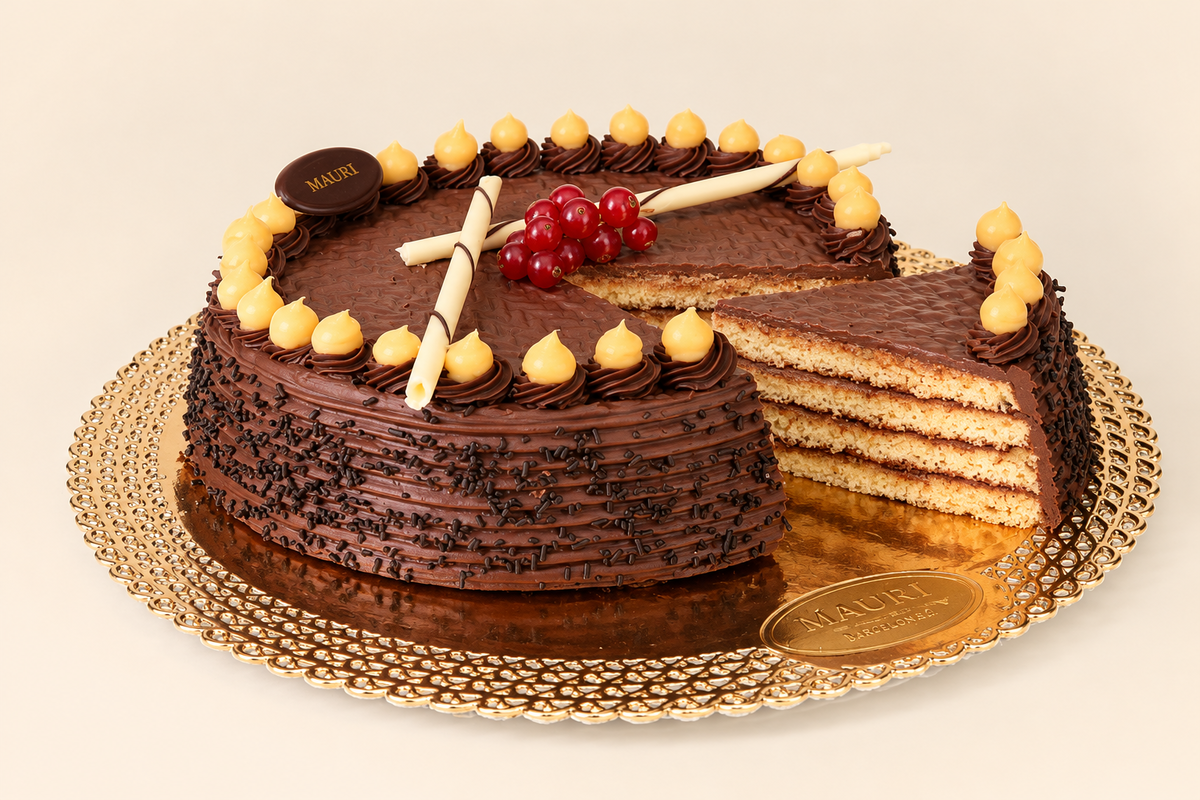
- The Eixample District: The area between Gran Via and Rambla de Catalunya houses a higher concentration of historic shops, including Escribà, Mauri, and the Eixample branch of Casa Vives. This district, known for its modernist architecture, provides a sophisticated backdrop for enjoying these historical delicacies.
- Peripheral Neighborhoods: Establishments like Foix (Sarrià) and Montserrat Forners (Guinardó) require a short commute via public transit. These shops provide a more authentic glimpse into the daily life of local residents, away from the heavy foot traffic of the city center.
Operational Realities and Modern Challenges
Prospective visitors must note that these establishments operate under traditional schedules, which often differ from the extended opening hours of modern chains. Many shops close on specific weekdays or observe limited hours on Sundays and public holidays. This is a direct consequence of their status as family-operated businesses that prioritize the well-being of their staff over continuous commercial availability.
Experts in local urban history suggest that the continued support of these shops is essential for the city’s "intangible heritage." Unlike monuments, which can be protected by legislation, the survival of a century-old bakery depends entirely on consistent consumer patronage and the ability of younger generations to maintain interest in the trade.
Conclusion: A Legacy Worth Preserving
Barcelona’s oldest pastry shops are more than simple retail locations; they are the living history of the city. Whether it is the sourdough techniques used at Montserrat Forners, the literary legacy of the Foix family, or the sheer longevity of La Estrella, these establishments provide a sensory map of the city’s evolution. As Barcelona continues to evolve as a global hub for tourism and design, these pastry shops stand as a reminder that the most enduring innovations are often those built upon a foundation of history, craft, and family pride. For the traveler, a visit to these locations is an opportunity to participate in a multi-generational tradition, one coffee and one pastry at a time.
Related posts: