Cohiba Talismán Joins the Linea Clásica as a Permanent Testament to Cuban Cigar Heritage

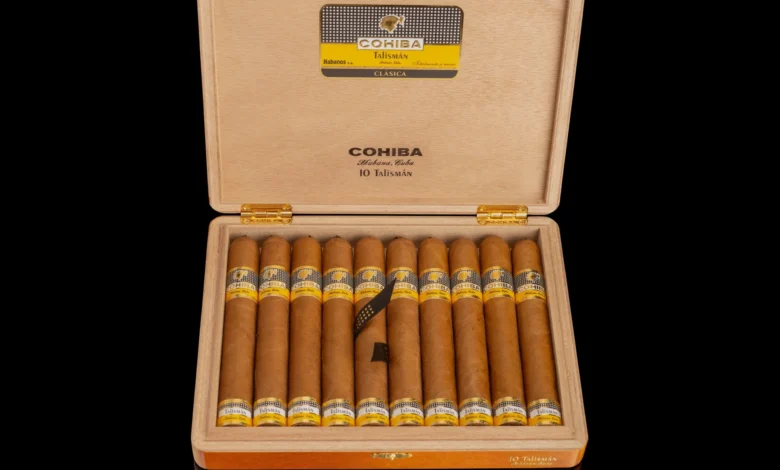
At 54 x 154mm, the new Cohiba Talismán is not exactly a discreet proposition. It is a bold, statuesque presence in the world of premium vitolas, and its official transition from an elusive, limited-run collector’s item to a permanent fixture within the prestigious Línea Clásica represents a significant strategic pivot for Habanos, S.A. As the global leader in premium cigars approaches its 60th anniversary, the reintroduction of the Talismán serves as both a celebration of its storied past and a calculated move to satisfy a demanding, modern market that prizes consistency alongside exclusivity.
The Evolution of the Talismán: A Chronology of Prestige
The journey of the Cohiba Talismán is a masterclass in brand positioning. The cigar first captured the attention of the global aficionado community in 2017 when it was unveiled in London as an Edición Limitada. At the time, the release was defined by its scarcity and the meticulous selection of tobacco that had undergone an extended period of aging. The success of the 2017 iteration was so profound that it necessitated a secondary release in 2019, which utilized tobacco from the same harvest as the original, ensuring a consistent sensory profile for those who had been unable to secure a box during its initial debut.
This latest development, marking the Talismán’s permanent integration into the Línea Clásica, signals a move away from the "limited edition" scarcity model and toward a broader, albeit still premium, availability. By anchoring this specific blend within the core collection, Habanos, S.A. is signaling that the profile of the Talismán is not merely a fleeting trend, but an essential component of the Cohiba identity.
Craftsmanship and the Vuelta Abajo Standard
Central to the allure of the Cohiba brand is its unwavering commitment to the Vuelta Abajo region of Cuba. Located in the Pinar del Río province, this region is widely considered to produce the finest tobacco leaves in the world, owing to its unique microclimate and soil composition. The Talismán is a product of this terroir, manufactured entirely by hand by master torcedores (cigar rollers).
José María López Inchaurbe, the development vice-president of Habanos, S.A., emphasizes that the human element remains the brand’s most critical asset. "From the selection and preparation of the tobacco to the skilled hands of the torcedores who shape each cigar, there is an extraordinary level of knowledge and precision involved," he states. "That craftsmanship is part of the product’s identity and is something that cannot simply be replicated by technology or industrial processes."
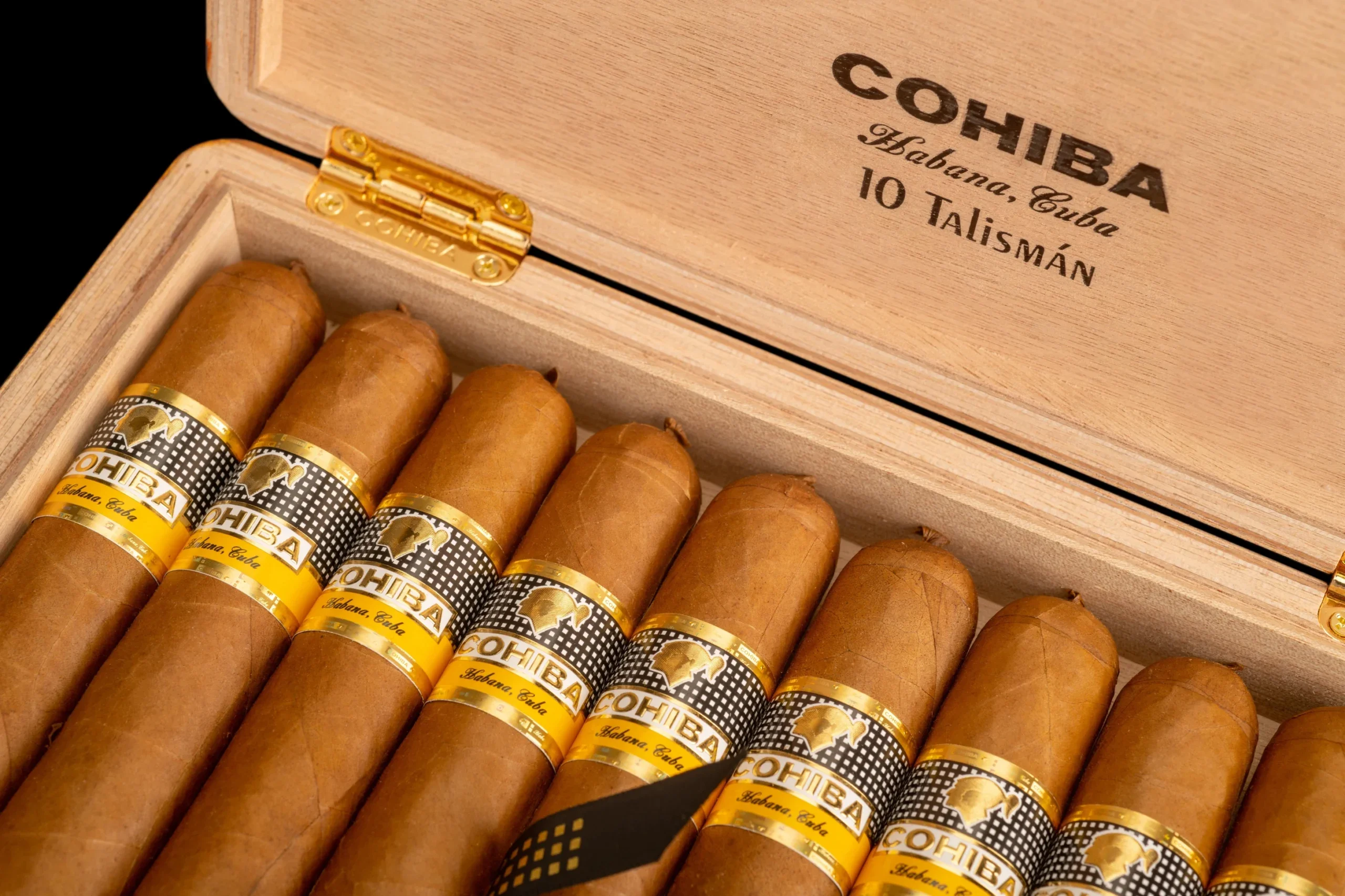
The production process for a cigar of this magnitude involves a rigorous sorting of the leaves. For Cohiba, this includes the signature "third fermentation" process, where the seco and ligero leaves are aged in barrels, a proprietary step that gives the brand its characteristic smoothness and complexity. The result is a cigar that demands a commitment of time, typically offering 60 to 90 minutes of smoking duration.
Sensory Profile and Smoking Characteristics
For the enthusiast, the Talismán offers a specific, layered experience. Upon ignition, the burn is characterized by a dense, consistent gray ash, a hallmark of high-quality construction. The flavor journey begins with prominent, straightforward woody notes—cedar and oak—which provide a grounded, familiar foundation. As the smoke progresses and the heat reaches the middle of the vitola, the profile shifts. Subtle, herbal undertones emerge, complicating the palate and transitioning the strength from a mild-medium intensity to a solid, definitive medium-full.
This progression is designed to maintain the smoker’s interest throughout the hour-plus duration, preventing the "boredom" that can sometimes occur with longer, less dynamic cigars. It is a profile that appeals to the experienced palate, capable of identifying the nuance between the initial woody base and the subsequent herbal, earthy developments.
Economic Implications and Market Strategy
The pricing structure of the Talismán—approximately £600 (roughly $791) for a box of three, or £1,450 (roughly $1,913) for a box of ten—positions it firmly within the luxury goods sector. This pricing reflects not only the cost of the premium leaf but also the scarcity of the skilled labor required to produce it.
The launch follows a series of strategic expansions for the Cohiba brand. In October 2024, the brand introduced the Cohiba Vistosos, a 53 x 145mm cigar released at the TFWA World Exhibition in Cannes, aimed at the high-end travel retail market. This was followed by the April 2025 launch of the Habanos Cohiba Ámbar in the Canadian market. These releases indicate a broader trend: Cohiba is diversifying its portfolio to ensure that it has a presence in both the duty-free/travel sector and the established domestic market, ensuring that the brand remains visible as it nears its seventh decade of operation.
Balancing Heritage with Modern Expectations
As Habanos, S.A. looks toward the upcoming 60th anniversary, the leadership is acutely aware of the delicate balance required to maintain brand equity. "We are very conscious that Cohiba has a responsibility to protect its heritage while continuing to surprise and inspire," says López Inchaurbe.
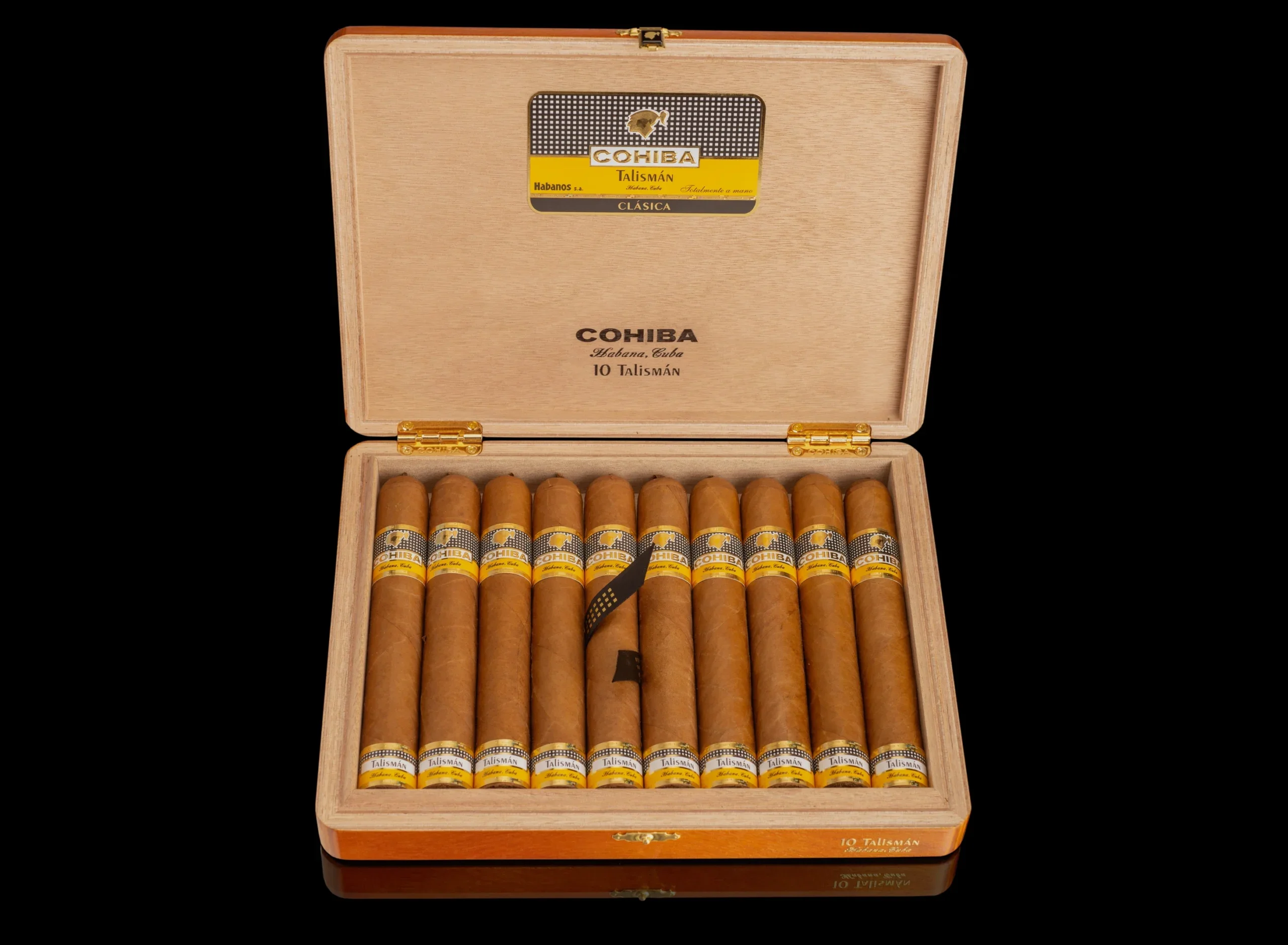
This "balance" is the central challenge for any heritage luxury brand. If the brand remains too static, it risks irrelevance in the eyes of a new generation of consumers; if it changes too rapidly, it risks alienating the long-term devotees who value the brand for its historical consistency. By bringing the Talismán into the permanent rotation, Habanos is essentially declaring that the brand’s future is best served by honoring its most successful past iterations.
The implications for the broader cigar market are clear: as demand for premium, handcrafted tobacco continues to outpace supply, the value of established names like Cohiba will likely continue to climb. Investors and collectors often view these permanent, high-end releases as stable assets, particularly when they are backed by the stringent quality controls of the Vuelta Abajo production cycle.
Future Outlook and Industry Trajectory
Looking ahead, the industry remains in a state of watchful anticipation. While the Talismán is a major addition to the portfolio, it is clearly not the final word in Cohiba’s growth strategy. With the 60th anniversary on the horizon, industry analysts suggest that further commemorative releases, potentially focusing on rare leaf vintages or limited-edition packaging, are highly probable.
For the individual smoker, the Talismán represents the pinnacle of the Cohiba philosophy: a marriage of traditional, labor-intensive manufacturing with a flavor profile that is both robust and refined. As the cigar moves from the limited-edition shelves to the standard catalog, it invites a wider audience to engage with a piece of Cuban cigar history that has been carefully cultivated, aged, and rolled to satisfy the highest standards of excellence. Whether as an occasional indulgence or a centerpiece for a collection, the Talismán stands as a testament to the enduring power of the Cohiba brand in an increasingly automated and industrialized world.
As the company continues to navigate the complexities of international trade, agricultural challenges, and changing consumer preferences, one thing remains certain: the focus will remain on the leaf. From the fields of the Vuelta Abajo to the hands of the master rollers, the process of creating a Talismán is a slow, methodical, and profoundly human endeavor—a reminder that in the world of luxury, some things are simply not meant to be rushed. With the promise that "there is much more still to come," Habanos, S.A. has signaled that the next chapter of Cohiba’s history will be as carefully measured and as deeply satisfying as the smoke of the Talismán itself.