Holafly Expands Global Connectivity with Subscription-Based eSIM Service Tailored for Digital Nomads

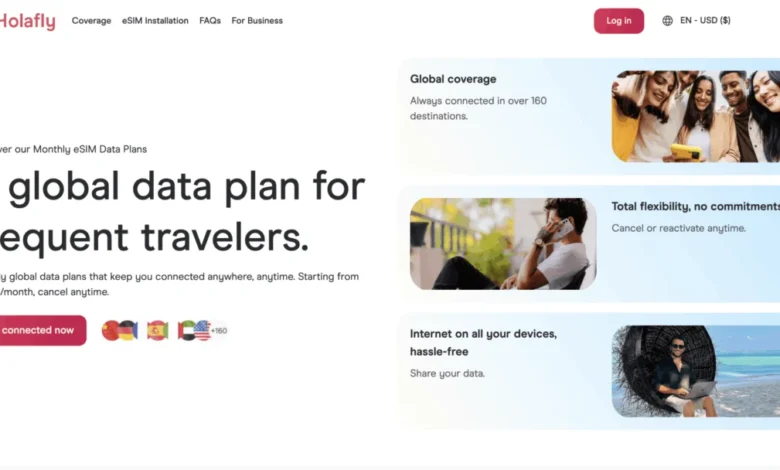
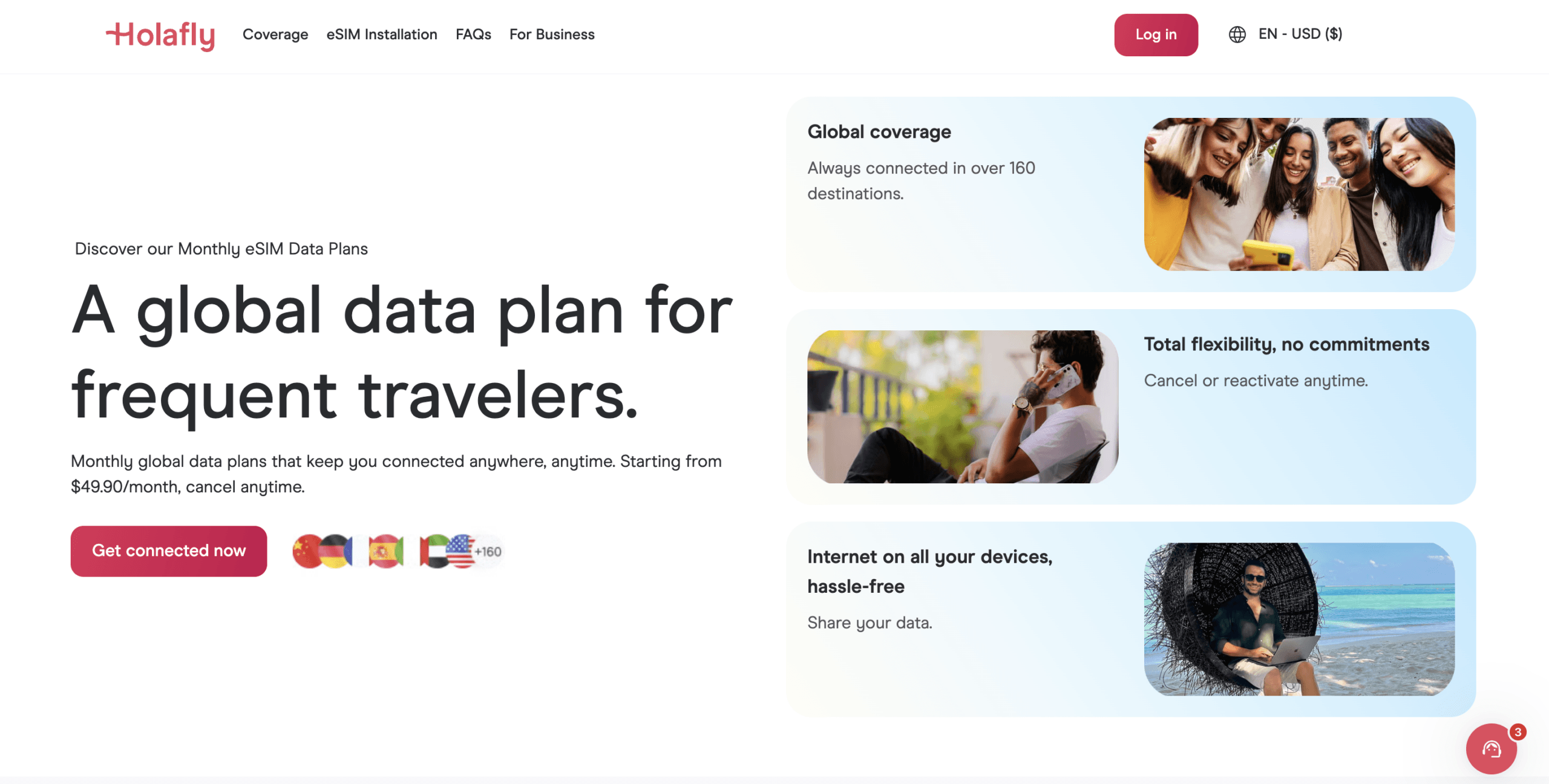
The landscape of international telecommunications is undergoing a significant shift as travel technology companies introduce subscription-based models designed to replace traditional roaming arrangements and single-trip digital SIM cards. Among the latest developments in this sector is the introduction of Holafly Plans, an ongoing global subscription service covering more than 160 destinations through a single embedded subscriber identity module (eSIM). The product aims to address long-standing consumer pain points associated with overseas data connectivity, offering an alternative to traditional domestic carrier roaming fees and the necessity of purchasing separate regional digital SIM cards for every international itinerary.
Background and Evolution of eSIM Technology
To understand the market significance of this new product, it is necessary to examine the evolution of mobile connectivity for international travelers. For decades, staying connected abroad required navigating physical plastic SIM cards, exposing consumers to expensive carrier roaming fees, or purchasing localized prepaid SIM cards upon arrival at a foreign airport. The introduction of eSIM technology—a digital SIM embedded directly into a smartphone’s hardware—eliminated the need for physical card swaps. Users could instead activate mobile profiles remotely via QR codes or software applications.
While early generations of eSIMs largely replicated the single-use nature of physical travel cards—requiring users to purchase targeted packages for specific countries or timeframes—the technology has matured rapidly. Modern smartphones now allow multiple eSIM profiles to be stored simultaneously, enabling users to maintain a domestic number while operating an international data plan in the background. Despite these advancements, frequent travelers and digital nomads continued to face administrative friction, frequently needing to purchase new packages, generate new QR codes, or reconfigure network settings every time they crossed an international border. Holafly Plans was developed to remove these operational steps by establishing a continuous, multi-country subscription framework.
Product Architecture and Tiered Offerings

Holafly Plans operates as a persistent global subscription rather than a localized, time-bound package. Upon initial installation, the digital profile remains active across a network spanning over 160 countries, automatically re-establishing local cellular connections upon arrival at a new destination without requiring manual intervention from the user.
The service is structured into two primary tiers—Light and Unlimited—available on monthly, quarterly, or annual billing cycles. The Unlimited tier provides unmetered data usage alongside an unthrottled personal hotspot capability, enabling subscribers to tether laptops and other hardware while traveling. Additionally, this tier incorporates a local phone number originating from the United States, the United Kingdom, or Canada, facilitating the reception of standard SMS messages.
Conversely, the Light tier allocates a structured data allowance of 25 gigabytes per month while maintaining hotspot capabilities and the same 160-destination coverage map. Both tiers incorporate an "Always On" feature, which provides a baseline backup allocation of one gigabyte of data per month even if the primary subscription is subsequently terminated. Pricing models scale depending on the commitment duration, with quarterly and annual billing cycles offering proportional cost reductions compared to month-to-month commitments.
Comparative Analysis with Traditional Carrier Roaming
The introduction of continuous international subscription models reflects intensifying competition within the global travel connectivity market, where consumers have historically faced prohibitive costs. Major telecommunications providers in North America and Europe have traditionally offered international roaming passes priced between $10 and $15 per day, which can easily accumulate to hundreds of dollars per month for long-term travelers. Furthermore, these carrier passes frequently incorporate restrictive data caps, after which connection speeds are significantly throttled.
In contrast, specialized eSIM providers have driven market rates down significantly. While traditional single-destination eSIMs remain a cost-effective solution for short vacations lasting one to two weeks, long-term travelers often find their overall expenditure mounting due to repeated purchases. A continuous subscription model like Holafly Plans targets this demographic by offering predictable, lower-cost monthly pricing—averaging between $55 and $65 depending on the billing term—thereby undercutting legacy carrier international packages while providing greater data volumes.
Market Implications and Target Demographics
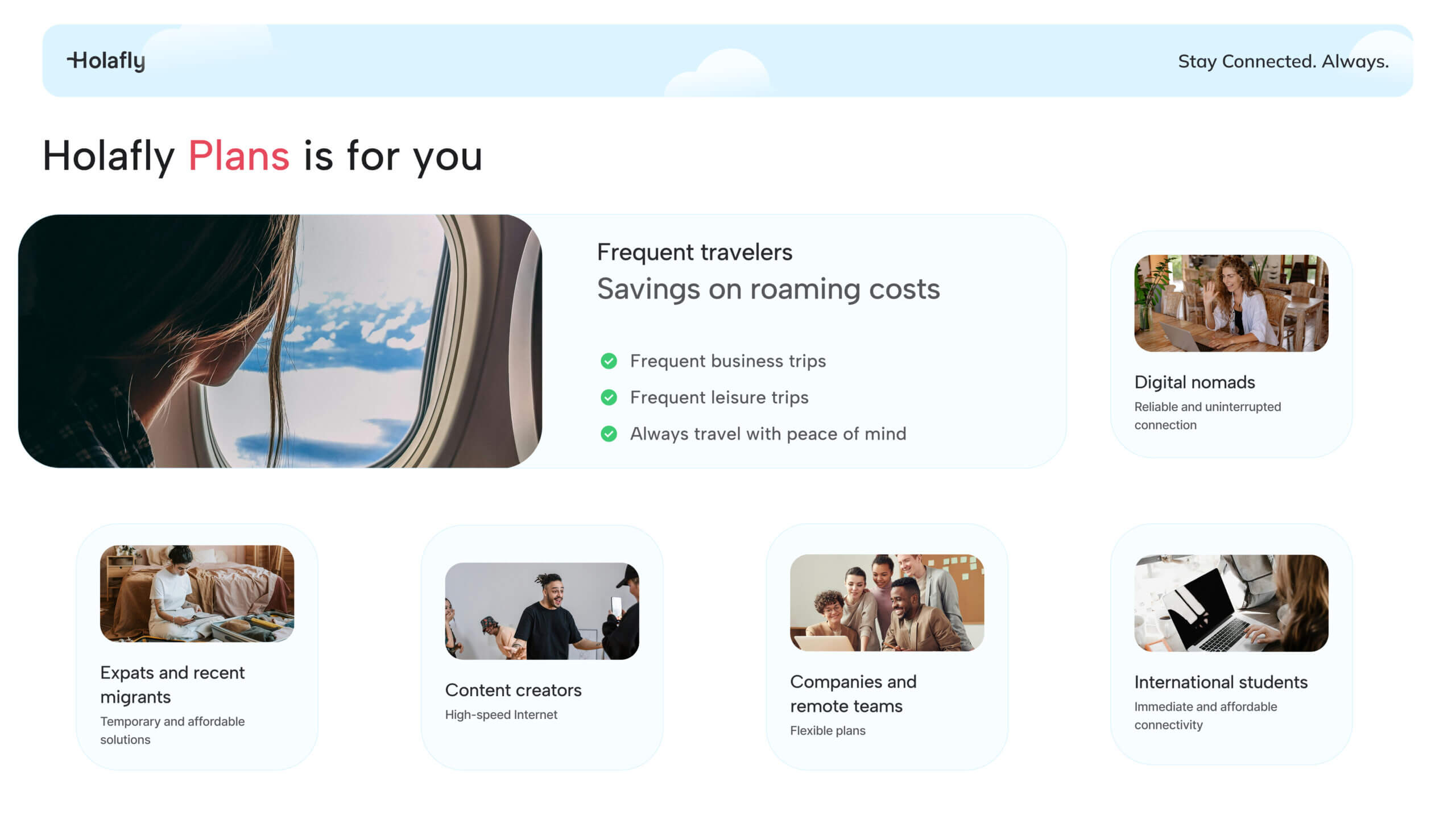
Industry analysts note that the rise of remote work and the global digital nomad community have accelerated demand for robust, borderless telecommunications infrastructure. Traditional mobile networks are architected around national borders and domestic billing relationships, making them poorly optimized for individuals who change countries on a monthly or weekly basis.
Products that combine multi-country coverage with integrated hotspot capabilities and local inbound communication numbers bridge the gap between consumer travel utilities and enterprise-grade mobile virtual network operator (MVNO) services. By streamlining cross-border transitions, these services reduce the administrative burden on frequent flyers, journalists, remote software engineers, and international consultants who rely on continuous uptime for professional operations.
Operational Implementation and Support Infrastructure
Deploying an ongoing global eSIM plan follows a streamlined digital workflow. Subscribers select their preferred tier online, receive a digital activation profile, and install the software configuration directly onto a compatible smartphone. Network switching is handled automatically through roaming agreements with local telecommunications infrastructure providers in each covered jurisdiction.
To address potential technical complications arising from varying carrier configurations across different regions, service providers in the sector have increasingly invested in around-the-clock customer support frameworks. Technical reliability remains a critical differentiator in the eSIM market, where loss of connectivity can disrupt navigation, financial transactions, and professional communication abroad. Consumer protection policies, such as extended evaluation windows and structured refund frameworks, have also become standard tools for providers seeking to build trust in subscription-based digital utility models.
Future Outlook for Global Mobile Subscriptions
As hardware manufacturers continue to phase out physical SIM card trays in international smartphone models—a trend initiated by the removal of physical slots in domestic U.S. iPhone releases—the adoption rate of digital subscriber profiles is projected to accelerate. The competitive focus among telecom innovators is expected to shift further away from hardware compatibility and toward software-defined features, such as integrated cybersecurity protocols, dynamic network prioritization, and unified multi-device management interfaces.
The expansion of continuous, borderless data subscriptions indicates a broader maturation of the travel technology sector. By replacing fragmented, transaction-heavy purchasing habits with predictable, utility-style billing, these services are redefining how global citizens maintain digital continuity in an increasingly interconnected world.