Elevating the Bahamas Experience: Inside the Reimagined Imperial Club at Atlantis Paradise Island

The landscape of Caribbean luxury family travel has continually evolved to meet the demands of discerning travelers seeking both high-energy entertainment and secluded comfort. At the forefront of this hospitality shift is Atlantis Paradise Island in the Bahamas, a resort property internationally recognized for its colossal scale, marine habitats, and iconic pink-hued architecture. Originally conceptualized and developed in the late 20th century, Atlantis has long stood as a benchmark for destination resorts, drawing millions of visitors eager to experience its sprawling waterpark, extensive marine exhibits, and vibrant casino gaming. However, managing a sprawling property that accommodates thousands of guests simultaneously presents distinct logistical challenges, particularly for families traveling with children or teenagers. To address the need for a more streamlined, exclusive hospitality tier within a bustling mega-resort framework, resort operators introduced the reimagined Imperial Club, located within the property’s central structural landmark, The Royal.
Main Facts of the Imperial Club Offering
The Imperial Club is not a standalone resort but rather an elevated, club-level enhancement housed inside The Royal towers of Atlantis Paradise Island. Situated at the very heart of the resort property, The Royal provides immediate physical access to the resort’s primary anchor attractions, including the 141-acre Aquaventure waterpark, various marine habitats, high-end retail options, and dozens of dining establishments.
By booking into the Imperial Club tier, guests unlock a curated suite of VIP privileges designed to bypass the friction points commonly associated with large-scale destination resorts. These primary amenities include:
- Private, expedited check-in procedures located away from the high-traffic main lobby.
- Dedicated, high-speed elevator access exclusively reserved for Imperial Club guests, avoiding the prolonged wait times typical of The Royal’s central elevator banks.
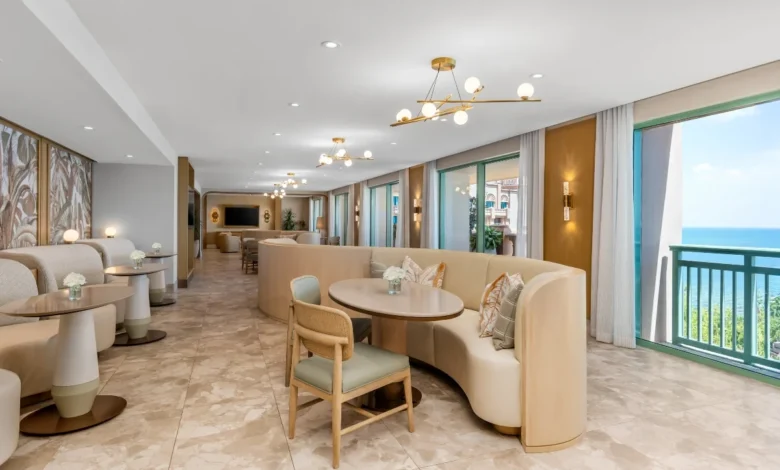
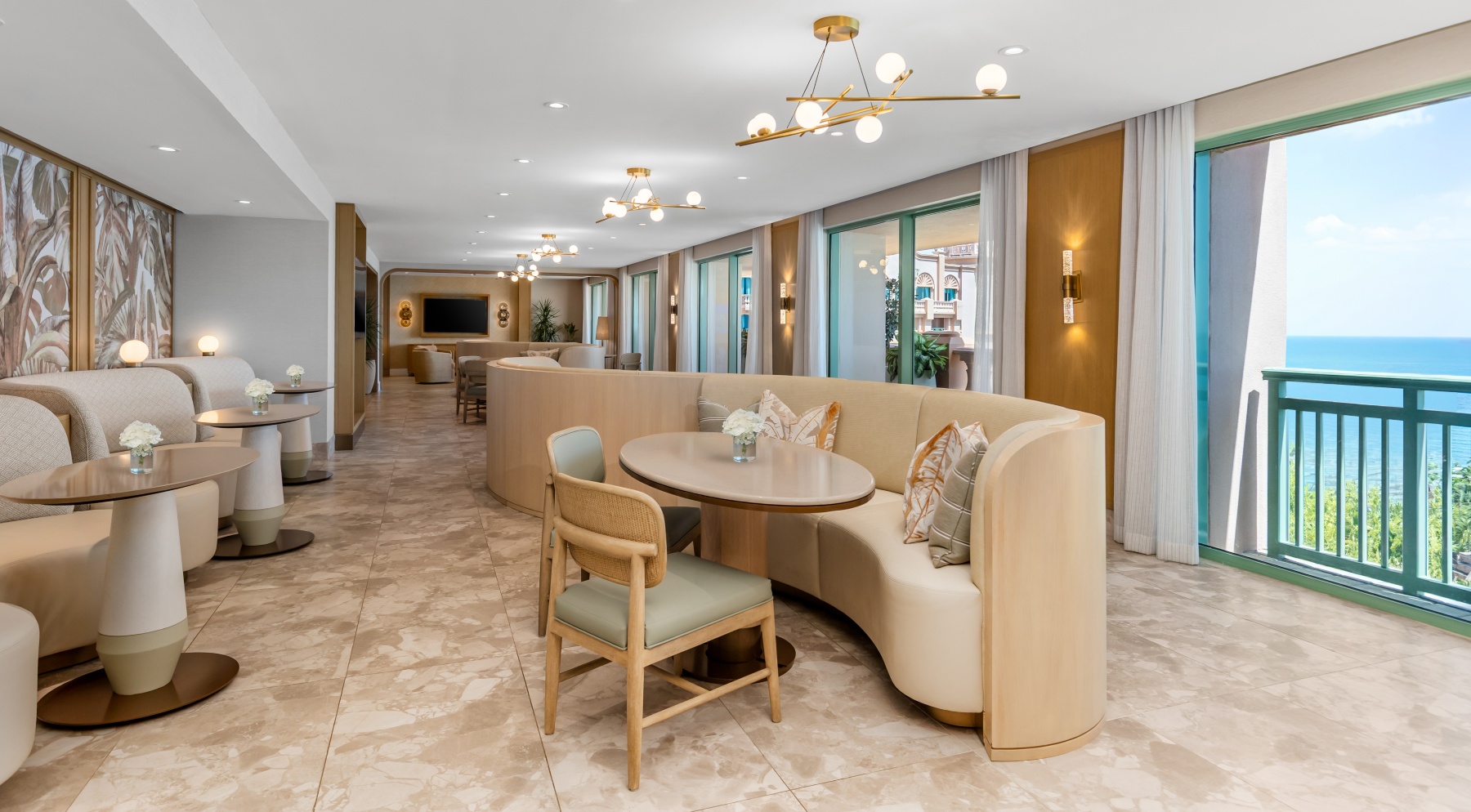
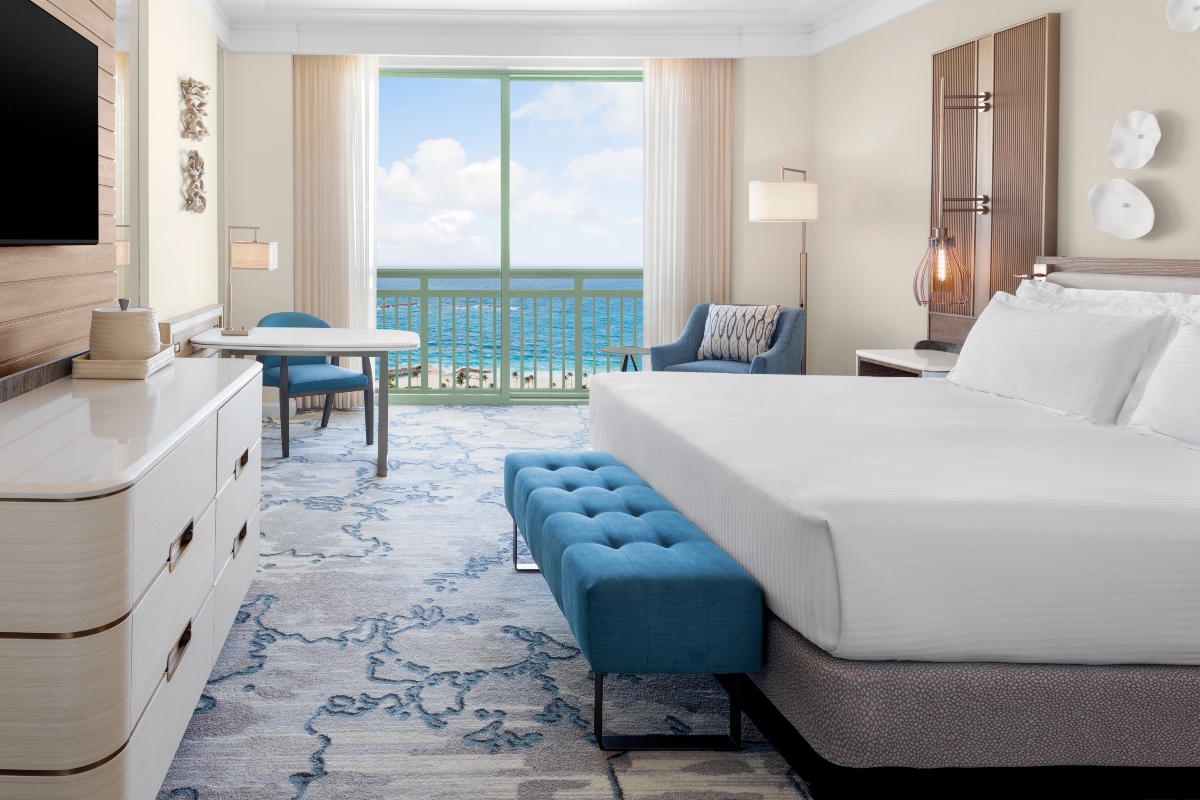
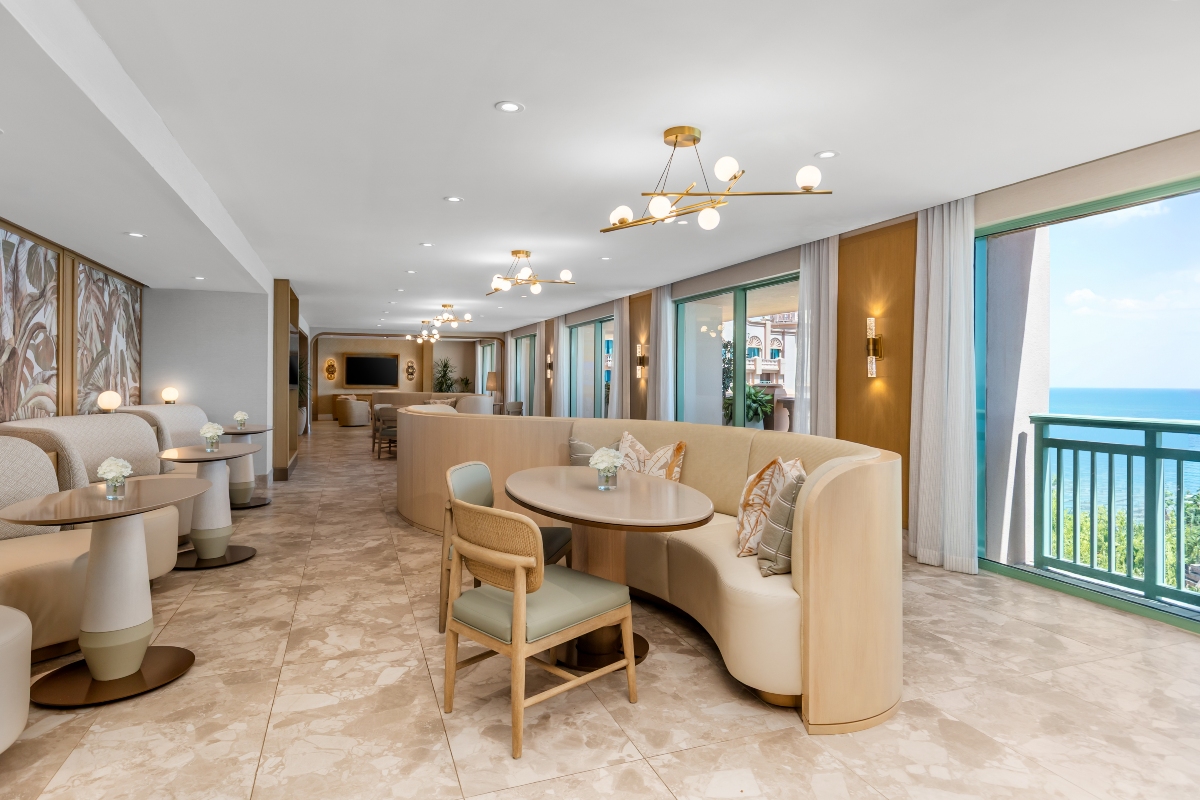
- Exclusive access to the 19th-floor Imperial Club lounge, offering panoramic vistas of the surrounding ocean and waterpark infrastructure.
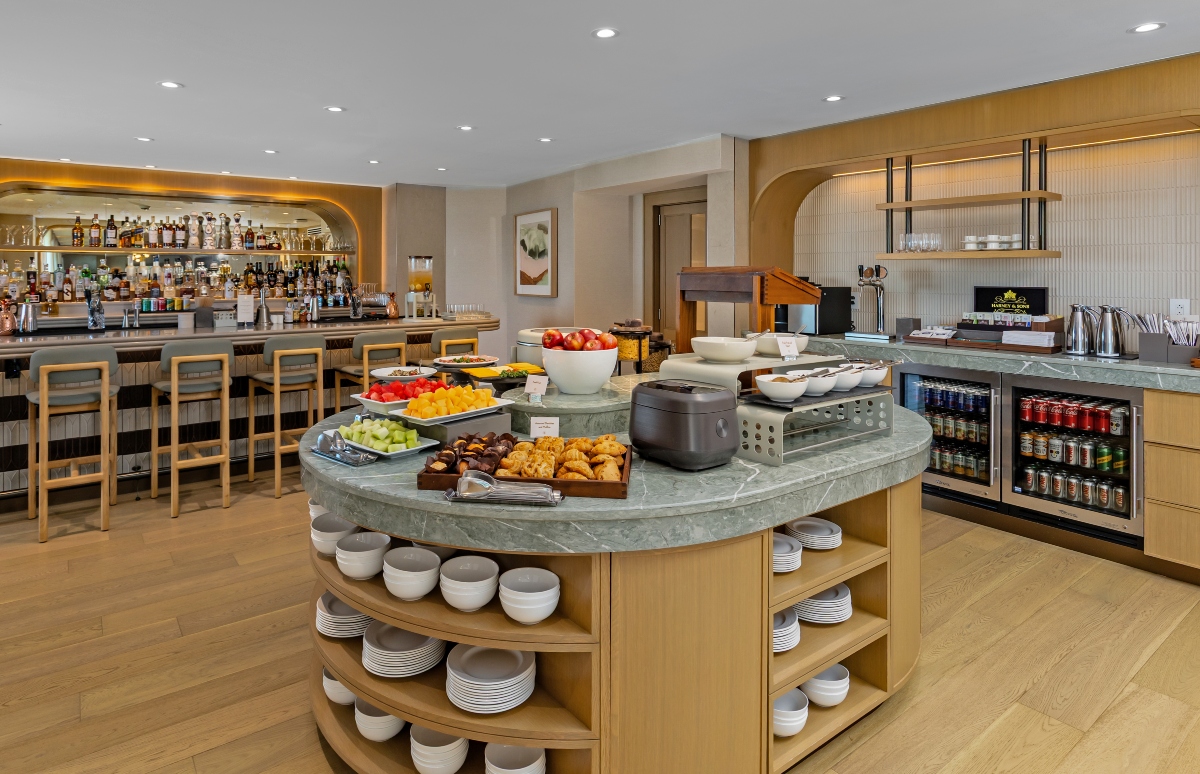
- Complimentary daily breakfast service, evening light bites, all-day snacks, non-alcoholic beverages, and an afternoon-to-evening bar service.
- Personalized concierge services dedicated to curating bespoke itineraries, securing cabana rentals, arranging marine animal interactions, and booking spa appointments.
Chronology and Background Context of Atlantis Paradise Island
The history of Paradise Island—originally known as Hog Island—is deeply intertwined with the development of luxury tourism in the Bahamas. In the 1960s, the island experienced rapid commercial expansion spearheaded by figures such as Huntington Hartford, who sought to transform the land into an exclusive enclave. Decades later, developer Sol Kerzner acquired the property, envisioning a themed mega-resort centered around the myth of the lost city of Atlantis.
When Atlantis Paradise Island officially opened its doors in 1998, it redefined the Caribbean hospitality market by integrating massive entertainment infrastructure with upscale accommodations. The resort expanded significantly over the subsequent decades, adding iconic structures like The Royal, The Cove, The Reef, and Harborside Resort.
Despite its enduring popularity, hospitality trends over the past decade have increasingly favored experiential luxury, personalized service, and spaces that offer refuge from sensory overload. Recognizing this shift, property management initiated phased revitalization projects across its hotel towers, marine habitats, and guest amenities. The introduction of the Imperial Club represents a strategic response to modern consumer demand, blending the iconic scale and entertainment value of the legacy resort with the quiet exclusivity traditionally found in boutique properties or dedicated club-level executive floors.
Supporting Data and Resort Economics
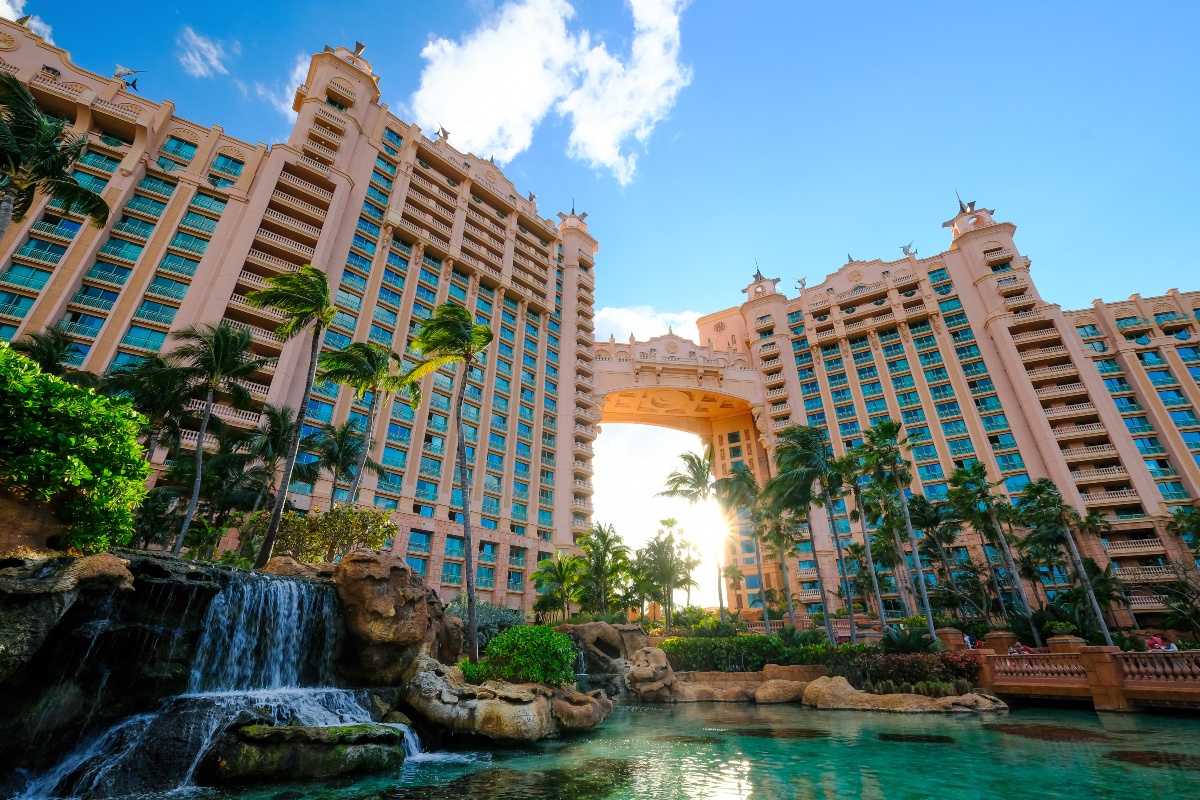
Operating a destination resort of the magnitude of Atlantis Paradise Island involves complex logistical metrics. Spanning approximately 171 acres, the property features more than 3,800 guest rooms distributed across multiple distinct towers, over 40 dining venues ranging from casual eateries to celebrity chef-led restaurants, a 60,000-square-foot casino, and extensive convention facilities.
A critical economic factor for travelers visiting Atlantis is its pricing structure. Unlike many Caribbean properties that operate on an all-inclusive model, Atlantis functions predominantly on an a la carte or European plan basis. Every meal, recreational activity, and incidental expense is billed separately. For large families, multi-generational groups, and families traveling with teenagers whose caloric consumption and activity levels are high, cumulative daily expenses can rapidly escalate.
The inclusion of complimentary breakfast, daytime snacks, and evening receptions within the Imperial Club tier introduces a predictable financial offset to the otherwise variable costs of dining at the resort. Analysts note that while club-level rooms carry a higher initial nightly tariff, the bundled value of daily breakfast, private lounge access, and concierge-managed bookings often delivers practical economic advantages for families seeking budget transparency during extended stays.
Official Responses and Industry Analysis
While formal corporate statements from resort executives emphasize the brand’s ongoing commitment to personalized luxury, hospitality analysts and travel industry experts have widely praised the strategic integration of club-level tiers within mega-resorts.
According to leisure travel consultants, large-scale properties frequently face a paradox: guests are drawn to the vast array of amenities, dining options, and entertainment venues, yet they simultaneously report fatigue resulting from crowds, lines, and navigational complexity. By creating segregated infrastructure—such as private check-in zones, dedicated elevator banks, and restricted-access lounges—resorts effectively partition the guest experience. This allows visitors to dip into the high-energy environment of the wider property when desired, while retreating to an oasis of calm and personalized service whenever necessary.
Furthermore, industry observers highlight the appeal of these offerings to multi-generational travel groups. When grandparents, parents, and children travel together, accommodating diverse physical mobility levels and pacing preferences can be challenging. A central, high-floor lounge equipped with private outdoor balconies, comfortable seating, and continuous refreshments provides an effective operational hub where diverse age groups can congregate without the friction of coordinating external dining reservations or navigating crowded public spaces.
Broader Impact and Market Implications
The success of the Imperial Club at Atlantis Paradise Island signals a broader trend across the Caribbean and global resort sectors. As post-pandemic travel demand has normalized, consumer expectations have shifted away from generic luxury toward hyper-personalized, frictionless experiences. Properties that fail to offer differentiated tiers of service risk losing affluent family travelers to boutique resorts or ultra-luxury all-inclusive properties.
By retrofitting existing structural assets—such as converting upper-floor footprints into executive lounges and optimizing underutilized elevator shafts for private access—resorts can modernize their legacy architecture without undergoing disruptive, ground-up construction. This operational agility allows historic properties to remain competitive against newer builds entering the market.
For the Bahamas tourism economy, the ongoing refinement of flagship properties like Atlantis reinforces the destination’s competitive edge. Tourism boards continually track average daily rates (ADR) and visitor expenditure; higher-tier offerings like the Imperial Club attract affluent travelers who contribute significantly to local economic activity through high-end dining, retail consumption, and premium excursion bookings.
The Reimagined Visitor Experience
First-time visitors navigating Atlantis Paradise Island often remark on the sheer visual and sensory impact of the property. The Royal’s expansive lobby, adorned with clamshell-carved architectural details, soaring structural pillars, and integrated marine viewing windows, serves as a bustling crossroads for thousands of daily arrivals.
By diverting Imperial Club guests away from the main registration queues into a dedicated, low-occupancy check-in lounge, the property effectively mitigates the primary stressor associated with mega-resort arrivals. This seamless transition extends to vertical transit; the inclusion of private elevator shafts ensures that guests residing on upper levels can move effortlessly between their accommodations and ground-level facilities without enduring peak-hour delays.
The physical design of the 19th-floor Imperial Club lounge further underscores this philosophy of refuge. Featuring floor-to-ceiling windows, modern coastal furnishings, and unobstructed panoramic lines of sight extending across Aquaventure and out toward the Atlantic Ocean, the space operates as a continuous sensory decompression chamber.
Conclusion and Strategic Outlook
The introduction and refinement of the Imperial Club at Atlantis Paradise Island represent a sophisticated evolution in the management of legacy mega-resorts. By successfully bridging the gap between vast recreational scale and exclusive, highly personalized service, the property has established a functional blueprint for modernizing large-scale hospitality infrastructure.
For multi-generational families, special-occasion travelers, and guests seeking a balanced vacation dynamic—one that pairs world-class water parks, marine habitats, and culinary variety with quiet retreats, expedited logistics, and predictable value—the Imperial Club offers a compelling operational model. As the Caribbean hospitality sector continues to adapt to evolving consumer preferences, initiatives that harmonize public scale with private exclusivity will likely remain a defining competitive advantage for premier destination properties.